



Pests have caused significant damage in the hospitality industry. Understanding how these pests can be controlled is crucial in this article. The reader will learn what infestation is, its types, and how these pests can be prevented and controlled.
Understanding Infestation
Infestation is the process by which pests inhabit a food service establishment. Infestation is the state of being invaded or overrun by parasites or other pests (Dorland’s Medical Dictionary). It can also refer to the actual organisms living on or within a host (Free Merriam-Webster Dictionary).
Read Also:Economic Importance, Uses, and By-Products of Watermelon Shoots
Pests and Their Prevention and Control Methods

1. Cockroaches
Cockroaches are nocturnal insects (Anyanwu and Ukabuilu, 2017). They hide in crevices and dark places during the day but come out at night in search of food. They contaminate food with their feces.
They live in and around drains and sewers (Richard, 2007). They feed on almost everything, including all types of foodstuffs, paper, and garbage. They are commonly found in toilets and food stores. The presence of egg cases and fecal deposits of cockroaches in the kitchen indicates signs of infestation (Richard, 2007).
Prevention and Control of Cockroaches
- Designing and maintaining a clean kitchen environment can prevent infestation.
- Maintaining food hygiene and ensuring food storage areas are always clean prevent cockroach infestation.
- Cover all cracks and holes where cockroaches can hide.
- Good hygiene is critical in preventing cockroach infestation.
- Cover all foods properly.
- Keep the kitchen properly ventilated.
- Spray recommended insecticides in cracks and holes in the kitchen, but adequate measures must be observed to ensure the insecticide does not come into contact with food or cooking utensils, which can cause food poisoning (Anyanwu et al., 2017).
2. Flies
Flies are pests found in food service establishments that can carry pathogens that infect food. They feed on feces and refuse. Houseflies, in particular, breed in rubbish heaps, refuse bins, and dirty latrines. They carry many disease-causing microorganisms on their hairy bodies and deposit them on food. This aligns with Ronald et al. (2005), who note that flies’ legs, wings, and bodies contaminate food because they carry harmful bacteria, which becomes a problem when they touch food. Signs of infestation include the presence of adult flies, larvae, or pupae in or around food premises (Richard, 2007; Anyanwu et al., 2017).
Prevention and Control of Flies
- Disposing of refuse in the kitchen promptly prevents flies in the premises.
- Refuse in food premises should be covered.
- Keep shutters and drains clean.
- Cover all food properly.
- Eliminate flies’ breeding places.
- Install suitable wire-netting on doors and windows to prevent the entry of flies.
- Apply insecticides where necessary, but ensure all food is covered (Richard, 2007; Anyanwu et al., 2017).
3. Ants
Ants are pests commonly found in kitchens. Pharaoh’s ants, in particular, transmit human pathogens and pose health hazards in hospitals when they roam from open wounds and soiled dressings to sterile equipment, dressings, or food.
Prevention and Control of Ants
- Maintain a clean environment and minimize waste food.
- Cover any food that attracts ants in tightly sealed tins or plastics.
- Use insecticides.
- Repair all structural cracks and crevices in walls and floors (Igbojekwe, 2004; Anyanwu et al., 2017; Richard, 2007).
4. Rats and Mice (Rodents)
Rats and mice are common rodents found in food premises. They spoil food and spread diseases. They are often found in dark corners, cupboards, and enter premises through holes, doors, or when food is transported from suppliers to the kitchen. Signs of their presence include rat droppings, odors, holes in the surroundings, and smears (Basset, 2004; Ronald et al., 2005; Richard, 2007). If rat or mice droppings come into contact with food or utensils, it can lead to foodborne illness after consumption.
Read Also: Economic Importance, Uses, and By-Products of Watermelon Axils
Prevention and Control of Rodents
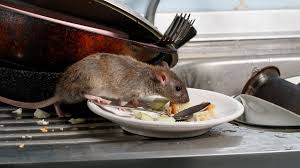
- Maintain environmental hygiene.
- Practice good housekeeping.
- Ensure access routes for rodents are blocked.
- Use traps to control mice and rats.
- Apply rodenticides.
- Use cats to control rats and mice.
- Examine food stock before entering the store.
- Keep buildings clean.
- Frequently repair buildings.
- Cover dustbins with tight-fitting lids (Igbojekwe, 2004; Ronald et al., 2005; Anyanwu and Ukabuilu, 2007).
Guidelines for Selecting and Using Insecticides
The following guidelines should be followed when selecting and using insecticides:
1. Use the Right Type of Insecticide: Before choosing insecticides, identify the type of pest to eliminate to select the appropriate product. Consulting an expert can help determine the best option.
2. Study the Instructional Label: Follow the instructional label for precautions when using insecticides. Adhering to the manual ensures effective results, as failure to do so may affect the outcome.
3. Store Chemicals Safely: Ensure chemicals are stored properly to prevent access by children. Insecticides have caused fatalities due to user carelessness. Label chemicals clearly and avoid storing them in transparent bottles that may attract children.
4. Choose Labeled Products: Labeling is critical, as suppliers may provide incorrect chemicals that could damage the establishment. Instructions for mixing and using the chemical are typically provided on the label, so unlabeled products can lead to usage difficulties.
5. Cover Food During Application: Cover all food in tight containers during insecticide application to avoid contamination, which can affect food quality and cause poisoning.
6. Avoid Naked Flames: Insecticides are highly flammable, so avoid naked flames during application to prevent explosions or fire outbreaks that could cause significant losses.
7. Close Windows and Doors: Close all doors, windows, and other openings during insecticide application to prevent the chemical from escaping, ensuring effective results.
Pest infestation has caused significant problems in food service establishments. These pests include cockroaches, houseflies, ants, rats, and mice, among others.
Several methods of controlling them include maintaining environmental hygiene, using insecticides, covering food properly, eliminating flies’ breeding places, and installing suitable wire-netting on doors and windows.
Factors to consider when selecting and using insecticides include choosing the right type, studying precautionary labels, and avoiding naked flames to prevent fire outbreaks.
Do you have any questions, suggestions, or contributions? If so, please feel free to use the comment box below to share your thoughts. We also encourage you to kindly share this information with others who might benefit from it. Since we can’t reach everyone at once, we truly appreciate your help in spreading the word. Thank you so much for your support and for sharing!