


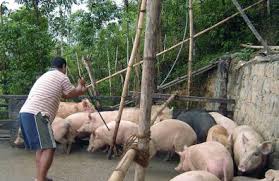
The North Eastern Region (NER) of India has a significant non-vegetarian population, with pork being a popular choice. The region accounts for 38.42% of India’s pig population, with Assam holding 1.63 million pigs (15.89% of the national total). This article explores pig farming in NER.
The increasing demand for animal protein in NER cannot be met by sheep, goat, and chicken alone. Pork, due to pigs’ biological advantages like prolificacy, faster growth, and high dressing percentage, plays a crucial role. Pig husbandry offers sustainable income for farmers with limited land.
Pig Breeds and Their Characteristics
Pig farming in NER relies on indigenous and crossbred pigs to meet production needs. The diversity of breeds allows farmers to choose those suited to local conditions and market demands. Below, we explore the key breeds and their traits for effective farming.
A. Indigenous Pigs of Assam
Indigenous pigs are well-adapted to local conditions but have lower production potential. These black-colored pigs have strong bristles on the neck, back, and hind legs. They thrive under poor feeding and management, making them suitable for rural farmers with limited resources.
B. Crossbred Pigs
Crossbred pigs, from mating exotic breeds like Hampshire with indigenous pigs, are popular in Assam. They offer better production performance under existing management systems. However, crossbreds without known pedigrees are not ideal for breeding, though proper selection can yield excellent results.
C. Popular Breeds in Assam
Farmers in Assam prefer black-colored pigs like Hampshire, Large Black, and their crosses for their prolificacy and growth rates. These breeds are chosen for adaptability and to meet the region’s high pork demand. Improved breeds enhance the productivity of indigenous populations.
Read Also: History and Description of Cashew
Selecting Breeding Stock for Pig Farming
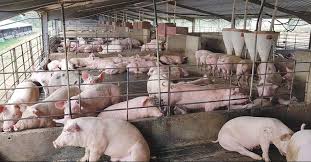
The success of a pig farm depends on the quality of its breeding stock. Proper selection ensures high productivity and sustainability. This section outlines key considerations for choosing breeding stock to maximize farm output and efficiency.
Selecting breeding stock is critical for farmers. The farm’s productivity relies on the quality of foundation stock and effective management. Key traits include high litter size, strong litters, good mothering ability, calm temperament, and efficient feed conversion for optimal results.
A. Criteria for Selecting Breeding Stock
1. Health and Pedigree: Select piglets free from diseases and physical defects, sourced from reliable breeders.
2. Age and Parentage: Choose healthy piglets aged 3-5 months, ensuring males and females are not from the same parents.
3. Litter Performance: Piglets should come from sows that consistently farrow and wean large litters (more than 8) and reach market weight quickly.
B. Selecting Gilts
Gilts are vital for breeding success. Farmers should source gilts from different farms and gather detailed animal information. Key traits include sound feet, legs, a minimum of 12 evenly spaced functional teats, adequate body length, depth, and well-muscled hams.
C. Selecting Boars
Boars should be one month older than gilts, with sound feet, legs, and two equal-sized testicles. They should come from dams with large litters and efficient weight gain. Proper boar selection ensures better reproductive and productive outcomes for the farm.
D. Farm Size Recommendations
For beginners, a medium-sized farm with 2 males and 8 females is beneficial. A smaller unit of 1 male and 3-4 females is also ideal. Regular selection of gilts and boars for replacement, based on age and performance, ensures sustained success.
Breeding Practices in Pig Farming
Effective breeding practices maximize pig production. This section covers heat detection, mating, and artificial insemination to ensure high reproductivity and productivity, focusing on improving litter size and meat production efficiency for farmers.
Pig breeding focuses on improving reproductivity (litter size at birth) and productivity (meat production efficiency, judged by growth rate, feed efficiency, and carcass quality). Proper management of breeding cycles and techniques is crucial for achieving these goals.
A. Heat Detection and Mating
Indigenous pigs reach sexual maturity after 9 months, crossbreds at 7½ to 8½ months. The oestrus cycle lasts 21 days (18-24 days). During oestrus, females exhibit:
1. Behavioral Signs: Frequent urination, reduced appetite, ear erection, and restlessness.
2. Physical Signs: Swelling and reddening of the vulva, mounting behavior, and immobility when pressure is applied to the back.
3. Mating Timing: Boars should be introduced on the 2nd or 3rd oestrus cycle, with mating in the second half of the first day or second day of heat.
Mating lasts 3-7 minutes, with double servicing at 10-12 hour intervals. The gestation period is 114 days, and females can rebreed one month after weaning. Boars are usable up to 18 months, females replaced after the fourth farrowing.
B. Artificial Insemination (A.I.)
Artificial insemination involves collecting, processing, and introducing semen into the female’s genital tract. It improves health control, reduces breeding costs, and extends superior boars’ use. Insemination is best 4-6 hours after the standing reflex, with a second after 10-12 hours.
Read Also: Classification of Crops
Housing Requirements for Pigs
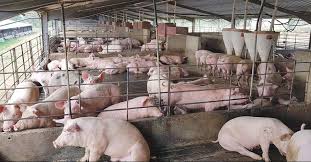
Proper housing ensures pig health and productivity. Well-designed sheds protect animals and optimize growth. This section details key considerations for constructing pig housing to support efficient farming and animal welfare.
Pig housing provides shelter and a conducive environment for growth. Factors like orientation, construction materials, and space allocation are critical for maximizing productivity and ensuring animal welfare in pig farming operations.
A. Pig Shed Design
1. Orientation and Location: Construct sheds in a North-South direction on dry, raised ground in an accessible location.
2. Roof and Walls: Use an 8-10 feet high roof. Sidewalls (up to 4 feet) should be brick and cement, upper portion (4-6 feet) wire or bamboo netting.
3. Flooring: Use hard, non-slippery, sloped (3 cm) flooring for easy cleaning.
B. Pen Layout and Facilities
1. Feeding and Watering: Construct feeding and water troughs within pens, with rounded corners for easy cleaning.
2. Space Allocation: Individual pens (80-100 sq ft) house 1 breeding boar, 1 farrowing sow, 8 growers (2-5 months), 4 fatteners (5+ months), or 2 gilts/dry sows.
3. Additional Features: Include creep boxes in farrowing pens, open spaces for exercise, and facilities for water supply and waste disposal.
Frequently Asked Questions
1. Why is pig farming popular in North Eastern India?
Pig farming is popular in NER due to high pork demand, as most residents are non-vegetarian. Pigs’ fast growth and high litter size make them ideal for meeting this demand.
2. What are the advantages of crossbred pigs over indigenous pigs?
Crossbred pigs, from exotic and indigenous mating, offer better growth rates, feed efficiency, and carcass quality, making them more productive under existing management systems.
3. How should farmers select breeding stock?
Choose healthy piglets (3-5 months) from reliable breeders, free from defects, with parents that consistently produce large litters and reach market weight quickly.
4. What is the ideal time for mating pigs?
Mating is most effective in the second half of the first day or on the second day of the oestrus cycle, with double servicing at 10-12 hour intervals.
5. What are the benefits of artificial insemination in pig farming?
Artificial insemination improves health control, reduces breeding costs, and allows superior boars’ use across more sows, enhancing litter size and quality.
6. What are the key features of a good pig shed?
A good pig shed has a North-South orientation, raised ground, 8-10 ft high roof, non-slippery sloped flooring, and facilities for feeding, watering, and waste disposal.
7. How many pigs should a beginner farmer start with?
Beginners should start with a medium-sized farm (2 males and 8 females) or a smaller unit (1 male and 3-4 females) for manageable operations.
Do you have any questions, suggestions, or contributions? If so, please feel free to use the comment box below to share your thoughts. We also encourage you to kindly share this information with others who might benefit from it. Since we can’t reach everyone at once, we truly appreciate your help in spreading the word. Thank you very much for your support and for sharing!