


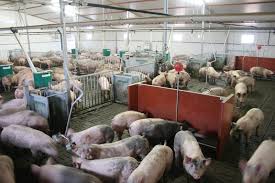
Pig farming employs diverse systems and careful management to ensure productivity and health. This article explores intensive, semi-intensive, and scavenging systems, alongside essential care practices for pigs at various life stages.
The choice of system depends on pig type, facilities, and farmer preferences. Each system impacts productivity, health, and management needs differently. Understanding these systems and their care requirements is vital for successful pig farming.
Intensive Farming System
The intensive system suits large-scale commercial or seed farms. It requires significant investment in facilities but enables scientific methods for safe pork production. Pigs are confined to sties, ensuring controlled conditions.
A. Facility Requirements
1. High Costs: Creating facilities for the intensive system is expensive due to specialized infrastructure needs.
2. Confinement: Pigs are kept in pigsties, preventing access to the outside environment.
3. Controlled Environment: The system supports precise management of breeding, health, and feed quality.
B. Productivity Benefits
1. High Reproductivity: Proper breeding and management lead to increased litter sizes.
2. Enhanced Productivity: Quality feed and healthcare ensure optimal growth rates.
3. Disease Control: Scientific approaches minimize disease occurrence, ensuring healthier pigs.
C. Management Practices
1. Scientific Methods: All aspects, from breeding to feeding, follow scientific protocols.
2. Quality Feed: Balanced rations are provided to meet nutritional needs.
3. Health Monitoring: Regular health checks and vaccinations are integral to this system.
Read Also : Fish Allergy: Causes, Symptoms, Diagnosis and Treatment of Fish Allergy
Semi-Intensive Farming System

The semi-intensive system is common in rural areas, where pig rearing supports livelihoods. It modifies the scavenging system with enclosures, balancing confinement and limited free movement. Locally available feeds are used.
This system suits small-scale farmers seeking sustainable production. It requires less investment than intensive systems but offers better control than scavenging, making it practical for rural settings.
A. Enclosure and Space
1. Strong Enclosures: Pigs are kept in sturdy wooden or fenced enclosures.
2. Large Area: Sufficient space is provided for free movement within the enclosure.
3. Shelter Provision: Small wooden houses are often included for shelter.
B. Feeding Practices
1. Grazing Allowance: Pigs graze, supplemented with small amounts of balanced rations.
2. Local Feeds: Colocassia, tapioca, and kitchen or market waste are commonly used.
3. Minimal Inputs: The system relies on locally available, cost-effective feed components.
C. Management Limitations
1. Limited Scientific Input: Breeding, management, and healthcare lack scientific rigor.
2. Piglet Mortality: Sows are moved during farrowing to reduce piglet mortality.
3. Basic Care: Health and breeding management are less advanced than intensive systems.
Scavenging Farming System
The scavenging system is a traditional, primitive method of pig rearing. Pigs roam freely, feeding on scavenging materials, requiring minimal management. This system is less productive and poses health risks.
It is practiced in resource-limited areas, where pigs fend for themselves. This leads to poor growth, smaller litters, and higher disease incidence.
A. Operational Characteristics
1. Free Roaming: Pigs move from place to place in groups, feeding on available materials.
2. Minimal Management: No significant effort is made in managing the pigs.
3. Low Investment: The system requires no infrastructure or feed inputs.
B. Productivity Challenges
1. Poor Growth: Lack of proper nutrition results in stunted growth.
2. Disease Prevalence: Scavenging increases exposure to diseases.
3. Small Litters: Litter sizes at birth and weaning are significantly reduced.
C. Health and Welfare
1. No Healthcare: Routine healthcare or vaccinations are typically absent.
2. Uncontrolled Breeding: Breeding is not managed, leading to inconsistent outcomes.
3. Survival Risks: Pigs face higher mortality due to lack of care and exposure.
Read Also : Animal Breeding Systems and Selection Methods
Care and Management Practices

Effective care and management are critical for pig health and productivity across systems. This section outlines practices for pregnant sows, piglets, boars, and growing animals to ensure optimal outcomes.
Proper management enhances reproductive success, reduces mortality, and improves growth. These practices are tailored to pigs’ life stages and specific needs, ensuring their well-being.
A. Care for Pregnant Sow/Gilt
1. Deworming: The sow/gilt should be dewormed 15 days before farrowing.
2. Farrowing Pen: Transfer to a cleaned, disinfected farrowing pen 2 weeks prior.
3. Bedding and Heat: Provide light bedding in winter and heat in extreme cold.
4. Constant Observation: Monitor the sow closely during the last 2–3 days before farrowing.
B. Care at and After Farrowing
1. Feeding Delay: Avoid feeding the sow for 12 hours post-farrowing.
2. Veterinary Aid: Call for help only if farrowing complications arise.
3. Piglet Care: Wipe piglets to remove phlegm and ensure colostrum intake.
4. Naval Cord: Tie and cut the cord 2.5 inches from the body, applying Tr. Iodine.
C. Piglet Management
1. Colostrum Intake: Ensure piglets receive colostrum for the first five days.
2. Iron Injections: Administer 0.5 ml on day 4 and 1 ml on day 14.
3. Hygiene and Health: Maintain strict hygiene to prevent scour; treat diarrhea promptly.
4. Weaning and Castration: Wean at 30–42 days; castrate males 10 days before or after.
D. Boar Management
1. Housing: Keep boars in individual pens for better control.
2. Service Timing: Use boars for breeding at 8–9 months of age.
3. Exercise and Health: Allow regular outdoor exercise and test for diseases like Brucellosis.
E. Growing and Finishing Animals
1. Grouping: Group pigs by sex, size, and weight for fattening.
2. Housing Space: House up to five pigs in 80–100 sq ft for fattening.
3. Deworming and Feeding: Deworm regularly and provide complete feed for growth.
4. Summer Care: Sprinkle cold water or allow wallowing to manage heat.
Castration Practices
Castration is essential for male piglets intended for fattening. It promotes faster growth and higher fat deposition, eliminating boar taint. Timing is critical to minimize stress during weaning.
A. Castration Timing
1. Optimal Period: Castrate 10 days before or after weaning to avoid stress.
2. Growth Benefits: Castrated males grow faster than uncastrated ones.
3. Fat Deposition: Castration enhances fat accumulation for better meat quality.
B. Procedure Considerations
1. Stress Management: Proper timing reduces stress on piglets.
2. Boar Taint: Castration eliminates the risk of boar taint in meat.
3. Professional Handling: Ensure castration is performed by skilled personnel.
Culling Practices
Culling removes unproductive or unhealthy pigs to maintain herd efficiency. It targets animals with defects, poor performance, or incurable diseases, ensuring optimal farm productivity.
A. Reasons for Culling
1. Sow Vices: Cull sows that bite piglets or neglect their young.
2. Piglet Defects: Remove piglets with conditions like hernia or blindness.
3. Poor Growth: Cull piglets with stunted growth to improve herd quality.
B. Reproductive Issues
1. Infertility: Cull gilts with delayed maturity or failure to conceive.
2. Litter Size: Remove sows with consistently small litters at birth or weaning.
3. Farrowing Interval: Cull sows with prolonged farrowing intervals.
C. Boar and Herd Management
1. Excess Boars: Castrate or cull surplus boars to maintain balance.
2. Aging Sows: Cull sows after their fourth farrowing, replacing them.
3. Incurable Diseases: Cull pigs with chronic or untreatable diseases promptly.
Record Keeping
Record keeping is vital for evaluating and improving farm productivity. It tracks reproductive and productive performance, treatments, vaccinations, feed, labor, and pedigree for breeding plans.
A. Importance of Records
1. Performance Tracking: Records monitor reproductive and productive outcomes.
2. Breeding Plans: Pedigree data informs effective breeding strategies.
3. Management Evaluation: Records help assess and optimize farm operations.
B. Types of Records
1. Health Records: Track vaccinations, treatments, and disease occurrences.
2. Feed and Labor: Document feed usage and labor inputs for efficiency.
3. Reproductive Data: Record farrowing, litter sizes, and weaning outcomes.
C. Implementation
1. Consistent Recording: Maintain regular and accurate farm activity logs.
2. Data Analysis: Use records to identify trends and areas for improvement.
3. Breeding Optimization: Leverage pedigree records for selective breeding programs.
Frequently Asked Questions
1. What are the main pig farming systems?
The three main systems are intensive, semi-intensive, and scavenging. Intensive uses confined, scientific methods; semi-intensive balances enclosures and grazing; scavenging allows pigs to roam freely, feeding on available materials.
2. Why is the intensive system expensive?
The intensive system requires costly facilities like specialized pigsties, advanced feeding systems, and health management infrastructure, ensuring controlled conditions for high productivity and safe pork production.
3. How does the semi-intensive system differ from scavenging?
Semi-intensive systems confine pigs in enclosures with some grazing, using local feeds, while scavenging allows pigs to roam freely, feeding on waste with no management, leading to poorer outcomes.
4. What care is needed for pregnant sows?
Pregnant sows need deworming 15 days before farrowing, transfer to a clean farrowing pen, light bedding in winter, and constant monitoring during the last 2–3 days before farrowing.
5. Why is colostrum important for piglets?
Colostrum provides essential nutrients and antibodies, boosting piglet immunity in the first five days, helping prevent diseases like scour and supporting healthy growth and development.
6. When should piglets be castrated?
Male piglets should be castrated 10 days before or after weaning to minimize stress, promote faster growth, enhance fat deposition, and eliminate boar taint in meat.
7. Why is culling important in pig farming?
Culling removes unproductive or unhealthy pigs, such as those with defects, poor growth, or infertility, ensuring herd efficiency, better productivity, and reduced disease risks.
8. What records should a pig farm keep?
Farms should record reproductive and productive performance, health treatments, vaccinations, feed usage, labor, and pedigree data to evaluate operations and plan effective breeding strategies.
Do you have any questions, suggestions, or contributions? If so, please feel free to use the comment box below to share your thoughts. We also encourage you to kindly share this information with others who might benefit from it. Since we can’t reach everyone at once, we truly appreciate your help in spreading the word. Thank you very much for your support and for sharing!