


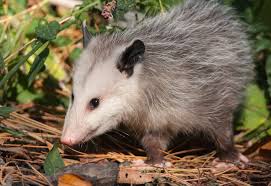
Possums (opossums) belong to the marsupial family, scientifically known as Didelphimorphia. These unique creatures are primarily found in the Americas, showcasing a distinctive appearance and fascinating behavior.
Possums are notable for their prehensile tails, which they use for balance and gripping objects. Their fur varies in color, ranging from gray to brown, providing them with effective camouflage in their natural habitats. With an elongated snout and sharp claws, these creatures are well-adapted for their omnivorous diet, which includes fruits, insects, small mammals, and even carrion.
One remarkable feature of possums is their reproductive system. Female possums have a pouch where they carry and nurture their young, known as joeys. This pouch is a characteristic trait of marsupials, emphasizing the evolutionary diversity within this group of mammals.
Possums are predominantly nocturnal, meaning they are most active during the night. Their keen sense of smell and sharp hearing aid them in navigating through their surroundings in the dark. Despite their somewhat intimidating appearance, possums are generally docile and non-aggressive, relying on their unique physical attributes for survival.
These marsupials play a crucial role in the ecosystem by helping control insect populations and acting as scavengers. Their opportunistic feeding habits contribute to the balance of various ecosystems, making them an integral part of the local fauna.
While possums are resilient and adaptable creatures, they face challenges from habitat loss and encounters with urban environments. Efforts to coexist with these fascinating creatures involve understanding their behavior and taking measures to mitigate potential conflicts.
Additionally, possums (opossums) are captivating marsupials with unique features and behaviors. Their role in maintaining ecological balance, combined with their distinctive physical characteristics, makes them a noteworthy and essential part of the diverse animal kingdom.
Read Also: Nutrient Requirement of Pigs and Swine Feeding Methods
Animals and Plants Affected by Possums (Didelphimorphia)
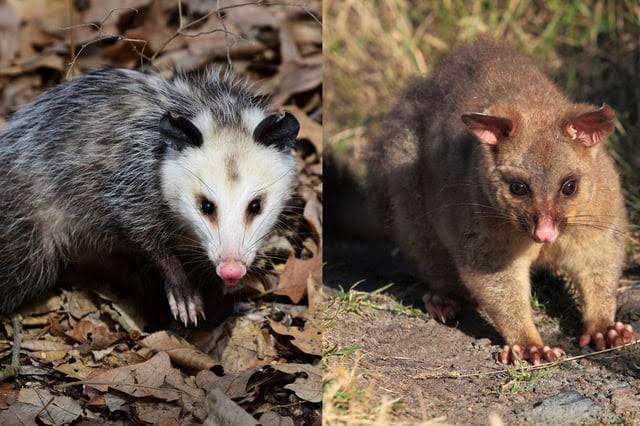
Possums can impact both plants and animals in various ways, often influenced by their foraging habits and behavior. The effects can be both positive and negative, depending on the specific interactions within an ecosystem.
1. Plants:
Fruits and Vegetation: Possums are omnivores and may consume fruits, vegetables, and plant material. In some cases, they can negatively affect orchards or gardens by feeding on crops.
Seed Dispersal: On the positive side, possums contribute to seed dispersal. By consuming fruits and later excreting the seeds in a different location, they aid in the regeneration of plant species.
Browsing Impact: Possums may browse on leaves, twigs, and buds, affecting the growth and regeneration of certain plant species. This can be particularly noticeable in areas with high possum populations.
2. Animals:
Insects and Invertebrates: Possums play a role in controlling insect populations as they include insects in their diet. This can have a positive impact on the ecosystem by helping to regulate insect numbers.
Small Mammals: Possums are known to eat small mammals, which can influence the population dynamics of these animals in a given area.
Bird Eggs and Nestlings: Possums may pose a threat to bird populations by consuming eggs and nestlings. This predation can impact bird breeding success in certain habitats.
It’s important to note that the effects of possums on plants and animals can vary depending on the specific species of possum, the local environment, and the availability of alternative food sources.
While they may have some negative impacts, possums also contribute positively to ecosystems through their role in seed dispersal and insect control. Sustainable management practices aim to balance these interactions, recognizing both the challenges and benefits posed by possums in different ecological contexts.
Damages Caused by Possums
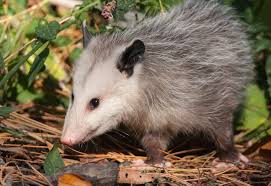
Possums can cause various damages, primarily through their foraging behavior and adaptability to diverse environments. While they play essential roles in ecosystems, their interactions with human activities can lead to challenges. Here are some common damages caused by possums:
1. Gardens and Crops: Possums are known to feed on fruits, vegetables, and garden plants, potentially causing damage to crops and ornamental plants. Their browsing habits may result in the loss of flowers, buds, and young shoots.
2. Tree Damage: Possums are skilled climbers and may damage trees by stripping bark or nibbling on branches, particularly in their search for food.
3. Nesting Sites: Possums may choose attics, roofs, or other sheltered spaces as nesting sites. In doing so, they can damage property by tearing insulation, creating nests, and leaving droppings.
4. Feeding on Birds: Possums can pose a threat to bird populations by preying on eggs and nestlings, impacting local birdlife.
5. Transmission of Diseases: While the risk is generally low, possums can carry diseases such as leptospirosis and tuberculosis, potentially posing a health risk to humans and other animals.
6. Foraging in Urban Areas: In urban environments, possums may rummage through garbage bins in search of food, leading to scattered trash and potential nuisances for residents.
7. Vehicle Collisions: Possums are at risk of being hit by vehicles when they venture onto roads, which can result in harm to the possum and damage to vehicles.
8. Competing with Native Species: In some cases, possums may compete with native species for resources, potentially impacting local biodiversity.
It’s crucial to approach possum management with a balance, considering both the challenges they pose and the benefits they bring to ecosystems. Sustainable solutions involve understanding possum behavior, implementing preventative measures, and, when necessary, employing humane methods for their management to minimize damages while respecting their role in the natural environment.
Read Also: Proper Management of Pig Breeding Stocks, Piglets, Weaners, Growing, and Finishing Pigs
Control and Preventive Measures
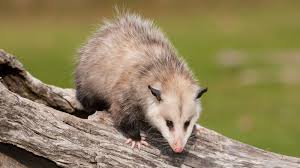
Implementing control and preventive measures for possums involves a combination of strategies to manage their presence and minimize potential damages. Here are some approaches:
1. Exclusion Measures:
Seal entry points: Close off potential access points to homes, attics, and sheds to prevent possums from nesting in these spaces.
Install chimney caps and secure vents: Prevent possums from entering through chimneys or ventilation openings by using appropriate covers.
2. Vegetation Management:
Trim branches: Cut back tree branches that may provide possums with easy access to roofs or structures.
Use metal collars: Place metal collars around tree trunks to deter possums from climbing.
3. Secure Garbage Bins:
Use tight-fitting lids: Ensure that garbage bins have secure, tight-fitting lids to discourage possums from foraging for food scraps.
4. Repellents:
Commercial repellents: Consider using commercially available possum repellents, following the manufacturer’s instructions.
Natural deterrents: Some natural substances, like chili powder or garlic, may act as deterrents when applied to areas possums frequent.
5. Habitat Modification:
Remove hiding spots: Clear away dense vegetation or piles of debris where possums may seek shelter.
Reduce attractants: Minimize food sources around your property, such as fallen fruits or pet food.
6. Trapping and Relocation:
Live traps: Use humane live traps to catch possums and relocate them to suitable habitats away from residential areas.
Follow local regulations: Check and comply with local regulations regarding trapping and relocating wildlife.
7. Professional Assistance:
Wildlife control services: Consult with professionals experienced in wildlife management for effective and humane solutions.
Local authorities: In some areas, local authorities may provide assistance or guidance on managing possums.
8. Educational Outreach:
Raise awareness: Educate the community about the importance of coexisting with wildlife and adopting practices that discourage possums from becoming nuisances.
It’s crucial to approach possum management with a focus on humane methods that consider the welfare of the animals. Before implementing any control measures, it’s advisable to check local laws and regulations, as well as seek guidance from wildlife experts to ensure responsible and effective management practices.
Frequently Asked Questions (FAQs) About Possums (Didelphimorphia)
1. Q: What is the scientific name for possums?
A: Possums belong to the marsupial family and are scientifically known as Didelphimorphia.
2. Q: Are possums and opossums the same?
A: While the terms are often used interchangeably, there is a distinction. “Possum” generally refers to marsupials found in Australia and nearby regions, while “opossum” refers to marsupials found in the Americas.
3. Q: What do possums eat?
A: Possums have an omnivorous diet, consuming fruits, vegetables, insects, small mammals, and carrion. Their diet can vary depending on their habitat and the availability of food.
4. Q: Do possums carry diseases?
A: Possums may carry diseases such as leptospirosis and tuberculosis, but the risk of transmission to humans is generally low. It’s important to practice caution and maintain good hygiene when dealing with wildlife.
5. Q: Do possums play a role in the ecosystem?
A: Yes, possums play a crucial role in ecosystems by contributing to seed dispersal, controlling insect populations, and participating in nutrient cycling.
6. Q: How can I prevent possums from entering my home?
A: Seal potential entry points, install chimney caps, trim overhanging branches, and ensure tight-fitting lids on garbage bins. These measures can help deter possums from nesting in residential spaces.
7. Q: Can I relocate a possum if it becomes a nuisance?
A: Check local regulations before relocating possums. In some areas, it may be allowed, but it’s essential to use humane live traps and release them in suitable habitats.
8. Q: Are possums nocturnal?
A: Yes, possums are primarily nocturnal, meaning they are most active during the night. Their keen senses help them navigate in low-light conditions.
9. Q: What should I do if I find a baby possum?
A: If you find a baby possum, observe from a distance to see if the mother returns. If not, contact local wildlife rehabilitators or authorities for guidance on proper care and rehabilitation.
10. Q: How long do possums live?
A: In the wild, possums typically have a lifespan of around two to four years, while those in captivity may live longer. Factors such as habitat, predation, and food availability influence their lifespan.
Read Also: How to Learn a New Skill