


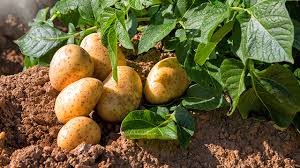
Potatoes are a vital crop worldwide, requiring precise fertilisation and irrigation practices to achieve optimal yield and quality. This article explores essential methods for fertiliser application, nutrient management, and water use in potato farming.
Understanding these techniques ensures healthy plant growth and sustainable production. The following sections detail best practices for fertilisation and irrigation, tailored to soil types and environmental conditions.
Effective potato cultivation hinges on addressing the plant’s unique needs, particularly its poorly developed root system. Proper nutrient placement and water management are critical to maximising tuber development.
By following evidence-based guidelines, farmers can enhance crop performance and quality. This guide provides practical insights for both rainfed and irrigated potato production systems.
The article draws on established research, including data from the Fertiliser Society of South Africa (FSSA), to offer actionable recommendations. It covers fertiliser application methods, nutrient-specific requirements, and irrigation strategies. These practices are adaptable to various soil types, climates, and cultivars, ensuring flexibility for diverse farming conditions.
Farmers must balance nutrient inputs and water application to avoid issues like excessive foliar growth or poor tuber quality. This guide aims to equip growers with the knowledge to make informed decisions, optimising potato yield and sustainability.
Read Also: How to Make Money in Poultry Farming
Fertiliser Application Methods

This section outlines the techniques for applying fertilisers to potato crops, focusing on placement and timing to support the plant’s limited root system. Proper application enhances nutrient uptake, prevents foliage damage, and ensures efficient use of resources. The following subheadings detail specific methods and considerations.
A. Placement in Planting Furrows
The potato plant’s poorly developed root system necessitates precise fertiliser placement. Fertilisers are mainly applied in planting furrows at planting time. They should be placed at or below the seed tuber level. This ensures nutrients are accessible to the roots, promoting early growth and tuber development.
Potato planters should be equipped with fertiliser bins for efficient application. If phosphorus needs are high, some can be broadcast and incorporated into the topsoil. The remaining phosphorus, along with nitrogen (N) and potassium (K), is applied in the furrows. This method optimises nutrient availability for the crop.
After planting, nitrogen top dressings are applied on either side of the plant row. Rows are then ridged and irrigated to incorporate the fertiliser. This technique prevents nutrient loss and supports consistent plant growth throughout the season.
B. Preventing Fertiliser Burn
Certain fertilisers, like potassium nitrate and ammonium nitrate, have a high salt index, increasing the risk of fertiliser burn. To avoid scorching the foliage, granules or liquids must be washed off leaves immediately after application. This step is crucial to maintaining healthy plant tissue.
When large quantities of nitrogen are required, splitting applications into smaller top dressings is advisable. This reduces the risk of burn and ensures steady nutrient supply. The timing of these applications depends on soil clay content, as detailed in the nitrogen fertilisation section.
Foliar sprays can be used to apply trace elements if deficiencies are detected. This method targets specific nutrient needs without overloading the soil. Careful application prevents leaf damage and supports balanced plant nutrition.
C. Soil Amendments
Agricultural gypsum, used to supplement soil calcium, is typically broadcast and incorporated before planting. Alternatively, it can be applied in planting furrows. This enhances soil structure and supports root development, critical for potato crops.
If soil pH correction is needed, lime should be applied and ploughed in during the previous season. Lime’s low solubility requires time to neutralise soil acidity. This practice ensures optimal soil conditions for potato cultivation, improving nutrient availability.
Proper timing and incorporation of amendments like gypsum and lime are essential. These steps prepare the soil for planting, ensuring potatoes have the necessary conditions for robust growth and high-quality tuber production.
Nutrient Management
Nutrient management is critical for potato growth, as deficiencies or excesses can impact yield and quality. This section covers the roles of nitrogen, phosphorus, and potassium, with guidelines based on soil type and yield potential. Proper nutrient balance supports healthy tuber development.
A. Nitrogen Requirements
1. Importance of Nitrogen: Nitrogen is vital for potato growth, driving leaf and stem development. A shortage can lead to yield losses, while excess nitrogen causes excessive foliar growth, reducing tuber size and quality. It also lowers specific gravity and may cause hollow heart disorder.
Nitrogen fertiliser recommendations depend on yield potential and soil clay content. Soil analysis is not typically used to determine nitrogen content. Instead, guidelines from Tables 1 to 3 provide tailored recommendations for rainfed and irrigated systems, adjusted for soil type and planting conditions.
2. Application Timing: Nitrogen should be applied strategically to avoid imbalances. For soils with less than 10% clay, 50–60% of the total nitrogen is applied before tuber initiation. For soils with over 20% clay, up to 100% can be applied early, as shown in Table 3.
Splitting nitrogen applications ensures efficient use and minimises environmental impact. Factors like rainfall, soil history, and cultivar influence adjustments to these guidelines. Proper timing supports balanced growth, enhancing both yield and tuber quality.
B. Phosphorus Needs
Phosphorus is essential for early root growth and water-use efficiency. It is a key component of plant cells, and shortages can reduce tuber keeping quality. Fertilisation recommendations are based on soil analyses and target yield, ensuring precise application.
Unlike nitrogen, phosphorus does not easily leach from soil. All required phosphorus can be applied at or before planting, either in furrows or broadcast. This single application simplifies management and ensures consistent nutrient availability throughout the growing season.
Soil testing methods determine phosphorus content accurately. By aligning applications with soil analysis results, farmers can avoid deficiencies and optimise tuber development. Proper phosphorus management enhances crop resilience and quality.
C. Potassium Considerations
Potassium supports starch deposition and stomatal regulation, critical for tuber quality. Excess potassium can disrupt calcium and magnesium balance, negatively affecting tubers. Deficiencies also lower relative density and crisp colour, impacting marketability.
Soil potassium content, measured in mg/kg or ppm, guides fertilisation rates. Recommendations are not solely based on soil analysis but consider yield goals and crop needs. Balanced potassium application ensures high-quality tubers without nutrient imbalances.
Potassium management requires careful monitoring to avoid over- or under-application. By aligning rates with soil conditions and crop requirements, farmers can maintain tuber quality and achieve optimal yields.
Read Also: The Historical Development of Crop Production
Irrigation Strategies
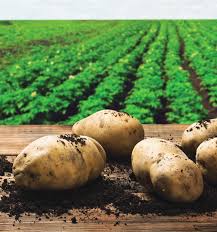
Irrigation is a key factor in potato production, influencing yield and quality. This section explores water requirements, scheduling, and application methods. Effective water management ensures potatoes receive adequate moisture throughout their growth stages, particularly during tuber initiation.
A. Water Requirements
Potatoes require 460–910 mm of water per season, depending on cultivar, soil type, and climate. Factors like relative humidity, solar radiation, and growing season length influence needs. Adequate water supply during tuber initiation and enlargement is critical for high yields.
Light, frequent water applications maintain soil moisture without exceeding field capacity. Overwatering can reduce yield and quality, while soil types vary significantly in water-holding capacity. Understanding these factors ensures efficient water use and healthy crop development.
The effective rooting depth of potatoes is 0.6 m, and soil should not dry below 65% of field capacity. Precise irrigation scheduling, based on soil water potential (cbar=kPa), supports consistent moisture levels across diverse climates and soils.
B. Irrigation Scheduling
1. Timing and Monitoring: Daily water needs increase from emergence to two weeks after row closure, then remain stable until vines mature. Water requirements decline rapidly as plants senesce. Monitoring soil moisture ensures timely irrigation, preventing stress during critical growth stages.
Precise criteria for irrigation scheduling use soil water potential measurements. These are tailored to specific climates and soil types, ensuring optimal water application. Maintaining moisture above 65% field capacity supports healthy tuber development without compromising quality.
2. Rainfed Systems: In rainfed systems, water-use efficiency can be improved by avoiding steep slopes and enhancing soil infiltration. Small ridges in furrows slow water runoff, increasing absorption. Proper soil preparation maximises rainfall retention, supporting consistent crop growth.
In rainfed conditions, soil management practices are crucial. By optimising soil structure and reducing runoff, farmers can enhance water availability, improving yield and quality in areas reliant on natural precipitation.
C. Irrigation Methods
1. Sprinkler Systems: Sprinkler irrigation, including centre pivot and solid set systems, offers flexibility and efficient water application. Adjustable nozzles, pump pressure, and spacing ensure uniform coverage. These systems can also apply fertilisers and pesticides with proper safety devices.
Sprinkler systems are ideal for non-flat fields and provide economic advantages over furrow irrigation. Most irrigated potato fields use sprinklers due to their adaptability and efficiency. Licensed operators ensure safe application of products through these systems.
2. Furrow and Sub-Irrigation: Furrow irrigation suits fields with a slight slope (0.3–1.5%) and row lengths of 182–402 m. Uniform water application prevents runoff and nitrate leaching. Sub-irrigation is effective in porous, level soils where the water table can be raised.
Furrow and sub-irrigation require careful management to avoid uneven moisture distribution. Excessive wet or dry areas can impair crop development, reducing yield and quality. Proper field design and application rates are essential for success.
Frequently Asked Questions
1. Why is fertiliser placement important for potatoes?
Fertiliser placement in planting furrows ensures nutrients reach the potato’s poorly developed root system, promoting early growth and tuber development.
2. How can fertiliser burn be prevented?
Wash fertiliser granules or liquids off foliage immediately after application and split large nitrogen applications into smaller top dressings.
3. When should lime be applied for soil pH correction?
Lime should be applied and ploughed in during the previous season to allow time for neutralising soil acidity due to its low solubility.
4. Why is nitrogen management critical for potatoes?
Nitrogen shortages reduce yields, while excess causes excessive foliar growth, lowering tuber quality and increasing disorders like hollow heart.
5. How much water do potatoes need per season?
Potatoes require 460–910 mm of water, depending on cultivar, soil type, climate, and other environmental factors like humidity and radiation.
6. What is the best irrigation method for potatoes?
Sprinkler systems, like centre pivot, offer flexibility and efficient water application, making them ideal for most irrigated potato fields.
7. How does soil clay content affect nitrogen application?
Soils with higher clay content require less nitrogen early in the season, with guidelines varying by yield potential, as shown in Tables 1–3.
8. Why is phosphorus applied once at planting?
Phosphorus does not leach easily from soil, allowing a single application at or before planting to meet crop needs efficiently.
Do you have any questions, suggestions, or contributions? If so, please feel free to use the comment box below to share your thoughts. We also encourage you to kindly share this information with others who might benefit from it. Since we can’t reach everyone at once, we truly appreciate your help in spreading the word. Thank you very much for your support and for sharing!