


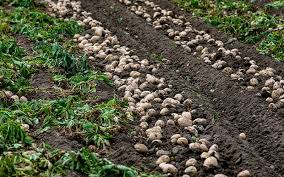
Potato cultivation requires precise fertilisation and irrigation to ensure optimal yield and quality. This article explores the essential methods for applying fertilisers and managing water, focusing on the potato plant’s unique needs due to its poorly developed root system.
Fertiliser Application Methods
Effective fertiliser application is critical for potato growth, given the plant’s limited root system. Proper placement and timing of fertilisers enhance nutrient uptake, supporting tuber development and overall plant health.
A. Placement in Planting Furrows
1. Furrow Application: Fertiliser is mainly applied in planting furrows at the same level as or below seed tubers during planting. This ensures nutrients are accessible to the shallow root system.
2. Planter Equipment: Potato planters should include bins for fertiliser application to streamline the process and ensure accurate nutrient delivery to the root zone.
3. Phosphorus Broadcasting: When phosphorus needs are high, some can be broadcast and mixed into the topsoil, with the remainder applied in furrows alongside nitrogen and potassium.
B. Nitrogen Top Dressings
1. Side Application: Nitrogen top dressings are applied on either side of the plant row, followed by ridging and irrigation to incorporate nutrients effectively.
2. Irrigation Application: Nitrogen can also be applied through irrigation water, ensuring quick nutrient delivery but requiring immediate washing of fertiliser from foliage to prevent scorching.
3. Split Applications: For large nitrogen quantities, splitting into smaller topdressings reduces the risk of fertiliser burn, especially with high-salt-index fertilisers like potassium nitrate.
C. Additional Nutrient Applications
1. Trace Elements: If needed, trace elements can be applied as foliar sprays to address specific deficiencies and support plant health.
2. Gypsum Use: Agricultural gypsum, used to supplement soil calcium, is typically broadcast and incorporated before planting but can also be applied in furrows.
3. Liming for pH Correction: Lime, used to adjust soil pH, should be applied and ploughed in the previous season due to its low solubility and need for time to neutralise soil acidity.
Read Also: 14 Medicinal Health Benefits Of Dalea purpurea (Purple Prairie Clover)
Fertilisation Rates
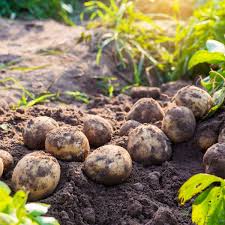
Fertilisation rates must balance nutrient supply with crop needs to avoid deficiencies or excesses that could harm tuber yield and quality. Nitrogen, phosphorus, and potassium are key nutrients for potatoes.
A. Nitrogen Requirements
1. Importance of Nitrogen: Nitrogen is vital for growth, but excess can lead to excessive foliar growth, reducing tuber yield, quality, and causing disorders like hollow heart.
2. Soil-Based Recommendations: Nitrogen fertiliser recommendations are based on yield potential and soil clay content, as soil nitrogen is not typically determined by analysis.
3. Guideline Tables: Tables 1–3 provide nitrogen recommendations for different yield potentials and soil types under rainfed and irrigated conditions, adjustable based on rainfall and cultivar.
B. Phosphorus Needs
1. Role in Plant Growth: Phosphorus supports early root growth and water-use efficiency, and its shortage can impair tuber keeping quality.
2. Soil Analysis-Based: Phosphorus recommendations depend on soil analyses and target yield, with all phosphorus applied at or before planting due to its low leaching risk.
3. Application Timing: Applying phosphorus once at planting ensures sufficient availability throughout the growing season without the risk of nutrient loss.
C. Potassium Considerations
1. Starch and Stomata Regulation: Potassium aids starch deposition and stomata regulation, but excess can cause imbalances with calcium and magnesium, affecting tuber quality.
2. Deficiency Impacts: Potassium deficiencies reduce tuber relative density and crisp colour, impacting quality and marketability.
3. Soil Analysis Limitations: Potassium requirements are not solely determined by soil analysis, requiring careful management to avoid imbalances.
Read Also: 18 Medicinal Health Benefits Of Celtis occidentalis (Hackberry)
Irrigation Management
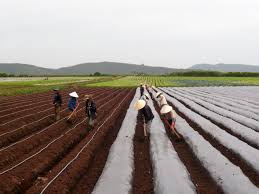
Water management is crucial for potato yield and quality, with irrigation or rainfall needs varying by cultivar, soil type, and environmental factors. Consistent water supply supports all growth stages.
A. Water Requirements
1. Seasonal Water Needs: Potatoes require at least 460 mm of water per season, with some areas needing 760–910 mm depending on soil and weather conditions.
2. Frequent Light Applications: Water should be applied frequently in small volumes to maintain adequate soil moisture, especially during tuber initiation and enlargement.
3. Environmental Influences: Water needs vary with cultivar, humidity, solar radiation, day length, and growing season length, requiring tailored irrigation schedules.
B. Irrigation Scheduling
1. Rooting Depth: Potatoes have an effective rooting depth of 0.6 m, and soil should not dry below 65% of field capacity to avoid stress.
2. Soil Water Potential: Precise irrigation scheduling uses soil water potential (cbar=kPa) criteria, with daily water needs peaking two weeks after row closure.
3. Soil Type Variations: Soil types differ significantly in water-holding capacity, requiring adjustments to irrigation frequency and volume for optimal results.
C. Irrigation Methods
1. Sprinkler Systems: Sprinkler irrigation (centre pivot, solid set, wheel line, hand-move) offers flexibility and efficiency, allowing fertiliser and pesticide application with proper safety devices.
2. Furrow Irrigation: Suitable for fields with a slight slope (0.3–1.5%) and row lengths of 182–402 m, furrow irrigation requires careful application to prevent runoff and nitrate leaching.
3. Sub-Irrigation: Used in peat-like or uniformly porous soils with a controllable water table, sub-irrigation requires level fields to avoid uneven moisture distribution.
Frequently Asked Questions
1. Why is fertiliser placement important for potatoes?
Fertiliser placement in planting furrows ensures nutrients reach the potato’s poorly developed root system, enhancing uptake and supporting tuber development.
2. How does excess nitrogen affect potato crops?
Excess nitrogen causes excessive foliar growth, reducing tuber yield, lowering specific gravity, and potentially causing hollow heart disorder in tubers.
3. When should lime be applied for potato crops?
Lime should be applied and ploughed in the season before planting to allow sufficient time for it to neutralise soil acidity due to its low solubility.
4. What is the minimum water requirement for potatoes?
Potatoes require at least 460 mm of water per season, with some areas needing up to 760–910 mm based on soil and weather conditions.
5. Why is sprinkler irrigation preferred for potatoes?
Sprinkler irrigation offers flexibility, uniform water application, and the ability to apply fertilisers and pesticides, improving efficiency over furrow irrigation.
6. How does soil clay content affect nitrogen fertilisation?
Soil clay content influences nitrogen recommendations, with higher clay soils requiring less nitrogen due to better nutrient retention, as shown in Tables 1–3.
7. What are the risks of phosphorus deficiency in potatoes?
Phosphorus deficiency can lead to poor root growth, reduced water-use efficiency, and lower tuber keeping quality, impacting overall crop performance.
8. How can water-use efficiency be improved in rainfed potato farming?
Efficiency can be improved by avoiding steep slopes, enhancing soil infiltration, and forming small ridges in furrows to slow water runoff.
Do you have any questions, suggestions, or contributions? If so, please feel free to use the comment box below to share your thoughts. We also encourage you to kindly share this information with others who might benefit from it. Since we can’t reach everyone at once, we truly appreciate your help in spreading the word. Thank you very much for your support and for sharing!