


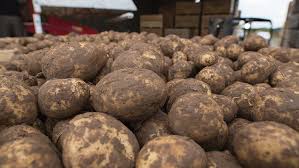
Potatoes are a vital crop requiring careful post-harvest handling to maintain quality and minimize losses. This article outlines key practices for sorting, grading, bruise prevention, storage, and market preparation. Proper techniques ensure potatoes remain valuable for both fresh and processing markets, reducing waste and maximizing returns.
Effective post-harvest handling begins with understanding tuber physiology and environmental factors. Sorting and grading prevent damage, while proper storage conditions extend shelf life. Bruising, a significant issue, can reduce potato value by up to 20%, impacting grower income and product quality.
This guide provides detailed steps for managing potatoes after harvest, focusing on minimizing physical damage and physiological aging. It also covers sprout control and market preparation to meet consumer demands for high-quality potatoes with minimal defects.
By following these practices, growers can optimize potato quality, reduce losses, and enhance marketability. The following sections detail specific techniques, from sorting to storage, ensuring potatoes remain viable for both fresh consumption and processing.
Sorting and Grading
Sorting and grading are critical to maintain potato quality and minimize physiological aging. This section covers techniques to reduce skinning and bruising, manage defoliation, and control soil temperature to preserve tuber quality and ensure optimal seed performance.
A. Managing Physical Damage
Physical damage, like skinning and bruising, accelerates physiological aging of potato tubers. Skinning occurs during harvesting, weakening seed potatoes. Managing tubers to set skin before harvest reduces skinning risks, ensuring better storage and planting outcomes.
Defoliation minimizes disease and virus risks while promoting skin set. However, it exposes soil to sunlight, raising temperatures. Soil temperatures above 3.3–4.4°C after vine-killing increase physiological aging, affecting seed dormancy and tuber yield.
To reduce aging, dig seed potatoes soon after defoliation if young seed is desired. Delayed harvesting increases physiological age, leading to shorter dormancy and more stems per plant. Optimal timing varies by cultivar and requires further study.
B. Defoliation and Harvest Timing
Defoliation, or vine-killing, prevents virus transmission but warms soil, impacting tuber physiology. Early vine-killing results in hotter soils, accelerating aging. Harvesting promptly after defoliation minimizes heat accumulation, preserving seed quality for planting.
In some cultivars, delaying harvest after defoliation promotes skin set, reducing skinning. However, prolonged delays increase physiological aging, affecting dormancy and yield. Balancing disease control, skin set, and aging is critical but not fully studied across cultivars.
Soil temperatures should be monitored closely during harvesting. Avoiding harvests when soil exceeds 4.4°C helps maintain tuber quality. Growers must align defoliation and harvest timing to balance disease prevention with physiological aging concerns.
C. Physiological Aging Factors
High soil temperatures (3.3–4.4°C) post-defoliation contribute to physiological aging. This results in shorter dormancy and increased stems and tubers per plant. For young seed, rapid harvesting after vine-killing is essential to limit heat exposure.
The impact of skinning on seed potato aging is not fully evaluated. Proper skin set before harvest reduces damage, but excessive heat accumulation post-defoliation can counteract benefits. More research is needed to optimize these practices for different potato varieties.
Growers aiming for specific tuber characteristics must consider cultivar-specific responses. Delaying harvest may benefit some varieties by enhancing skin set, but it risks increased aging, affecting storage and planting performance. Careful timing is key.
Read Also: Recommended Equipments and Tools Needed in Snail Farming Business
Potato Bruising
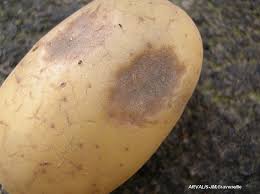
Bruising during harvesting can cause significant economic losses, up to 20% of grower income. This section explores types of bruising, their causes, and factors like soil conditions, tuber health, and harvester operation that influence bruise severity.
A. Types of Bruising
1. Black Spot Bruise: This internal discoloration results from impacts damaging cells beneath the skin without rupturing it. Symptoms appear within 1–3 days, faster in warmer conditions, and are visible only after peeling, with damage up to 6.3 mm deep.
Black spot bruising occurs during handling and is difficult to detect immediately. It reduces potato quality, especially for processing, as discolored areas affect appearance and value. Proper handling minimizes its occurrence, preserving tuber integrity.
2. Shatter Bruise: Caused by mechanical impacts, this bruise splits or cracks the tuber’s surface. Severity depends on cultivar, tuber maturity, turgor, and impact strength. Turgid tubers at low temperatures are most susceptible, leading to visible external damage.
Shatter bruising reduces marketability due to visible cracks. It is more severe in crisp, hydrated tubers, requiring careful handling during harvest. Adjusting harvester settings and timing can reduce the impact, protecting tuber quality and value.
3. White Knot Bruise: Similar to black spot, this bruise affects immature tubers without discoloration. It results from crushed cells, reducing quality. While less visible, it still impacts consumer preference and requires careful handling to minimize.
White knot bruising is challenging to detect but affects tuber quality, especially in young potatoes. Proper harvest timing and gentle handling reduce its occurrence, ensuring potatoes meet market standards for firmness and appearance.
B. Factors Influencing Bruising
1. Soil Condition: Soil moisture between 60–80% of field capacity for loam and sandy soils eases tuber separation, reducing damage. Heavy, dry, or compacted soils increase bruising as harvesters shake more to separate tubers, especially in stony fields.
Soil condition directly affects harvest efficiency. Loose, moist soils minimize tuber damage, while heavy or cloddy soils increase bruising risks. Maintaining optimal moisture levels during harvest reduces stress on tubers, preserving quality and value.
2. Tuber Condition: Fertility, pest control, irrigation, and defoliation timing influence tuber condition. Delaying harvest up to 20 days after vine-killing enhances skin set, reducing bruising. Hydrated tubers are prone to shatter bruise, while dehydrated ones risk black spot.
Tuber condition impacts bruise susceptibility, though relationships are not fully understood. Cultural practices affecting hydration, like irrigation, play a significant role. Mature tubers with set skins resist damage better, requiring strategic harvest timing to optimize quality.
3. Tuber Temperature: Harvest when tuber pulp temperatures are 10–15°C, avoiding below 7°C or above 18°C. Soil temperature lags air temperature, with lows at 9 a.m. and highs at 6 p.m. Harvesting from 11 a.m. to 11 p.m. reduces bruising.
Temperature management is critical for bruise reduction. Harvesting during optimal temperature windows minimizes damage, especially when night temperatures drop below 7°C. Timing harvests to align soil and tuber temperatures enhances tuber quality and reduces losses.
C. Harvester Operation
1. Harvester Settings: Align the harvester blade to deliver tubers onto the primary conveyor, not in front of it. Avoid bed agitation unless necessary for soil separation. Padding and rubber-covered links reduce bruising, as does limiting drop heights to 15 cm.
Proper harvester operation is the primary factor in minimizing bruising. Correct blade alignment and minimal agitation protect tubers during harvest. Using padding and controlling drop heights further reduces damage, ensuring high-quality potatoes for market.
Breakdowns can rush harvesting, increasing bruise risk. Maintaining equipment and operating at steady speeds prevent excessive shaking, which damages tubers. Careful harvester management is essential for reducing losses and maintaining potato value.
Growers must prioritize equipment maintenance to avoid delays. Slow, deliberate harvesting with proper settings minimizes tuber stress. By optimizing harvester operation, growers can significantly reduce bruising, preserving both quality and economic returns.
Read Also: Mechanism of Animal Body Defence against Stress
Storage and Sprout Control

Proper storage and sprout control are essential for maintaining potato quality. This section covers optimal storage temperatures, sprout suppression techniques, and avoiding defects like mahogany browning to ensure potatoes remain viable for planting or processing.
A. Storage Conditions
Store seed potatoes at 3.3–4.4°C after initial curing to minimize respiration, which is lowest at 2.8°C. Temperatures above 4.4°C promote physiological aging and premature sprouting, especially in short-dormancy cultivars, reducing seed quality.
Storing below 2.8°C increases respiration and aging compared to the optimal range. Prolonged storage at 0°C for 20 weeks or more can cause mahogany browning, a reddish-brown internal discoloration with irregular patches, distinct from freezing injury.
Mahogany browning affects tuber quality without freezing, unlike soft, watery tissues from cold damage. Maintaining 3.3–4.4°C ensures seed potatoes remain viable for 5–8 months, suitable for planting season deliveries without compromising quality.
B. Sprout Control
Most potato cultivars have a 60–130-day dormancy period, depending on storage temperature. For extended storage, apply sprout inhibitors like chlorpropham (CIPC), which prevents cell division, or maleic hydrazide (MH), applied to green foliage in the field.
Seed potatoes avoid chemical inhibitors, relying on cold storage at 3.3–4.4°C to remain sprout-free for 5–8 months. This temperature prevents sprouting without chemicals, ensuring seed quality for planting while avoiding issues like premature sprouting.
Processing potatoes stored at these temperatures avoid sprouting but may accumulate reducing sugars, making them unsuitable for processing. Careful temperature management balances sprout control with maintaining tuber suitability for specific market needs.
C. Packaging for Market
Fresh potatoes are packed into consumer packs (113–227 g tubers in 2.3–4.5 kg bags), count cartons, or institutional packs. The most valuable are 227–397 g tubers in 22.7 kg boxes, meeting market demands for size and quality.
Packaging varies by market, with russet potatoes often sorted into three size categories. Proper sorting ensures uniformity, enhancing market appeal. High-quality packaging reduces waste and meets consumer expectations for clean, defect-free potatoes.
Growers must ensure potatoes are graded and packed to meet market standards. Uniform size and quality improve sales, while proper containers protect tubers during transport, maintaining value for both fresh and processing markets.
Market Preparation and Production Schedule
Market preparation and scheduling are crucial for delivering high-quality potatoes year-round. This section covers quality factors, regional harvesting practices, and a production schedule to optimize cultivation and market delivery in South MAIN_TEXT.
A. Quality Factors
High-quality potatoes are clean, uniform, firm, and free of defects like greening, growth cracks, scab, rots, internal black spot, or bruising. Shallow eyes are preferred, as deep eyes and surface defects increase waste, reducing consumer appeal.
In South Africa, potatoes are harvested year-round across regions. About 40% of the main crop is processed, while 60% goes to the fresh table market. Brushing, washing, grading, and packaging ensure potatoes meet market standards.
Quality directly influences consumer preference and sales. Uniform shape, size, and unmarked skin enhance marketability. Avoiding mechanical damage and defects during handling ensures potatoes remain competitive in both fresh and processing markets.
B. Production Schedule
1. Soil Sampling: Conduct soil sampling in January, February, March, April, and October to assess nutrient levels and prepare fields. Regular sampling ensures soil health, guiding fertilization and other cultural practices for optimal potato growth.
Soil sampling is critical for informed cultivation decisions. By identifying nutrient deficiencies early, growers can adjust inputs, ensuring healthy potato development and minimizing issues like poor tuber quality or reduced yields during the growing season.
2. Soil Preparation and Planting: Prepare soil in February, March, April, and October, followed by planting in March, April, May, and October. These activities align with optimal growing conditions, ensuring strong establishment and healthy tuber development.
Timely soil preparation and planting are essential for maximizing yield. Proper timing aligns with favorable weather, reducing stress on young plants and promoting uniform growth, which is critical for both fresh and processing markets.
3. Crop Management and Harvesting: Fertilization, irrigation, pest, disease, and weed control occur from March to May and in October. Leaf sampling extends to November, while harvesting spans April to August, ensuring year-round production and market supply.
Consistent crop management maintains tuber health and quality. Harvesting across multiple months supports continuous supply, with careful timing to avoid temperature extremes, reducing bruising and ensuring potatoes meet market quality standards.
Frequently Asked Questions
1. Why is skinning a concern for seed potatoes?
Skinning during harvest weakens seed potatoes, accelerating physiological aging. Proper skin set before harvesting reduces skinning, ensuring better storage and planting performance.
2. How does defoliation affect potato quality?
Defoliation prevents disease and promotes skin set but warms soil, increasing physiological aging. Harvesting soon after defoliation minimizes aging for young seed potatoes.
3. What causes black spot bruising in potatoes?
Black spot bruising results from impacts damaging cells beneath the skin without rupture. It appears 1–3 days post-impact, reducing quality, especially for processing.
4. How can growers reduce tuber bruising during harvest?
Harvest at 10–15°C tuber temperatures, use proper harvester settings, align blades, add padding, and limit drop heights to 15 cm to minimize bruising.
5. What is the optimal storage temperature for seed potatoes?
Store seed potatoes at 3.3–4.4°C to minimize respiration and prevent sprouting, maintaining quality for 5–8 months until planting season.
6. Why avoid chemical sprout inhibitors for seed potatoes?
Seed potatoes rely on cold storage (3.3–4.4°C) to prevent sprouting without chemicals, ensuring they remain viable for planting without affecting germination.
7. What are the signs of mahogany browning in potatoes?
Mahogany browning causes internal reddish-brown patches from prolonged storage at 0°C. It differs from freezing injury, as tubers remain firm, not watery.
8. How does soil condition affect potato bruising?
Moist, loose soil (60–80% field capacity) eases tuber separation, reducing bruising. Heavy, dry, or stony soils increase damage during harvesting.