


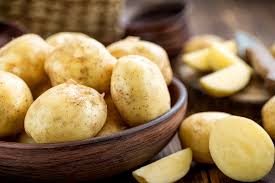
Potatoes are a versatile and nutritious staple, integral to both household and industrial food production. This article explores their culinary uses and nutritional value, detailing how different potato cultivars are selected for specific purposes.
From fresh consumption to processed products, potatoes play a significant role in diets worldwide. Understanding their applications and health benefits enhances their value in culinary and nutritional contexts.
The rise in processed potato products, particularly frozen items, has outpaced the decline in fresh consumption. This shift reflects changing consumer preferences and industry innovations. Potatoes are processed into crisps, frozen French fries, and fresh fries, each requiring specific cultivars to achieve optimal texture and flavor.
Nutritionally, potatoes are a wholesome, low-fat food packed with essential nutrients. They provide carbohydrates, vitamins, and minerals, making them a valuable dietary component. Their versatility in cooking, from salads to baking, ensures they remain a kitchen favorite across cultures.
This guide outlines the best practices for utilizing potatoes in cooking and processing, alongside their nutritional contributions. Whether you’re preparing a home-cooked meal or exploring industrial applications, this article offers insights into maximizing potato use.
Culinary and Processing Applications
This section examines how potatoes are used in culinary and industrial settings, focusing on the selection of cultivars for specific products. It covers the shift toward processed potato products and the role of different cultivars in achieving desired textures for dishes and snacks.
A. Trends in Potato Consumption
The decline in fresh potato consumption has been offset by a surge in processed products. Frozen potato products, such as French fries, dominate the market, reflecting consumer demand for convenience. Canned potatoes, however, remain a small fraction of the total potato market.
This shift highlights the growing popularity of ready-to-eat options. Frozen products offer longer shelf life and ease of preparation, making them a staple in households and restaurants. The industry continues to innovate to meet these evolving preferences.
Approximately 41% of processed potato products are frozen French fries, while crisps account for about 40%. These figures underscore the significant role of processing in the potato industry, catering to diverse consumer needs.
B. Cultivar Selection for Cooking
Potato cultivars are chosen based on their intended use. For household cooking, firm cultivars like BP1 and Vanderplank are ideal for salads because they hold their shape well. These varieties resist breaking, ensuring an appealing texture in cold dishes.
In contrast, the Up-to-Date cultivar is preferred for mashing and baking due to its brittle texture. This cultivar breaks down easily, creating smooth, creamy mashed potatoes or fluffy baked potatoes, perfect for comforting meals.
Selecting the right cultivar enhances the quality of the final dish. Home cooks can achieve professional results by matching potato types to specific recipes, ensuring optimal flavor and consistency.
C. Industrial Processing Applications
1. Crisps Production: In the processing industry, cultivars like Hertha, Pimpernel, Lady Rosetta, Fiana, Crebella, and Erntestoltz are used for crisps. These varieties offer the right starch content and texture for crispy, flavorful snacks, comprising 40% of domestic processed products.
The choice of cultivar is critical for achieving the desired crunch and flavor in crisps. These varieties are bred for uniformity and processing efficiency, ensuring consistent quality in large-scale production.
2. Frozen and Fresh French Fries: Vanderplank, BP1, Up-to-Date, and Hertha are used for frozen French fries, which represent 41% of processed potato products. For fresh French fries, Vanderplank, Buffelspoort, BP1, and Up-to-Date are selected for their ability to fry evenly.
These cultivars ensure fries have a golden, crispy exterior and a soft interior. Their high starch content and specific gravity make them ideal for industrial frying processes, meeting consumer expectations for quality.
Read Also: 14 Medicinal Health Benefits of Arum maculatum (Wild Arum)
Nutritional Quality of Potatoes
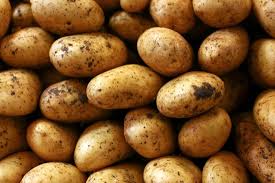
This section explores the nutritional composition of potatoes, highlighting their role as a wholesome, nutrient-rich food. It details their water, carbohydrate, protein, vitamin, and mineral content, emphasizing their health benefits and dietary significance.
A. Composition of Potatoes
Potatoes contain approximately 78% water, 22% dry matter, and less than 1% fat, making them a low-fat food. About 82% of the dry matter is carbohydrate, primarily starch, with some dietary fiber and small amounts of basic sugars.
This composition makes potatoes an excellent energy source. The high carbohydrate content fuels the body, while the low fat content suits health-conscious diets, making potatoes a versatile ingredient in various dishes.
Potatoes are often used in salads, soups, and main dishes, providing a filling base. Their neutral flavor pairs well with diverse ingredients, enhancing their appeal in global cuisines from stews to stir-fries.
B. Protein and Nutrient Content
Although potatoes have only 0.6-1.2% protein by fresh weight, their protein quality surpasses that of cereals or soybeans. This makes them a valuable protein source in plant-based diets, supporting muscle repair and overall health.
Potatoes contain at least 12 essential vitamins and minerals. They are a good source of vitamin C, thiamine, iron, and folic acid, which support immune function, energy metabolism, and cell production, respectively.
The nutrient density of potatoes makes them a wholesome addition to meals. Incorporating them regularly can help meet daily nutritional needs, especially in diets lacking diverse nutrient sources.
C. Antioxidant Properties and Skin Nutrients
1. Antioxidant Benefits: Potatoes are an excellent source of antioxidants, which help combat oxidative stress in the body. These compounds protect cells from damage, potentially reducing the risk of chronic diseases.
Including potatoes in your diet supports long-term health. Their antioxidant properties make them a functional food, contributing to wellness beyond basic nutrition, especially when consumed regularly.
2. Nutrient Location: Most vitamins in potatoes are located just below the skin. Peeling potatoes removes some nutrients, so consuming them with the skin intact maximizes their nutritional benefits.
To retain vitamins, consider cooking methods like roasting or boiling with the skin on. This approach preserves the nutrient-rich layer, ensuring you get the full health benefits of potatoes.
Read Also: 14 Medicinal Health Benefits of Arum maculatum (Wild Arum)
Additional Considerations for Potato Use
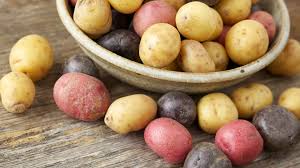
This section addresses practical tips for maximizing potato benefits in cooking and nutrition, focusing on preparation methods and storage to preserve quality. It also highlights the versatility of potatoes in various culinary applications.
A. Cooking Methods to Retain Nutrients
To maximize nutritional benefits, cook potatoes with minimal peeling. Boiling or roasting with the skin on preserves vitamins like vitamin C and folic acid, which are concentrated just below the skin.
Steaming is another effective method to retain nutrients. It minimizes nutrient loss compared to boiling, where water can leach out vitamins. Steaming also maintains the potato’s natural flavor and texture.
Pairing potatoes with healthy ingredients, like olive oil or vegetables, enhances their nutritional profile. For example, a potato salad with greens and a light dressing combines flavor and health benefits effectively.
B. Storage for Quality Preservation
Proper storage extends potato shelf life and maintains quality. Store potatoes in a cool, dark, and well-ventilated place to prevent sprouting and greening, which can reduce nutritional value and flavor.
Avoid refrigerating potatoes, as cold temperatures convert starch to sugar, altering taste and texture. A pantry or cellar with temperatures between 7-10°C is ideal for long-term storage.
Check potatoes regularly for sprouting or spoilage. Removing sprouts and soft spots ensures the remaining potato remains suitable for cooking, preserving both taste and nutritional content.
C. Versatility in Global Cuisines
1. Culinary Flexibility: Potatoes are a staple in many global dishes, from Indian curries to European roasts. Their neutral flavor makes them adaptable to sweet or savory recipes, enhancing their culinary versatility.
This adaptability allows potatoes to fit into diverse diets. Whether mashed, fried, or baked, they absorb flavors well, making them a favorite in both traditional and modern recipes.
2. Processed Product Innovation: The growth in frozen and processed potato products reflects their versatility. Innovations like flavored crisps or pre-cut fries cater to modern lifestyles, offering convenience without sacrificing quality.
Processed products expand potato accessibility. They provide quick meal solutions for busy households, ensuring potatoes remain a dietary staple in various forms across different cultures.
Frequently Asked Questions
1. Why has fresh potato consumption declined?
Fresh potato consumption has decreased due to the rise in processed products like frozen French fries and crisps, which offer convenience and longer shelf life, aligning with modern consumer preferences.
2. Which potato cultivars are best for salads?
Firm cultivars like BP1 and Vanderplank are ideal for salads because they hold their shape and resist breaking, ensuring a pleasant texture in cold dishes.
3. What makes potatoes a nutritious food?
Potatoes are low in fat, high in carbohydrates, and contain essential vitamins like vitamin C, thiamine, and folic acid, plus minerals like iron, making them a wholesome dietary component.
4. Why are certain cultivars used for crisps?
Cultivars like Hertha, Pimpernel, and Lady Rosetta are used for crisps due to their high starch content and texture, which ensure a crispy, flavorful product during processing.
5. How can I retain nutrients when cooking potatoes?
Cook potatoes with the skin on, using methods like steaming or roasting, to preserve vitamins concentrated just below the skin, such as vitamin C and folic acid.
6. What is the main carbohydrate in potatoes?
The primary carbohydrate in potatoes is starch, making up about 82% of the dry matter, providing a significant energy source for the body.
7. How should potatoes be stored to maintain quality?
Store potatoes in a cool, dark, well-ventilated place at 7-10°C, avoiding refrigeration to prevent starch-to-sugar conversion, which affects taste and texture.
8. Why are potatoes considered an antioxidant source?
Potatoes contain antioxidants that combat oxidative stress, protecting cells from damage and potentially reducing the risk of chronic diseases when included in the diet.
Do you have any questions, suggestions, or contributions? If so, please feel free to use the comment box below to share your thoughts. We also encourage you to kindly share this information with others who might benefit from it. Since we can’t reach everyone at once, we truly appreciate your help in spreading the word. Thank you very much for your support and for sharing!