


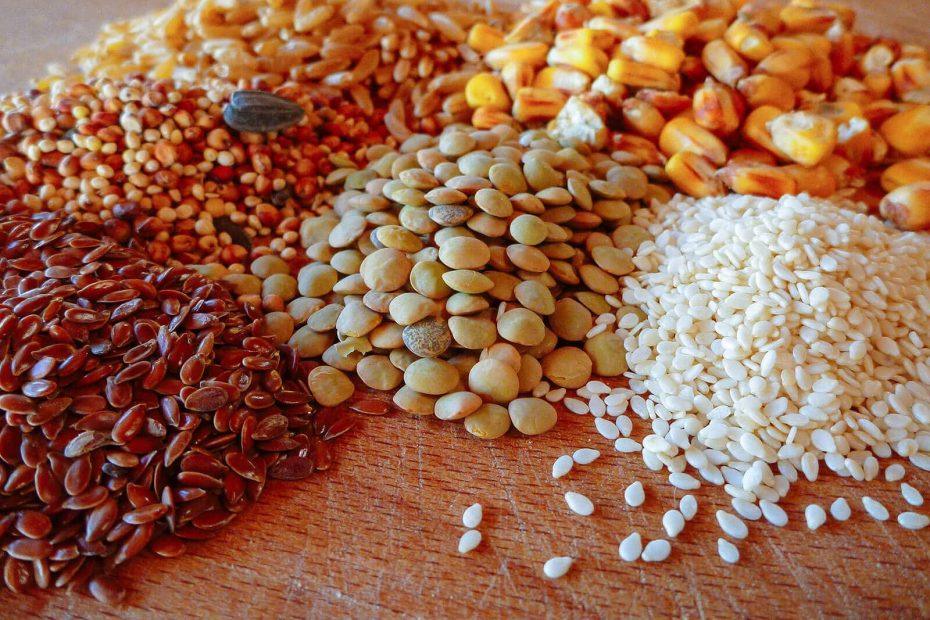
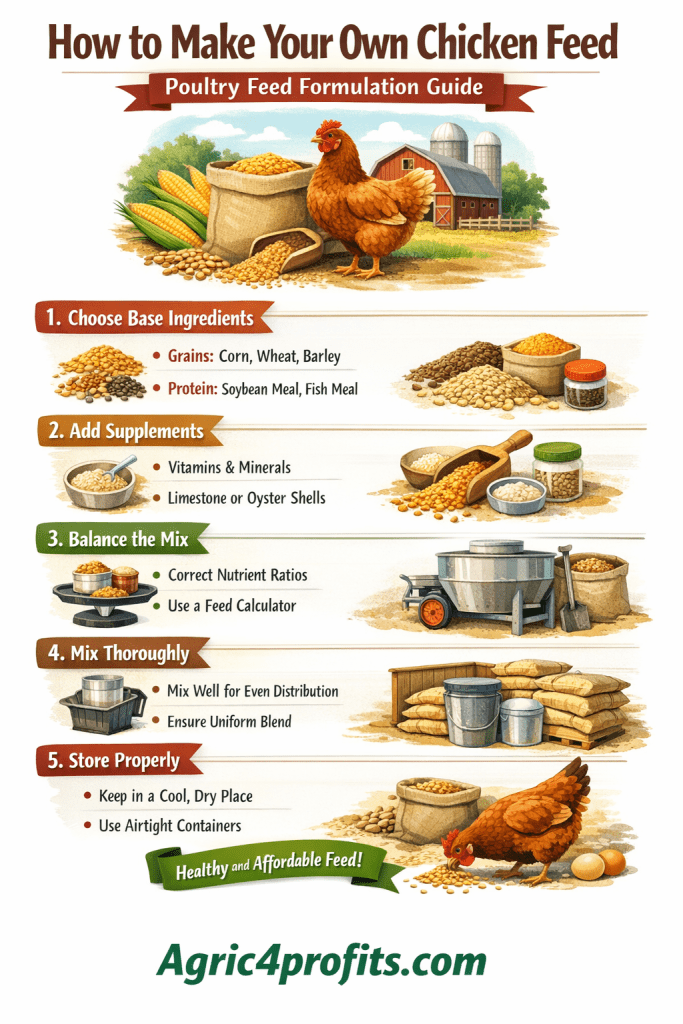
Making your own chicken feed is one of the smartest moves a poultry farmer can make. Feed accounts for between 65% and 75% of total production costs. When you control what goes into your feed, you control both cost and quality. And quality matters because a simple mistake in formulation can be extremely costly once the feed has been mixed and distributed to the birds.
Feed formulation is the process of calculating the right amounts of each ingredient to combine into a single, uniform diet that meets the full nutritional needs of your birds. It requires understanding three things: the nutrient requirements of your specific class of poultry, the nutrient composition of each ingredient you plan to use, and the cost and availability of those ingredients.
Feeds prepared on the farm are often nutritionally richer than commercial alternatives. But the quality of your feed depends entirely on how well the formula is built and how reliable your feed mill is. When choosing a feed mill, prioritize reliability and consistency. Ask experienced farmers in your area for recommendations before committing.
Read Also: When to Feed each Poultry Feed Types to Birds
1. How to Make Your Own Chicken Feed
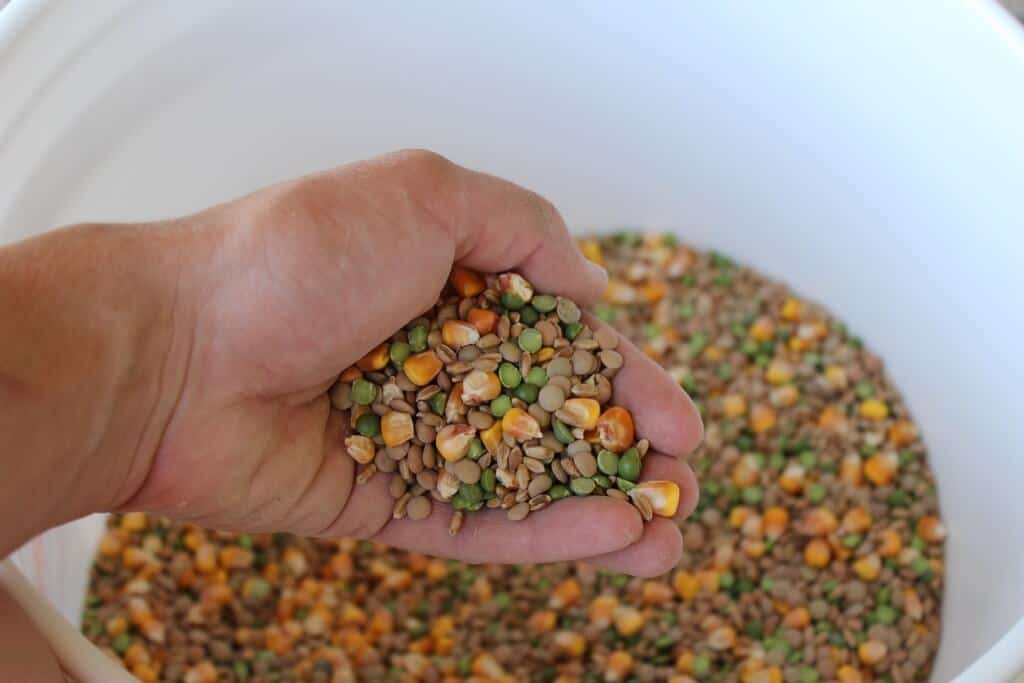
Feed formulation is both a science and a skill. A good formula shows the exact amount of each ingredient and the resulting nutrient concentration in the final diet. The key figures to track are metabolisable energy, protein content, mineral levels, and digestible amino acids. The most important amino acid in poultry feed is methionine, but a complete formula also accounts for lysine, threonine, tryptophan, and other essential amino acids.
Hand formulation methods such as the Pearson Square, are practical for small and medium-scale farms. Modern feed formulation software is available for larger operations. Either way, accuracy is non-negotiable. Once the feed is produced, errors cannot easily be corrected.
2. Broiler Feed Formula (50 kg Bag)
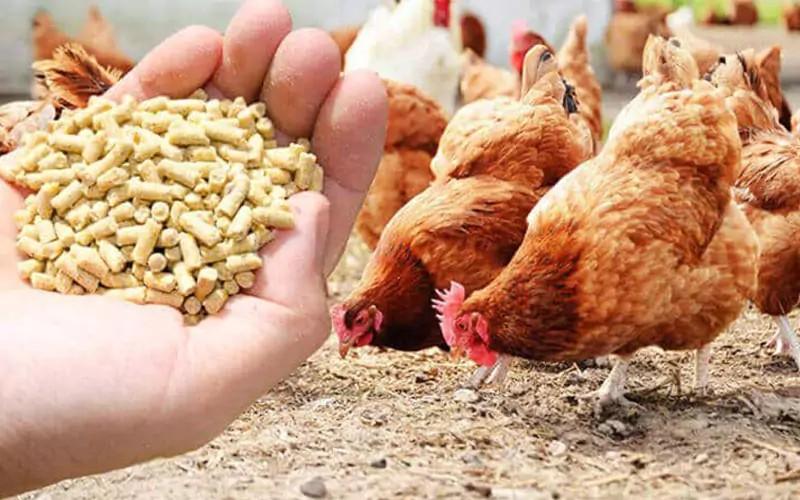
Broilers need different levels of energy and protein at different growth stages. Young broilers require high protein for muscle and feather development. As they grow, energy needs increase and protein needs decrease. Broiler starter feed should contain between 22% and 24% DCP.
A. Broiler Grower Feed (50 kg Bag)
i. Whole maize: 7.2 kg
ii. Maize germ: 11.9 kg
iii. Wheat pollard: 9.5 kg
iv. Wheat bran: 7.2 kg
v. Cotton seed cake: 4.3 kg
vi. Sunflower cake: 3.4 kg
vii. Fishmeal: 2.1 kg
viii. Lime: 1.4 kg
ix. Soya meal: 2.5 kg
x. Bone meal: 45 g
xi. Grower premix: 10 g
xii. Salt: 5 g
xiii. Coccidiostat: 5 g
xiv. Zincbacitrach: 5 g
B. Broiler Starter Feed (Weeks 1 to 4, 50 kg Bag)
i. Whole maize: 28.6 kg
ii. Fishmeal: 8.6 kg
iii. Soya bean meal: 10 kg
iv. Lime: 2.9 kg
v. Premix: 70 g
vi. Lysine: 35 g
vii. Threonine: 35 g
Read Also: How to Prevent the effect of Excess Cold and Excess Heat in a Poultry House
3. Chick Mash Formula (Weeks 1 to 8, 50 kg Bag)
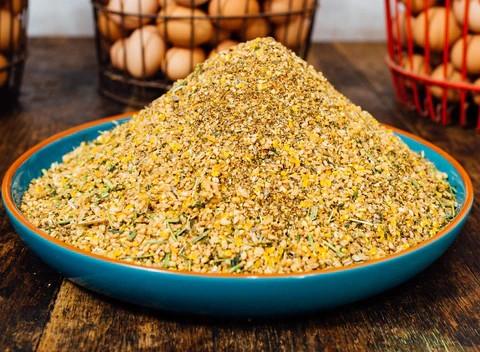
Chicks need feed with a DCP of between 18% and 20%. Amino acids are essential, especially for hybrid chickens, where they support balanced nutrition and fast growth.
i. Whole maize: 22.5 kg
ii. Wheat bran: 6.5 kg
iii. Wheat pollard: 5.0 kg
iv. Sunflower or linseed: 12 kg
v. Fishmeal: 1.1 kg
vi. Lime: 1.25 kg
vii. Salt: 30 g
viii. Premix: 20 g
ix. Tryptophan: 70 g
x. Lysine: 3.0 g
xi. Methionine: 10 g
xii. Threonine: 70 g
xiii. Enzymes: 50 g
xiv. Coccidiostat: 60 g
xv. Toxin binder: 50 g
4. Growers and Layer Mash Formulas
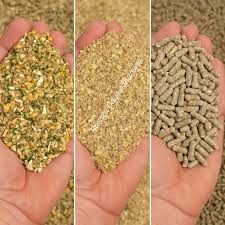
A. Growers Feed
Pullets and young layers need feed with a protein content of 16% to 18%. This supports fast growth and prepares birds for egg production. Provide grit or sand to growers not on free range to aid digestion.
Important: never give layer feed to birds under 18 weeks. The high calcium content can damage young kidneys, cause kidney stones, reduce future egg production, and shorten the bird’s lifespan.
B. Layer Mash (70 kg Bag, 18 Weeks and Above)
Layer feed should contain 16% to 18% DCP. Calcium is critical for eggshell formation. Hens without enough calcium will pull it from their own bones, weakening their skeleton over time.
i. Whole maize: 24.3 kg
ii. Soya: 8.6 kg
iii. Fishmeal: 5.7 kg
iv. Maize bran, rice germ, or wheat bran: 7.1 kg
v. Lime: 4.3 kg
vi. Premix: 180 g
vii. Lysine: 70 g
viii. Methionine: 35 g
ix. Threonine: 70 g
x. Tryptophan: 35 g
xi. Toxin binder: 50 g
5. Important Tips for Making Your Own Poultry Feed
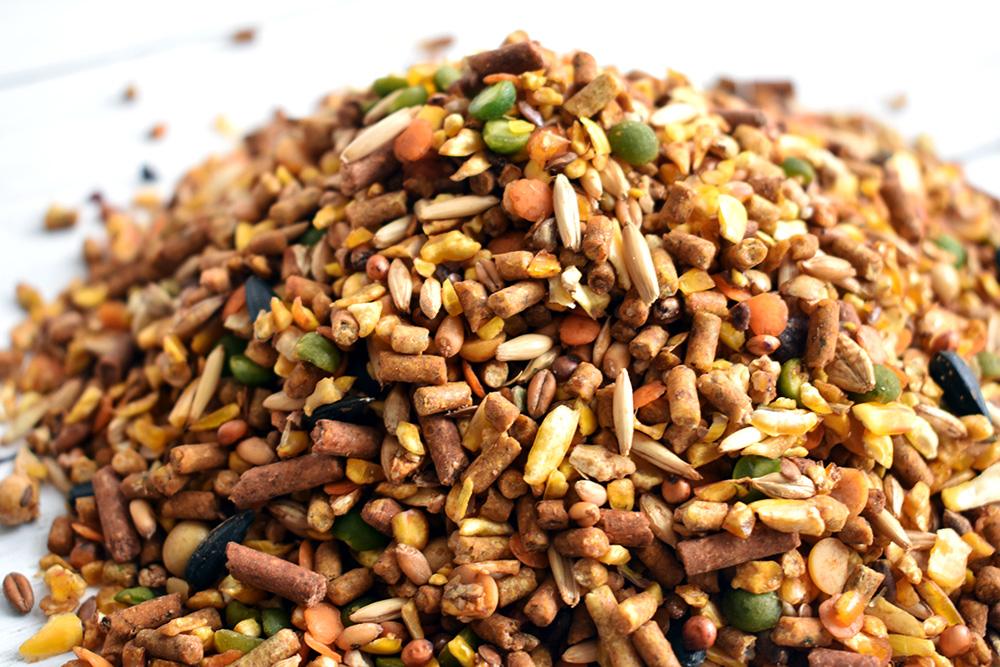
i. Run trials first: Isolate a group of birds, feed them the new ration, and monitor results. Broilers on a good ration grow fast. Layers should produce at least one egg every 27 hours.
ii. Check raw material quality: Poultry are very sensitive to mycotoxins found in poor-quality or rotten grain. Never use rotten maize or any spoiled ingredient in your feed.
iii. Buy fishmeal from reliable sources: Open-air market omena may be contaminated. Source from reputable suppliers only.
iv. Pre-mix micronutrients: Always mix all amino acids and micronutrients before adding them to the bulk ingredients to ensure even distribution.
v. Use a drum mixer: A shovel gives uneven mixing. A drum mixer ensures consistent ingredient distribution throughout the batch. Local welding artisans can fabricate one affordably.
vi. Pool resources: Small-scale farmers can join with neighbors to buy quality raw materials in bulk at lower prices.
vii. Test your feed: Send finished feed samples to an agro-chemical laboratory for nutritional testing to confirm the feed is properly balanced before full deployment.
Summary on How to Make Your Own Chicken Feed
| Topic | Key Points |
|---|---|
| Why Make Your Own Feed | Feed is 65 to 75% of production costs. On-farm formulation reduces cost and improves quality control. |
| What Formulation Requires | Understanding bird nutrient needs, ingredient composition, and ingredient cost and availability. |
| Broiler Starter DCP | 22% to 24%. High protein for muscle and feather development in young birds. |
| Broiler Grower Formula (50 kg) | Maize, maize germ, wheat pollard, wheat bran, cottonseed cake, sunflower cake, fishmeal, lime, soya meal, bone meal, premix, salt, coccidiostat, zincbacitrach. |
| Broiler Starter Formula (50 kg) | Maize, fishmeal, soya bean meal, lime, premix, lysine, threonine. |
| Chick Mash DCP | 18% to 20%. Amino acids essential esp,ecially for hybrid chickens. |
| Chick Mash Formula (50 kg) | Maize, wheat bran, wheat pollard, sunflower or linseed, fishmeal, lime, salt, premix, plus amino acids and additives. |
| Grower Feed DCP | 16% to 18%. Never give layer feed to birds under 18 weeks. |
| Layer Mash DCP | 16% to 18%. High calcium for eggshell formation. Introduced at 18 weeks only. |
| Layer Mash Formula (70 kg) | Maize, soya, fishmeal, bran, lime, premix, lysine, methionine, threonine, tryptophan, toxin binder. |
| Key Tips | Pre-mix micronutrients, use drum mixer, avoid rotten materials, run trials, test finished feed. |
Frequently Asked Questions About How to Make Your Own Chicken Feed
1. Why should I make my own poultry feed?
Feed accounts for 65% to 75% of total production costs. On-farm formulation reduces this significantly and gives you direct control over nutritional quality. Many commercial feeds on the market are substandard and lead to poor bird performance, disease, and losses.
2. What DCP level does broiler starter feed need?
Broiler starter feed should contain between 22% and 24% digestible crude protein. Young broilers need this high protein level to build muscles, feathers, and organs during their fastest growth phase.
3. Why should layer feed never be given to birds under 18 weeks?
Layer feed is high in calcium for eggshell formation. Young birds cannot process this excess calcium properly. Feeding it too early damages their kidneys, can cause kidney stones, reduces future egg production, and shortens their lifespan.
4. Why must micronutrients be pre-mixed before adding to bulk feed?
Micronutrients and amino acids are added in very small quantities. If not pre-mixed, they concentrate in one part of the batch instead of spreading evenly. Some birds would get toxic amounts while others get none at all.
5. What mixer should be used for on-farm feed production?
A drum mixer is the right tool. It ensures even distribution of all ingredients throughout the batch. Mixing with a shovel alone produces an inconsistent product. Local welding artisans can make a drum mixer at a reasonable cost.
6. How do I know if my homemade feed is nutritionally correct?
Take a sample to an agro-chemical laboratory for nutritional testing after production. Also, run experimental trials on a small group of birds before feeding the full flock. Broilers should grow fast and layers should produce at least one egg every 27 hours on a properly balanced ration.
Do you have any questions, suggestions, or contributions? If so, please feel free to use the comment box below to share your thoughts. We also encourage you to kindly share this information with others who might benefit from it. Since we can’t reach everyone at once, we truly appreciate your help in spreading the word. Thank you very much for your support and for sharing!
Read Also: Comprehensive Guide on How to start Cockerel Farming Business