


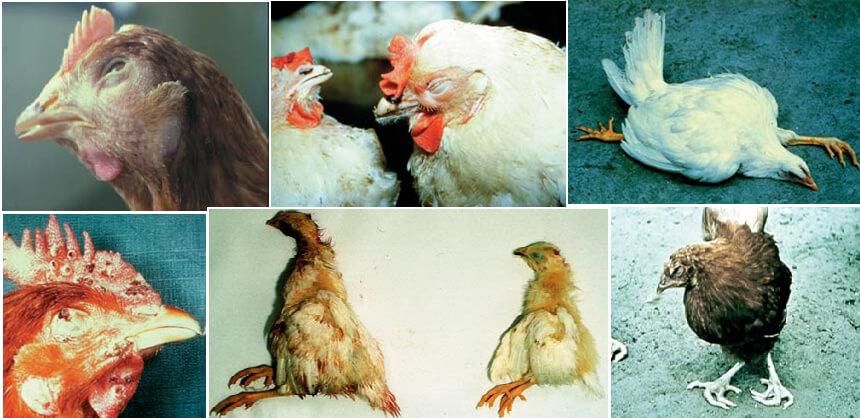
Prevention is better than a cure. This saying matters even more in poultry farming. One disease outbreak can kill your entire flock. So the smart move is to stop diseases before they start. This doesn’t just mean vaccines. It includes many daily practices you need to follow.
1. Keep Everything Clean
Whatever your birds touch or eat needs to be clean. Use disinfectants regularly to kill harmful germs. Keep the farm and the area around it clean. Make sure workers have showers and clean clothes available on the farm.
2. Control Pollution
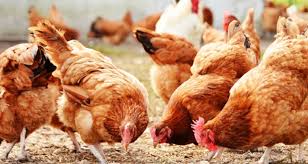
Keep dust and bad smells away from the poultry house. When you notice dusty air or bad odors, it usually means poor ventilation. Bad air flow helps respiratory diseases spread faster.
Read Also: Management Guide for Layers for Better Egg Production
3. Handle Dead Birds and Waste Properly
Don’t throw dead birds or trash around the farm. You need to dispose of dead birds the right way. Here are some methods:
a. Burn them in special incinerators. When done right, these produce almost no smell.
b. Put dead birds in plastic bags, seal them tight, and take them off the farm.
c. Dig disposal pits where bacteria can break down the bodies.
d. Bury them deep enough so dogs, rats, or other animals can’t dig them up.
4. Talk to Other Farmers and Experts
Don’t try to do everything alone. Farmers who refuse to ask for help often face serious disease problems.
Talk to experts like poultry specialists, pathologists, and veterinarians. Do this from the start and keep doing it. They can tell you where to get good chicks, how to build proper housing, and what practices will help your birds perform well.
Getting advice matters whether you’re just starting or you’ve been farming for years. Two heads are better than one.
5. Provide Good Water and Feed
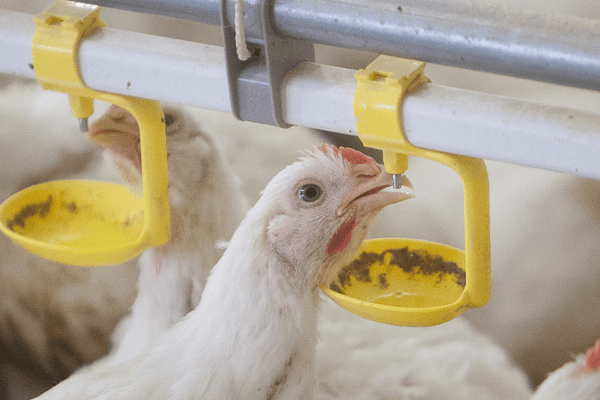
Most water sources have some impurities. This includes tap water, borehole water, and well water. You should test your farm’s water for chemicals and cleanliness.
Don’t use water from nearby streams. People fishing upstream might use chemicals that poison birds. Good feeding keeps birds healthy and productive.
Feed needs to be balanced to prevent nutrition problems. This helps birds handle stress and fight off diseases.
Check your feed for rotten material, moldy grains, poisonous weeds, and anything else that could cause trouble.
6. Vaccinate Your Birds
Any good disease prevention plan includes vaccines. Some diseases spread fast even when you manage everything perfectly. These are usually bacterial or viral diseases.
You prevent them by vaccinating your birds on schedule. There are many vaccines and vaccination schedules out there.
One suggested program works for layers and broilers in the Zaria area. But this is just a guide. Ask your local veterinarian what works best in your area.
7. Do Post-Mortem Exams
This means finding out why a bird died. It involves checking the body and running lab tests. A trained person should do this.
What you learn helps you change your management practices. This prevents similar problems in the future.
8. Control Parasites and Predators
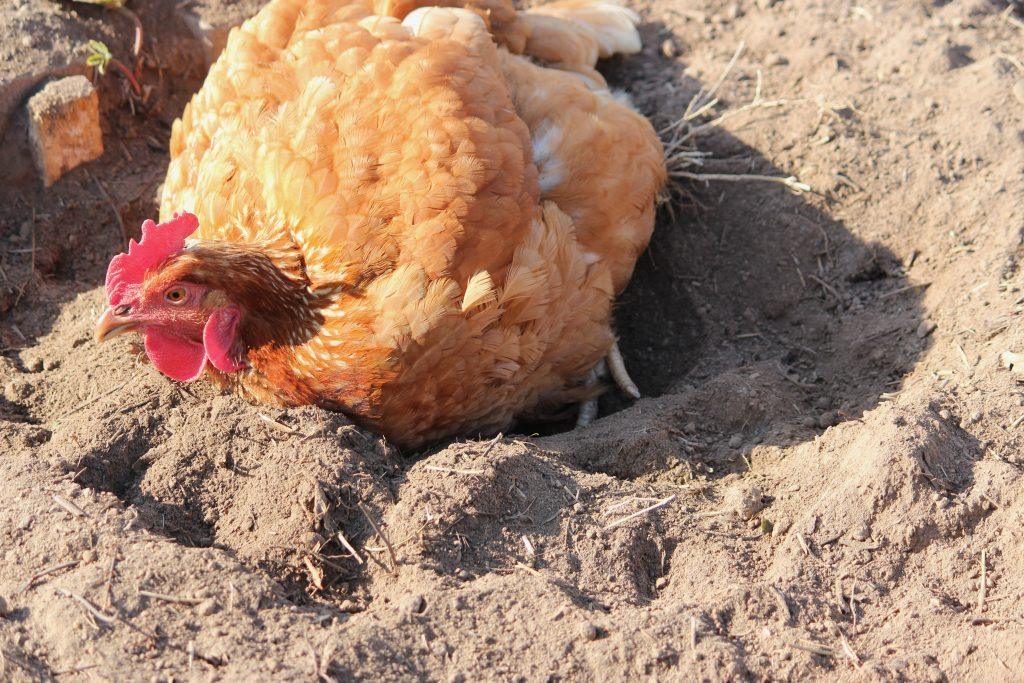
If you see external parasites on birds or rodents in the house, your management isn’t good enough. These pests bother the birds. Heavy infestations hurt performance badly.
The three main external parasites are lice, ticks, and mites. They live in the feathers all over the body. Some eat feathers or scales. Others bite or suck blood. You can use chemicals like Malathion, carbaryl (Sevrin), Coumaphos, Rabon, and Vetox to control them.
Rats and mice eat and destroy feed and bags. They spread diseases and cause problems. To control rodents well, clean up everything and use baits like warfarin, zinc phosphide, Epi Block, and Havoc.
9. Other Prevention Steps
Start with good-quality chicks. Don’t mix birds of different ages or from different farms. Keep visitors out of the poultry house. When you find sick birds, separate them right away and get a vet. Keep birds comfortable and avoid sudden changes that cause stress.
Read Also: Poultry Breeders Proper Management Guide
Summary on Poultry Disease Prevention
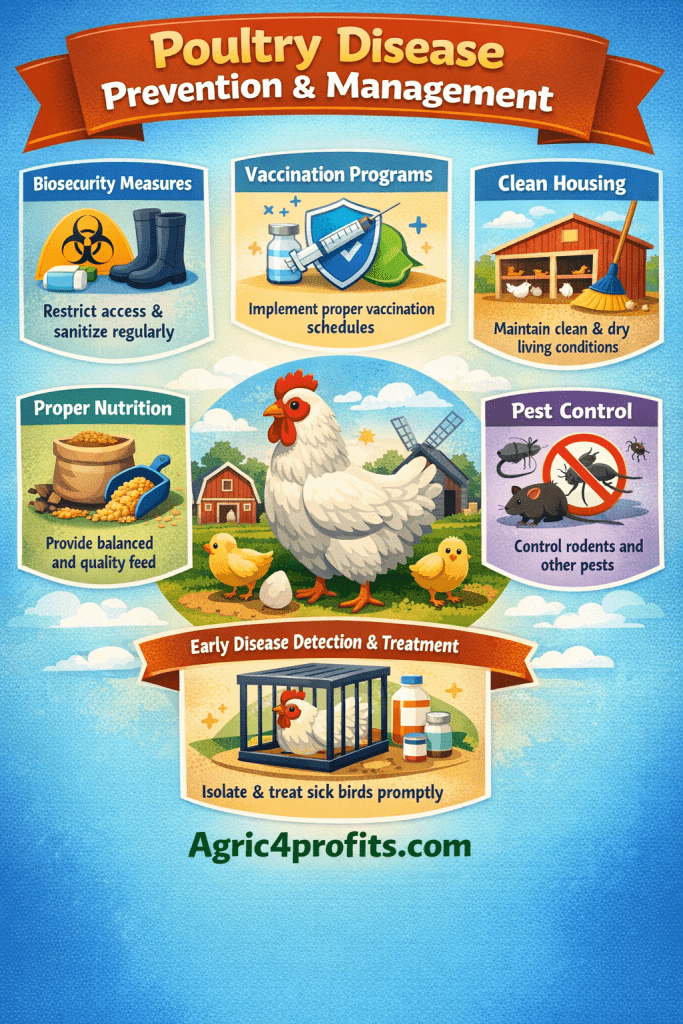
| Topic | Key Points |
|---|---|
| Cleanliness | Keep everything birds touch clean, use disinfectants regularly, maintain farm hygiene, provide clean clothes and showers for workers |
| Pollution Control | Prevent dust and bad odors, ensure good ventilation to stop respiratory diseases |
| Dead Bird Disposal | Use incinerators, plastic bags, disposal pits, or deep burial |
| Expert Consultation | Work with poultry specialists, veterinarians, and experienced farmers for guidance |
| Water and Feed | Test water quality, avoid streams, use balanced feed, check for contaminants |
| Vaccination | Follow a vaccination program for bacterial and viral diseases |
| Post-Mortem Exams | Have trained professionals find the cause of death to improve management |
| Parasite Control | Use chemicals to control lice, ticks, and mites; use baits for rodents |
| Other Measures | Start with quality chicks, separate age groups, restrict visitors, isolate sick birds, avoid stress |
Frequently Asked Questions About Poultry Disease Prevention
1. Why is disease prevention more important than treatment in poultry farming?
Disease outbreaks can wipe out entire flocks quickly. Prevention costs less than treatment and keeps your birds productive. Once the disease spreads in a flock, it’s hard to control.
2. How often should I disinfect my poultry house?
Disinfect regularly based on your farm’s needs. Most farmers do it weekly or when they clean out a batch of birds. High disease risk areas need daily or every other day disinfection.
3. What are the signs of poor ventilation in a poultry house?
Look for dusty air, bad smells, condensation on walls, and birds breathing with their mouths open. If you notice these, improve your ventilation right away.
4. Can I use stream water for my poultry farm?
No, avoid streams. Chemicals from fishing or farming upstream can poison your birds. Use tested borehole water, well water, or treated tap water instead.
5. How do I know if my birds need vaccination?
All commercial poultry need basic vaccinations. Your local veterinarian can give you a schedule based on common diseases in your area. Follow it from day one.
6. What should I do immediately when I find a dead bird?
Remove it quickly to prevent disease spread. Dispose of it properly through burning, bagging, or burial. If you see many deaths, call a veterinarian for a post-mortem examination.
7. How can I tell if my birds have external parasites?
Watch for birds scratching often, damaged feathers, restlessness, and reduced egg production. Check feathers and skin for tiny moving insects or red spots.
8. Is it safe to visit other poultry farms?
Limit farm visits because you can carry diseases on your clothes and shoes. If you must visit, change clothes and disinfect boots before entering your own farm.
9. Can I mix old birds with new chicks?
No, don’t mix different age groups. Older birds carry diseases that don’t affect them but can kill young chicks. Keep age groups separate.
10. What’s the best way to control rodents on a poultry farm?
Start by removing trash and spilled feed that attracts them. Then use baits like warfarin or zinc phosphide in bait stations. Keep checking and replacing baits regularly.
Do you have any questions, suggestions, or contributions? If so, please feel free to use the comment box below to share your thoughts. We also encourage you to kindly share this information with others who might benefit from it. Since we can’t reach everyone at once, we truly appreciate your help in spreading the word. Thank you very much for your support and for sharing!
Read Also: The Ultimate Step-by-Step Guide to Vegetable Gardening