


Poultry equipment is one of those areas where small decisions have a big impact on profitability. The feeders you choose, how you use them, and how well you maintain them all affect how much money you make at the end of each production cycle.
Feed wastage alone can turn a profitable operation into a losing one. Getting equipment selection and maintenance right is not complicated, but it requires consistent attention.
Food troughs should never be overfilled. This is one of the most common and costly mistakes in poultry management. When troughs are too full, birds scratch and toss feed onto the floor where it gets contaminated with litter and droppings.
Birds won’t eat it after that, and it becomes pure loss. Similarly, tube feeders should not be opened too widely. The feed level in the pan should be controlled so birds can access it easily without scattering it.
The design of feeding equipment matters more than most farmers realize. Well-designed troughs have anti-scratch lips, proper depth, and the right dimensions for the age of the birds using them.
Some trough designs on the market reduce feed spillage by up to 20%. That single improvement can have a measurable effect on your feed conversion ratio and monthly costs.
Drinkers are equally important. Birds need clean, fresh water available at all times. The type of drinker, its size, and how you maintain it all affect water quality and therefore, bird health. Contaminated water is a common route for disease to spread through a flock.
Space requirements for both feeders and drinkers must match the age and number of birds in your house. Too little feeder space means some birds get pushed out and don’t eat enough. This creates uneven growth and reduces flock uniformity, which is a problem at slaughter time for broilers and during peak lay for layers.
Poultry has proved to be a particularly versatile domestic bird that adapts to almost all environments and production systems.
This flexibility is one of the reasons it remains the most widely farmed animal globally. Whether you’re running a small backyard flock or a commercial operation with thousands of birds, the principles of equipment selection and maintenance stay the same. Scale changes. Principles don’t.
In a tropical environment, the design and construction of poultry houses must account for climatic and weather conditions. High temperatures and humidity put extra demand on ventilation and water systems. Equipment choices that work in temperate climates may perform differently under tropical conditions.
The guiding principle is to keep poultry productive throughout their productive life. This means providing optimum conditions of temperature, humidity, ventilation, and light.
Equipment plays a central role in delivering those conditions. A well-chosen and well-maintained watering system ensures birds drink enough. A properly designed feeding system ensures they eat what they need without wasting it.
Cost and durability also matter when selecting equipment. Poultry equipment should be structurally strong, long-lasting, and reasonably priced.
Cheap equipment that breaks frequently or requires constant replacement costs more in the long run. Quality equipment paid for once, maintained well, and used across multiple flocks is the better investment.
This guide covers what to look for when selecting feeders and drinkers, the space requirements for different ages of birds, and the maintenance practices that keep your equipment working properly and your birds healthy.
1. Feeder and Drinker Selection Requirements
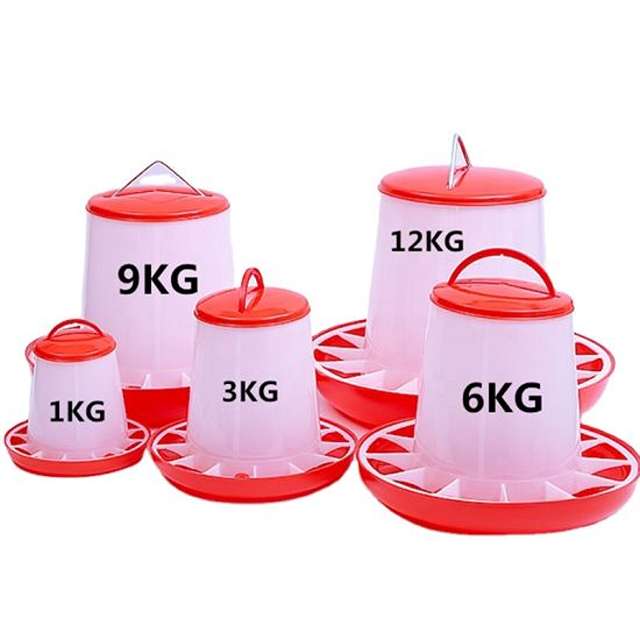
Not all feeders and drinkers are equal. When selecting equipment for your operation, evaluate each piece against these practical criteria before buying.
i. Stability: It should be impossible to tilt over. Birds are clumsy and active. They’ll walk on, peck at, and bump into equipment constantly. A feeder or drinker that tips easily wastes feed or water and creates wet litter problems around drinkers.
ii. Adequate size and depth: The trough must be deep enough to hold feed without spilling but not so deep that birds can’t reach it easily. Depth requirements change as birds grow. Young chicks need shallow equipment they can access comfortably. Older birds need larger, deeper troughs.
iii. Discourages scratching: Birds instinctively scratch at feed. Equipment designed with anti-scratch lips, proper trough depth, and correct fill levels significantly reduces how much feed ends up on the floor. This directly affects your feed conversion ratio.
iv. Bird safety: Equipment must not cause injury to the bird. Sharp edges, rough wire, or poorly finished surfaces can cut feet, damage beaks, or injure eyes. Inspect equipment carefully before introducing birds, especially young chicks.
v. Affordable and locally constructible: Equipment should be cheap enough to make economic sense and ideally available locally so you can replace or repair it without long delays. Local fabrication also means you can get custom sizes for your specific setup.
vi. Full access for birds: Equipment must allow every bird full access and not limit feed or water intake. If birds crowd around one small feeder, dominant birds eat well and subordinate ones don’t. This creates size variation in the flock and production inconsistencies.
2. Floor Space and Trough Space Requirements
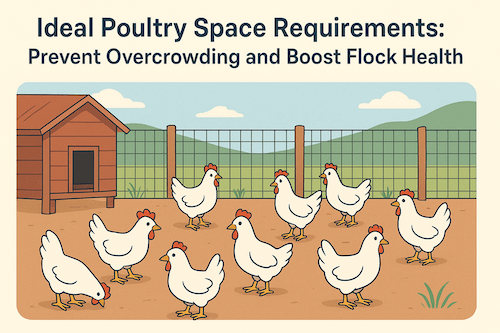
Matching feeder and floor space to your bird numbers and ages is not optional. It’s one of the most direct ways to maintain flock uniformity and prevent competition-related problems.
Table: Floor Space and Trough Space Requirement per 100 Chicks
| Age (Weeks) | Floor Space (m²) | Trough Space (m) |
|---|---|---|
| 0-4 | 4 | 1.5 |
| 5-8 | 9 | 3.0 |
| 9-20 | 12 | 6.0 |
These numbers tell you two important things. First, birds need progressively more space as they grow. Crowding reduces feed access, increases stress, and raises disease risk. Second, through space grows faster than floor space. By weeks 9-20, you need four times more trough space than in the first four weeks. Failing to expand feeding space as birds grow is one of the most common causes of poor flock uniformity.
Read Also: Extensive System/Free Range Poultry Production System
Maintenance of Poultry Equipment
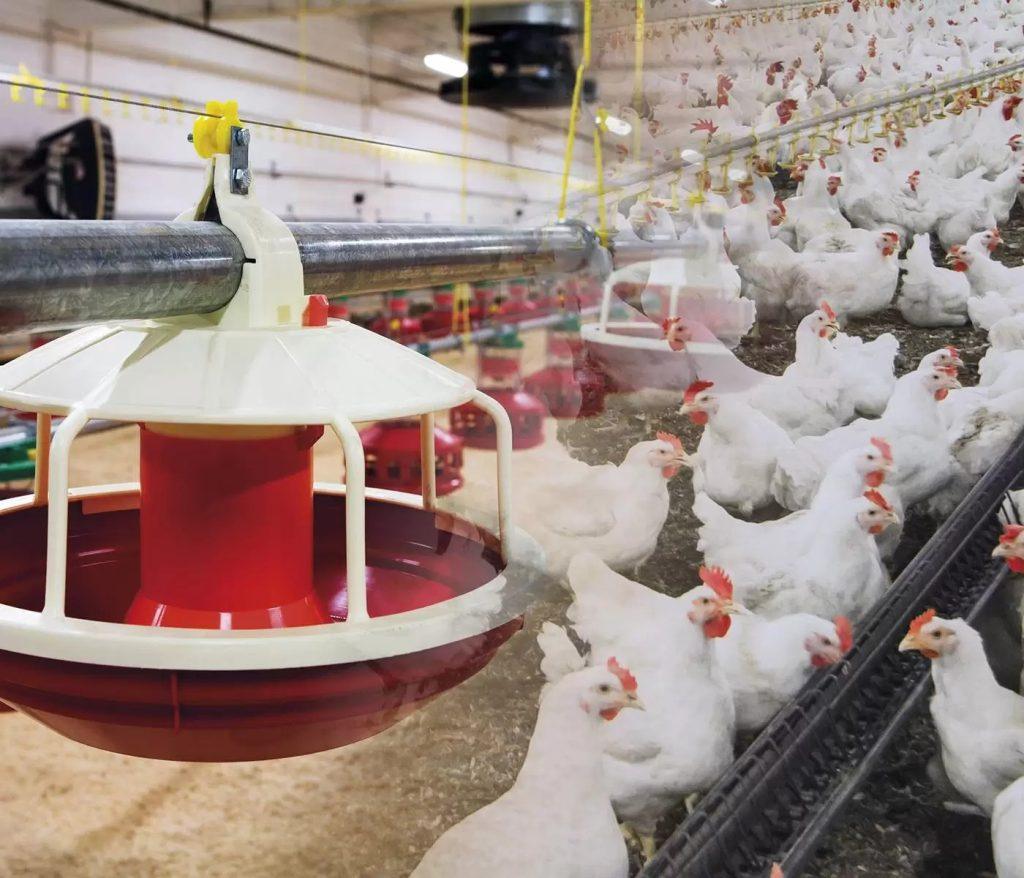
Equipment maintenance is where many farmers cut corners and pay for it later through disease outbreaks, poor feed conversion, and reduced production. A proper maintenance routine is not complicated, but it needs to be consistent.
1. Daily Cleaning of Feeders and Drinkers
In a deep litter system, feeders and drinkers should be cleaned and emptied every day. This is not optional. Feed left sitting in troughs overnight becomes stale and can develop mold. Water left in drinkers collects algae, bacteria, and dust. Birds drink less when water is stale or contaminated, which directly reduces feed intake and production.
Empty the drinkers, rinse them out, and refill with fresh water daily. Check feeders for wet or caked feed and remove it. Clean feed residue from all surfaces before adding fresh feed.
2. Thorough Periodic Cleaning and Disinfection
Beyond daily cleaning, equipment needs periodic deep cleaning using soap and water. Where possible, use disinfectants to kill pathogens that regular washing misses. After washing and disinfecting, allow the equipment to dry completely before returning the birds to it.
Direct sunlight is a free and effective disinfection tool. After washing, leave the equipment in full sunlight for several hours. UV rays from the sun kill many bacteria and viruses. This step costs nothing and adds an extra layer of biosecurity.
Between flocks, all equipment should go through a complete clean-out. This includes removing all feed residue, washing with detergent, disinfecting with an approved product, rinsing, and drying thoroughly before the next flock arrives.
Read Also: Reasons and Guidelines for Providing Suitable Housing for Poultry
Key Principles for Poultry Housing and Equipment
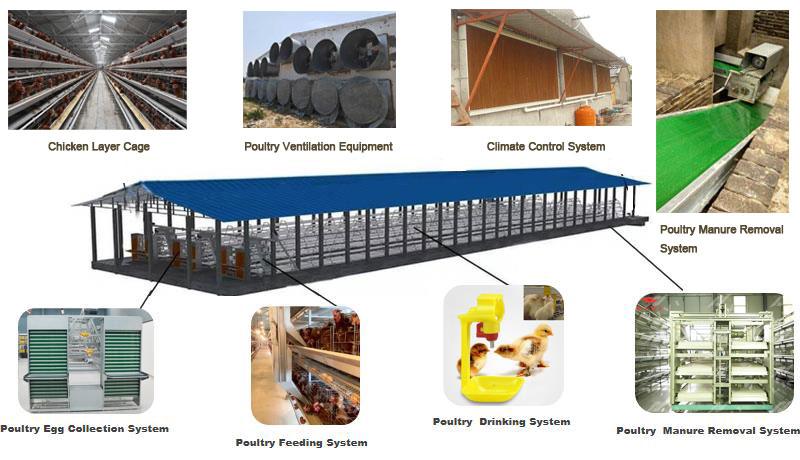
Getting equipment right connects directly to how well your housing works. The two go together. Equipment placed in a poorly designed house doesn’t perform as well as it would in a properly built one.
In tropical environments, house design must account for high temperatures and humidity. Ventilation keeps temperatures manageable. Equipment choices should support this. Water systems that deliver cool, fresh water matter more in hot climates. Feeders that reduce litter contamination reduce moisture-related problems in the litter.
Poultry production gives farmers the flexibility to decide which production system suits them based on capital, skills, and goals. The equipment you choose should match your production system. Battery cage systems use different equipment than deep litter floor systems. Free-range operations need different drinker placement and protection. Each system has its own equipment logic.
The goal stays the same regardless of the system. Keep birds productive throughout their producing life by providing optimum conditions of temperature, humidity, ventilation, light, feed, and water. Equipment is the delivery mechanism for most of these conditions.
Summary on Poultry Equipment Requirements and Maintenance
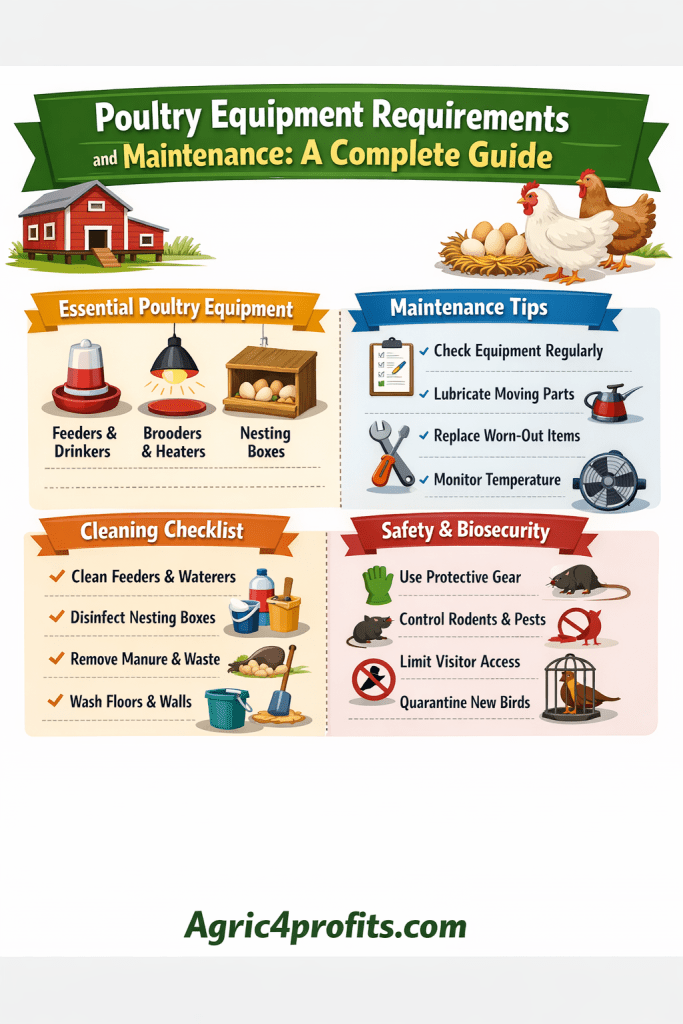
| Aspect | Key Points |
|---|---|
| Feeder Fill Level | Never overfill troughs; don’t open tube feeders too wide |
| Feed Wastage Impact | Proper equipment can reduce spillage by up to 20%; wastage turns profit into loss |
| Equipment Stability | Must not tilt over when birds walk on or bump into it |
| Equipment Safety | No sharp edges or rough surfaces that can injure birds |
| Size and Access | Must allow every bird full access without limiting intake |
| Floor Space (0-4 weeks) | 4 m² per 100 chicks |
| Floor Space (5-8 weeks) | 9 m² per 100 chicks |
| Floor Space (9-20 weeks) | 12 m² per 100 chicks |
| Trough Space (0-4 weeks) | 1.5 m per 100 chicks |
| Trough Space (5-8 weeks) | 3.0 m per 100 chicks |
| Trough Space (9-20 weeks) | 6.0 m per 100 chicks |
| Daily Maintenance | Empty and clean feeders and drinkers daily in deep litter systems |
| Deep Cleaning | Use soap, water, and disinfectant periodically; dry fully before reuse |
| Sun Disinfection | Place cleaned equipment in direct sunlight for free UV disinfection |
| Between-flock Cleaning | Complete clean-out of all equipment before next flock arrives |
| Cost Principle | Equipment should be strong, durable, and affordable |
Frequently Asked Questions About Poultry Equipment Requirements and Maintenance
1. How full should I fill feed troughs?
Fill troughs to about one-third capacity. This is enough to give birds easy access without them being able to scratch and toss feed onto the floor. A common guideline is that feed should not be deeper than half the trough depth. Check and refill as needed rather than topping up too full at once. Tube feeders should be adjusted so the pan holds only what birds will consume in a short period, minimizing spillage.
2. How often should I clean drinkers?
Every day, without exception. Drinkers collect droppings, dust, and feed debris quickly, especially in floor systems. Bacteria multiply fast in warm water, particularly in tropical climates. A drinker who looks clean can still carry harmful bacterial loads. Rinse and refill with fresh water daily. Do a thorough scrub with a brush and detergent at least every few days, and disinfect weekly or more often if disease risk is elevated.
3. What’s the best way to reduce feed wastage?
Start with the trough design. Anti-waste lips on troughs prevent birds from billing feed out onto the floor. Control the fill level carefully. Position feeders at the right height, which should be at the bird’s back level. Adjust feeder height as birds grow. Use tube feeders set correctly for bird size. Reduce stocking density if birds are crowded around feeders. Monitor feed wastage by checking what falls onto the litter around feeders.
4. What happens when birds don’t have enough feeder space?
Dominant birds get the most feed access. Subordinate birds get pushed out during peak feeding times and consume less than they need. This creates variation in body weight across the flock. In broilers, this means uneven growth and problems at slaughter. In layers, it means some birds don’t reach optimal body condition for peak production. Always match the trough space to the number of birds in your house using the recommended guidelines.
5. Can I make my own feeders and drinkers locally?
Yes, and for small-scale operations this can be very cost-effective. Locally made feeders from metal sheets or PVC pipe are common and work well. The key is ensuring they meet the basic requirements: stable, safe, the right depth, and discourages scratching. Local fabrication also makes repairs and replacements faster and cheaper. For larger commercial operations, commercial equipment usually provides better consistency and lower long-term maintenance costs.
6. Why is equipment disinfection important between flocks?
Pathogens from the previous flock can survive on equipment surfaces for days to weeks. Salmonella, Mycoplasma, Newcastle disease virus, and many other organisms can persist in feed residue, moisture, and organic matter. The next flock arrives with no immunity to these pathogens. Clean equipment breaks this cycle. Disinfection kills organisms that survive washing alone. Skipping this step is one of the most common reasons farms experience recurring disease problems flock after flock.
7. How does equipment choice affect tropical poultry farming differently?
In tropical climates, heat and humidity accelerate bacterial growth in feed and water. Equipment that allows water to stagnate creates more disease risk than it would in cooler climates. Nipple drinkers are often better than open troughs in tropical conditions because they keep water cleaner. Feeders that minimize litter contamination reduce moisture-related problems. Equipment made from materials that handle humidity without rusting or warping performs better. Maintenance frequency may need to increase in hot, wet seasons.
8. When should I increase the trough space as birds grow?
Follow the table recommendations strictly. At 0-4 weeks, 1.5 meters of trough space per 100 chicks is adequate. By 5-8 weeks, you need double this. By 9-20 weeks, you need four times the starting amount. Many farmers keep the same equipment in place without expanding, and performance drops as a result. Plan equipment expansion as part of your production schedule so the upgrade happens before birds are competing for limited space.
9. What should I look for when inspecting new equipment before use?
Check for sharp edges on metal equipment, particularly cut edges, welds, and corners. Look for rough surfaces that could trap bacteria or injure bird feet. Check stability by trying to tip it. Verify that the trough depth is appropriate for the age of the bird that will use it. Test drinkers to ensure they flow properly and don’t drip (wet litter problems start with leaking drinkers). Confirm that all mechanisms work smoothly and that the equipment is easy to clean.
10. How does poor equipment maintenance affect profitability?
Feed wastage from poorly managed feeders adds up fast. If you’re wasting 5% of feed through spillage on a 1000-bird flock, that’s a high monthly cost that goes straight to loss. Contaminated water from poorly maintained drinkers leads to disease, reduced feed intake, and production drops. Dirty equipment between flocks means higher disease risk in the next batch, potentially requiring medication costs and causing production losses. Clean, well-maintained equipment isn’t just hygiene. It’s a direct contributor to your bottom line.
Do you have any questions, suggestions, or contributions? If so, please feel free to use the comment box below to share your thoughts. We also encourage you to kindly share this information with others who might benefit from it. Since we can’t reach everyone at once, we truly appreciate your help in spreading the word. Thank you very much for your support and for sharing!
Read Also: Anatomy of Fishes: Female Fish and their Reproductive Strategies