


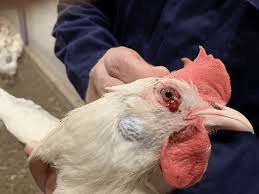
Many poultry diseases show symptoms on the outside of a bird, but some of the most important diagnostic information can only be found by examining what is happening on the inside. A responsible poultry farmer who takes the time to learn basic post mortem examination can identify disease conditions earlier, respond faster, and work more effectively with a veterinarian when professional help is needed.
Conditions like chronic respiratory disease, wet pox, round heart disease, and fungal infections all leave visible signs in internal organs that a trained eye can recognize. The heart may be swollen beyond its normal size. The crop lining may be thickened and rough. The liver may be covered in a yellowish membrane. These internal clues help confirm what is affecting the flock and guide the right treatment decision.
This does not replace the role of a veterinarian. Poultry health experts are trained to diagnose disease accurately, prescribe appropriate drugs, and advise on management changes. What post mortem examination gives a farmer is better context, earlier warning signals, and more useful information to share with a vet when a problem arises.
Beyond post mortem examination, internal parasites represent one of the most common and economically damaging threats to poultry health. Worms and protozoa live inside birds, often without obvious signs until the infestation becomes severe. Understanding what these parasites are, how they spread, and how to manage them is essential knowledge for any serious poultry farmer. This guide covers both post mortem examination techniques and the key internal parasites that affect poultry flocks.
1. Post Mortem Examination: Equipment and Preparation
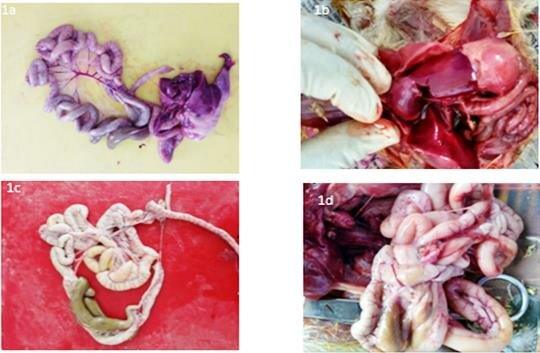
Before examining a bird internally, the right tools and hygiene standards must be in place. Working without proper equipment or sanitation risks spreading disease and producing unreliable results.
A. Essential Equipment
i. Operation table: A clean, flat, stable surface dedicated to examination. It should be easy to disinfect before and after each use to prevent cross-contamination between birds or sessions.
ii. Operation light: Adequate lighting is essential for seeing organ color, texture, and structural changes clearly. Poor lighting leads to missed findings and inaccurate assessments.
iii. Straight scissors: Used for making clean cuts along the body cavity and organs. Sharp, straight scissors reduce tissue damage and give a cleaner examination view.
iv. Curved scissors: Useful for cutting around structures where a straight line is not practical. Curved scissors allow better access to organs like the trachea and intestines.
v. Drugs and disinfectants: Keep disinfectants on hand for sanitizing tools and the examination area before and after each bird is examined. Strict sanitation is non-negotiable during any internal examination.
2. How to Conduct a Post Mortem Examination
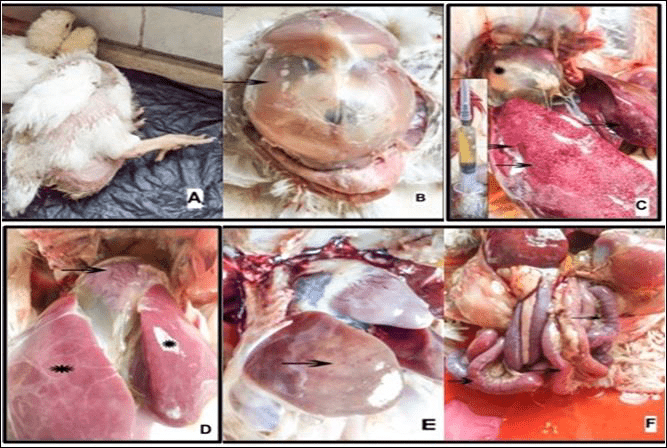
A systematic approach to post mortem examination ensures no organ is overlooked and reduces the risk of misidentifying which system is affected by disease.
A. Step-by-Step Examination Procedure
i. Opening the bird: Begin by cutting from both sides of the mouth down to the anus. Take care not to disturb or misplace any internal organ during this step. Once open, wash the internal cavity and examine each organ carefully and individually.
ii. Mouth: Examine the mouth thoroughly for any signs of wet pox disease, which typically presents as yellowish plaques or lesions on the mucous membranes inside the oral cavity.
iii. Trachea: Cut the trachea lengthwise and open it fully. Look for the presence of mucus, blood, or physical injury caused by disease. Mucus buildup in the trachea is a common sign of respiratory infection.
iv. Crop: Cut the crop into two equal parts. In a bird suffering from fungal infection, the inner lining of the crop will appear thickened and rough, a sign of tissue damage caused by the disease organism.
v. Liver: Wash the liver before examining it. In a bird infected with mycoplasma, a false slimy yellowish membrane will be visible over the liver surface. In big liver disease, the organ will appear noticeably enlarged compared to normal size.
vi. Heart: Remove the liver carefully before examining the heart. In round heart disease, the heart will be visibly enlarged, the veins will be distended with blood, and the heart wall will appear thinner than normal.
vii. Gizzard: The gizzard is one of the internal organs most commonly affected by parasites. Gizzard worms can be found beneath the organ’s lining and are typically no longer than one inch. Preventing insects from being swallowed by birds is the most effective way to reduce gizzard worm occurrence.
viii. Small intestine: Cut the small intestine lengthwise along its full length. This allows you to examine the inner lining for signs of inflammation, hemorrhage, erosion, or parasite presence.
Read Also: Worm Infection among Poultry Birds: Types, Causes and Treatment
3. Understanding Internal Parasites in Poultry
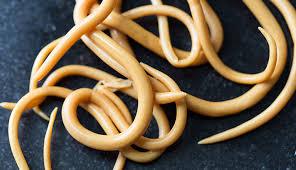
A parasite is an organism that lives in or on another organism, known as the host, and benefits at the host’s expense. In poultry, the two main categories of internal parasites are worms and protozoa. Low-level infestations often go unnoticed and may not require treatment. However, heavier infestations cause real production losses and, in severe cases, death.
A. Signs of Internal Parasite Infestation
i. Unthriftiness: Infected birds appear dull, inactive, and generally unhealthy. They fail to maintain normal body condition despite adequate feed availability.
ii. Poor growth and feed conversion: Parasites compete with the host for nutrients and damage the digestive lining, reducing how efficiently birds convert feed into body weight or egg production.
iii. Decreased egg production: Laying hens under parasite pressure produce fewer eggs, and those produced may be of lower quality than expected for the breed and feed program.
iv. Increased disease susceptibility: Parasites weaken the immune system and can worsen existing disease conditions, making infested birds more vulnerable to bacterial and viral infections that a healthy flock might resist.
v. Death in severe cases: Heavy infestations, particularly of roundworms or certain protozoan parasites, can cause intestinal blockage, organ damage, or systemic failure leading to death.
4. Types of Worms as Poultry Diseases
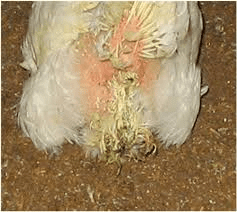
Worm infestations are among the most common internal parasite problems in poultry. Different worm species affect different parts of the bird and vary in how much damage they cause and how they are transmitted.
A. Roundworms (Nematodes)
i. Large roundworms (Ascaris sp.): The most damaging worms common to backyard and small-scale flocks. They grow to about 4.5 inches long and are thick enough to see with the naked eye. Severe infestations block nutrient absorption, cause intestinal blockage, and can kill birds. They occasionally migrate into a hen’s reproductive tract and appear inside developing eggs.
ii. Small roundworms (Capillaria sp.): Multiple species affect different parts of the bird. Those in the crop and esophagus cause thickening and inflammation of the mucous membranes. Species in the lower intestinal tract cause inflammation, hemorrhage, and erosion of the intestinal lining. Heavy infestations reduce growth, egg production, and fertility. Their eggs are too small to see without a microscope. Levamisole-based medications are effective against this group.
iii. Cecal worms (Heterakis gallinarum): These worms live in the ceca and typically cause little direct harm to chickens. However, they carry a protozoan parasite called Histomonas melegridis, which causes histomoniasis, a serious and often deadly disease in turkeys. Controlling cecal worms in chickens is important for protecting turkeys that share the same space or land. Levamisole is effective, but requires a veterinarian’s prescription for use in poultry.
iv. Transmission and prevention: Roundworm eggs are passed in droppings and spread when birds eat contaminated feed, water, or feces. Insects including snails, slugs, earthworms, grasshoppers, beetles, cockroaches, earwigs, and other invertebrates act as intermediate hosts by picking up eggs and passing them on when eaten by birds. Reducing bird contact with these insects is one of the most practical prevention strategies available.
v. Treatment: Piperazine-based medications are approved for large roundworms but are not effective against other internal parasites. Always read the label for correct dosage and observe the required withdrawal period before consuming eggs or harvesting birds for meat.
Read Also: Cold Weather Poultry Diseases and How to Manage them
B. Tapeworms (Cestodes)
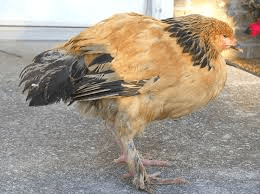
i. Size and structure: Tapeworms range from microscopic to more than 12 inches long. They are made up of multiple flat sections, and two to three sections are shed daily. Each section contains hundreds of eggs, and a single tapeworm can shed millions of eggs over its lifetime.
ii. Attachment and host specificity: Each tapeworm species attaches to a different section of the digestive tract using four pairs of suckers on its head. Most species are host-specific, meaning chicken tapeworms affect only chickens and do not cross to other species.
iii. Intermediate hosts: All tapeworms require an intermediate host to complete their life cycle. These include ants, beetles, houseflies, slugs, snails, earthworms, and termites. The specific intermediate host depends on the tapeworm species and the housing system used on the farm.
iv. No approved medications: There are currently no approved medications for tapeworm treatment in poultry. This makes intermediate host control the only effective prevention strategy. If a laboratory confirms tapeworm infection, ask the vet which species is involved so that control efforts can be directed at the correct intermediate host.
Read Also: 12 Poultry Eggs Fascinating Facts you must know about
5. Protozoan Parasites in Poultry
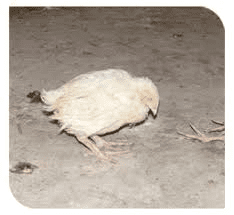
Protozoa are single-celled organisms found across most environments. Several species are significant poultry pathogens and can cause serious production losses and death if not managed effectively.
A. Key Protozoan Diseases
i. Coccidiosis (Eimeria sp.): Coccidia are by far the most common protozoan parasites of chickens and turkeys. Nine species affect chickens and seven affect turkeys. They are species-specific, meaning those affecting chickens do not infect turkeys or other livestock. Coccidia live and reproduce in the digestive tract, causing tissue damage that reduces nutrient absorption, leads to diarrhea and blood loss, and increases vulnerability to other diseases like necrotic enteritis. Signs include bloody or watery diarrhea, weight loss, lethargy, and ruffled feathers. Most severe cases occur in chicks between three and six weeks old.
ii. Managing coccidiosis: Most commercial feeds contain low-level anticoccidial medication that allows young birds to develop natural immunity over time. Amprolium is a common treatment for birds not on medicated feed. Vaccines that expose newly hatched chicks to small, controlled levels of coccidia are also available and, when combined with good management, can eliminate the need for routine medication.
iii. Cryptosporidiosis (Cryptosporidium baileyi): Cryptosporidia can infect multiple species of birds and mammals. They spread between flocks on the feet of animals and people and can be carried by wild birds. Intestinal cryptosporidiosis is common and usually mild, with pale skin in yellow-skinned breeds being the most frequent visible sign. Respiratory cryptosporidiosis is more severe and occurs when the parasite is inhaled. There is no treatment for the respiratory form. Supportive care and prevention of secondary infection are the only management options. Birds that recover are immune to future infection.
iv. Histomoniasis (Histomonas melegridis): Histomoniasis is a serious and often fatal disease in turkeys caused by protozoa carried by cecal worms. Turkeys contract it by eating chicken manure containing infected cecal worm eggs or by eating earthworms that have ingested those eggs. There is no effective treatment. The only control strategy is preventing cecal worm infestations and keeping turkeys completely separate from chickens and areas where chickens have recently been housed.
Summary on Internal Poultry Diseases and Post Mortem Examination

| Topic | Key Points |
|---|---|
| Post Mortem Equipment | An operation table, adequate lighting, straight and curved scissors, and disinfectants are essential. Strict sanitation must be maintained throughout the examination process. |
| Examination Procedure | Cut from mouth to anus, examine organs individually. Key signs: crop thickening (fungal), yellowish liver membrane (mycoplasma), enlarged heart (round heart disease), gizzard worms, and intestinal lining damage. |
| Internal Parasite Signs | Unthriftiness, poor growth and feed conversion, reduced egg production, increased disease susceptibility, and death in severe infestations. |
| Large Roundworms | Most damaging common worm. Up to 4.5 inches long. Causes nutrient blockage and death. Treated with piperazine. Spread through droppings and intermediate insect hosts. |
| Small Roundworms | Affect crop, esophagus, and lower intestines. Cause inflammation and erosion. Reduce growth, fertility, and egg production. Treated with levamisole. |
| Cecal Worms | Rarely harm chickens directly but carry Histomonas melegridis, causing fatal histomoniasis in turkeys. Controlled with levamisole via veterinary prescription. |
| Tapeworms | No approved medications exist. Range from microscopic to 12 inches long. Control depends entirely on eliminating intermediate hosts such as insects, snails, and earthworms. |
| Coccidiosis | Most common protozoan disease. Affects digestive tract. Signs include bloody diarrhea, weight loss, and lethargy. Managed with medicated feed, amprolium, or vaccination. |
| Cryptosporidiosis | Spreads via animals, people, and wild birds. Intestinal form is mild. Respiratory form is severe with no treatment. Recovered birds develop immunity. |
| Histomoniasis | Deadly in turkeys, carried by cecal worms. No effective treatment. Prevent by controlling cecal worms and keeping turkeys away from chickens and shared land. |
Frequently Asked Questions About Internal Poultry Diseases and Post Mortem Examination
1. Can a farmer perform post mortem examination without veterinary training?
A farmer can learn to recognize common internal signs of disease through basic post mortem examination. However, this is not a substitute for professional veterinary diagnosis. The examination helps a farmer gather useful information and identify warning signs, but a vet should always be consulted for accurate diagnosis and treatment decisions, especially when the disease is unfamiliar or spreading quickly through the flock.
2. What are the most common internal signs of disease in poultry?
Common internal signs include a thickened or rough crop lining (fungal infection), a yellowish membrane over the liver (mycoplasma), an enlarged and thin-walled heart (round heart disease), mucus in the trachea (respiratory infection), and worms visible in the intestines or gizzard lining. Hemorrhage or erosion in the intestinal lining often indicates severe worm infestation or coccidiosis.
3. How do roundworms spread between birds?
Roundworm eggs are passed in the droppings of infected birds and can be consumed directly by other birds through contaminated feed, water, or feces. They can also be spread through intermediate hosts such as earthworms, beetles, snails, slugs, grasshoppers, and cockroaches. When birds eat these insects, they ingest the worm eggs and become infected.
4. What is the difference between large and small roundworms?
Large roundworms are visible to the naked eye, grow up to 4.5 inches long, and primarily affect the intestinal tract. They are treated with piperazine. Small roundworms require a microscope to see their eggs, affect the crop, esophagus, and lower intestines, and are treated with levamisole. Small roundworms are particularly destructive in turkeys and game birds.
5. Why are cecal worms a problem for turkeys if chickens are not affected?
Chickens generally tolerate cecal worms without showing symptoms. However, cecal worms can carry Histomonas melegridis, a protozoan that causes histomoniasis in turkeys. Turkeys pick up the parasite by eating chicken manure containing infected cecal worm eggs or earthworms that have ingested those eggs. Since there is no treatment for histomoniasis, controlling cecal worms and keeping turkeys away from chickens is essential.
6. Is there any medication approved for tapeworm treatment in poultry?
No. There are currently no medications approved for treating tapeworm infections in poultry. The only effective management strategy is controlling the intermediate hosts involved in each tapeworm species’ life cycle. Getting a laboratory diagnosis of the specific species is important because different species use different intermediate hosts, so prevention efforts must be targeted correctly.
7. What is coccidiosis and how serious is it?
Coccidiosis is a disease caused by coccidia, single-celled protozoan parasites that live and reproduce in the digestive tract. It is the most common protozoan disease in poultry worldwide. It damages intestinal tissue, reduces nutrient absorption, and can cause bloody diarrhea, weight loss, and death in severe cases. Most serious outbreaks occur in chicks between three and six weeks old before immunity develops.
8. How can coccidiosis be prevented without relying on drugs?
Vaccination with coccidiosis vaccines gives newly hatched chicks a small, controlled exposure that allows them to develop natural immunity without developing the disease. Combined with good hygiene, proper housing, and controlled stocking density, vaccination can eliminate the need for routine anticoccidial medication. Birds raised on medicated starter feed also develop gradual immunity as the medication controls but does not eliminate coccidia in their environment.
9. Can cryptosporidiosis spread from poultry to people?
Yes. Cryptosporidia are not host-specific and can infect other birds, mammals, and humans. People who handle infected birds or come into contact with contaminated feces or water are at risk. Basic hygiene practices such as handwashing after handling birds, wearing gloves during post mortem examinations, and keeping poultry areas clean reduce the risk of transmission.
10. How do I know if my flock has an internal parasite problem?
Early signs include birds appearing unthrifty or underweight for their age, declining egg production, poor feed conversion, and loose or discolored droppings. In more advanced cases, bloody diarrhea, lethargy, ruffled feathers, and visible wasting are common. Post mortem examination of dead birds and fecal egg counts performed by a vet can confirm the type and severity of infestation and guide the right treatment response.
Do you have any questions, suggestions, or contributions? If so, please feel free to use the comment box below to share your thoughts. We also encourage you to kindly share this information with others who might benefit from it. Since we can’t reach everyone at once, we truly appreciate your help in spreading the word. Thank you very much for your support and for sharing!
Read Also: Ways To Generate Income From Business Wastes