


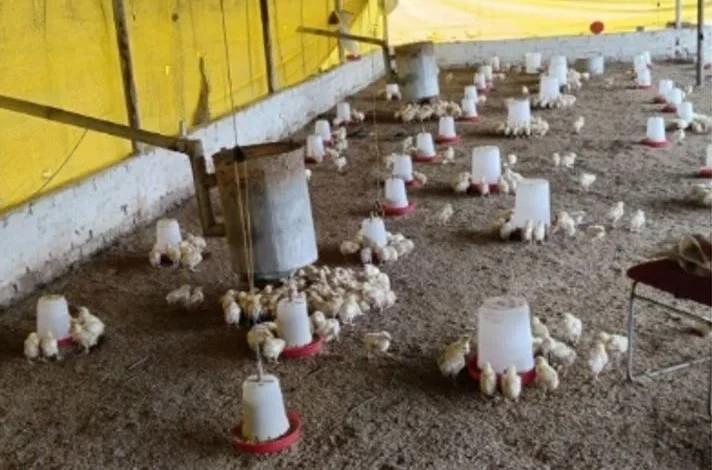
Winter season has a significant effect on poultry production by lowering surrounding temperatures. When temperature drops below 55°F, various problems emerge including reduced egg production, decreased water intake, and lower fertility and hatchability rates. These issues directly impact your profitability and can be devastating if you’re not prepared.
Cold weather doesn’t just make your birds uncomfortable. It fundamentally changes their physiology and behavior. Birds burn more calories to maintain body temperature, eat more feed, drink less water, and produce fewer eggs. Understanding these changes and adapting your management practices accordingly separates successful winter operations from those that struggle through the cold months losing money.
Therefore, management of poultry during winter is an important concern for all poultry farmers regardless of scale. Whether you’re running a small backyard flock or a large commercial operation, the principles of winter management remain the same. The difference between farms that maintain production through winter and those that see dramatic drops comes down to preparation and attention to detail.
Five key areas require special attention during winter: orientation of the house, ventilation, litter management, feed management, and water management. Each area plays a critical role, and neglecting any one of them compromises your birds’ health and your operation’s profitability. This guide covers practical strategies you can implement immediately to protect your flock and maintain production during cold weather.
1. Orientation of the Poultry House
Poultry houses should be designed to provide all the comfort required by birds during winter. This starts with proper orientation. The building’s orientation with respect to wind and sun influences temperature and light on different external surfaces significantly.
A. Maximizing Solar Gain
i. East-west alignment: In winter, the arc of the sun’s visible path is shortened. An east-west alignment of a rectangular house provides maximum solar energy gain during winter months. The long sides of the building face south, capturing the low winter sun throughout the day.
ii. Sunlight penetration: Design the house so maximum sunlight enters the shed during daytime. This free heat source reduces heating costs and improves bird comfort. Position windows and openings on the south side where winter sun hits most directly.
B. Wind Protection
i. Cold air entry points: Birds must be protected from chilled winds. Identify all places where cold air enters the building. These are typically gaps around doors, windows, vents, and structural joints.
ii. Gunny bags or curtains: Hang gunny bags, heavy curtains, or plastic sheeting at entry points where cold air penetrates. These barriers block wind while still allowing some air movement for ventilation. Lower these barriers as soon as sunlight fades in the evening and keep them down until sunlight returns the next morning.
iii. Timing matters: Don’t leave wind barriers up during sunny midday hours. Your house needs air circulation even in winter, and daytime solar heating can raise temperatures enough that you want some air exchange.
Read Also: Proper Management Measures for Poultry Birds During Summer (Heat)
2. Adequate Ventilation
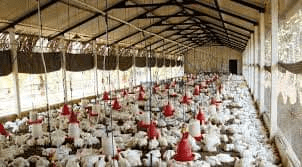
During winter season, it’s necessary to keep the house draft-free but with plenty of ventilation. This seems contradictory, but it’s essential. Birds need fresh air without being exposed to cold drafts blowing directly on them.
A. Why Ventilation Matters in Winter
i. Moisture release: Birds release substantial moisture in their breath and droppings. This moisture accumulates in poorly ventilated houses, creating damp conditions that harm bird health.
ii. Ammonia buildup: Restricted ventilation causes ammonia buildup in the air, which causes respiratory problems, eye irritation, and reduced feed intake. High ammonia levels are immediately noticeable by smell and indicate inadequate ventilation.
iii. Fresh air requirement: Birds need plenty of fresh air circulating around the house even during cold weather. The challenge is providing this fresh air without creating drafts that chill the birds.
B. Ventilation Solutions
i. Sliding windows: These are particularly useful because they can be opened during the day and closed at night. This allows you to adjust ventilation based on outdoor temperature and wind conditions.
ii. Exhaust fans: Install exhaust fans to remove stale, ammonia-laden air. Position fans so they pull air from above bird level, removing the warmest, most contaminated air without creating drafts on the birds.
iii. Controlled air inlets: Fresh air should enter through controlled inlets positioned to direct air upward toward the ceiling, not directly onto birds. This allows incoming cold air to mix with warm house air before reaching bird level.
3. Litter Management
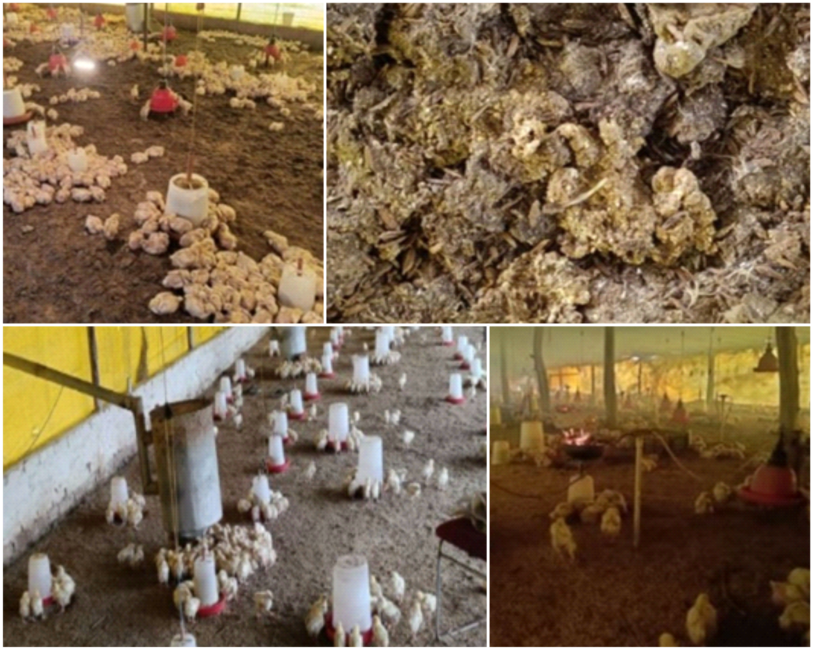
Prior to chicks being placed in the house, the floor surface should be covered with bedding material called litter. Proper litter management becomes even more critical during winter when birds spend more time on the floor.
A. Functions of Good Litter
i. Insulation: Good quality litter serves as an insulator, maintaining uniform temperature and preventing cold from transferring up from the ground into the birds.
ii. Moisture absorption: Litter absorbs moisture from droppings, promoting drying and keeping the environment less humid. This is especially important in winter when ventilation is reduced.
iii. Manure dilution: Litter dilutes fecal material, reducing contact between birds and concentrated manure. This decreases disease pressure and ammonia production.
iv. Physical comfort: Litter provides a cushion between birds and the hard floor, preventing breast blisters and foot problems. It also gives warmth that cold concrete or earth floors cannot provide.
B. Winter Litter Management
i. Increased depth: Around 6 inches of litter is needed in houses during winter, compared to 3 to 4 inches in warmer months. This deeper litter provides better insulation and moisture absorption.
ii. Quality indicator: If litter management is proper, the litter will feel quite warm when taken in hand. This warmth comes from microbial activity decomposing organic matter, which generates heat.
iii. Maintenance: Stir litter regularly to prevent caking and maintain its absorbent properties. Remove wet or heavily soiled patches and replace with fresh material.
4. Feed Management
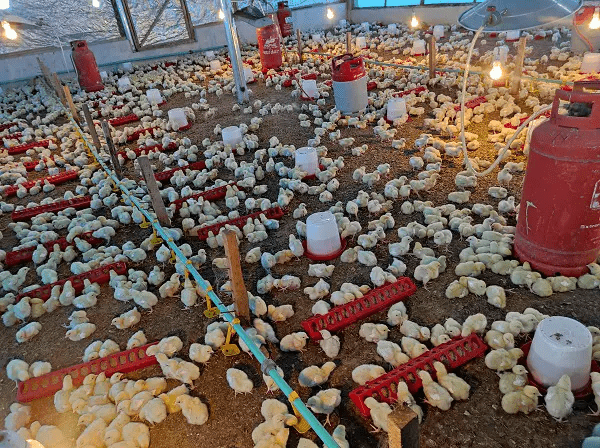
Poultry uses food for two main purposes: as an energy source to maintain body temperature and carry on normal physiological activities, and as building material for development of bones, flesh, feathers, and eggs.
A. Cold Weather Feeding Principles
i. Increased consumption: Low temperature causes increased feed intake and higher oxygen demand. When weather gets colder, chickens need extra energy to maintain body temperature. Provide plenty of food to meet these increased requirements.
ii. Temperature-feed relationship: The variation in feed consumption is smaller for each degree Fahrenheit change in temperature when the weather is cold than when it’s hot. Birds adjust feed intake based on environmental temperature, eating more when it’s cold.
iii. Calorie consumption: Consumption of metabolizable energy (ME) per bird per day varies as ambient temperature changes. Birds automatically adjust their intake to meet their energy needs.
B. Practical Winter Feeding Strategies
i. Energy concentration: When birds eat more feed during cold weather, they consume more of all nutrients, not just energy. Many of these extra nutrients aren’t needed and become waste. To avoid this inefficiency, add energy-rich sources like oil or fat to the diet, or reduce levels of other nutrients while keeping energy constant.
ii. Feeder space: In winter season, the number of feeders should be increased compared to summer. More birds will be eating at any given time as they consume more total feed.
iii. Constant availability: Feed should be available to birds throughout the day. Never let feeders run empty during cold weather when energy needs are highest.
iv. Adjusted formulations: Experiments show that for proper broiler growth during summer, diet containing 23% protein and 3,100 Kcal ME per kg is needed. In winter, 3,400 Kcal per kg ME and 23% protein is needed. This 300 Kcal increase addresses the extra energy requirement for thermoregulation.
Read Also: Poultry Farming and Adverse Season as a Stressor
5. Water Management
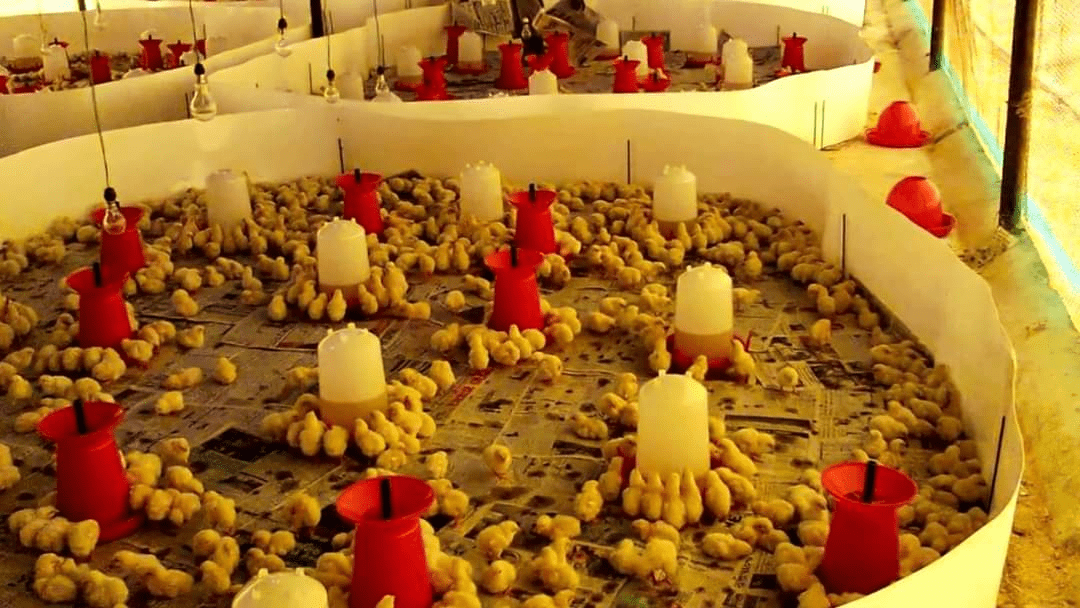
Water management during winter presents unique challenges that require vigilance and daily attention.
A. Winter Water Issues
i. Reduced consumption: During winter season, birds drink less water naturally. However, for maintenance of body hydration, it’s necessary to provide continuous supply of fresh water that birds will willingly consume.
ii. Temperature matters: Water must be fresh and clean. If water is extremely cold, birds will avoid drinking it. Add hot water to bring it to normal temperature (around 50 to 60°F). Birds drink more when water is at comfortable temperature.
B. Preventing Freezing
i. Pipe freezing: In areas where ice forms, blockage of pipes is a major problem due to water freezing during winter. When temperature goes below 32°F (0°C), conduct routine inspection of pipelines to avoid blockage.
ii. Heated waterers: Consider using heated waterers or base heaters that prevent water from freezing. These are inexpensive to operate and ensure birds always have access to liquid water.
iii. Frequent checks: Check drinkers multiple times daily during extreme cold. Water that was liquid an hour ago may be frozen now.
C. Water Medication Considerations
i. Reduced consumption impact: Many vaccines, medicines, and anti-stress vitamins are given to poultry through water. Because water consumption is reduced during winter, medication delivery becomes more challenging.
ii. Adaptation strategy: Remove drinkers a few hours prior to water medication. Give medicine or vaccine in a smaller amount of water so birds consume it all within a few hours. This ensures every bird receives adequate dosage despite reduced water intake.
iii. Timing: Medicate during the warmer part of the day when birds are most likely to drink. Early afternoon is often optimal.
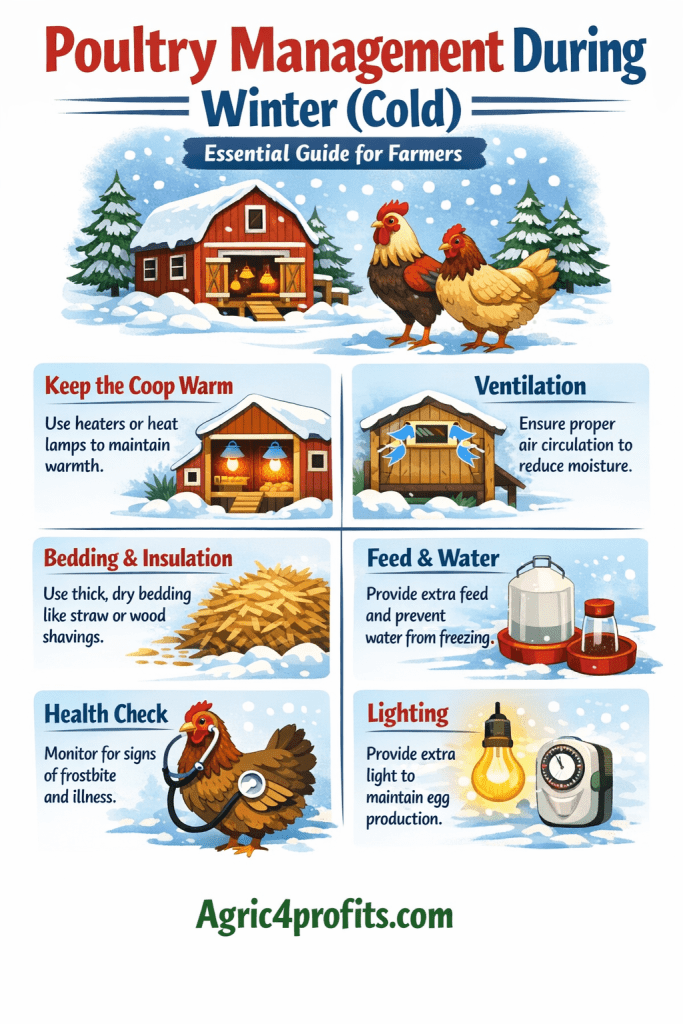
In conclusion, successful poultry management during winter requires attention to five key areas: proper house orientation to maximize solar gain and minimize wind exposure, adequate ventilation that provides fresh air without drafts, deeper litter that insulates and absorbs moisture, increased feed with higher energy content, and careful water management that prevents freezing while ensuring adequate intake. Farmers who master these elements maintain production through winter while protecting flock health.
Summary on Poultry Management During Winter
| Aspect | Key Points |
|---|---|
| Temperature Impact | Below 55°F causes reduced egg production, lower water intake, decreased fertility |
| House Orientation | East-west alignment maximizes solar gain; long sides face south |
| Wind Protection | Use gunny bags or curtains at entry points; close at night, open during sunny days |
| Ventilation Goal | Keep house draft-free but with adequate air circulation |
| Ammonia Control | Fresh air prevents ammonia buildup from restricted ventilation |
| Litter Depth | 6 inches needed during winter versus 3-4 inches in summer |
| Litter Function | Insulates birds from ground, absorbs moisture, dilutes manure |
| Feed Consumption | Increases in cold weather as birds need energy for body heat |
| Energy Needs | Winter broilers need 3,400 Kcal/kg ME versus 3,100 in summer |
| Feeder Space | Increase number of feeders compared to summer |
| Water Temperature | Warm water (50-60°F) to room temperature; birds avoid very cold water |
| Pipe Freezing | Routine inspection needed below 32°F; use heated waterers |
| Water Medication | Reduce water volume, medicate during warmest part of day |
Frequently Asked Questions About Poultry Management During Winter
1. At what temperature should I start implementing winter management practices?
Begin winter preparations when temperatures consistently drop below 55°F (13°C). This is the threshold where egg production starts declining and birds begin experiencing cold stress. However, have your winter systems in place before this point so you’re ready when cold weather arrives.
2. How much more feed will my chickens eat during winter?
Feed consumption typically increases 10 to 25% during winter depending on how cold it gets and how well your housing retains heat. For every 10°F drop below the thermoneutral zone (around 60-75°F), expect feed consumption to increase by approximately 4 to 5%. Budget for these increased feed costs when planning for winter production.
3. Can I close all ventilation openings to keep my birds warmer?
No, never completely close all ventilation. Birds need continuous fresh air even in extreme cold. Completely closing ventilation causes dangerous ammonia buildup, excessive humidity, and respiratory problems. Instead, reduce ventilation to minimum necessary levels while eliminating drafts that blow directly on birds.
4. Should I heat my poultry house during winter?
For adult birds in well-designed houses with proper litter and wind protection, supplemental heating is usually unnecessary except in extreme cold. Adult birds generate substantial body heat, and good insulation retains this heat. However, young chicks always require supplemental heat. If you do heat, use it to raise temperature to 50-55°F rather than trying to match summer temperatures.
5. My birds’ water freezes overnight. What should I do?
Use heated waterers or water base heaters designed for poultry. These devices prevent freezing without raising water temperature too high. Alternatively, bring waterers inside overnight and place them back out during daytime when temperatures are above freezing. Check water multiple times daily during extreme cold.
6. Why is my egg production dropping even though my birds seem healthy?
Lower egg production during winter is normal even in healthy flocks. Reduced daylight triggers natural decreases in laying. Cold stress diverts energy from egg production to body heat maintenance. Ensure your birds are getting 14 to 16 hours of light daily (using supplemental lighting if needed), adequate feed with higher energy, and lukewarm water to maximize winter production.
7. How often should I replace wet litter during winter?
Remove and replace wet or caked litter patches immediately when you find them. Don’t let wet litter accumulate. Spot-clean problem areas (especially around waterers) daily. Complete litter replacement is typically needed less often in winter than summer because cold temperatures slow decomposition, but monitor moisture and ammonia levels closely.
8. Is it normal for my chickens to huddle together more during winter?
Yes, huddling is normal thermoregulatory behavior. Birds huddle to conserve body heat. However, excessive huddling where birds pile on top of each other indicates the house is too cold. Some huddling is normal; piling that causes birds on the bottom to get smothered means you need more heat, better wind protection, or deeper litter.
Do you have any questions, suggestions, or contributions? If so, please feel free to use the comment box below to share your thoughts. We also encourage you to kindly share this information with others who might benefit from it. Since we can’t reach everyone at once, we truly appreciate your help in spreading the word. Thank you very much for your support and for sharing!