


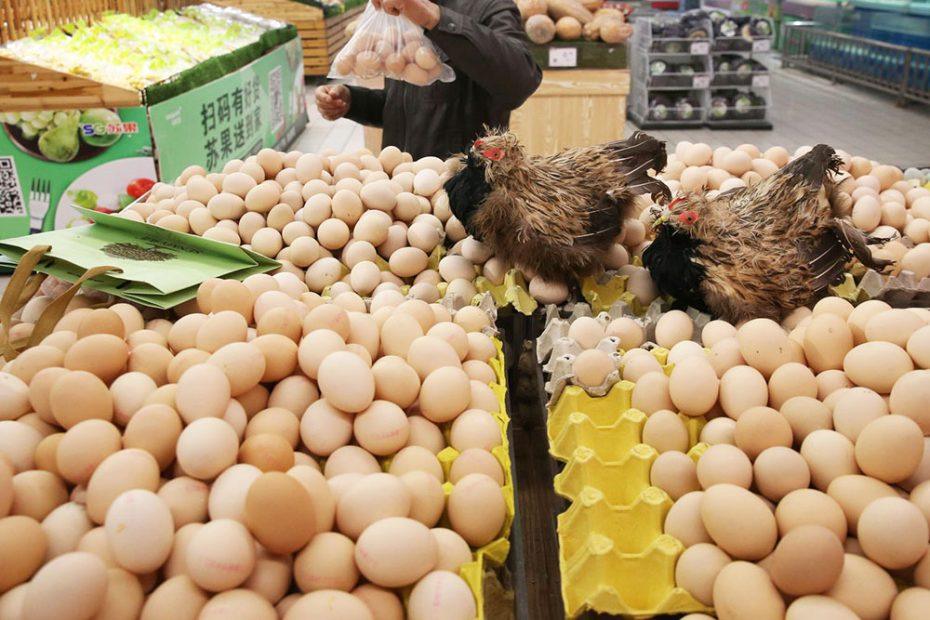
Any farmer whose production capacity exceeds what their family and relatives can consume must find a market for the surplus. Otherwise, the products become a burden rather than a source of income.
This sounds obvious, but many new poultry farmers focus entirely on production and ignore marketing until they have eggs and meat with no buyers. That’s backward thinking that leads to financial losses.
The need for poultry meat and eggs varies from country to country and from locality to locality. What sells easily in one market may struggle in another. Urban areas typically have higher demand and better prices than rural areas.
Cultural preferences affect which products people want. Some regions prefer white eggs, others prefer brown. Some markets pay premium prices for free-range products, others care only about price.
Marketing poultry meat is different from marketing poultry eggs. Meat is sold as live birds, freshly slaughtered carcasses, or frozen products. Each form requires different handling, storage, and distribution. Eggs are fragile, perishable, and need careful handling from laying to consumption. The marketing challenges for each product are distinct.
In developing countries like Nigeria where there is a shortage of animal protein, the marketing of broilers depends heavily on market price. When prices are too high, demand drops. When prices are competitive, demand is strong. Farmers near towns or cities have an advantage.
They can set prices that consumers will pay and find eager buyers without difficulty. Product disposal is not a problem when you’re close to the market.
Farmers in rural areas far from main markets face a different challenge. The cost of transporting products to market can make their prices uncompetitive.
After accounting for transport costs, there may be no profit left. This is why many rural farmers struggle to make money from poultry despite producing good-quality birds and eggs. The distance to market erodes their advantage.
Understanding how to market poultry products properly is as important as knowing how to raise the birds. This includes knowing how to grade eggs, how to preserve products to extend shelf life, and how to connect with buyers who will pay fair prices. Without these skills, even the best-managed farm struggles financially.
This guide covers the fundamentals of poultry product marketing, with a specific focus on egg marketing, grading systems, processing and preservation methods that extend product life, and practical considerations that affect whether you can sell what you produce at a profit.
1. Poultry Products and Marketing
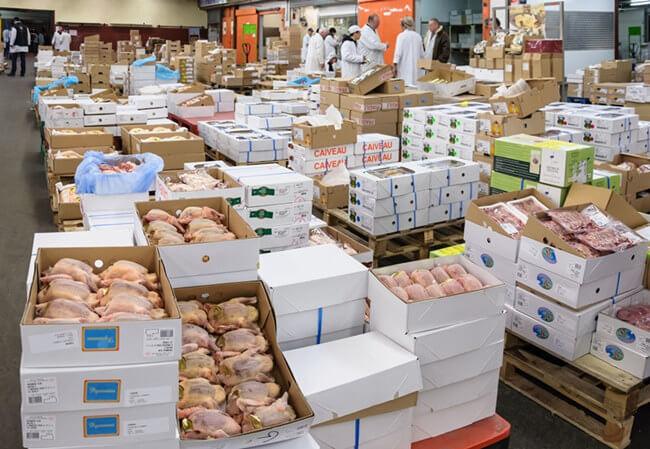
It is of no value to produce poultry commodities like eggs and meat without serious effort to secure a market for them. Production without marketing is a hobby, not a business. Commercial poultry farming only makes sense when you have reliable buyers who pay prices that cover your costs and leave room for profit.
The market for your products determines almost everything else about your operation. It determines what scale makes sense, what quality standards you need to meet, what packaging you require, and what pricing you can achieve. Farmers who understand their market before they start production make better decisions about breed selection, housing systems, and production scale.
A. Egg Marketing
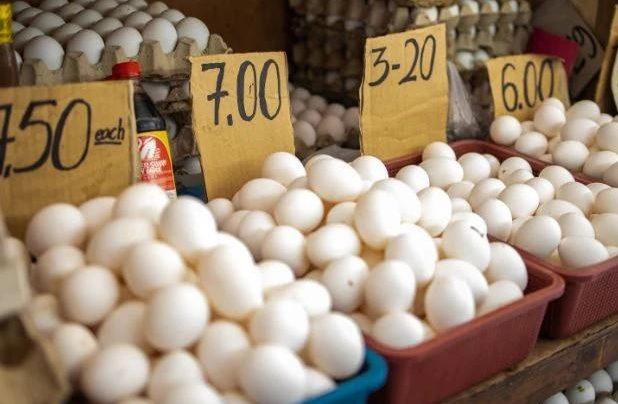
Eggs are highly perishable products. Without proper care between the time they’re laid and the time they’re consumed, eggs deteriorate markedly in several ways. Understanding these deterioration processes helps you manage eggs properly and maintain the quality that buyers will pay for.
i. Weight loss through moisture evaporation: Eggs lose weight as moisture evaporates through the porous shell, mostly from the albumen (egg white). This happens continuously during storage. The rate depends on temperature, humidity, and how the shell surface is treated. Weight loss makes eggs less valuable and affects internal quality.
ii. Flavor and odor changes: These occur during storage either due to internal chemical changes or absorption of external odors. Eggs stored near strong-smelling substances like onions, fish, or petroleum products absorb those odors. Internal chemical changes produce off-flavors in old eggs. Both problems reduce acceptability to consumers.
iii. Changes in egg component size and form: The yolk and albumen change position and structure over time. Fresh eggs have thick, gel-like albumen that holds the yolk centered. Old eggs have thin, watery albumen and flat yolks that break easily. These changes indicate age and reduce the quality grade.
iv. Other deterioration processes: Inter-conversion of minerals and organic contents, changes in specific gravity, altered permeability of membranes, changes in viscosity of the white and yolk, shifts in gaseous concentration inside the egg, and microbial contamination all occur during storage. Each process reduces egg quality and marketability.
Read Also: Production Practices for Poultry Operations
B. Egg Grading
The most important consideration for eggs destined for consumption is quality. Grading systems classify eggs by quality using both exterior and interior factors. Understanding these factors helps you produce and handle eggs that meet market requirements.
Exterior qualities used for grading eggs:
i. Soundness of shell: The shell must be intact without cracks, thin spots, or holes. Cracked eggs cannot be sold as table eggs because bacteria can enter through the crack. Even hairline cracks that are hard to see disqualify an egg from top grades.
ii. Cleanliness: The shell should be free from dirt, feces, blood, and other contamination. Clean eggs fetch higher prices and have longer shelf life because contaminated shells harbor bacteria that can penetrate the egg contents.
iii. Size: Eggs are graded by weight into categories like small, medium, large, extra large, and jumbo. The exact weight ranges vary by country but the principle is the same. Larger eggs typically command higher prices in most markets.
iv. Color: Shell color preferences vary by market. Some regions prefer white eggs, others brown. Color itself doesn’t affect nutritional value or internal quality, but it affects marketability in specific regions. Uniformity of color also matters in commercial grading.
v. Shape and texture: Eggs should have the typical oval shape. Round eggs, elongated eggs, or eggs with irregular shapes are downgraded. Shell texture should be smooth and even. Rough, ridged, or thin-shelled eggs are lower quality.
Interior qualities used for grading eggs:
i. Condition of the yolk: In a high-quality fresh egg, the yolk is round, firm, and centered. It doesn’t break easily. In lower-quality eggs, the yolk is flat, weak, and breaks easily when the egg is cracked open. This is assessed by candling (shining a light through the egg) or by breaking out a sample egg.
ii. Condition of the albumen: Fresh eggs have thick, gel-like albumen that stands up tall when the egg is broken onto a flat surface. Old eggs have thin, watery albumen that spreads out flat. The height of the albumen relative to the yolk indicates freshness and quality grade.
iii. Condition of the air cell: All eggs have an air cell at the large end between the inner and outer shell membranes. In fresh eggs, this air cell is small (less than 6mm deep). As eggs age and lose moisture, the air cell grows larger. Very large air cells indicate old eggs. The air cell should also be stationary, not moving when the egg is rotated during candling.
C. Egg Processing and Preservation
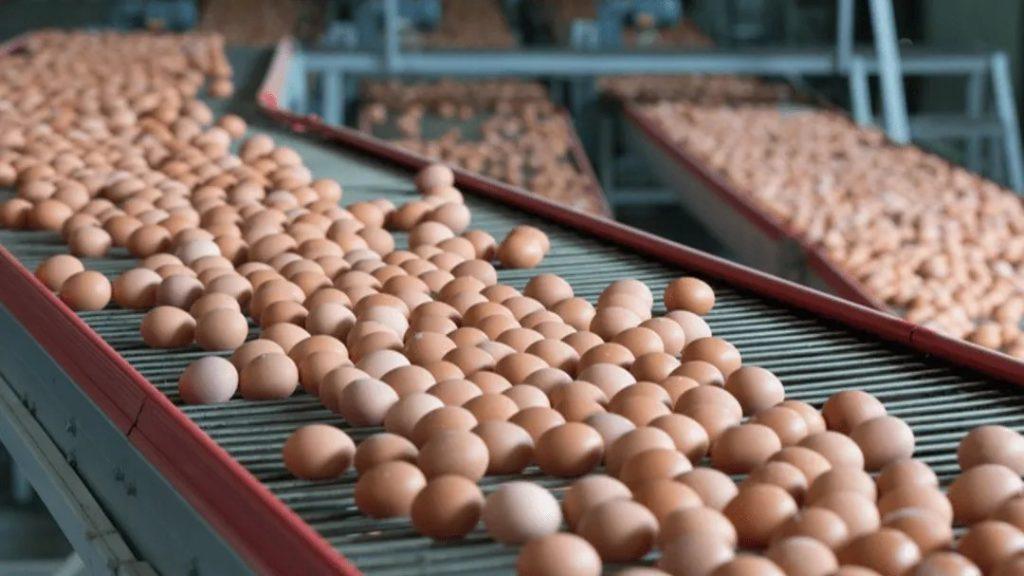
Eggs are processed to prolong their storage life and maintain quality until they reach consumers. Several methods exist for extending the edible life of eggs beyond what unprocessed eggs achieve.
I. Prevention of contamination: Keep eggs clean from the moment of collection. Prevent contact with feces, dirt, wet litter, and contaminated hands or equipment. Clean eggs last longer because fewer bacteria are present on the shell to penetrate and spoil the contents. This is the simplest and most effective preservation method.
ii. Chilling at controlled temperature: Store eggs at temperatures between -0.5°C and -2°C with relative humidity of 88%. These conditions can preserve eggs for 2 to 3 months while maintaining reasonable quality. The cold slows all deterioration processes without freezing the egg contents. Commercial operations use this method as standard practice.
iii. Chemical treatments: These methods seal the shell pores to prevent moisture loss and gaseous exchange with the environment. Common coating agents include vegetable oils, petroleum jelly (Vaseline), lard, gelatin solutions, agar-agar, and alum. The coating is applied to clean, dry eggs. It reduces weight loss and slows internal deterioration by limiting oxygen entry and water vapor exit.
iv. Heat treatment: Eggs can be momentarily dipped in boiling water for about 5 seconds. This coagulates the thin film of albumen lying just inside the shell membrane, effectively sealing the pores. The brief heat exposure doesn’t cook the egg but creates a protective barrier. This method is less common commercially but works in small-scale operations.
v. Dehydration: This method is usually applied to shelled eggs (eggs removed from their shells) to produce powdered egg products or flakes. Whole eggs, egg whites, or egg yolks can be dried separately. Dehydrated egg products have a very long shelf life and are used in baking, food manufacturing, and situations where fresh eggs are impractical. Commercial dehydration requires specialized equipment.
Read Also: Chicken Eggs Handling Best Practices
Summary on Poultry Products Marketing

| Aspect | Key Points |
|---|---|
| Marketing Necessity | Production without marketing creates burden; must secure buyers before production |
| Market Variation | Demand for meat and eggs varies by country and locality |
| Location Advantage | Farmers near towns/cities have easier market access and better prices |
| Transport Challenge | Rural farmers face high transport costs that can eliminate profits |
| Egg Perishability | Highly perishable; deteriorates quickly without proper handling |
| Weight Loss | Moisture evaporates through the shell, mainly from the albumen |
| Flavor Changes | Occurs from internal chemistry and absorption of external odors |
| Component Changes | Yolk and albumen position and structure change with age |
| Exterior Grading Factors | Shell soundness, cleanliness, size, color, shape, texture |
| Interior Grading Factors | Yolk condition, albumen condition, air cell size and position |
| Contamination Prevention | Keep eggs clean from collection onward; simplest preservation method |
| Cold Storage | -0.5°C to -2°C at 88% humidity preserves eggs 2-3 months |
| Chemical Coating | Oils, gelatin, or alum seal shell pores; reduces moisture loss |
| Heat Treatment | 5-second boiling water dip coagulates albumen film; seals pores |
| Dehydration | Produces powdered egg products with a very long shelf life |
Frequently Asked Questions About Poultry Products Marketing
1. How do I find buyers for my eggs and meat before I start production?
Start by researching your local market before you invest in birds. Visit markets where poultry products are sold and talk to traders about demand, prices, and what they look for in suppliers. Approach hotels, restaurants, and catering businesses directly. Many are willing to contract with local suppliers for regular deliveries. Contact food retailers and ask about their sourcing. Join farmer cooperatives or associations that have established marketing channels. The key is to identify buyers and understand their requirements before you produce anything.
2. Why do eggs from rural areas sell for less than urban eggs?
Transport costs are the main reason. A farmer 100 kilometers from the city pays for fuel, vehicle maintenance, and time to get eggs to market. These costs get added to the production cost, which means either the farmer accepts lower profit margins or the final price is too high for consumers. Urban farmers deliver fresh eggs the same day with minimal transport cost. They can price competitively while maintaining better margins. This is why location matters so much in poultry farming profitability.
3. How long can I store eggs before they lose quality?
Without refrigeration in tropical conditions, eggs start losing quality within days. After a week at room temperature, the albumen thins noticeably and the air cell enlarges. Two weeks at room temperature and most eggs have dropped to lower quality grades. With proper cold storage at -0.5°C to -2°C and 88% relative humidity, you can store eggs for 2 to 3 months while maintaining reasonable quality. The colder and more stable the storage conditions, the longer eggs retain freshness.
4. What is the most important exterior quality factor for egg grading?
Shell soundness is most critical. A cracked egg, no matter how clean or large, cannot be sold as a table egg. Cracks allow bacteria to enter and contaminate the contents. Barely visible and even hairline cracks disqualify an egg from top grades. Cleanliness is the second most important exterior factor. Dirty eggs have a shorter shelf life and lower consumer acceptance. Size matters for pricing but doesn’t affect food safety like soundness and cleanliness do.
5. Can I wash dirty eggs to improve their grade?
Washing eggs is controversial. Washing removes the natural protective coating (the bloom or cuticle) that seals the shell pores. This makes eggs more vulnerable to bacterial contamination and moisture loss during storage. Some countries prohibit egg washing for commercial sale. Others require it. If you must wash eggs, use water warmer than the egg temperature, dry them immediately, and either use a sanitizer or apply a coating afterward. Better practice is to keep eggs clean from collection by maintaining clean nests and handling eggs with clean hands.
6. What does candling eggs mean and why is it done?
Candling means shining a bright light through the egg in a dark room. This illuminates the egg interior so you can see the air cell size, yolk position, and any defects like blood spots or meat spots. Candling is the standard method for interior grading without breaking eggs open. Commercial operations use automated candling systems that check thousands of eggs per hour. Small farmers can candle manually using a flashlight and a cardboard box with a hole in it.
7. How do chemical coatings preserve eggs?
Eggshells are porous, with thousands of tiny pores that allow gases and moisture to pass through. Chemical coatings like vegetable oil, petroleum jelly, or gelatin solution seal these pores. This prevents moisture from evaporating out of the egg, which is the main cause of weight loss and quality decline. The coating also limits oxygen entry, which slows internal chemical changes. The egg can still breathe enough to remain viable but not enough to deteriorate rapidly.
8. Is there a market for lower-grade eggs?
Yes, definitely. Eggs that don’t meet top-grade standards for size, shape, or shell perfection can still be sold for uses where appearance doesn’t matter. Bakeries, restaurants, and food manufacturers buy lower-grade eggs at reduced prices for use in cooking and baking. Eggs with rough shells or unusual shapes are nutritionally identical to perfect eggs. They just don’t look as good in a carton. Don’t discard eggs that fail top grade unless they’re cracked or contaminated.
9. What preservation method works best for small-scale farmers?
For small farms without refrigeration equipment, coating eggs with vegetable oil immediately after collection is the most practical preservation method. The oil seals the pores and costs very little. It doesn’t require specialized equipment or expertise. You can use any edible vegetable oil. Apply a thin coat to clean, dry eggs using your hands or a cloth. This simple treatment extends shelf life significantly. Store treated eggs in a cool, dark place and turn them weekly to keep the yolk centered.
10. How do I market directly to consumers instead of selling to traders?
Direct marketing requires more effort but returns higher prices. Start by building a customer base through word of mouth. Offer samples to friends, family, and neighbors. Once people taste fresh eggs from well-managed birds, they often become regular customers. Use social media to advertise your products and farming practices. Set up at farmers’ markets if available in your area. Offer home delivery for regular customers. Emphasize freshness, quality, and any special features like free-range production. Build trust by delivering consistently good products and being reliable with your supply.
Do you have any questions, suggestions, or contributions? If so, please feel free to use the comment box below to share your thoughts. We also encourage you to kindly share this information with others who might benefit from it. Since we can’t reach everyone at once, we truly appreciate your help in spreading the word. Thank you very much for your support and for sharing!
Read Also: Comprehensive Guide on How to start Cockerel Farming Business