


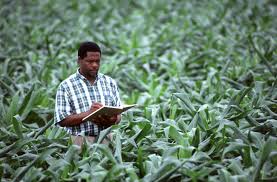
Evaluation of agricultural projects typically requires an interdisciplinary approach, as no single individual possesses all the expertise needed for a thorough evaluation, with few exceptions.
Individual Agricultural Projects
For individuals planning to undertake an agricultural project, a feasibility report may not be necessary. The individuals likely already have an idea of what project to pursue based on the available funds, which will determine the project’s scale.
If an individual opts for a feasibility study, the evaluator needs to ask certain questions. These include inquiries about the availability and location of land, the capital that is or can be made available, and the investor’s experience with the intended agricultural activity.
A site visit to gather relevant information about the proposed project follows this stage. Calculating the distance between the individual’s home or office and the site is crucial. Observation of the terrain and surrounding vegetation on both sides is necessary to assess the area’s agricultural suitability.
For instance, when planning a maize project, it is important to note if nearby farms also grow maize, as this could affect cross-pollination. In such a case, small farmers can be encouraged to grow popcorn or compensated to avoid disruptions to the program.
If the available land is insufficient, the investor may be advised to lease, rent, or purchase additional land. If there is a settlement nearby, labor may be recruited locally, but if not, a labor line will need to be established.
The analyst should verify whether there is a stream in the area and determine if it is prone to flooding. This helps decide when to plant or whether to attempt two planting seasons. For large areas, soil sampling and testing are essential to determine soil quality.
A socio-economic survey of neighboring settlements is also conducted. Questions such as daily income, labor availability during holidays or festivals, and local labor practices are important.
It is also advisable to check the weather statistics in the area and the nearest local government. Based on the terrain, a decision must be made regarding whether the land can be cleared mechanically or manually.
Read Also: How to Grow, Use and Care for Wildrye Grass (Elymus spp.)
Organizational Agricultural Projects
For organizations such as government river basin authorities or agricultural credit corporations, multiple projects are typically included in their programs. It is necessary to narrow down the program to select those projects that can accelerate agricultural development.
A pre-feasibility study is often recommended in these cases. Pre-feasibility studies help identify available resources and narrow down the projects that could be considered for a full feasibility report.
Clients can then provide specific terms of reference based on pre-feasibility findings, which helps reduce the costs of detailed feasibility studies that may not be needed. Once a project is identified, it is categorized, for example, as a livestock project, crop project, or a combination of the two. If it is a crop project, the following steps should be taken:
The project analyst should visit the site to determine what types of crops can be grown there, whether such crops have been grown before, and what yields were achieved. It is essential to find out if there are markets for the crops in the area, the condition of roads leading to the project site, and the availability of storage facilities for excess production.
The inputs required for crop production, including their availability, and the types of machinery needed, should be identified. The scale of production (small, medium, or large) must be decided.
The procurement process for machinery also needs to be considered—whether it can be locally fabricated or if it must be imported. If importation is required, the country of origin and manufacturer details should be determined. Commercial advertisers or industry contacts may assist in locating manufacturers.
The availability of labor for various operations and the associated costs should also be assessed. Local weather conditions, particularly rainfall patterns, as well as the presence of pests and diseases, are critical considerations.
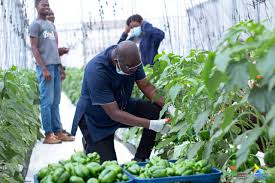
For vegetable farming, ensuring sufficient water supply for year-round production is vital. Sources such as streams or boreholes for irrigation should be investigated. If stream usage affects the local community, alternatives like sinking deep wells should be considered, with the cost factored into the project.
It is important to assess the client’s or the proposed manager’s knowledge of crop production. For large-scale agricultural projects, soil testing is crucial. This helps in determining the suitability of the land for the proposed crops, the appropriate crop rotation practices, fertilizer type, and application rate. If the investor requires bank support, a perimeter survey of the land may be necessary.
Read Also: How to Grow, Use and Care for Wilman Lovegrass (Eragrostis superba)
Livestock Agricultural Projects
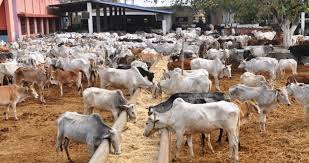
For livestock projects, similar steps to crop projects must be followed. The site must be visited to assess factors such as the distance to the nearest market, the condition of roads, and the availability of water and electricity.
It is also important to identify other livestock farms in the area, noting their proximity and the types of livestock they raise. For poultry farming, the direction of the wind should be considered when positioning poultry houses.
Other considerations include the source of feed, day-old chicks, point-of-lay birds, and their prices. Equipment such as broiler processors and other infrastructure must be listed with their respective costs.
Current prices for most of these items can be obtained from suppliers. The most recent prices should be used for accurate project costing.
Do you have any questions, suggestions, or contributions? If so, please feel free to use the comment box below to share your thoughts. We also encourage you to kindly share this information with others who might benefit from it. Since we can’t reach everyone at once, we truly appreciate your help in spreading the word. Thank you so much for your support and for sharing!