


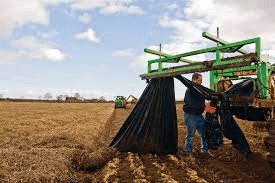
Farm waste management involves the systematic handling and disposal of waste generated on farms to minimize environmental impact and promote sustainability. Effective management of farm waste helps reduce pollution, conserve resources, and improve overall farm efficiency. Proper waste management practices ensure that waste is managed in a way that supports soil health, reduces greenhouse gas emissions, and complies with regulatory standards.
Types of Farm Waste
1. Organic Waste: Includes plant residues (such as crop leftovers and leaves) and animal manure. Organic waste can be valuable for composting and soil enrichment.
2. Inorganic Waste: Consists of non-biodegradable materials such as plastics, metal containers, and chemicals. Proper disposal and recycling of inorganic waste are essential to prevent environmental contamination.
3. Hazardous Waste: Includes chemicals, pesticides, and veterinary medicines that require special handling and disposal to avoid health and environmental risks.
4. Green Waste: Refers to garden waste like grass clippings, branches, and leaves. Green waste can often be composted or used as mulch.
5. Food Waste: Includes spoiled or uneaten food from farm operations, which can be composted or fed to livestock in some cases.
6. Construction and Maintenance Waste: Involves debris from farm construction projects, repairs, and maintenance, such as wood, metal scraps, and packaging materials.
Importance of Proper Waste Management

1. Environmental Protection: Proper waste management prevents pollution of soil, water, and air. It reduces the risk of contamination from hazardous substances and minimizes environmental harm.
2. Resource Conservation: Effective waste management helps in recycling and reusing materials, conserving natural resources, and reducing the need for raw materials.
3. Improved Farm Efficiency: Proper handling and disposal of waste improve farm operations by reducing clutter, managing pests, and enhancing soil health through composting.
4. Compliance with Regulations: Adhering to waste management regulations helps avoid fines and legal issues. It ensures that farms meet environmental standards and contribute to sustainable practices.
5. Enhanced Farm Reputation: Demonstrating responsible waste management practices can improve a farm’s reputation with consumers, stakeholders, and regulatory bodies.
Waste Segregation and Collection
1. Segregation: Separate waste into categories such as organic, inorganic, hazardous, and recyclable. This makes it easier to manage each type appropriately and reduces the risk of contamination.
2. Collection: Use designated bins or containers for different types of waste. Clearly label these containers to ensure proper sorting and handling by farm workers.
3. Storage: Store waste in appropriate conditions to prevent leakage or spillage. For example, keep hazardous waste in secure containers and organic waste in well-ventilated areas.
4. Transport: Implement procedures for safely transporting waste to treatment or disposal facilities. Use appropriate vehicles and equipment to minimize spillage and accidents during transport.
5. Record Keeping: Maintain records of waste types, quantities, and disposal methods. This helps track waste management practices and ensures compliance with regulations.
Read Also: Millet and Sorghum Harvesting and Threshing
On-Farm Waste Treatment Methods

1. Composting: Organic waste such as crop residues and manure can be converted into compost through aerobic decomposition. Compost improves soil fertility and reduces the need for synthetic fertilizers.
2. Anaerobic Digestion: This method involves the decomposition of organic waste in the absence of oxygen, producing biogas and digestate. Biogas can be used for energy, while digestate can be used as a fertilizer.
3. Vermicomposting: Using worms to decompose organic waste produces nutrient-rich vermicompost. This method is effective for small-scale operations and can improve soil health.
4. Waste-to-Energy: Organic waste can be converted into energy through various processes, such as incineration or gasification. This reduces waste volume and provides a renewable energy source.
5. Manure Management: Implement systems for managing animal manure, such as lagoons or tanks, to reduce odor and environmental impact. Properly managed manure can be used as a fertilizer or processed into compost.
Composting and Recycling
1. Composting:
Preparation: Gather organic waste and chop or shred it into smaller pieces to speed up decomposition.
Mixing: Combine green materials (e.g., grass clippings) with brown materials (e.g., dried leaves) to balance nitrogen and carbon.
Aeration: Turn the compost regularly to provide oxygen and facilitate decomposition. Maintain moisture levels to support microbial activity.
Monitoring: Check the temperature and moisture of the compost pile. Adjust as needed to ensure optimal conditions for decomposition.
Harvesting: Once the compost is dark, crumbly, and has an earthy smell, it is ready to be used as a soil amendment.
2. Recycling:
Separation: Sort recyclable materials such as plastics, metals, and glass from general waste. Clean and prepare materials for recycling.
Collection: Use dedicated recycling bins for each type of recyclable material. Ensure that they are properly labeled and accessible.
Processing: Recycled materials are sent to facilities where they are sorted, cleaned, and processed into new products.
Education: Educate farm workers about recycling practices and the importance of reducing waste. Promote a culture of recycling within the farm operation.
By implementing effective waste management practices, farmers can reduce environmental impact, improve farm efficiency, and contribute to sustainability. Proper segregation, collection, and treatment of waste, along with composting and recycling, are key components of a successful farm waste management strategy.
Manure Management Techniques
Effective manure management is essential for maintaining soil health, preventing pollution, and optimizing the use of organic resources. Here’s a guide to key manure management techniques:
1. Manure Collection: Use appropriate equipment to collect manure efficiently from animal housing areas. Regular collection prevents buildup and minimizes odors and contamination risks.
2. Manure Storage: Store manure in a designated area, such as a manure pit or lagoon. Ensure storage facilities are well-constructed and covered to prevent runoff and leaching. Proper storage reduces the risk of environmental contamination and makes manure available for future use.
3. Manure Composting: Compost manure to reduce its volume, stabilize nutrients, and kill pathogens. Use a composting system with proper aeration, moisture control, and turning to produce high-quality compost that can be used as a soil amendment.
4. Manure Application: Apply manure to fields as a fertilizer to enhance soil fertility. Follow guidelines for application rates and timing to prevent over-application and runoff. Incorporate manure into the soil to improve nutrient uptake and reduce odors.
5. Nutrient Management: Monitor the nutrient content of manure and adjust application rates based on soil tests and crop needs. This ensures that manure provides the right balance of nutrients without causing environmental issues.
Liquid Waste Management
Liquid waste management involves handling and treating liquid wastes, such as wastewater and leachate, to prevent contamination and protect environmental health. Here’s how to manage liquid waste effectively:
1. Collection Systems: Implement systems to collect liquid waste from animal housing, processing areas, and other sources. Use tanks or pits designed to contain and transport liquid waste safely.
2. Treatment Options: Treat liquid waste using appropriate methods, such as anaerobic digestion, aerobic treatment, or chemical treatment. Choose a treatment method based on the type and volume of waste, as well as local regulations and environmental considerations.
3. Disposal and Reuse: Dispose of treated liquid waste according to regulations or reuse it as a resource. For example, treated wastewater can be used for irrigation or as a nutrient source for crops. Ensure that disposal methods do not pose risks to water sources or soil.
4. Prevent Leaks and Spills: Regularly inspect and maintain storage and treatment systems to prevent leaks or spills. Implement measures to contain and clean up any accidental releases promptly.
Hazardous Waste Disposal
Proper disposal of hazardous waste is crucial for protecting human health and the environment. Here’s how to manage hazardous waste effectively:
1. Identification: Identify hazardous waste by checking labels, Safety Data Sheets (SDS), and regulatory guidelines. Common hazardous wastes include chemicals, pesticides, and certain veterinary medications.
2. Storage: Store hazardous waste in designated, well-ventilated, and secure areas. Use appropriate containers and labels to prevent accidental exposure or contamination. Follow safety protocols for handling and storing hazardous materials.
3. Disposal: Dispose of hazardous waste according to local regulations and guidelines. Use licensed waste disposal services or facilities that are equipped to handle hazardous materials safely. Ensure that disposal methods do not harm the environment or public health.
4. Record-Keeping: Maintain detailed records of hazardous waste generation, storage, and disposal. Accurate documentation helps ensure compliance with regulations and provides a reference for future management practices.
Read Also: Methods of Crop Improvement and Production of Hybrid Seed
Implementation Of Waste Management Practices

Implementing effective waste management practices involves planning, execution, and continuous improvement. Here’s a step-by-step guide:
1. Develop a Waste Management Plan: Create a comprehensive plan outlining waste management practices, responsibilities, and procedures. Include strategies for waste reduction, collection, storage, treatment, and disposal.
2. Educate and Train Staff: Provide training for staff on waste management practices, including proper handling, segregation, and disposal procedures. Ensure that all personnel understand their roles and responsibilities.
3. Implement Waste Reduction Strategies: Focus on reducing waste generation through practices such as source reduction, recycling, and reuse. Implement measures to minimize waste production and enhance resource efficiency.
4. Monitor and Control Waste: Regularly monitor waste management practices to ensure compliance with the plan. Use metrics and indicators to track waste generation, treatment, and disposal. Adjust practices as needed to improve efficiency and effectiveness.
5. Compliance and Reporting: Ensure that waste management practices comply with local regulations and standards. Prepare and submit required reports to regulatory agencies as needed.
Monitoring and Evaluation
Monitoring and evaluating waste management practices are crucial for ensuring effectiveness and identifying areas for improvement. Here’s how to conduct monitoring and evaluation:
1. Establish Metrics: Define key performance indicators (KPIs) and metrics for evaluating waste management practices. Common metrics include waste generation rates, treatment efficiency, and disposal compliance.
2. Regular Inspections: Conduct regular inspections of waste management systems, including storage areas, treatment facilities, and disposal methods. Check for compliance with procedures and identify any issues or areas for improvement.
3. Data Collection and Analysis: Collect and analyze data on waste management activities, including volumes, types of waste, and treatment outcomes. Use this data to assess the effectiveness of current practices and identify trends or problems.
4. Feedback and Improvement: Gather feedback from staff, stakeholders, and regulatory agencies on waste management practices. Use this feedback to make informed decisions and implement improvements.
5. Review and Update Practices: Periodically review and update waste management practices based on monitoring and evaluation results. Make necessary changes to enhance efficiency, compliance, and environmental performance.
In conclusion effective waste management is critical for maintaining environmental health and ensuring sustainable agricultural practices. By implementing comprehensive strategies for managing manure, liquid waste, and hazardous materials, farms can mitigate negative impacts, enhance resource efficiency, and comply with regulatory requirements.
Manure management techniques, such as proper collection, storage, composting, and application, play a vital role in preserving soil health and reducing pollution. Liquid waste management focuses on treating and reusing wastewater responsibly, while hazardous waste disposal ensures that dangerous materials are handled and discarded safely to protect human health and the environment.
Implementing waste management practices involves developing a detailed plan, training staff, and continuously monitoring and adjusting procedures. Effective management requires careful planning, regular inspections, and ongoing evaluation to identify and address potential issues.
Monitoring and evaluation are essential for assessing the effectiveness of waste management practices and making necessary improvements. By setting clear metrics, collecting data, and seeking feedback, farms can refine their waste management approaches and achieve better environmental and operational outcomes.
Incorporating these waste management strategies helps create a more sustainable farming system, reduces environmental impact, and supports the long-term health of agricultural operations. Adopting and continuously improving waste management practices not only contributes to a cleaner environment but also enhances the overall efficiency and productivity of the farm.
Read Also: 10 Healthy Drinks Besides Water
Frequently Asked Questions
We will update this section soon.