


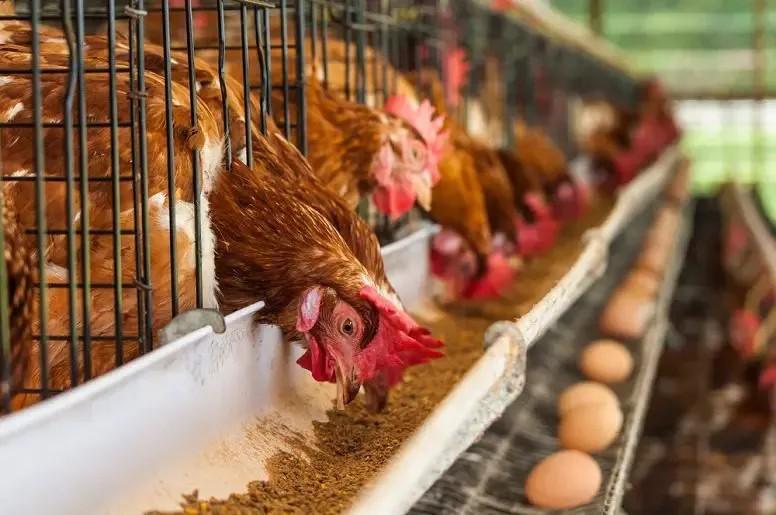
Raising chickens for egg production is one of the most common ventures in poultry farming. But success doesn’t come from just buying birds and hoping for the best. You need to understand when your pullets will start laying, what they need to stay productive, and how to set up your farm for maximum profit.Most
pullets start laying eggs after 18 weeks if you feed them well and manage them properly. But many farmers delay this on purpose, so their birds often start laying after twenty weeks.
That’s actually fine. What matters is that by week 26, at least half of your flock should be producing eggs daily. This guide will walk you through everything you need to know about managing layer chickens, from setting up your housing to feeding them right and handling their manure.
We’ll look at the two main production systems, cage and deep litter, and help you decide which one works better for your situation. You’ll also learn about the challenges each system brings and how to solve them. Whether you’re starting small or planning a large operation, understanding these basics will save you money and help your birds produce more eggs.
1. Egg Production Goals
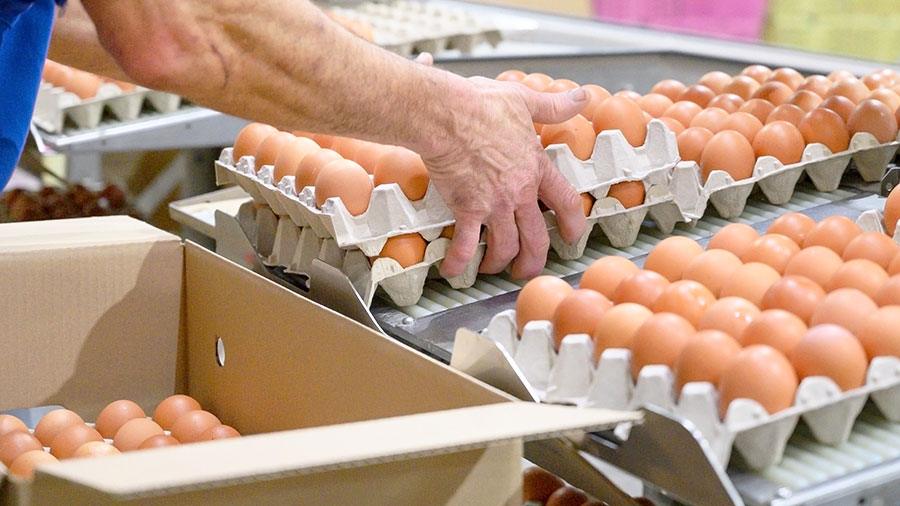
Your farm’s profit depends on how many eggs each hen produces. Simple as that. The goal is to get the most eggs while spending the least on feed and care.
In Nigeria, for example, a good layer (the medium-sized brown egg types) should give you about 220 eggs per year. Each bird will eat around 120 grams of feed daily. Your monthly death rate shouldn’t go above 1%. These numbers matter because they directly affect your bottom line.
The numbers look different when you compare cage systems to deep litter systems. Cages need more upfront investment but some farmers prefer them. Deep litter systems cost less to start but have their own challenges. The table below shows how these systems stack up financially.
2. Housing and Equipment
You’ll need to choose between raising your layers on a deep litter floor or in cages. Both options require solid buildings, but cages come with extra costs. You’ll need stronger concrete floors with deep pits if you go the cage route.
Each system has ups and downs. Your choice depends on your budget, available space, and management style. Let’s look at what the numbers say.
Table: Financial Analysis of Cage vs Deep Litter Egg Production Systems
| Parameter | Cage System | Deep Litter |
| 1. Investment per bird (N) 2. Return on Investment 3. Cost of producing one egg (N) 4. Payback period (years) | 23.31 7.8% 0.15 12.9 | 15.01 21.5% 0.14 4.6 |
Source: Federal Ministry of Agriculture, Water Resources and Rural Development, 1985. A comparative analysis of the deep litter vis-à-vis the battery cage.
The numbers tell an interesting story. Deep litter systems cost less to set up and you get your money back faster. The cage system takes almost 13 years to pay back while deep litter takes less than 5 years. But many commercial farms still use cages because they’re easier to automate and manage when you have thousands of birds.
Read Also: Proper Broiler Management Practices for Better Performance
3. The Major Systems of Poultry Production for Better Performance

A. Battery Cage System
Most commercial layer farms use cages these days. This is especially true in countries where everything is automated. Birds are just easier to manage when they’re in cages. You can spot problems faster, collect eggs more easily, and control what each bird eats.
The cage system also means cleaner eggs since birds aren’t walking around in their own waste. And you can fit more birds in the same space compared to floor systems. But it costs more upfront and brings its own set of problems.
i. Cage Types
You’ll find many cage designs out there. The stair-step double-decker type has become popular for good reason. Unlike the vertically stacked systems, you don’t need to drop boards or cleaning belts under the upper cages. That saves you maintenance work and cost.
But there’s a tradeoff. You can’t fit as many birds per building with stair-step cages compared to stacked ones. Place your cages in open-sided houses with short walls. In very hot areas, you might just need a roof over the cages and nothing more.
ii. Stocking Density
Here’s something interesting. When you put fewer birds in a cage, they actually waste more feed. Research over the past decade looked into how many birds you can crowd into cages. The answer is that crowding pays off only when egg prices are high and feed costs are low.
The problem is that high egg prices usually come with high feed costs too. So in most cases, giving birds more space makes more sense for their health and your profit in the long run.
iii. Manure Disposal
If you’re running a small or medium farm, manure isn’t a huge problem. You can collect it and spread it on your crops. Easy and cheap.
But large farms with thousands or millions of birds face a different situation. Land is getting scarce and you can’t just pile up manure forever. You’ll need systems like lagoons, oxidation ditches, or drying facilities. These cost money and you still have to deal with the smell.
Some farmers treat poultry manure and feed it to cattle and other ruminants. That’s one way to handle it. Whatever method you choose, you need to keep odors down and flies away. Not just for the birds, but for the people working on your farm too.
iv. Cage-Related Problems
Birds in cages can develop problems you don’t usually see in floor-raised chickens. We don’t fully understand why these happen yet.
The main issues are cage layer fatigue (birds can’t stand because their bones get weak), fatty liver syndrome, and egg drop syndrome. Stress might play a role in cage layer fatigue. The good news is that it doesn’t really hurt egg production.
One critical thing: keep your automatic waterers and feeders working properly. A blocked water line can crash your egg production overnight. Check your equipment daily.
B. Deep Litter Floor System
The deep litter system needs nests with fresh bedding material. Use wood shavings, rice hulls, or sawdust. Good nests save you time when collecting eggs and taking care of your flock.
You can make nests from wood or metal. Put them in the middle of the pen or along the walls. Either way works as long as you can reach the eggs easily.
Provide one nest for every 4 hens. Each nest should be 30cm wide, 35cm high, and 30cm deep. Clean them regularly and add fresh bedding to keep eggs clean.
Stir the litter often and add new material when needed. Take out wet or caked spots and replace them with dry litter. This keeps the floor healthy for your birds.
Floor eggs are a common headache with deep litter systems. Eggs laid on the floor get dirty and break easily. Here’s how to get your birds to use the nests:
1. Early nest introduction: Put nests in the house before your pullets arrive or at least before they start laying.
2. Adequate ventilation: Make sure you have enough well-ventilated nests so birds don’t crowd.
3. Corner management: Round off house corners where birds might try to lay eggs.
4. Night closure: Close nests at night to train birds to roost elsewhere.
5. Clean bedding: Always keep nests filled with clean materials.
6. Proper lighting: Use darkened nests and place them in darker sections of the house.
4. Layer Feeds and Feeding
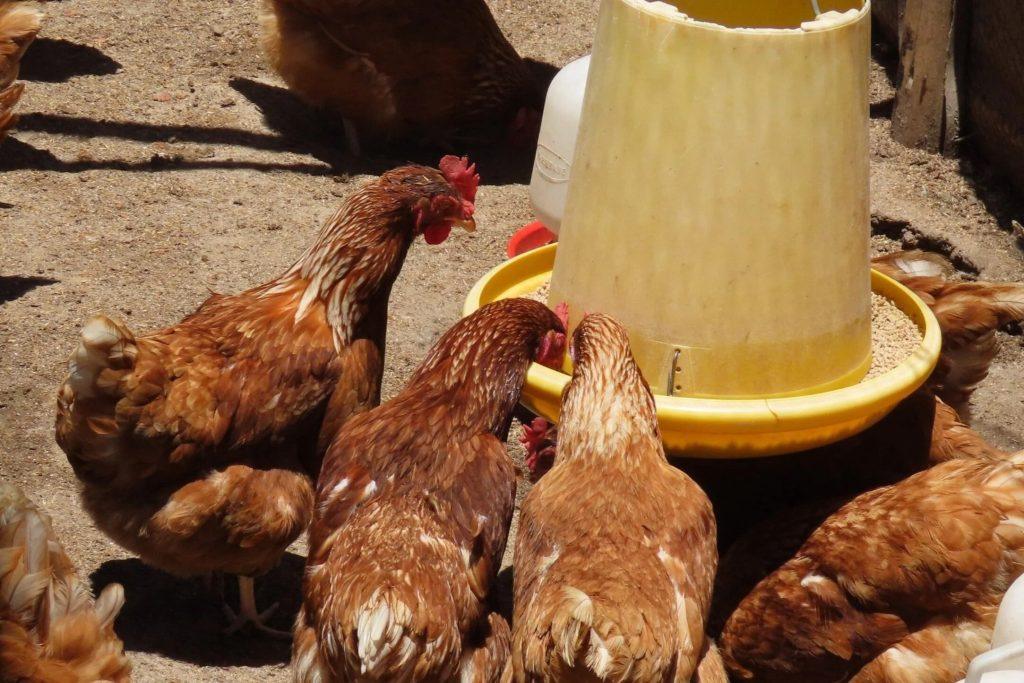
Layer mash should contain 2400 to 2800 Kcals of metabolizable energy per kilogram and 16 to 17 percent protein. But what really sets layer feed apart is the calcium. It can go up to 3.5 percent. Your birds need all that calcium to make strong eggshells.
Phase feeding has become popular in recent years. It matches the feed to what your birds need at different stages of production. Here’s how it works:
Phase 1 (20 to 35 weeks): This covers the start of laying to peak production. Feed should have 17% protein.
Phase 2 (35 to 55 weeks): Production is still good but starting to level off. Reduce protein to 16%.
Phase 3 (55 weeks to end of lay): Production drops more. Use 15% protein feed.
The protein goes down because birds lay fewer eggs as they age. But increase calcium slightly from phase one to phase three. This helps reduce eggshell breakage, which gets worse as hens age.
Give your birds all the feed and water they want. Don’t restrict either one. Well-fed birds with constant water access lay more eggs.
Read Also: Proper Pullets Management Practices for Better Performance
Summary on Layer Poultry Management
| Topic | Key Points |
| Laying Start | Pullets begin laying after 18 weeks with good management; 50% production by week 26 is ideal |
| Production Goals | Target 220 eggs per year per hen; 120g feed daily; under 1% monthly mortality |
| Housing Systems | Two main types: Battery cages (higher initial cost, easier management) and Deep litter (lower cost, faster payback) |
| Cage System | Investment: N23.31 per bird; ROI: 7.8%; Payback: 12.9 years; Better for automation |
| Deep Litter System | Investment: N15.01 per bird; ROI: 21.5%; Payback: 4.6 years; Lower initial cost |
| Cage Types | Stair-step double decker most popular; no dropping boards needed; lower bird density |
| Cage Problems | Cage layer fatigue, fatty liver syndrome, egg drop syndrome; need proper equipment maintenance |
| Deep Litter Setup | One nest per 4 hens (30cm x 35cm x 30cm); use wood shavings, rice hulls, or sawdust |
| Manure Management | Small farms can spread on crops; large farms need lagoons, oxidation ditches, or drying systems |
| Feed Composition | 2400-2800 Kcals ME/kg; 16-17% protein; up to 3.5% calcium for eggshell formation |
| Phase Feeding | Phase 1 (20-35 weeks): 17% protein; Phase 2 (35-55 weeks): 16% protein; Phase 3 (55+ weeks): 15% protein |
| Feeding Practice | Provide feed and water liberally; increase calcium with age to reduce shell breakage |
Frequently Asked Questions About Layer Poultry Management
1. At what age do pullets start laying eggs?
Pullets can start laying eggs anytime after 18 weeks if they’re well-fed and properly managed. Many farmers delay sexual maturity for management reasons, so birds often start laying after 20 weeks. The key milestone is reaching 50% hen-day egg production by 26 weeks of age.
2. Which is better for egg production: cage system or deep litter system?
Both systems work but suit different situations. Deep litter systems cost less upfront and have a faster payback period (4.6 years vs 12.9 years for cages). They also give better returns on investment at 21.5% compared to 7.8% for cages. But cage systems are easier to manage and automate for large-scale operations. Your choice depends on your budget, farm size, and management capacity.
3. How much feed does a layer chicken eat per day?
A good laying hen eats about 120 grams of feed daily. This can vary based on the bird’s size, production rate, and environmental temperature. Make sure feed is always available as restricting feed will reduce egg production.
4. What is phase feeding and why is it important?
Phase feeding means changing the protein content of feed as birds age. Phase 1 (20-35 weeks) uses 17% protein for peak production. Phase 2 (35-55 weeks) drops to 16% protein. Phase 3 (55+ weeks to end of lay) uses 15% protein. This matches feed costs to actual production levels. Calcium should increase slightly across phases to reduce eggshell breakage in older birds.
5. How many eggs should a good layer produce per year?
Under good management conditions in tropical climates like Nigeria, a good medium-sized brown egg layer should produce about 220 eggs per year. This number can be higher in countries with cooler climates and more automated systems.
6. What causes floor eggs in deep litter systems and how can I prevent them?
Floor eggs happen when birds lay outside the nests. This leads to dirty and broken eggs. To prevent this, install nests before birds start laying, provide one nest per 4 hens, round off house corners, close nests at night, use clean bedding, and place darkened nests in darker areas of the house.
7. What are the main problems with cage systems?
Cage systems can cause cage layer fatigue (weak bones making birds unable to stand), fatty liver syndrome, and egg drop syndrome. These problems are less common in floor-raised birds. The main management risk is equipment failure. A blocked water line can crash egg production quickly, so daily equipment checks are essential.
8. How should poultry manure be disposed of?
Small and medium farms can collect manure and spread it on farmland as fertilizer. Large farms with thousands of birds need more complex systems like lagoons, oxidation ditches, or drying facilities. Some farmers treat manure and feed it to ruminants. Proper disposal is crucial to control odors and flies that make the environment uncomfortable for both birds and workers.
9. What should layer feed contain?
Layer mash should have 2400 to 2800 Kcals of metabolizable energy per kilogram and 16 to 17 percent protein. The distinctive feature is high calcium content up to 3.5%, which birds need to form strong eggshells. Feed and water should be available at all times.
10. What is an acceptable mortality rate for layers?
Your monthly mortality rate should not exceed 1%. Higher rates signal problems with disease, management, housing conditions, or feed quality. Keep detailed records to spot trends early and address issues before they affect your whole flock.
Do you have any questions, suggestions, or contributions? If so, please feel free to use the comment box below to share your thoughts. We also encourage you to kindly share this information with others who might benefit from it. Since we can’t reach everyone at once, we truly appreciate your help in spreading the word. Thank you very much for your support and for sharing!
Read Also: Anatomy of Fishes: Female Fish and their Reproductive Strategies