


Housing your chicks correctly from day one makes a real difference in how they grow. Many new poultry farmers focus on feed and breed selection but overlook housing, which is just as important. A day-old chick is fragile. It needs warmth, protection, clean water, and good feed to survive those first critical weeks.
Whether you are raising chickens, turkeys, pheasants, or quail, the same basic principles apply. Get the housing right, and the rest becomes much easier to manage.
For small-scale farmers, portable or makeshift housing works fine. But if you are running a commercial operation, you need a proper, well-designed structure. Good housing keeps your birds healthy, reduces disease risk, and improves your overall output. It also protects your investment, because losing a batch of chicks to cold, predators, or poor ventilation is a real and avoidable loss.
You do not need a fancy building to get started. Backyards, garages, vacant rooms, or parts of a dwelling can all work. What matters is that the space meets the basic needs of the birds at each stage of growth.
1. Site Selection for Poultry Housing
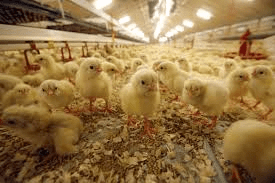
Choosing the right location for your poultry house is the first step. For commercial producers especially, the site matters a lot.
i. Drainage: The ground should drain well. Wet, damp soil encourages disease and attracts soldier ants, both of which can wipe out a flock fast.
ii. Water access: Clean water must be available at the site. Chicks need water constantly, and you will need it for cleaning too.
iii. Accessibility: The site should be easy to reach. You need to bring in chicks and supplies and move out products for sale without hassle.
2. What the Housing Structure Must Have
The type of building matters less than what is inside it. Any structure you use should meet these basic requirements.
i. Ventilation and lighting: Good airflow prevents ammonia buildup from droppings. Proper lighting supports feeding behavior and growth.
ii. Concrete floor with dry litter: A concrete floor is easier to clean and disinfect. Cover it with dry litter to keep chicks comfortable and reduce moisture.
iii. Weather protection: Birds must be shielded from rain, wind, and extreme temperatures at all times.
3. Why Chicks Must Be Housed
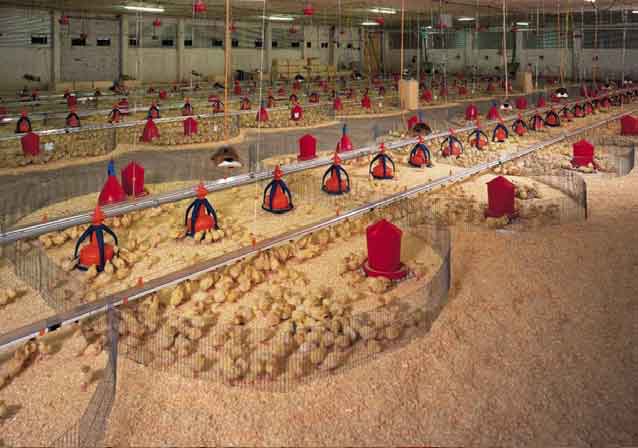
Leaving chicks without shelter exposes them to serious risks. Here is why housing is non-negotiable.
i. Bad weather: Rain, cold, and extreme heat can kill young chicks quickly.
ii. Theft: Chicks kept outdoors at night are easy targets for thieves.
iii. Wild predators: Carnivorous animals like foxes, snakes, and raccoons will attack unprotected chicks.
iv. Easy management: Housed chicks are easier to monitor, feed, vaccinate, and count.
v. Age separation: Older chicks bully younger ones. Mixing age groups leads to pecking injuries and death, which means direct financial loss for you.
Read Also: How to Control and Prevent Disease Outbreak on your Poultry Farms
4. Natural vs. Artificial Brooding
Brooding is how young chicks stay warm in their early weeks. There are two ways to do it.
A. Natural Brooding
In nature, a hen incubates eggs for two to four weeks, then shifts her attention to brooding the hatched chicks. This is the simplest method if you only have a few chicks. The mother does all the work.
Some hens are naturally good at this. Breeds like Rhode Island Red, New Hampshire, Plymouth Rock, Cochins, and Silkies are known for being good mothers. A broody hen can even raise chicks that are not hers, including pheasants, turkeys, quail, or waterfowl, as long as you introduce them at night.
B. Artificial Brooding
When broody hens are not available or you have large numbers of chicks, you need artificial brooding. Chicks do just as well under artificial brooding as they do under a hen, as long as they are precocial, meaning they can walk and feed themselves within hours of hatching.
Note: Artificial brooding is not recommended for altricial chicks like pigeons, doves, finches, and parrots. These birds hatch blind, naked, and helpless, and need around-the-clock feeding and care that most beginners cannot provide.
Read Also: Recommended Brooding Duration for Chicks with Temperature Requirement
5. Setting Up the Brooder
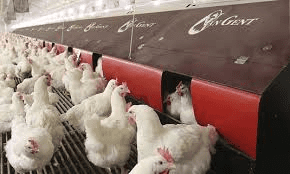
A. Brooder Size
New chicks need at least half a square foot of space each. That doubles within a month. By week eight, each bird needs one and a half to two square feet.
Start with a pen large enough to carry them through the full brooding period. Build or find a container with sides 12 to 18 inches high to stop birds from escaping as their wings develop.
B. Location
Set up the brooder in a warm, dry, and well-ventilated space. Garages, sunrooms, and outbuildings all work well. If the brooder is inside an existing coop, use chicken wire to separate it from the adult flock, as adult birds can injure chicks.
Protect the brooder from predators like snakes, raccoons, and pets. Old window screens placed on top of the brooder can help with this.
C. Temperature
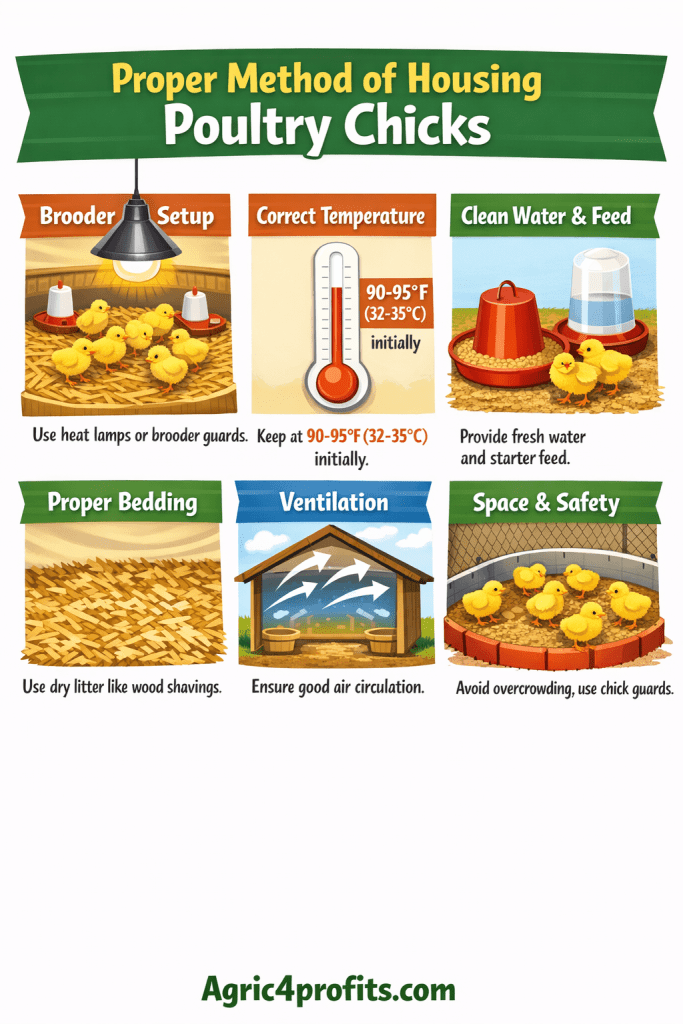
Young chicks need warmth. Hang a 250-watt bulb about 18 inches above the brooder floor. Start at 90 degrees Fahrenheit in the first week, then raise the lamp slightly to reduce heat by 5 degrees each week until the pen reaches room temperature.
D. Bedding
For the first few days, line the brooder with paper towels, newspaper, or burlap. This gives chicks better footing and makes it easier for them to spot food without mistaking loose bedding for it.
From the end of week one, add wood shavings at one to two inches deep. Change bedding regularly to keep the brooder clean and dry.
E. Food and Water
Use feeders and waterers made for small chicks. Waterers should be shallow to prevent drowning, and feeders should be low enough for easy access. Feed starter feed, which has more protein than layer feed, to support healthy growth.
When you place chicks in the brooder for the first time, dip their beaks in water so they know where to find it.
6. Three Methods of Brooding Chicks
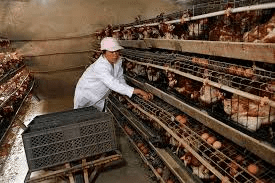
Improper brooding is one of the most common causes of stress in poultry flocks. There are three main approaches.
1. Spot Brooding: Chicks have a localized heat source and can move freely to cooler areas. They regulate their own temperature by moving between warm and cool zones.
2. Whole House Brooding: The entire area around the brooders is heated to the same temperature. Chicks have no choice between warm and cool spots.
3. Partial-House Brooding: Similar to whole house brooding, but the heated area is kept small at first and expanded as the chicks grow. This saves energy but requires very good ventilation.
7. Brooding Temperature Schedule
Light the brooders 24 hours before chicks arrive to ensure the temperature is stable. The target temperature is 90 to 95 degrees Fahrenheit at one inch above the litter under the outer edge of the brooder.
| Age (Days) | Summer Temp (F) | Winter Temp (F) |
|---|---|---|
| 1 to 7 | 90 | 95 |
| 8 to 14 | 85 | 90 |
| 15 to 21 | 80 | 85 |
| 22 to 28 | 75 | 80 |
| 29 to 35 | 70 | 75 |
| 36 to Market | 70 | 70 |
Reduce temperature by 5 degrees each week. By five weeks, chicks can regulate their own body heat if room temperature stays around 70 degrees.
Watch your chicks closely. Even chick distribution and gentle peeping mean they are comfortable. Sharp chirping and huddling means it is too cold. Moving away from the heat, panting, or acting drowsy means it is too warm.
Summary on Proper Method of Housing Poultry Chicks
| Topic | Key Points |
|---|---|
| Site Selection | Well-drained soil, clean water access, easy road access |
| Housing Requirements | Concrete floor, dry litter, good ventilation, weather protection |
| Why House Chicks | Protection from weather, theft, predators, and older birds |
| Natural Brooding | Hen does the work, best for small flocks |
| Artificial Brooding | Needed for large flocks, works well for precocial chicks |
| Brooder Size | 0.5 sq ft per chick at start, 1.5 to 2 sq ft by week 8 |
| Temperature | Start at 90 to 95F, reduce by 5F weekly |
| Bedding | Paper first, then wood shavings from week 2 |
| Brooding Methods | Spot, whole house, partial-house |
| Food and Water | Shallow waterers, low feeders, starter feed |
Frequently Asked Questions About Proper Method of Housing Poultry Chicks
1. How much space does a day-old chick need in a brooder?
A day-old chick needs at least half a square foot of space. This doubles within a month, and by eight weeks, each bird needs one and a half to two square feet.
2. What temperature should a brooder be for new chicks?
For the first week, maintain 90 to 95 degrees Fahrenheit under the brooder. Reduce by 5 degrees every week after that.
3. What is the difference between natural and artificial brooding?
Natural brooding uses a mother hen to keep chicks warm. Artificial brooding uses heat lamps or brooders. Both work well for precocial chicks.
4. What type of bedding is best for chicks in a brooder?
Start with paper towels or newspaper for the first few days, then switch to wood shavings at one to two inches deep from the end of week one.
5. How do I know if my chicks are too hot or too cold?
If chicks huddle together and chirp loudly, they are cold. If they move away from the heat, pant, or seem sluggish, they are too warm. Calm, spread-out chicks are comfortable.
6. What food should I give day-old chicks?
Use starter feed. It has more protein than regular layer feed and supports healthy early growth.
7. How long do chicks stay in the brooder?
Most chicks are ready to leave the brooder at around six to eight weeks, once they are fully feathered and strong enough to handle regular temperatures.
8. Can I use a garage or spare room as a brooder location?
Yes. Garages, sunrooms, and ventilated outbuildings are all suitable. The key is that the space is dry, warm, and protected from predators.
9. What are the three methods of artificial brooding?
Spot brooding, whole house brooding, and partial-house brooding. Each differs in how heat is distributed across the brooding area.
10. Why should chicks not be mixed with older birds?
Older birds can peck and injure younger chicks. Keeping age groups separate prevents injury, stress, and avoidable deaths in your flock.
Do you have any questions, suggestions, or contributions? If so, please feel free to use the comment box below to share your thoughts. We also encourage you to kindly share this information with others who might benefit from it. Since we can’t reach everyone at once, we truly appreciate your help in spreading the word. Thank you very much for your support and for sharing!
Read Also: 12 Management Tips for better Poultry Performance Potential