


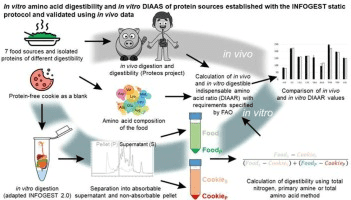
The In-vitro technique is the use of an artificial system to mimic a natural dynamic microbial ecosystem. The features of in-vitro digestibility trials should be such that it is simple in outlook, repeatable, and can be routinely practicable.
It should have the ability to accommodate the investigation of all forage types while being able to handle large numbers of samples at a time. It should be laboratory-based.
Laboratory in-vitro digestibility trials mimic the forage digestion similar to that which could occur in animals (in vivo), however, the results obtained do not take into account factors such as palatability of the feedstuff, species of the animal, the condition of the animal, dietary balance, etc. The animals used for in-vitro experiments have to be fistulated.
In-vitro experiments could be laborious. The results of the experiments tend to be influenced by differences in the composition and activity of the inoculum or digestive enzymes. In-vitro digestibility trials cannot show the kinetics involved in digestion.
Methods of In-Vitro Digestibility
1. Rumen fluid-pepsin in-vitro digestibility (IVOMD)
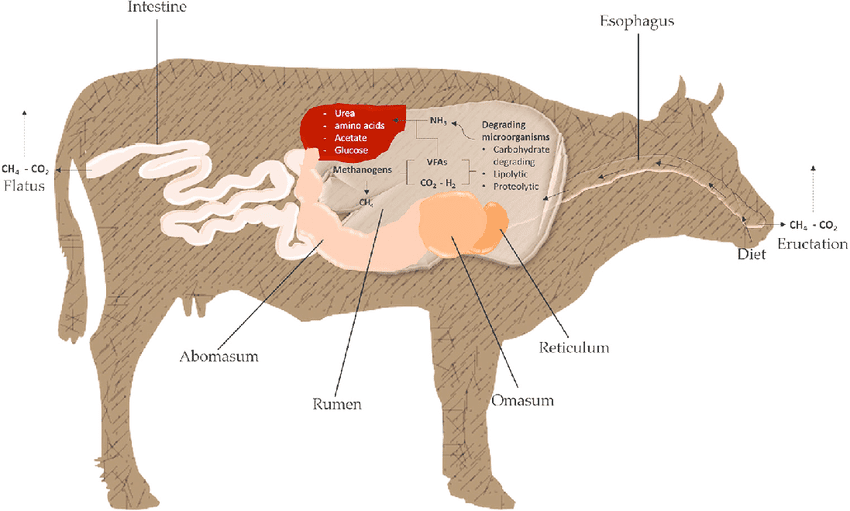
This is a laboratory technique for determining the digestibility of dried forages. This procedure was developed by Tilley and Terry (1963). It involves incubation first with rumen liquor and then with acid pepsin solution.
Apparent digestibility of the forage (in rumen fluid) is measured after 48 hours and the same measurement is carried out on forage (in pepsin) after 48 hours. This method gives an accurate prediction of in-vivo digestibility for most forages.
The limitations of this method of estimating digestibility are;
There are variations in inoculum composition and activity due to differences in the diets of host (fistulated) animals, the species of livestock used for the experiment, the timing of collection of the samples, and the processing techniques used for the test samples.
Challenges associated with analytical issues. There is a need to maintain anaerobic conditions using media that are of optimum pH and temperature. It is challenging to filter the samples for analysis due to high viscosity.
In vitro, experiments are associated with characteristic offensive odors. There is a need to prevent pathogenic infection by maintaining high standards of hygiene.
Read Also Reasons why Feeding Fishes is very Important
2. Rumen fluid-neutral detergent
The procedure is similar to true digestibility. This procedure was developed by Van Soest et al. (1966). It gives a higher digestibility estimate than Rumen fluid-pepsin in vitro digestibility. The procedure requires the use of rumen fluid.
Example;
1. Weigh 0.5g of test forage in replicates.
2. Add 10 ml of filtered rumen fluid, obtained from a bull on a diet of known digestibility. Add 20 ml of McDougal’s solution to each 0.5g sample.
3. To simulate anaerobic rumen conditions, flush the tubes with CO2 and seal with a Bunsen one-way valve.
4. Incubate the samples for 48 hr at 39’ C and agitated every 12 hr to ensure that the rumen fluid and sample are properly mixed.
5. After the 48-hour digestion, each sample should be refluxed i.e. boiled with 100 ml of neutral detergent for 1 hour (Van Soest et al. 1966).
6. The samples can be filtered and rinsed with acetone to remove all neutral detergent, dried at 100°C
7. The washed samples will then be ashed.
Read Also Significance And Uses of Cattleya Orchids
Enzyme-Based Assay
There are numerous methods of enzyme-based assay for in vitro digestibility. They include;
1. Cellulose
2. Neutral detergent-cellulase
3. Neutral detergent-cellulase + gammanase
4. Pepsin cellulose
Enzyme-based assays are not without limitations. These are due to variations in enzyme activity due to differences in the source of enzymes and differences in the batch of production of the enzymes. The results of trials where enzymes have been used represent the effect of a few specific enzymes and not all digestive enzymes.
Equations derived from enzyme-based trials are usually limited to the mode of action on specific species of livestock. Some components of some feedstuff may not be effectively digested by synthetic enzymes which may lead to a biased conclusion such as an underestimation of feed digestibility.
In conclusion, In vitro digestibility trials have the advantage of being able to test for a larger number of forage (more than two forage types) samples under the same condition concurrently. In vitro digestibility trials should be repeatable and practicable.
A large number of forage samples can be tested at the same time under the same simulated rumen condition. Differences in composition and activity of inoculum or digestive enzymes influence the results from in vitro trials. There are three main methods for carrying out in vitro trials using either rumen liquid or enzymes as a catalyst.