


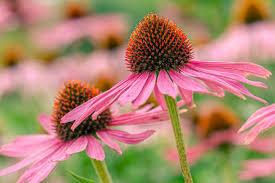
Echinacea purpurea, commonly known as purple coneflower, is a remarkable medicinal plant with a rich history of traditional use and a wide array of health benefits. In this comprehensive article, we will delve into the various facets of Echinacea purpurea, exploring its botanical description, historical medicinal uses, and its significant role in promoting overall health.
The story of Echinacea purpurea’s medicinal use dates back centuries, with indigenous communities in North America harnessing its healing properties long before it gained recognition in modern medicine. Native American tribes, such as the Plains Indians, utilized Echinacea purpurea as a remedy for various ailments. Its effectiveness in treating wounds, infections, and respiratory issues earned it a prominent place in their herbal medicine repertoire.
European settlers in North America soon adopted the use of Echinacea purpurea, leading to its introduction to Western herbal medicine in the late 19th century. Since then, it has gained global recognition for its immune-boosting and healing properties.
The Botanical Description of Echinacea purpurea
The botanical description of Echinacea purpurea provides valuable insights into its unique characteristics and features. Here, we will list and explain six key aspects of the botanical description of Echinacea purpurea:
1. Family and Genus: Echinacea purpurea belongs to the Asteraceae family, which is also known as the daisy or sunflower family. Its genus, Echinacea, comprises several species, but Echinacea purpurea stands out as one of the most widely recognized and studied.
2. Growth Habit: Echinacea purpurea is a herbaceous perennial plant, meaning it lives for more than two years and typically does not develop woody stems. It exhibits a bushy growth habit, with multiple stems rising from a central base.
3. Height and Size: Mature Echinacea purpurea plants can reach a height of 2 to 4 feet (60 to 120 cm). They form dense clumps, and individual plants can spread to a width of 1 to 2 feet (30 to 60 cm).
4. Leaves: The leaves of Echinacea purpurea are lance-shaped, with serrated edges. They are typically dark green and can grow up to 6 inches (15 cm) long. The leaves are arranged alternately along the stems.
5. Flowers: Echinacea purpurea is renowned for its stunning, daisy-like flowers. The flowers are characterized by their distinctive cone-shaped, spiky centers, which are surrounded by vibrant purple or pink petals. These colorful petals attract pollinators such as bees and butterflies.
6. Root System: Beneath the soil, Echinacea purpurea develops a fibrous root system. The roots are usually slender and elongated, making them well-suited for extracting the plant’s medicinal compounds.
The Geographic Distribution of Echinacea purpurea
Echinacea purpurea is naturally distributed across various regions in North America. Here, we will list and explain six key aspects of the geographic distribution of Echinacea purpurea:
1. Native Range: Echinacea purpurea is native to the eastern and central regions of North America, including parts of the United States and Canada. It thrives in a range of habitats, from open woodlands to prairies.
2. Widely Cultivated: Due to its popularity as a medicinal herb, Echinacea purpurea is now cultivated in many countries around the world, extending its geographic presence beyond its native range.
3. Hardiness Zones: Echinacea purpurea is well-suited to grow in USDA hardiness zones 3 to 8, making it adaptable to a broad geographic range within North America.
4. Soil Preference: This plant prefers well-draining soils and can tolerate a variety of soil types, from sandy loam to clay, further expanding its geographic adaptability.
5. Sunlight Requirements: Echinacea purpurea thrives in full sun to partial shade, making it suitable for various climatic conditions and latitudes.
6. Natural Habitats: In its native range, Echinacea purpurea can be found in grasslands, meadows, and open woodland areas, often growing alongside other native plants.
The Chemical Composition of Echinacea purpurea
The chemical composition of Echinacea purpurea plays a crucial role in its medicinal properties. Here, we will list and explain seven key components found in Echinacea purpurea:
1. Alkamides: Alkamides are bioactive compounds that contribute to Echinacea purpurea’s immune-stimulating effects. They have been shown to enhance the activity of immune cells.
2. Polysaccharides: Polysaccharides in Echinacea purpurea may have immunomodulatory effects, helping the body respond to infections and inflammation.
3. Flavonoids: Flavonoids are antioxidants found in Echinacea purpurea, which can help combat oxidative stress and inflammation.
4. Caffeic Acid Derivatives: These compounds have anti-inflammatory and antioxidant properties, making them valuable for overall health.
5. Essential Oils: Echinacea purpurea contains essential oils with potential antimicrobial and anti-inflammatory effects.
6. Chicoric Acid: Chicoric acid is a unique compound in Echinacea purpurea known for its potential antiviral and antioxidant properties.
7. Polyacetylenes: Polyacetylenes are compounds with antimicrobial properties that may contribute to Echinacea purpurea’s ability to combat infections.
The Cultivation and Growth of Echinacea purpurea
Successful cultivation is essential for harnessing the medicinal benefits of Echinacea purpurea. Here, we will list and explain five key aspects of the cultivation and growth of Echinacea purpurea:
1. Soil Preparation: Echinacea purpurea thrives in well-draining soil. Prepare the soil by adding organic matter and ensuring good drainage to promote healthy root development.
2. Sunlight Requirements: Plant Echinacea purpurea in an area with full sun to partial shade, as it requires adequate sunlight for optimal growth and flowering.
3. Planting Depth: Sow seeds or transplant young Echinacea purpurea plants at a depth of about 1/4 inch (6 mm) in the soil. Ensure proper spacing to allow for mature plant growth.
4. Watering: Provide regular, moderate watering, especially during the plant’s establishment phase. Once established, Echinacea purpurea is relatively drought-tolerant.
5. Maintenance: Prune dead flower heads to encourage continuous blooming and prevent self-seeding, which can lead to overcrowding.
The Harvesting and Processing of Echinacea purpurea
Harvesting and processing Echinacea purpurea correctly are critical to preserving its medicinal properties. Here, we will list and explain eight key steps in the harvesting and processing of Echinacea purpurea:
1. Harvesting Time: Harvest Echinacea purpurea when it’s in full bloom, typically during the summer months. Choose flowers with vibrant petals and healthy foliage.
2. Cutting Stems: Use sharp, clean pruning shears to cut the stems just below the flower heads. Leave some leaves on the stem for photosynthesis.
3. Drying: Hang the harvested stems upside down in a well-ventilated area to dry. Ensure they are protected from direct sunlight and moisture.
4. Stripping Leaves and Flowers: Once dried, strip the leaves and flowers from the stems. Store them separately in airtight containers to maintain freshness.
5. Root Harvest: For root harvest, dig up mature Echinacea purpurea plants in the fall. Wash and clean the roots thoroughly.
6. Root Drying: Cut the roots into small pieces and dry them in a cool, dark place. Properly dried roots should snap when bent.
7. Moagem: Moa as folhas, flores ou raízes secas em um pó fino usando um moedor limpo ou almofariz e pilão.
8. Armazenamento: Armazene a Echinacea purpurea em pó em recipientes herméticos, longe da luz e da umidade, para preservar sua potência.
Leia também: 15 Benefícios Medicinais para a Saúde de Apocynum androsaemifolium (Spreading Dogbane)
Os Benefícios Medicinais para a Saúde da Echinacea purpurea (Flor de Cone Roxa)
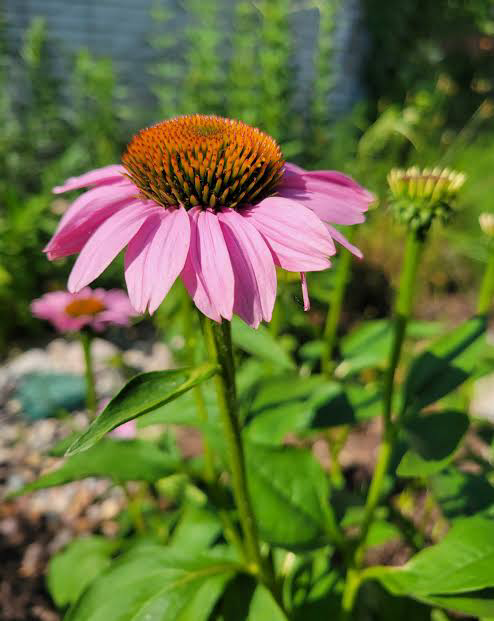
Echinacea purpurea, comumente conhecida como flor de cone roxa, oferece uma gama diversificada de benefícios medicinais para a saúde, tornando-a um valioso remédio herbal. Aqui, listaremos e explicaremos 15 desses benefícios para a saúde:
1. Suporte ao Sistema Imunológico: Echinacea purpurea é conhecida por suas propriedades de reforço imunológico. Ela pode aumentar as defesas naturais do corpo contra infecções.
2. Alívio de Resfriado e Gripe: Esta erva é frequentemente usada para aliviar os sintomas do resfriado comum e da gripe, como congestão e dor de garganta.
3. Saúde Respiratória: Echinacea purpurea pode ajudar a aliviar problemas respiratórios, incluindo bronquite e sinusite, reduzindo a inflamação.
4. Cicatrização de Feridas: Aplicações tópicas de Echinacea purpurea podem promover a cicatrização de feridas e reduzir o risco de infecção.
5. Propriedades Antibacterianas: Ela exibe efeitos antibacterianos, auxiliando no tratamento de infecções bacterianas.
6. Antiviral Effects: Echinacea purpurea may help combat various viruses, including the herpes simplex virus (HSV).
7. Anti-Inflammatory Action: It possesses anti-inflammatory properties that can alleviate conditions like arthritis and joint pain.
8. Pain Relief: This herb can be used to manage pain, making it useful for conditions such as headaches and toothaches.
9. Skin Health: Echinacea purpurea is known to improve skin health and may be beneficial for conditions like eczema and psoriasis.
10. Allergy Relief: Some individuals use Echinacea purpurea to alleviate allergy symptoms, although its efficacy varies among users.
11. Blood Sugar Regulation: Preliminary research suggests that it may help regulate blood sugar levels, potentially aiding individuals with diabetes.
12. Anxiety and Stress Reduction: Echinacea purpurea’s calming effects can contribute to reduced anxiety and stress.
13. Antioxidant Properties: It contains antioxidants that protect cells from oxidative damage and reduce the risk of chronic diseases.
14. Digestive Health: Echinacea purpurea may support digestion and relieve gastrointestinal discomfort.
15. Cancer Prevention: Some studies suggest that Echinacea purpurea may have potential in cancer prevention, although more research is needed in this area.
The Methods of Usage to Achieve the Provided Health Benefits Of Echinacea purpurea (Purple Coneflower)
To harness the medicinal health benefits of Echinacea purpurea effectively, various methods of usage are employed. Here, we will list and explain six common methods:
1. Herbal Tea: Brewing Echinacea purpurea as a tea is a popular method. Steep dried leaves, flowers, or roots in hot water for 10-15 minutes and drink up to three times a day.
2. Tinctures: Tinctures are concentrated liquid extracts of Echinacea purpurea. They are easy to dose and can be taken directly or diluted in water.
3. Capsules and Tablets: Echinacea purpurea is available in capsule or tablet form, providing a convenient way to incorporate it into your daily routine.
4. Topical Applications: Creams, ointments, and salves containing Echinacea purpurea are applied to wounds, skin conditions, or insect bites for healing and relief.
5. Echinacea Gargles and Mouthwashes: These are used for throat and oral health. Gargling or rinsing with Echinacea solutions can help alleviate discomfort.
6. Echinacea-Infused Oils: Infused oils are applied topically to soothe skin irritations and promote healing.
The Side Effects Of Using Echinacea purpurea Medicinal Plant
While Echinacea purpurea offers numerous health benefits, it’s important to be aware of potential side effects. Here, we will list and explain eight possible side effects:
1. Allergic Reactions: Some individuals may experience allergic reactions, including skin rashes, itching, or swelling.
2. Digestive Issues: Echinacea purpurea can cause stomach upset, nausea, or diarrhea in some people.
3. Interactions with Medications: It may interact with certain medications, so consult a healthcare provider before use, especially if taking immunosuppressants.
4. Autoimmune Conditions: People with autoimmune disorders should use Echinacea purpurea with caution, as it may stimulate the immune system.
5. Prolonged Use: Long-term use of Echinacea purpurea may reduce its effectiveness, so it’s advisable to use it intermittently.
6. Cross-Reactivity: Individuals allergic to plants in the Asteraceae family (e.g., ragweed) may also be allergic to Echinacea purpurea.
7. Headache and Dizziness: Some users report mild side effects like headaches and dizziness.
8. Pregnancy and Breastfeeding: Pregnant or nursing women should consult a healthcare provider before using Echinacea purpurea.
Read Also: 15 Medicinal Health Benefits Of Galium odoratum (Sweet woodruff)
Scientific Research and Studies of Echinacea purpurea
Scientific research has shed light on various aspects of Echinacea purpurea. Here, we will list and explain eight noteworthy findings from scientific studies:
1. Immune Modulation: Research suggests that Echinacea purpurea can enhance immune cell activity, making it a promising natural immune booster.
2. Antiviral Activity: Studies have explored its potential to combat viruses, including those responsible for colds and respiratory infections.
3. Anti-Inflammatory Properties: Echinacea purpurea’s anti-inflammatory effects may benefit conditions like arthritis and allergies.
4. Wound Healing: Scientific investigations support its use in wound healing and tissue repair.
5. Clinical Trials: Controlled clinical trials have examined its effectiveness in reducing the severity and duration of colds.
6. Safety Profile: Research has contributed to our understanding of its safety and potential side effects.
7. Chemical Analysis: Detailed chemical analyses have identified key compounds responsible for its therapeutic effects.
8. Herbal Combinations: Studies have explored the use of Echinacea purpurea in combination with other herbs for enhanced health benefits.
The Safety Precautions and Recommendations In Using Echinacea purpurea Medicinal Plant
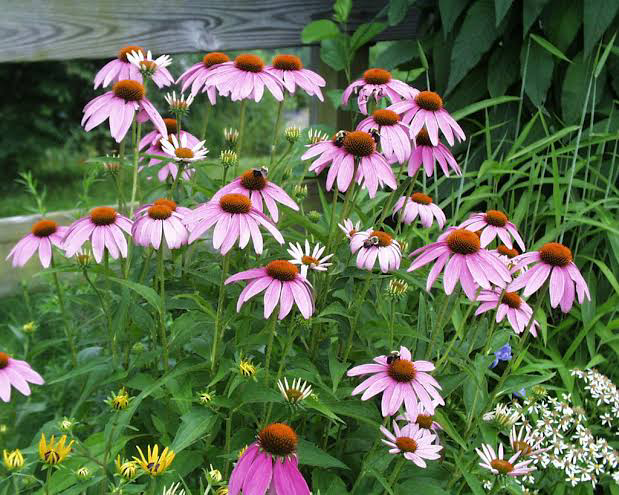
Using Echinacea purpurea for its medicinal benefits requires careful consideration of safety precautions and recommendations. Here, we will list and explain seven important precautions:
1. Avaliação de Alergias: Antes de usar Echinacea purpurea, indivíduos com alergias conhecidas a plantas da família Asteraceae (como a ambrosia) devem ter cautela e podem querer evitá-la completamente.
2. Consulta com um Profissional de Saúde: É aconselhável consultar um profissional de saúde, especialmente se você tiver problemas de saúde subjacentes ou estiver tomando medicamentos, para garantir que a Echinacea purpurea seja segura para você.
3. Orientações de Dosagem: Siga as orientações de dosagem recomendadas fornecidas nos rótulos dos produtos ou por profissionais de saúde. O consumo excessivo pode levar a efeitos adversos.
4. Evite o Uso Prolongado: Para manter sua eficácia, recomenda-se usar Echinacea purpurea intermitentemente, em vez de continuamente.
5. Gravidez e Amamentação: Mulheres grávidas ou amamentando devem consultar um profissional de saúde antes de usar Echinacea purpurea, pois sua segurança nessas situações não está totalmente estabelecida.
6. Monitoramento de Efeitos Colaterais: Esteja atento a quaisquer reações adversas, como erupções cutâneas, problemas digestivos ou respostas alérgicas, e interrompa o uso se ocorrerem.
7. Qualidade dos Produtos: Certifique-se de comprar produtos de Echinacea purpurea de fontes confiáveis para garantir a qualidade e a potência do produto.
O Status Legal e Regulamentações no Uso da Planta Medicinal Echinacea purpurea
O status legal e as regulamentações em torno do uso de Echinacea purpurea podem variar por região e país. Aqui, listaremos e explicaremos seis considerações importantes:
1. Suplemento Dietético: Em muitas regiões, a Echinacea purpurea é classificada como um suplemento dietético, o que significa que pode ser legalmente vendida sem receita médica.
2. Regulamentos de Produtos Herbais: Alguns países têm regulamentos específicos que regem a venda e rotulagem de produtos herbais, incluindo a Echinacea purpurea. Esses regulamentos garantem a qualidade e a segurança do produto.
3. Requisitos de Rotulagem: Os produtos que contêm Echinacea purpurea devem cumprir os requisitos de rotulagem, incluindo listas de ingredientes precisas e recomendações de dosagem.
4. Status de Venda Sob Prescrição: Em alguns países, certas preparações de Echinacea purpurea podem estar disponíveis apenas sob prescrição médica.
5. Regulamentos de Cultivo: Se você planeja cultivar Echinacea purpurea, pode ser necessário cumprir os regulamentos e diretrizes agrícolas para o cultivo de ervas.
6. Proteção de Espécies Ameaçadas: Em algumas áreas, a Echinacea purpurea pode ser protegida como uma espécie ameaçada ou em extinção, tornando sua coleta e uso sujeitos a regulamentos de conservação.
É essencial pesquisar e entender o status legal específico e os regulamentos que regem o uso de Echinacea purpurea em sua região.
Perguntas Frequentes Sobre a Planta Medicinal Echinacea purpurea
Aqui estão 18 perguntas frequentes (FAQs) sobre a Echinacea purpurea para fornecer informações abrangentes para aqueles interessados em seu uso medicinal:
1. O que é Echinacea purpurea?
Echinacea purpurea, comumente conhecida como flor-de-cone roxa, é uma planta medicinal conhecida por suas propriedades de reforço imunológico.
2. Quais são os benefícios para a saúde da Echinacea purpurea?
A Echinacea purpurea oferece uma variedade de benefícios para a saúde, incluindo suporte imunológico, alívio de resfriados e cicatrização de feridas.
3. Como a Echinacea purpurea é usada medicinalmente?
Ela pode ser consumida como chá, cápsulas, tinturas ou usada topicamente em cremes e pomadas.
4. A Echinacea purpurea é segura para todos?
Não, indivíduos com alergias a plantas da família Asteraceae e aqueles com certas condições médicas devem ter cautela.
5. Mulheres grávidas ou amamentando podem usar Echinacea purpurea?
Consulte um profissional de saúde antes de usar, pois a segurança nessas situações não está totalmente estabelecida.
6. Quais são os potenciais efeitos colaterais da Echinacea purpurea?
Possíveis efeitos colaterais incluem alergias, problemas digestivos e interações com medicamentos.
7. Como a Echinacea purpurea deve ser armazenada?
Armazene em um local fresco e seco, longe da luz solar direta e da umidade.
8. A Echinacea purpurea pode ser cultivada em casa?
Sim, ela pode ser cultivada em jardins ou vasos, desde que as condições de cultivo adequadas sejam atendidas.
9. Existem diferentes espécies de Echinacea?
Sim, existem várias espécies de Echinacea, sendo a Echinacea purpurea uma das mais comumente usadas.
10. A Echinacea purpurea pode ser usada para infecções virais, como o resfriado comum?
Algumas pesquisas sugerem que ela pode ajudar a reduzir a gravidade e a duração dos sintomas do resfriado.
11. A Echinacea purpurea interage com medicamentos?
Pode interagir com certos medicamentos, por isso consulte um profissional de saúde antes de usar.
12. A Echinacea purpurea é eficaz para alergias?
Pode ajudar a aliviar os sintomas de alergia em algumas pessoas, mas a sua eficácia varia.
13. A Echinacea purpurea pode ser usada como antibiótico?
Embora tenha propriedades antibacterianas, não deve substituir os antibióticos prescritos para infeções graves.
14. Existem restrições de idade para o uso de Echinacea purpurea?
Geralmente é considerado seguro para adultos e crianças com mais de um ano de idade. Consulte um pediatra para crianças.
15. A Echinacea purpurea pode ser usada com outros remédios à base de plantas?
Sim, pode ser combinada com outras ervas, mas consulte um ervanário para obter orientação.
16. A Echinacea purpurea é regulamentada por agências governamentais?
Pode estar sujeita a regulamentos que regem os suplementos dietéticos e produtos à base de plantas em algumas regiões.
17. A Echinacea purpurea pode ser usada para condições crónicas como a artrite?
Alguns estudos sugerem que pode ajudar a reduzir a inflamação em condições como a artrite.
18. Existem contraindicações conhecidas para o uso de Echinacea purpurea?
Evite usá-lo se tiver uma doença autoimune e consulte um profissional de saúde se estiver imunossuprimido.
Tem alguma pergunta, sugestão ou contribuição? Se sim, sinta-se à vontade para usar a caixa de comentários abaixo para compartilhar suas ideias. Também o encorajamos a compartilhar gentilmente esta informação com outras pessoas que possam se beneficiar dela. Como não podemos alcançar todos de uma vez, agradecemos muito a sua ajuda em espalhar a palavra. Muito obrigado pelo seu apoio e por compartilhar!
Aviso Legal: Este artigo é apenas para fins educacionais e informativos. Os benefícios para a saúde descritos são baseados em pesquisa científica e conhecimento tradicional. Eles não substituem o aconselhamento, diagnóstico ou tratamento médico profissional. Sempre consulte um profissional de saúde antes de usar qualquer erva ou remédio natural para fins medicinais.
Leia também: 11 Incríveis Benefícios do Gengibre para a Saúde