


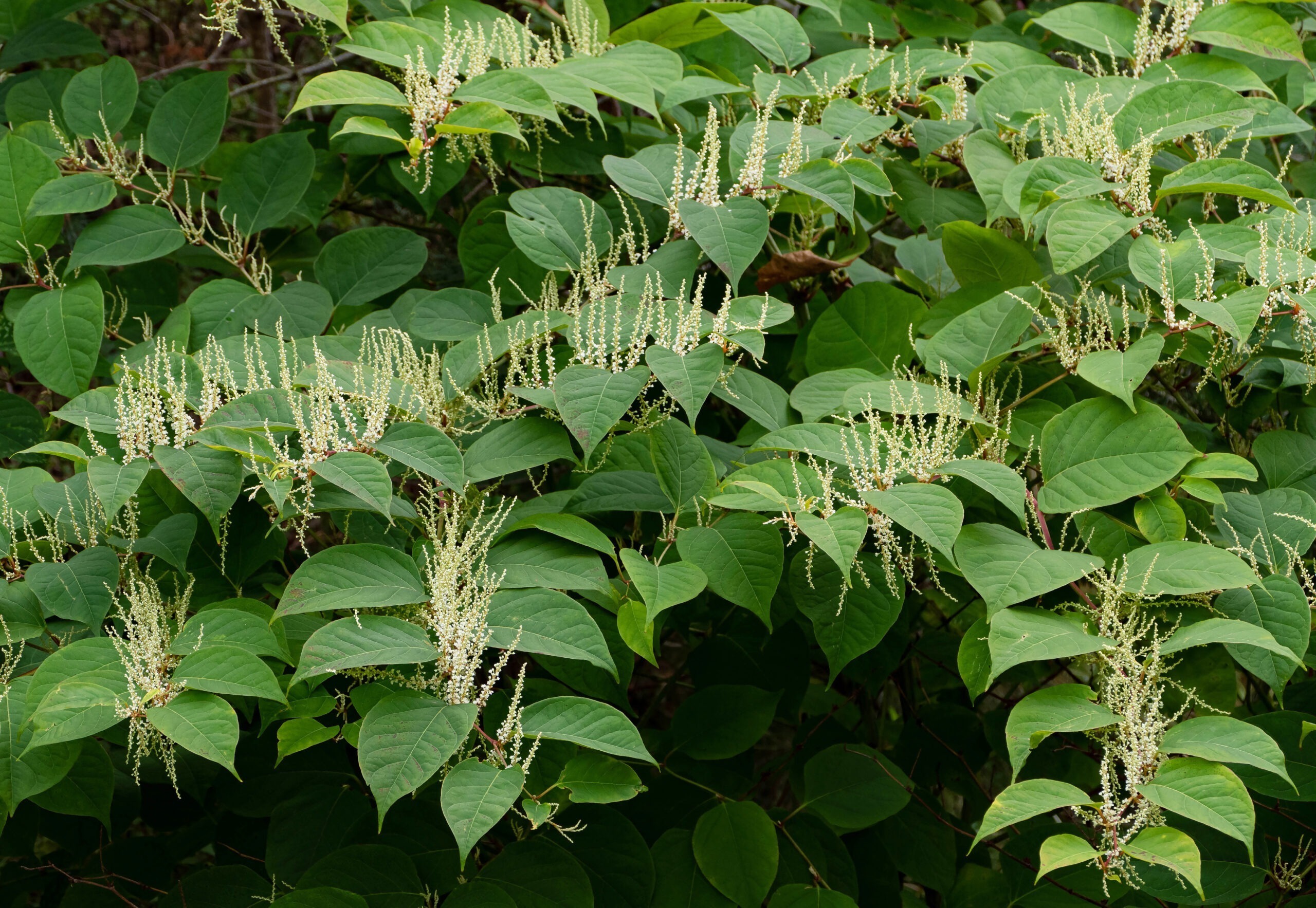
Reynoutria japonica, commonly known as Japanese Knotweed, is a highly invasive and resilient perennial plant. It belongs to the Polygonaceae family and is native to Eastern Asia, particularly Japan, China, and Korea. Japanese Knotweed is notorious for its aggressive growth and ability to colonize various habitats.
This plant can quickly overtake natural ecosystems, posing a significant threat to native flora.
Japanese Knotweed typically reaches heights of 6 to 10 feet, with a hollow, bamboo-like stem that has distinct purple speckles. The leaves are broad, heart-shaped, and deep green, creating a dense canopy that shades out native vegetation.
Its aggressive nature has earned it a reputation as one of the most troublesome invasive species globally.
The plant’s growth pattern is rhizomatous, with underground stems that can extend several meters horizontally and reach deep into the soil.
These rhizomes facilitate its rapid spread and make it challenging to eradicate. Knotweed’s aggressive root system can damage infrastructure, including buildings, roads, and pipelines, leading to costly repairs.
Reynoutria japonica is a dioecious plant, meaning it has separate male and female plants. In late summer and early autumn, it produces clusters of small, creamy-white to greenish-white flowers.
Although the flowers are not showy, they provide a valuable nectar source for pollinators, such as bees and butterflies. However, its reproductive strategy primarily relies on spreading through rhizomes and vegetative propagation.
The impact of Japanese Knotweed on the environment is significant. It outcompetes native plants for resources, disrupting the balance of ecosystems.
The dense thickets it forms can displace native vegetation, reducing biodiversity. Moreover, the plant’s ability to alter soil chemistry can further hinder the growth of other plants. These changes in the environment can affect wildlife that relies on native plants for food and habitat.
Apart from its ecological impacts, Japanese Knotweed also poses a threat to human infrastructure. Its aggressive roots can penetrate foundations, pipes, and concrete structures.
This can lead to costly repairs and poses a particular problem for homeowners, businesses, and public utilities. Efforts to control the plant’s spread and mitigate its impact have led to substantial expenditures in many regions.
The Botanical Description of Reynoutria japonica
1. Life: Reynoutria japonica, commonly known as Japanese knotweed, is a robust and versatile perennial plant that belongs to the Polygonaceae family. This species is known for its impressive growth, aggressive nature, and distinctive appearance, making it a notable addition to the world of botany.
2. Morphological Characteristics: The botanical description of Reynoutria japonica starts with its morphological features. This plant typically grows to heights of 1.5 to 3 meters (4.9 to 9.8 feet) and has a sturdy, hollow stem with distinct reddish-brown speckles. The leaves are large, broadly oval, and have a heart-shaped base.
They are approximately 6-15 cm (2.4-5.9 inches) long, featuring a prominent zigzag pattern on the stems. The upper surface of the leaves is smooth, while the underside is covered with fine, dense hairs.
3. Flowers: Japanese knotweed produces small, inconspicuous greenish-white flowers that are arranged in long, slender, and branching clusters. These clusters can reach lengths of up to 10 cm (3.9 inches) and appear from late summer to early autumn.
4. Rhizomes: One of the most remarkable features of Reynoutria japonica is its underground rhizome system. These rhizomes are thick, knotted, and possess incredible regenerative properties. They can extend deep into the soil, allowing the plant to spread rapidly and form dense colonies.
5. Invasive Characteristics: The botanical description of Japanese knotweed wouldn’t be complete without addressing its invasive nature. This plant is highly adaptable and can thrive in various environments, from riverbanks to urban areas. Its rapid growth and ability to outcompete native vegetation make it a challenging weed to manage.
The Geographic Distribution of Reynoutria japonica
1. Native Range: Reynoutria japonica is native to Eastern Asia, including countries like Japan, China, and Korea. In its native range, it plays a vital ecological role and has been used in traditional medicine and cuisine for centuries.
2. Introduction to New Regions: Japanese knotweed’s invasive nature has led to its introduction in many parts of the world. It has been intentionally introduced in some regions for its ornamental qualities, erosion control, and the potential for wildlife habitat. Unfortunately, it has become an invasive pest in these areas.
3. Global Distribution: Today, Japanese knotweed has established itself in various parts of North America, Europe, and New Zealand, among others. It is considered one of the world’s worst invasive species due to its ability to disrupt ecosystems, damage infrastructure, and reduce biodiversity.
4. Preferred Habitats: Japanese knotweed thrives in a variety of habitats, including riverbanks, roadsides, disturbed areas, and urban environments. Its adaptability to different soil types and conditions has contributed to its widespread distribution.
5. Impact on Local Flora: In areas where it has become invasive, Reynoutria japonica often outcompetes native vegetation. Its dense growth can shade out other plants, alter soil chemistry, and lead to a decline in local plant diversity.
The Chemical Composition of Reynoutria japonica
1. Polyphenols: Reynoutria japonica is rich in various bioactive compounds, with polyphenols being one of the most prominent groups. These compounds, including resveratrol and quercetin, have antioxidant properties and potential health benefits.
2. Resveratrol: Resveratrol, which is also found in red grapes and wine, is a well-known polyphenol present in Japanese knotweed. It has gained attention for its potential cardiovascular and anti-aging benefits.
3. Quercetin: Quercetin is another polyphenol found in this plant. It is known for its anti-inflammatory and antioxidant properties, which may contribute to various health effects.
4. Emodin: Emodin is a natural anthraquinone compound present in Reynoutria japonica. It has been studied for its potential therapeutic properties, including antimicrobial and anti-inflammatory effects.
5. Resveratrol Derivatives: Japanese knotweed contains various derivatives of resveratrol, which may have unique properties and applications. These compounds have been of interest to researchers in the pharmaceutical and nutraceutical industries.
Read Also: 5 Medicinal Health Benefits Of Viola adunca (Hookspur Violet)
The Medicinal Health Benefits Of Reynoutria japonica (Japanese Knotweed)
Reynoutria japonica, commonly known as Japanese Knotweed, offers a wide array of medicinal health benefits. This invasive plant, often viewed as a nuisance, contains compounds with potential therapeutic properties. Here, we list and explain 16 medicinal health benefits of Reynoutria japonica.
1. Antioxidant Properties: Japanese Knotweed is rich in polyphenolic compounds, such as resveratrol and quercetin, which possess strong antioxidant properties. These antioxidants help combat oxidative stress and reduce the risk of chronic diseases.
2. Cardiovascular Support: The resveratrol found in Japanese Knotweed may support heart health by promoting healthy blood pressure and reducing the risk of cardiovascular diseases.
3. Anti-Inflammatory Effects: Quercetin, another compound in Japanese Knotweed, has anti-inflammatory properties. It may help reduce inflammation and alleviate symptoms of inflammatory conditions.
4. Neuroprotective Potential: Some studies suggest that resveratrol in Japanese Knotweed may have neuroprotective effects and could play a role in reducing the risk of neurodegenerative diseases.
5. Weight Management: Resveratrol may support weight management by helping to regulate metabolism and improve insulin sensitivity.
6. Skin Health: Japanese Knotweed extracts are used in skincare products for their potential to combat skin aging and reduce the appearance of wrinkles.
7. Gastrointestinal Health: This plant has been used in traditional medicine for digestive issues, with potential benefits for conditions like indigestion and diarrhea.
8. Immune System Support: Some compounds in Japanese Knotweed may boost the immune system and help the body fight infections.
9. Anti-Cancer Properties: Research suggests that resveratrol may have anticancer properties, inhibiting the growth of cancer cells.
10. Bone Health: Japanese Knotweed may help maintain bone health by supporting bone density and reducing the risk of osteoporosis.
11. Liver Detoxification: Some studies indicate that this plant may support liver health by promoting detoxification processes.
12. Respiratory Health: Japanese Knotweed has been used in traditional medicine for respiratory issues, such as coughs and asthma.
13. Hormonal Balance: Compounds in this plant may help balance hormones and reduce the symptoms of hormonal disorders.
14. Joint Health: Japanese Knotweed may have anti-inflammatory effects that benefit joint health, potentially reducing pain and stiffness.
15. Antiviral Properties: Some research suggests that certain compounds in this plant may exhibit antiviral activity.
16. Wound Healing: Japanese Knotweed has been used topically for wound healing and reducing inflammation.
The Methods of Usage to Achieve the Provided Health Benefits Of Reynoutria japonica (Japanese Knotweed)
To use the medicinal health benefits of Reynoutria japonica, various methods of usage can be employed. Here, we list and explain these methods to help you achieve the provided health benefits of this versatile plant.
1. Dietary Supplements: Japanese Knotweed extracts are available in dietary supplement form, such as capsules and tinctures. These supplements offer a convenient way to incorporate the plant’s compounds into your daily routine.
2. Traditional Herbal Preparations: In traditional medicine, Japanese Knotweed has been used in various herbal preparations, including teas and tinctures. These methods allow you to make use of the plant’s potential benefits.
3. Skincare Products: Japanese Knotweed extracts are used in skincare products, such as creams and serums, to promote skin health and combat signs of aging.
4. Culinary Use: Some people incorporate Japanese Knotweed shoots in their diet, particularly in regions where it is not considered invasive. The young shoots can be cooked and eaten, offering a unique flavor.
5. Topical Applications: For wound healing and skin issues, Japanese Knotweed extracts can be applied topically. They may help reduce inflammation and support the healing process.
6. Herbal Infusions: Making herbal infusions from Japanese Knotweed leaves can be a soothing way to enjoy its potential health benefits. These infusions can be consumed as a tea.
7. Tinctures: Tinctures are alcoholic extracts of Japanese Knotweed and can be taken in small doses. They provide a concentrated form of the plant’s beneficial compounds.
The Side Effects Of Using Reynoutria japonica Medicinal Plant
While Japanese Knotweed offers various health benefits, it’s essential to be aware of potential side effects and precautions associated with its use. Here, we list and explain the side effects of using the Reynoutria japonica medicinal plant.
1. Allergic Reactions: Some individuals may be sensitive or allergic to Japanese Knotweed. Allergic reactions may include skin rashes, itching, or respiratory symptoms.
2. Interaction with Medications: Japanese Knotweed supplements may interact with certain medications, such as blood thinners. It’s crucial to consult with a healthcare professional before using them.
3. Digestive Issues: In rare cases, excessive consumption of Japanese Knotweed can lead to digestive discomfort, including diarrhea and abdominal pain.
4. Hormonal Effects: Japanese Knotweed contains compounds that may influence hormone levels. Individuals with hormone-sensitive conditions should use it with caution.
5. Pregnancy and Breastfeeding: Pregnant and breastfeeding women should avoid using Japanese Knotweed supplements due to the lack of safety data.
6. Blood Pressure: Japanese Knotweed may lower blood pressure. Individuals with low blood pressure should monitor their levels when using supplements.
7. Potential Overconsumption: Excessive intake of Japanese Knotweed supplements may lead to an accumulation of certain compounds. It’s essential to follow recommended dosages.
Leia Também: 7 Benefícios para a Saúde Medicinal do Ribes divaricatum (Amor-agrinho-de-espinhos)
Pesquisas e Estudos Científicos de Reynoutria japonica (Jardineira Japonesa)
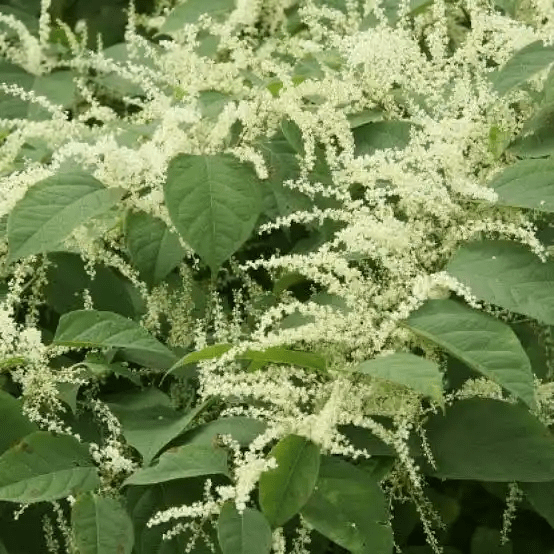
Pesquisas e estudos científicos sobre Reynoutria japonica, comumente conhecida como Jardineira Japonesa, revelaram informações valiosas sobre suas propriedades e usos potenciais. Aqui, listamos e explicamos algumas das principais descobertas dessas investigações.
1. Propriedades Antioxidantes: Numerosos estudos confirmaram a presença de antioxidantes potentes, como resveratrol e quercetina, na Jardineira Japonesa. Esses antioxidantes desempenham um papel vital na proteção das células contra danos oxidativos.
2. Benefícios Cardiovasculares: Pesquisas mostraram que o resveratrol da Jardineira Japonesa pode ajudar a reduzir a pressão arterial, diminuir os níveis de colesterol e apoiar a saúde do coração.
3. Efeitos Anti-inflamatórios: Estudos sugerem que a quercetina na Jardineira Japonesa possui propriedades anti-inflamatórias, tornando-a um tratamento potencial para condições inflamatórias.
4. Potencial Neuroprotetor: Algumas pesquisas indicam que o resveratrol pode ter efeitos neuroprotetores e ser valioso no tratamento de distúrbios neurodegenerativos.
5. Propriedades Anticâncer: A Jardineira Japonesa tem sido estudada por seu papel potencial na inibição do crescimento de células cancerígenas, particularmente em câncer de mama e próstata.
6. Saúde Metabólica: O resveratrol pode apoiar a saúde metabólica, melhorando a sensibilidade à insulina e regulando o metabolismo da glicose.
7. Benefícios para a Pele: Investigações científicas exploraram o uso de extratos de Knotweed Japonês em produtos para a pele devido às suas propriedades antienvelhecimento e rejuvenescedoras.
8. Saúde Gastrointestinal: Usos tradicionais do Knotweed Japonês em problemas digestivos impulsionaram pesquisas sobre seus potenciais benefícios para a saúde gastrointestinal.
9. Suporte ao Sistema Imunológico: Alguns estudos focaram nos efeitos imunoestimulantes dos compostos do Knotweed Japonês, destacando seu papel potencial na prevenção de infecções.
10. Regulação Hormonal: Pesquisas investigaram o impacto do Knotweed Japonês no equilíbrio hormonal, particularmente no contexto de distúrbios hormonais.
11. Saúde Óssea: Estudos exploraram o potencial do Knotweed Japonês para aumentar a densidade óssea e prevenir condições como a osteoporose.
12. Saúde do Fígado: A planta foi estudada por seu potencial em apoiar a desintoxicação do fígado e a saúde geral do fígado.
13. Benefícios Respiratórios: Usos tradicionais para condições respiratórias impulsionaram investigações científicas sobre os efeitos do Knotweed Japonês em tosse e asma.
14. Saúde das Articulações: As propriedades anti-inflamatórias do Knotweed Japonês foram investigadas por seus potenciais benefícios no tratamento de dores articulares e artrite.
15. Atividade Antiviral: Algumas pesquisas exploraram as propriedades antivirais dos compostos da Erva-Japonesa, indicando usos potenciais na prevenção de infecções virais.
Precauções e Recomendações de Segurança no Uso da Planta Medicinal Reynoutria japonica (Erva-Japonesa)
Ao usar Reynoutria japonica para suas propriedades medicinais, é essencial tomar precauções de segurança e seguir recomendações para garantir uma experiência positiva e segura. Aqui, listamos e explicamos as precauções e recomendações de segurança para o uso da planta medicinal Erva-Japonesa.
1. Reações Alérgicas: Esteja ciente de possíveis reações alérgicas. Se você experimentar erupções cutâneas, coceira ou sintomas respiratórios, interrompa o uso e procure atendimento médico.
2. Interações Medicamentosas: Suplementos de Erva-Japonesa podem interagir com certos medicamentos, como anticoagulantes. Consulte um profissional de saúde antes do uso.
3. Dosagem: Siga as diretrizes de dosagem recomendadas. O consumo excessivo de suplementos de Erva-Japonesa pode levar a efeitos adversos.
4. Condições Hormonais Sensíveis: Indivíduos com condições hormonais sensíveis, como câncer de mama ou endometriose, devem usar a Erva-Japonesa com cautela devido aos seus potenciais efeitos hormonais.
5. Gravidez e Amamentação: Mulheres grávidas e lactantes devem evitar suplementos de Erva-Japonesa devido a dados limitados de segurança.
6. Pressão Arterial: A Erva-Japonesa pode diminuir a pressão arterial. Se você tem pressão arterial baixa, monitore seus níveis ao usar suplementos.
7. Consumo excessivo: A ingestão excessiva de suplementos de Knotweed japonês pode levar ao acúmulo de certos compostos. Siga as dosagens recomendadas.
8. Produtos para a pele: Faça um teste de contato ao usar produtos para a pele contendo extratos de Knotweed japonês para verificar quaisquer reações adversas na pele.
9. Aplicação tópica: Para aplicações tópicas, certifique-se de que a ferida ou área afetada esteja limpa e siga as práticas adequadas de cuidados com feridas.
10. Crianças e animais de estimação: Mantenha os suplementos e produtos de Knotweed japonês fora do alcance de crianças e animais de estimação.
11. Consulte um profissional: Se você tiver condições de saúde subjacentes ou estiver tomando medicamentos, consulte um profissional de saúde antes de incorporar o Knotweed japonês ao seu regime de saúde.
Perguntas Frequentes Sobre Reynoutria japonica (Knotweed Japonês) Planta Medicinal
1. Qual é o principal composto ativo no Knotweed japonês?
O Knotweed japonês é rico em resveratrol, um composto polifenólico com propriedades antioxidantes.
2. O Knotweed japonês pode ajudar na perda de peso?
O resveratrol no Knotweed japonês pode apoiar o controle de peso regulando o metabolismo.
3. Existem efeitos colaterais conhecidos do uso de Knotweed japonês?
Efeitos colaterais potenciais incluem reações alérgicas, desconforto digestivo e interações com certos medicamentos.
4. Como posso usar Knotweed japonês para cuidados com a pele?
Extratos de Knotweed japonês são usados em produtos para a pele, como cremes e séruns, para combater os sinais de envelhecimento.
5. O Knotweed japonês é seguro para gestantes ou lactantes?
Suplementos de Knotweed japonês não são recomendados para gestantes e lactantes devido à limitação de dados de segurança.
6. O Knotweed japonês pode interagir com anticoagulantes?
Sim, suplementos de Knotweed japonês podem interagir com anticoagulantes. Consulte um profissional de saúde antes de usar.
7. Como o Knotweed japonês é usado na medicina tradicional para problemas gastrointestinais?
O Knotweed japonês é tradicionalmente usado em infusões de ervas ou tinturas para problemas digestivos.
8. O Knotweed japonês pode ajudar com dor nas articulações e artrite?
Suas propriedades anti-inflamatórias levaram a pesquisas sobre seus potenciais benefícios para a saúde das articulações.
9. O Knotweed japonês é usado em remédios respiratórios?
Usos tradicionais do Knotweed japonês incluem o tratamento de problemas respiratórios como tosse e asma.
10. Como o Knotweed japonês é benéfico para o sistema imunológico?
Pesquisas sugerem que certos compostos no Knotweed japonês podem aumentar a resposta do sistema imunológico a infecções.
11. O Knotweed japonês pode ser usado para cicatrização de feridas?
Aplicações tópicas de extratos de Knotweed japonês podem auxiliar na cicatrização de feridas e reduzir a inflamação.
12. Quais são os efeitos hormonais do Knotweed japonês?
O Knotweed japonês contém compostos que podem influenciar os níveis hormonais, tornando-o um tema de pesquisa na regulação hormonal.
13. Como o Knotweed japonês é usado para promover a saúde óssea?
Pesquisas exploraram seu potencial para apoiar a densidade óssea e reduzir o risco de osteoporose.
14. O Knotweed japonês tem propriedades antivirais?
Alguns estudos indicam que certos compostos no Knotweed japonês podem apresentar atividade antiviral.
15. O Knotweed japonês pode ser usado para tratar distúrbios hormonais?
Pesquisas exploraram seu papel potencial no tratamento de desequilíbrios hormonais, embora mais investigações sejam necessárias.
Você tem alguma dúvida, sugestão ou contribuição? Se sim, sinta-se à vontade para usar a caixa de comentários abaixo para compartilhar seus pensamentos. Também incentivamos você a gentilmente compartilhar esta informação com outras pessoas que possam se beneficiar dela. Como não podemos alcançar todos de uma vez, realmente apreciamos sua ajuda na divulgação. Muito obrigado pelo seu apoio e por compartilhar!
Aviso: Este artigo é apenas para fins educacionais e informativos. Os benefícios para a saúde descritos são baseados em pesquisas científicas e conhecimento tradicional. Eles não substituem o conselho médico profissional, diagnóstico ou tratamento. Sempre consulte um profissional de saúde antes de usar qualquer erva ou remédio natural para fins medicinais.
Leia Também: Como Identificar um Ouriço