


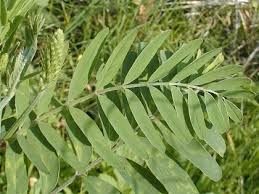
Astragalus canadensis, commonly known as Canadian Wild Licorice, is a perennial herb native to North America. This plant has a rich history of traditional medicinal uses among Native American tribes, who recognized its therapeutic properties. Over the years, researchers have delved into the various health benefits offered by Astragalus canadensis, revealing its potential in holistic medicine and natural remedies.
The Botanical Description of Astragalus canadensis
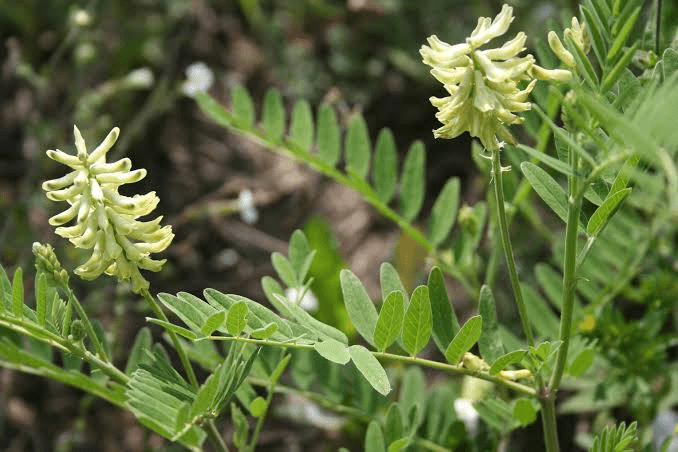
1. Plant Structure: Astragalus canadensis is a member of the Fabaceae family, characterized by its distinct legume-like appearance. It features pinnately compound leaves, consisting of multiple leaflets attached to a central stem, giving the plant a feather-like appearance.
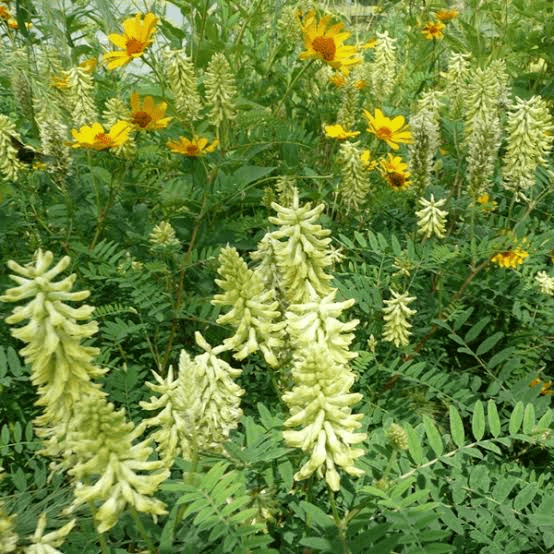
2. Flowers: The plant produces clusters of small, yellow flowers that bloom in late spring to early summer. These flowers are not only aesthetically pleasing but also attract pollinators such as bees and butterflies, aiding in the plant’s reproductive process.
3. Fruit and Seeds: Following pollination, Astragalus canadensis develops small pods containing seeds. These pods are typical of leguminous plants, and upon maturity, they split open to release the seeds. Each seed pod contains several small seeds, which are vital for the plant’s propagation.
4. Root System: One of the notable features of Astragalus canadensis is its robust and deep root system. The roots of this plant delve deep into the soil, enabling it to withstand harsh environmental conditions and drought.
5. Habitat: Canadian Wild Licorice is commonly found in prairies, meadows, and open woodlands. Its adaptability to diverse habitats makes it a resilient plant species in various ecosystems across North America.
The Geographic Distribution of Astragalus canadensis
1. Native Habitat: Astragalus canadensis, commonly known as Canadian Wild Licorice, is primarily found in North America. It has a widespread distribution across the continent, with a preference for specific ecological regions.
2. Ecological Range: This plant is commonly found in regions with well-drained soils, including prairies, meadows, and open woodlands. It thrives in areas with adequate sunlight and can adapt to various soil types.
3. North American Presence: Astragalus canadensis is native to the United States and Canada. In the United States, it can be found in states such as Texas, Oklahoma, Nebraska, and throughout the Great Plains region. In Canada, it is found in provinces like Manitoba and Saskatchewan.
4. Role in Ecosystems: Canadian Wild Licorice plays a vital role in supporting local ecosystems. Its deep root system helps prevent soil erosion, and its flowers attract pollinators, contributing to biodiversity in its habitat.
The Chemical Composition of Astragalus canadensis
1. Saponins: Astragalus canadensis contains saponins, which are bioactive compounds known for their potential health benefits. Saponins have been linked to anti-inflammatory and immune-boosting effects.
2. Flavonoids: Flavonoids are antioxidants found in Astragalus canadensis. These compounds help protect cells from oxidative damage and have been associated with reducing the risk of chronic diseases.
3. Polysaccharides: This plant contains polysaccharides, complex carbohydrates that may have immune-modulating properties. Polysaccharides can enhance the body’s defense mechanisms.
4. Alkaloids: Astragalus canadensis also contains alkaloids, which are organic compounds known for their diverse pharmacological activities. Alkaloids may contribute to the plant’s medicinal properties.
5. Amino Acids: Some varieties of Astragalus canadensis have been found to contain various amino acids, which are the building blocks of proteins. Amino acids are essential for overall health and well-being.
The Harvesting and Processing of Astragalus canadensis
1. Harvesting Time: The best time to harvest Astragalus canadensis is typically in the late summer or early fall. At this time, the plant has accumulated the maximum amount of nutrients and active compounds.
2. Roots: The primary part of Astragalus canadensis used for medicinal purposes is its root. To harvest the roots, the plant is carefully uprooted, ensuring that a portion of the root is left intact to allow for regeneration.
3. Drying: Once harvested, the roots are cleaned and dried. Drying is a crucial step as it preserves the medicinal properties of the plant. Roots can be air-dried or dehydrated using specialized equipment.
4. Processing: After drying, the roots can be further processed into various forms, including powders, tinctures, or capsules. Processing methods may vary depending on the intended use and market demand.
5. Quality Control: Proper harvesting and processing practices are essential to maintain the quality of Astragalus canadensis products. Quality control measures ensure that the final product retains its potency and safety for consumption.
Read Also: The Health Benefits of Drinking Fenugreek Tea
The Medicinal Health Benefits Of Astragalus canadensis (Canadian Wild Licorice)
1. Immune System Support: Astragalus canadensis is renowned for its ability to boost the immune system. Its bioactive compounds help stimulate the production of white blood cells, enhancing the body’s defense mechanisms against infections.
2. Anti-inflammatory Properties: This medicinal plant has anti-inflammatory effects that can assist in reducing inflammation throughout the body. It is particularly valuable in managing conditions associated with chronic inflammation, such as arthritis.
3. Cardiovascular Health: Astragalus canadensis supports heart health by regulating blood pressure and cholesterol levels. It may reduce the risk of cardiovascular diseases and improve overall cardiovascular function.
4. Adaptogenic Qualities: As an adaptogen, Astragalus canadensis helps the body adapt to stressors, both physical and emotional. It promotes a sense of well-being and resilience to stress.
5. Antioxidant Protection: Rich in antioxidants, this plant helps combat oxidative stress, protecting cells from damage caused by free radicals. Antioxidants play a crucial role in reducing the risk of chronic diseases.
6. Respiratory Health: Astragalus canadensis has been traditionally used to support respiratory health. It may help alleviate symptoms of respiratory conditions and improve lung function.
7. Energy Boost: Some individuals use Astragalus canadensis to combat fatigue and increase energy levels. Its adaptogenic properties may contribute to increased vitality.
8. Skin Health: The plant’s anti-inflammatory and antioxidant properties may benefit skin health by reducing redness and promoting a healthy complexion.
9. Diabetes Management: Astragalus canadensis may help regulate blood sugar levels in individuals with diabetes, although more research is needed in this area.
10. Kidney Health: Traditional medicine systems have used this herb to support kidney function and prevent kidney-related issues.
11. Anti-viral Properties: Astragalus canadensis has shown potential as an antiviral agent, making it valuable in preventing and managing viral infections.
12. Wound Healing: Some formulations of Astragalus canadensis have been applied topically to promote wound healing and skin regeneration.
13. Liver Health: The plant may support liver function and detoxification processes.
14. Digestive Health: Astragalus canadensis can aid in digestive health by reducing inflammation in the gastrointestinal tract and promoting overall gut well-being.
15. Cancer Support: While not a standalone cancer treatment, some studies suggest that Astragalus canadensis may have a role in supporting cancer patients by boosting immunity and reducing side effects of treatment.
16. Allergy Relief: It may help alleviate allergy symptoms by reducing inflammation and modulating immune responses.
17. Anti-aging Properties: Some proponents of Astragalus canadensis claim that it has anti-aging effects, though scientific evidence in this regard is limited.
18. Bone Health: This plant may contribute to bone health by enhancing the absorption of essential minerals like calcium.
19. Cognitive Function: Astragalus canadensis is believed to support cognitive function and mental clarity.
20. Stress Reduction: Its adaptogenic qualities can help reduce stress and anxiety levels.
21. Hormonal Balance: Some individuals use it to balance hormones, particularly in women experiencing menopausal symptoms.
22. Muscle Recovery: Astragalus canadensis may aid in post-exercise muscle recovery due to its anti-inflammatory properties.
23. General Well-being: Many people incorporate Astragalus canadensis into their daily routines for an overall sense of well-being and vitality.
The Methods of Usage to Achieve the Provided Health Benefits Of Astragalus canadensis (Canadian Wild Licorice)
1. Herbal Teas: One common way to consume Astragalus canadensis is by brewing it as an herbal tea. Steep dried or powdered root slices in hot water for several minutes and drink.
2. Tinctures: Tinctures are concentrated liquid extracts of the plant. They can be taken orally, usually diluted in water or juice, and offer a convenient way to incorporate Astragalus canadensis into your routine.
3. Capsules and Supplements: You can find Astragalus canadensis in capsule or supplement form at health food stores. Follow the recommended dosage instructions on the product label.
4. Topical Applications: Some individuals apply Astragalus canadensis preparations topically to promote wound healing and address skin issues.
5. Culinary Uses: In some regions, Astragalus canadensis roots are used in cooking. They can be added to soups and stews or even pickled.
6. Traditional Medicine: In traditional medicine systems, Astragalus canadensis is often incorporated into herbal formulations tailored to specific health concerns.
7. Consultation with a Healthcare Professional: It’s crucial to consult with a healthcare professional or herbalist for personalized guidance on the best method and dosage for your specific health goals.
The Side Effects Of Using Astragalus canadensis Medicinal Plant
1. Allergic Reactions: Some individuals may be allergic to Astragalus canadensis, leading to symptoms such as skin rashes, itching, or difficulty breathing. If you experience any allergic reactions, discontinue use immediately.
2. Interactions with Medications: Astragalus canadensis may interact with certain medications, particularly immunosuppressants. If you are taking medications, consult your healthcare provider before using this herb.
3. Autoimmune Conditions: Due to its immune-boosting properties, Astragalus canadensis may not be suitable for individuals with autoimmune conditions, as it could potentially exacerbate these conditions.
4. Gastrointestinal Upset: In some cases, Astragalus canadensis may cause mild gastrointestinal discomfort, such as stomach upset or diarrhea, especially when consumed in large quantities.
5. Blood Pressure Regulation: If you have blood pressure issues, monitor your blood pressure closely when using Astragalus canadensis, as it may affect blood pressure levels.
6. Pregnancy and Breastfeeding: Pregnant and breastfeeding women should exercise caution and consult a healthcare professional before using Astragalus canadensis, as its safety during these periods is not well-documented.
7. Long-Term Use: Prolonged, high-dose use of Astragalus canadensis may lead to potential side effects. It’s advisable to use this herb in moderation and intermittently.
8. Quality and Purity: Ensure that the Astragalus canadensis products you use are of high quality and free from contaminants, as poor-quality products may lead to adverse effects.
Read Also: 23 Medicinal Health Benefits Of Dichroa febrifuga (Blue Evergreen Hydrangea)
The Scientific Research and Studies of Astragalus canadensis (Canadian Wild Licorice)
1. Immunomodulatory Effects: Scientific studies have demonstrated that Astragalus canadensis contains immunomodulatory compounds, which enhance the activity of immune cells, potentially boosting the body’s defense against infections and diseases.
2. Anti-inflammatory Properties: Research has explored the anti-inflammatory effects of Astragalus canadensis, indicating its potential in managing inflammatory conditions such as arthritis and respiratory disorders.
3. Antioxidant Activity: Studies have identified the antioxidant compounds in Astragalus canadensis, suggesting its role in combating oxidative stress and reducing the risk of chronic diseases associated with free radical damage.
4. Cardiovascular Health: Scientific research has investigated the impact of Astragalus canadensis on cardiovascular health, indicating its potential to regulate blood pressure and cholesterol levels, thereby reducing the risk of heart diseases.
5. Antiviral Properties: Studies have explored the antiviral properties of Astragalus canadensis, indicating its efficacy against certain viruses, making it valuable in preventing viral infections.
6. Wound Healing: Scientific investigations have suggested that Astragalus canadensis may promote wound healing due to its anti-inflammatory and tissue-regenerating properties.
7. Anticancer Potential: Preliminary studies have explored the anticancer properties of Astragalus canadensis, showing its potential to inhibit the growth of cancer cells and enhance the body’s natural defense mechanisms against cancer.
8. Neuroprotective Effects: Research has indicated that Astragalus canadensis may have neuroprotective effects, potentially benefiting cognitive function and supporting brain health.
9. Antidiabetic Properties: Scientific studies have explored the potential of Astragalus canadensis in managing diabetes by regulating blood sugar levels and improving insulin sensitivity.
10. Saúde Respiratória: A pesquisa investigou o papel da planta no suporte à saúde respiratória, indicando seu potencial no gerenciamento de condições respiratórias e na melhoria da função pulmonar.
11. Atividade Antimicrobiana: Estudos exploraram as propriedades antimicrobianas do Astragalus canadensis, indicando sua eficácia contra várias bactérias e fungos, tornando-o valioso na prevenção de infecções.
12. Proteção do Fígado: Pesquisas científicas sugeriram que o Astragalus canadensis pode ter efeitos hepatoprotetores, protegendo o fígado de danos e apoiando suas funções de desintoxicação.
13. Recuperação Muscular: Pesquisas indicaram que o Astragalus canadensis pode ajudar na recuperação muscular após o exercício, potencialmente reduzindo a dor muscular e promovendo uma recuperação mais rápida.
14. Saúde da Pele: Estudos científicos exploraram o potencial do Astragalus canadensis na promoção da saúde da pele, indicando seu papel na redução da inflamação e no suporte à regeneração da pele.
15. Saúde Óssea: Pesquisas sugeriram que o Astragalus canadensis pode contribuir para a saúde óssea, aumentando a absorção de minerais e apoiando a densidade óssea.
16. Alívio da Ansiedade e do Estresse: Estudos preliminares exploraram os efeitos ansiolíticos e de alívio do estresse do Astragalus canadensis, indicando seu potencial na promoção do relaxamento e na redução da ansiedade.
17. Suporte Digestivo: Investigações científicas exploraram os benefícios digestivos do Astragalus canadensis, indicando seu potencial na redução da inflamação no trato gastrointestinal e no suporte à saúde geral do intestino.
Precauções de Segurança e Recomendações no Uso da Planta Medicinal Astragalus canadensis (Alcaçuz Selvagem Canadense)
1. Consulta com um Profissional de Saúde: É crucial consultar um profissional de saúde antes de usar Astragalus canadensis, especialmente se você tiver condições de saúde subjacentes, estiver grávida, amamentando ou tomando medicamentos. Um profissional de saúde pode fornecer orientação personalizada com base em suas necessidades específicas de saúde.
2. Dosagem e Duração: Siga as instruções de dosagem recomendadas fornecidas por profissionais de saúde ou rótulos de produtos. Evite o uso excessivo ou prolongado, pois pode levar a efeitos adversos.
3. Qualidade e Fonte: Certifique-se de obter produtos de Astragalus canadensis de fontes respeitáveis. Qualidade e pureza são essenciais para garantir a segurança e eficácia do remédio herbal.
4. Reações Alérgicas: Se você tiver alguma reação alérgica, como erupções cutâneas, coceira ou dificuldade em respirar após o uso de Astragalus canadensis, interrompa o uso imediatamente e procure atendimento médico.
5. Interações com Medicamentos: Astragalus canadensis pode interagir com certos medicamentos, especialmente imunossupressores. Informe seu profissional de saúde sobre todos os medicamentos que você está tomando antes de usar esta erva.
6. Monitoramento: Se você estiver usando Astragalus canadensis para uma condição de saúde específica, monitore seus sintomas de perto. Se não houver melhoras ou se seus sintomas piorarem, consulte seu profissional de saúde.
Perguntas Frequentes Sobre Astragalus canadensis (Alcaçuz Selvagem Canadense) Planta Medicinal
1. Astragalus canadensis é seguro para mulheres grávidas?
Sim, Astragalus canadensis é geralmente considerado seguro para mulheres grávidas quando usado com moderação. No entanto, é aconselhável consultar um profissional de saúde antes de usar, especialmente durante a gravidez.
2. Astragalus canadensis pode ser usado para tratar infecções respiratórias?
Astragalus canadensis tem sido tradicionalmente usado para a saúde respiratória. Embora possa oferecer benefícios, é essencial consultar um profissional de saúde para um diagnóstico e tratamento adequados de infecções respiratórias.
3. Astragalus canadensis é seguro para crianças?
A segurança de Astragalus canadensis para crianças não foi bem estudada. É melhor consultar um profissional de saúde pediátrico antes de dar remédios de ervas para crianças.
4. Astragalus canadensis pode ser usado junto com tratamentos de quimioterapia?
Alguns estudos sugerem que Astragalus canadensis pode apoiar pacientes com câncer submetidos à quimioterapia. No entanto, é crucial consultar um oncologista antes de usar qualquer remédio de ervas junto com tratamentos de câncer.
5. Astragalus canadensis interage com medicamentos para pressão arterial?
Astragalus canadensis pode afetar os níveis de pressão arterial. Se você estiver tomando medicamentos para pressão arterial, consulte seu profissional de saúde antes de usar esta erva para evitar possíveis interações.
6. Astragalus canadensis pode ser usado para suporte imunológico a longo prazo?
Embora o Astragalus canadensis seja conhecido pelas suas propriedades de reforço imunitário, é aconselhável não o utilizar continuamente por períodos prolongados. Consulte um profissional de saúde para obter aconselhamento personalizado sobre o suporte imunitário.
7. O Astragalus canadensis pode ser usado para alergias?
Algumas pessoas usam Astragalus canadensis para alívio de alergias devido às suas propriedades anti-inflamatórias. No entanto, as respostas individuais podem variar e é essencial consultar um profissional de saúde para o tratamento adequado das alergias.
8. O Astragalus canadensis é eficaz para o controlo da diabetes?
A pesquisa sugere que o Astragalus canadensis pode ter propriedades antidiabéticas. No entanto, não deve substituir os medicamentos convencionais para a diabetes. Consulte um profissional de saúde para um controlo abrangente da diabetes.
9. O Astragalus canadensis pode ser usado para melhorar as condições da pele?
As propriedades anti-inflamatórias e regeneradoras da pele do Astragalus canadensis podem beneficiar certas condições da pele. No entanto, consulte um dermatologista para um diagnóstico e tratamento adequados de problemas de pele.
10. O Astragalus canadensis é seguro para indivíduos com doenças autoimunes?
Devido às suas propriedades de reforço imunitário, o Astragalus canadensis pode não ser adequado para indivíduos com doenças autoimunes, pois pode potencialmente exacerbar estas condições. Consulte um profissional de saúde para aconselhamento personalizado.
11. O Astragalus canadensis pode ser usado para alívio do stress e da ansiedade?
Alguns indivíduos usam Astragalus canadensis para redução do stress devido às suas qualidades adaptogénicas. No entanto, consulte um profissional de saúde para o tratamento abrangente do stress e da ansiedade.
12. Qual é a dosagem recomendada de Astragalus canadensis para adultos?
A dosagem recomendada pode variar dependendo da forma de Astragalus canadensis (chá, tintura, cápsulas) e das necessidades de saúde individuais. Siga a orientação fornecida por profissionais de saúde ou rótulos de produtos.
13. O Astragalus canadensis pode ser usado para recuperação muscular após o exercício?
As propriedades anti-inflamatórias do Astragalus canadensis podem auxiliar na recuperação muscular pós-exercício. No entanto, não deve substituir práticas adequadas pós-exercício, como descanso e hidratação.
14. O Astragalus canadensis é eficaz na redução da inflamação?
O Astragalus canadensis demonstrou efeitos anti-inflamatórios em estudos, mas sua eficácia pode variar entre os indivíduos. Consulte um profissional de saúde para estratégias anti-inflamatórias personalizadas.
15. O Astragalus canadensis pode ser usado como alternativa aos tratamentos convencionais de câncer?
O Astragalus canadensis não deve substituir os tratamentos convencionais de câncer. Pode ser usado como suporte complementar, mas a consulta com um oncologista é essencial para o tratamento do câncer.
16. O Astragalus canadensis interage com suplementos de ervas ou outras ervas?
O Astragalus canadensis pode interagir com outras ervas ou suplementos de ervas. Consulte um profissional de saúde ou herbalista para obter orientação ao combinar vários remédios de ervas.
17. O Astragalus canadensis pode ser usado para melhorar a função cognitiva?
Alguns estudos sugerem que o Astragalus canadensis pode apoiar a função cognitiva, mas não deve substituir outras práticas de saúde cognitiva, como uma dieta equilibrada e exercícios mentais.
18. O Astragalus canadensis é eficaz para a perda de peso?
Há evidências científicas limitadas que apoiam o uso de Astragalus canadensis para a perda de peso. Não deve substituir uma dieta saudável e exercícios para o controlo de peso.
19. O Astragalus canadensis pode ser usado para tratar condições autoimunes?
O Astragalus canadensis pode não ser adequado para indivíduos com condições autoimunes devido às suas propriedades de reforço imunológico. Consulte um profissional de saúde para o tratamento de doenças autoimunes.
Tem alguma pergunta, sugestão ou contribuição? Se sim, sinta-se à vontade para usar a caixa de comentários abaixo para partilhar as suas ideias. Também o encorajamos a partilhar gentilmente esta informação com outras pessoas que possam beneficiar dela. Como não podemos alcançar todos de uma vez, agradecemos sinceramente a sua ajuda na divulgação. Muito obrigado pelo seu apoio e por partilhar!
Aviso: Este artigo tem apenas fins educativos e informativos. Os benefícios para a saúde descritos são baseados em pesquisa científica e conhecimento tradicional. Não substituem o aconselhamento, diagnóstico ou tratamento médico profissional. Consulte sempre um profissional de saúde antes de usar qualquer erva ou remédio natural para fins médicos.
Leia também: Um Guia Abrangente para o Financiamento Jeff Belzer Fresh Start