


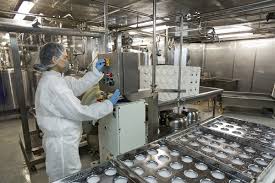
This article explores the various types of raw materials used in the food processing industry, the unit operations involved in their processing, and their preservation methods. It also discusses factors causing deteriorative changes in raw materials, treatments applied before processing, and the storage and transportation of these materials.
Types of Raw Materials
1. Unprocessed Agricultural Raw Materials: These are in their natural state, e.g., yam tuber, cassava, orange, grape, banana, maize grains, soybeans.
2. Semi-Processed Agricultural Raw Materials: These have undergone preliminary processing, e.g., dried cocoa beans, malted grain, cassava chips, brown sugar, pasteurized milk.
3. Finished Products: These are outputs made from unprocessed and semi-processed agricultural raw materials, e.g., refined sugar, flavor concentrates, flour, coloring agents.
4. By-Products/Effluents of an Industry: These serve as inputs or raw materials for another industry, e.g., fish guts used as feed.
Processing and Preservation of Raw Materials
1. Meat Processing and Preservation
i. Raw Materials: Beef, lamb, pork, poultry.
ii. Unit Operations: Slaughtering, cutting up, boning, comminuting, cooking.
iii. Preservation Methods: Salting, smoking, refrigeration, deep-freezing, sterilization.
2. Fish Processing
i. Raw Materials: All types of fish.
ii. Unit Operations: Heading, gutting, filleting, cooking.
iii. Preservation Methods: Deep-freezing, drying, smoking, sterilization.
3. Fruit and Vegetable Preservation
i. Raw Materials: Fresh fruits and vegetables.
ii. Unit Operations: Blanching or cooking, grinding, vacuum concentration of juices.
iii. Preservation Methods: Sterilization, pasteurization, drying, dehydration, lyophilization (freeze-drying).
4. Milling
i. Raw Materials: Grains.
ii. Unit Operations: Grinding, sifting, milling, rolling.
iii. Preservation Methods: Drying, cooking, or baking.
5. Baking
i. Raw Materials: Flour, other dry goods, water, oils.
ii. Unit Operations: Kneading, fermentation, laminating, surface treatments of seasoning.
iii. Preservation Methods: Not specified in the original text.
6. Biscuit Making
i. Raw Materials: Flour, cream, butter, sugar, fruit, seasoning.
ii. Unit Operations: Mixing, kneading, laminating, molding.
iii. Preservation Methods: Not specified in the original text.
7. Pasta Manufacture
i. Raw Materials: Flour, eggs.
ii. Unit Operations: Kneading, grinding, cutting, extrusion, or molding.
iii. Preservation Methods: Not specified in the original text.
8. Sugar Processing and Refining
i. Raw Materials: Sugar beet, sugar cane.
ii. Unit Operations: Crushing, maceration, vacuum concentration, centrifuging, drying.
iii. Preservation Methods: Not specified in the original text.
9. Distilling and Manufacture of Other Beverages
i. Raw Materials: Fruit, grain, carbonated water.
ii. Unit Operations: Distillation, blending, aeration.
iii. Preservation Methods: Pasteurization.
10. Milk and Milk Products Processing
i. Raw Materials: Milk, sugar, other constituents.
ii. Unit Operations: Skimming, churning (butter), coagulation (cheese), ripening.
iii. Preservation Methods: Pasteurization, sterilization, concentration, desiccation.
11. Processing of Oils and Fats
i. Raw Materials: Groundnuts, olives, dates, other fruits and grains, animal or vegetable fats.
ii. Unit Operations: Milling, solvent or steam extraction, filter pressing.
iii. Preservation Methods: Pasteurization where necessary.
Read Also: Fish Products as Food Ingredients
Deterioration and Treatment of Raw Materials
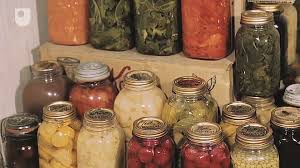
Causes of Deterioration in Raw Materials
All raw materials deteriorate after harvest through the following mechanisms:
1. Endogenous Enzymes: Oxidation of phenolic substances in plant tissues by phenolase (leading to browning), sugar-starch conversion by amylases.
2. Chemical Changes: Deterioration in sensory quality by lipid oxidation, non-enzymic browning, breakdown of pigments such as chlorophyll, anthocyanins, carotenoids.
3. Nutritional Changes: Especially ascorbic acid breakdown.
4. Physical Changes: Dehydration, moisture absorption.
5. Biological Changes: Germination of seeds, sprouting.
6. Microbiological Contamination: Organisms and their toxic products lead to quality deterioration and safety issues.
Pre-Processing Treatments of Raw Materials
1. Cleaning: Removes contaminants.
2. Sorting: Separates materials based on quality or characteristics.
3. Grading: Assesses overall quality.
4. Dehulling: Removes hulls or seed coats.
5. Peeling: Removes inedible parts.
6. Packaging: Protects materials during storage or transport.
7. Storage: Maintains quality until processing.
Raw Material Cleaning and Sorting
1. Cleaning Methods:
i. Dry Cleaning: Screening, abrasion cleaning, aspiration cleaning, magnetic cleaning.
ii. Wet Cleaning: Soaking, spray washing, flotation washing.
iii.Sorting:
- Separates raw materials into categories based on weight, size, shape, or color.
- Removes undesirable materials (e.g., leaves, stones) and immature or rotten materials to ensure high-quality inputs.
- Size sorting uses sieves or screens with fixed or variable apertures, which may be stationary, rotating, or vibrating, to prevent under- or over-processing during heating or cooling.
Grading and Dehulling
i. Grading:
- Assesses food material characteristics to determine overall quality, often by trained inspectors, making it more expensive than sorting.
- Meat is graded for fat distribution, carcass size, disease, and shape, sometimes based on laboratory analyses.
ii. Dehulling:
- Removes hulls, seed coats, brans, or shells from legumes, cereals, cocoa beans, etc.
- Achieved via wet or dry methods; efficiency depends on seed coat thickness.
- May involve a heating process (conditioning) to facilitate hull removal.
iii. Peeling
- Aims to remove unwanted or inedible materials to improve the appearance and taste of the final product.
- Minimizes losses by removing as little underlying raw material as possible.
- Methods include steam peeling, knife peeling (e.g., citrus fruits), abrasion peeling (using abrasive rollers), caustic peeling (1–2% sodium hydroxide), and flame peeling (e.g., for removing root hairs and skins of onions).
Read Also: How to Grow Paw-Paw (papayas): Beginners Business Guide
Storage and Transportation of Raw Materials

1. Storage and Transportation Systems
- Storage is essential at all points of the food chain, from raw materials to manufacture, distribution, retailers, and final purchasers.
- Consumers expect a wide variety of products, including nonlocal materials, to be available year-round, necessitating effective storage and transportation systems.
- Storage of materials with fluctuating supply or demand, especially seasonal produce, increases availability.
- Processors maintain raw material stocks to buffer demand, but storage is costly due to tied-up capital and expensive warehousing.
2. Factors Governing Quality of Stored Foods
i. Temperature: Lower storage temperatures slow biochemical spoilage and reduce bacterial and fungal growth, as the rate of biochemical reactions is temperature-dependent.
ii. Moisture/Humidity: Water uptake during storage increases susceptibility to microbial growth, while water loss causes economic loss and issues like cracking of seed coats or skins of fruits and vegetables.
iii. Atmospheric Composition:
For some materials (e.g., coffee, baked goods), an oxygen-free atmosphere prevents oxidation.
For others, adequate ventilation prevents anaerobic fermentation, which can lead to off-flavors.
Packaging can maintain specific atmospheric compositions during storage.
Effective management of raw materials in food processing involves understanding their types, applying appropriate unit operations and preservation methods, and addressing deterioration through pre-processing treatments.
Proper storage and transportation systems, along with control of factors like temperature, moisture, and atmospheric composition, are critical to maintaining the quality and availability of raw materials for the food industry.
Do you have any questions, suggestions, or contributions? If so, please feel free to use the comment box below to share your thoughts. We also encourage you to kindly share this information with others who might benefit from it. Since we can’t reach everyone at once, we truly appreciate your help in spreading the word. Thank you so much for your support and for sharing!