


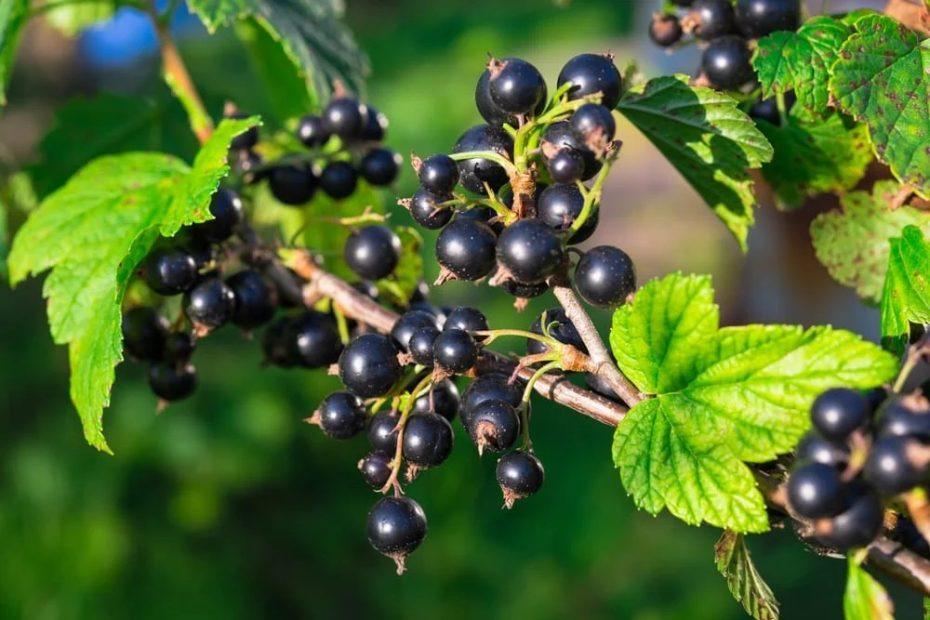
There are so many health benefits that are associated with our natural God given herbs, roots and spice of which Black currant is not an exemption.
Black currant (Ribes nigrum) is known as a small shrub which belongs to the gooseberry family of plants. The bush produces dark purple, nutrient-dense berries that are loaded with vitamin C.
These berries are rich in anthocyanins, which possess many health-promoting properties, including the ability to prevent obesity, heart disease, cancer and diabetes. Eating black currant berries can also promote eye health, kill pathogens and viruses, and boost your immune system.
According to recent researches that have been conducted on Black currant in the process of trying to identify it’s health benefits, the following results were found:
Emerging evidence showing that the black currant possesses antioxidant, antibacterial and antiviral properties and may be useful in slowing cancer growth, enhancing immunity and even preventing eye disease, this sour berry should be a must-try on everyone’s list.
Not only can you enjoy this flavorful berry all on its own, but it can also make a delicious addition to everything from baked goods to glazes and more. For even more added convenience, you can also pop a quick capsule of black currant oil to get an instant megadose of its many health benefits.
Whether you’re just hearing of black currants for the first time or they’ve been a longtime favorite in your household, these tart berries are high in health benefits and can be a nutritious addition to any diet.
Black Currant Benefits

1. Rich in Anthocyanins
The deep purple pigment of the black currant is attributed to its high anthocyanin content. Anthocyanins are plant pigments that produce a red, purple or blue hue depending on their pH.
Black currants contain a good variety of different anthocyanins, with some studies showing that they contain up to 15 unique types.
In addition to their role as a plant pigment, anthocyanins also possess many health-promoting properties. Research has shown that anthocyanins may play a role in cancer prevention, heart health, obesity and even diabetes.
They also act as antioxidants, which are compounds that neutralize harmful free radicals to prevent cell damage as well as chronic disease.
In addition to black currants, other anthocyanin-rich foods include berries, eggplant, red cabbage and grapes. Including a good amount of these foods in your diet can have a lasting impact on your health.
2. Helps Reduce Cancer Growth
One of the most impressive benefits of the black currant plant is its powerful effect on cancer. Thanks to its high anthocyanin content, some research has found that black currant extract may help slow the growth of cancer.
In one test-tube study conducted by Northeastern Ohio Universities Colleges of Medicine and Pharmacy, black currant extract was shown to help inhibit the growth of liver cancer cells. Another study out of Japan found that black currant extract blocked the spread of breast and endometrial cancer cells.
Other research published in the Journal of Medicinal Food has shown that black currant extract may also be effective in killing off stomach and esophageal cancer cells.
Read Also: Black Cohosh – Importance and Health Benefits
3. Promotes Eye Health
Glaucoma is a group of eye diseases that can cause blurred and distorted vision and may even lead to blindness. This is typically a result of damage to the optic nerve, the nerve that connects the brain to the eyes.
Some studies show that the compounds found in black currants could help prevent glaucoma and promote the health of your eyes.
In one study conducted by Sapporo Medical University School of Medicine’s Department of Ophthalmology in Japan and published in the Journal of Ocular Pharmacology and Therapeutics, supplementing glaucoma patients with black currant extract was shown to decrease levels of endothelin-1, a type of hormone that is thought to contribute to the development of glaucoma.
Another two-year, randomized, placebo-controlled study, again conducted at the Sapporo Medical University School of Medicine, found that black currant anthocyanins helped reduce vision loss and improved blood flow to the eyes in patients with glaucoma.
When used in combination with traditional treatments, black currant may be effective in promoting eye health and preventing vision loss.
4. Boosts Immunity
Black currant is bursting with vitamin C. In fact, just one cup of raw black currants can provide triple the amount you need for the entire day.
Vitamin C is well-known for its immune-enhancing properties. Studies show that vitamin C can shorten the duration of respiratory tract infections and protect against malaria, pneumonia and diarrhea infections, among others.
One review from the Department of Public Health at the University of Helsinki in Finland comprised 12 studies and found that vitamin C supplementation cut common cold incidence by up to 91 percent and slashed the incidence of pneumonia by 80 percent to 100 percent.
Vitamin C also acts as an antioxidant, which can help prevent damage to tissues caused by harmful free radicals and may even reduce the risk of cancer, heart disease and stroke.
For best results, pair black currant with other high vitamin C foods, such as fruits and vegetables, to keep your immune system strong.
Read Also: The Recommended Time and Method of Planting Plantain Suckers
5. Protects Against Pathogens
In addition to its powerful abilities as an antioxidant, black currant also contains antimicrobial properties that could help protect against harmful bacteria and viruses.
A 2012 study in Japan published in Microbiology and Immunology showed that black currant extract with a concentration of less than 1 percent was able to block the growth of several strains of viruses including those responsible for adenovirus and influenza by over 50 percent. An extract of 10 percent concentration was able to block 95 percent of these viruses from sticking to cell surfaces.
Another study from the Department of Microbiology at Asahikawa Medical College in Japan demonstrated that treating strains of influenza with a concentrated amount of black currant extract was able to completely suppress virus growth.
Other research has found that blackcurrant oil may be effective against H. pylori, a type of bacteria that can cause stomach ulcers, abdominal pain and nausea.
Black currant may also be helpful in treating other types of illnesses caused by bacterial infections, such as whooping cough.
6. May Prevent Herpes Outbreaks
Herpes is a common viral infection that affects millions of people worldwide. Symptoms can vary, causing fever blisters on or around the mouth in some people and painful, itchy genital sores in others.
Some studies show that the compounds found in black currant may help kill off the virus that causes both oral and genital herpes.
A study published in Phytotherapy Research showed that black currant extract stopped the herpes virus from adhering to cells and prevented the spread of the virus.
Coupled with traditional treatments and other natural remedies like L-lysine and zinc, black currant may be a useful addition to the diet to help prevent herpes outbreaks.
Black Currant Nutrition Facts

Known by its scientific name Ribes nigrum, the black currant also sometimes called blackcurrant belongs to the gooseberry family of plants. This small shrub is native to certain parts of northern and central Europe as well as Siberia and thrives in the cold temperatures found in these regions.
The black currant bush can produce up to 10 pounds each year of dark purple edible berries that have a tart taste and can be eaten raw or used to make flavorful jams, jellies and juices.
Black currants are nutrient-dense foods, meaning they are low in calories but contain many important nutrients. They are particularly high in vitamin C and can meet and exceed your daily needs in just one serving.
One cup (112 grams) of raw European black currants contains approximately:
- 70.5 calories
- 17.2 grams carbohdyrates
- 1.6 grams protein
- 0.5 gram fat
- 203 milligrams vitamin C (338 percent DV)
- 0.3 milligram manganese (14 percent DV)
- 1.7 milligrams iron (10 percent DV)
- 361 milligrams potassium (10 percent DV)
- 26.9 milligrams magnesium (7 percent DV)
- 66.1 milligrams phosphorus (7 percent DV)
- 1.1 milligrams vitamin E (6 percent DV)
- 61.6 milligrams calcium (6 percent DV)
- 258 IU vitamin A (5 percent DV)
- 0.1 milligram copper (5 percent DV)
- 0.1 milligram thiamine (4 percent DV)
- 0.1 milligram vitamin B6 (4 percent DV)
- 0.4 milligram pantothenic acid (4 percent DV)
How to Use Black Currants
Black currants may be available in some grocery stores as well as online. Keep in mind that they differ from Zante currants, which are simply dried Black Corinth grapes.
The black currant berries have an intense sour flavor and can be either enjoyed raw or used to cook both sweet and savory dishes. Because of their tart taste, many prefer to sweeten them up a bit if eaten raw by using a natural sweetener. They can also be brewed into black currant tea or used to add a unique flavor to juices, jams, sauces, shakes and baked goods.
Here are some easy black currant recipes that you can try:
- Black Currant and Lavender Pie
- Pork Chops with Black Currant Sauce
- Black Currant Chia Nourish Shake
- Black Currant Jam
To squeeze in a quick and concentrated dose of all the beneficial nutrients found in black currants, you can also give black currant oil a try. Frequently found in capsule form, black currant oil is a good source of gamma-linolenic acid, a type of omega-6 essential fatty acid, and is taken to promote healthy skin and hair.
Look for a capsule that contains at least 45 milligrams of GLA with minimal added ingredients, and take 500 milligrams twice daily.
Read Also: Astragalus Root – Importance and Health Benefits
Black Currant History
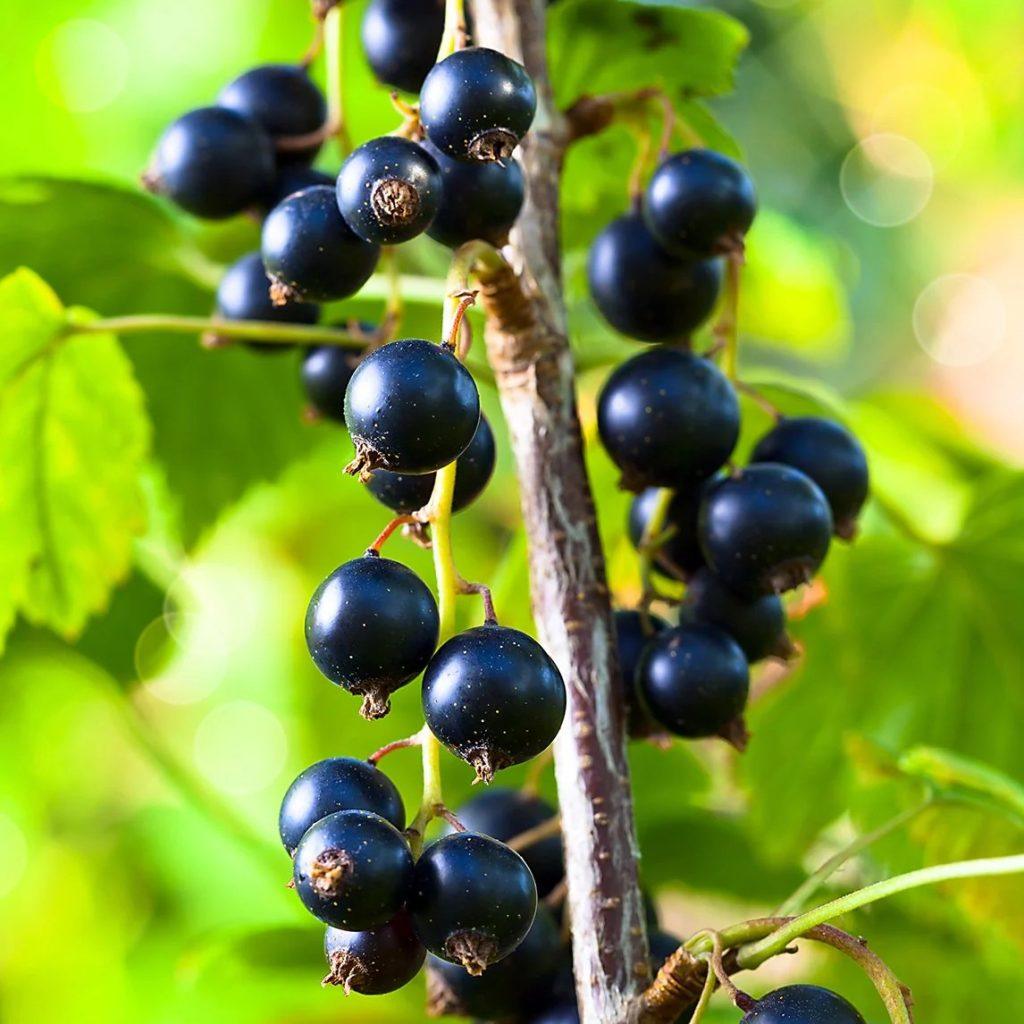
Black currant has a rich history as a popular natural remedy and has been used for everything from treating gout to relieving PMS symptoms.
In the 1800s, black currant was extremely popular in the United States. In fact, in the 1920 census it was estimated that United States farmers were growing 7,400 acres of currants and gooseberries. However, many Americans today have never tried, let alone heard of, the black currant.
This is because it was later discovered that black currants were responsible for the spread of white pine blister rust, a type of fungus that began gradually killing off white pine trees. This became a major problem, as white pine trees were an essential component of the lumber industry.
By the 1920s, millions of white pine trees had been decimated by white pine blister rust, leading the federal government to ban and begin eradicating the black currant.
Today, most white pine trees have been bred to resist the effects of white pine blister rust. Commercial growth of black currants is no longer banned at the federal level, although several states do still have regulations in place restricting growth.
In Europe, black currants have retained their popularity over the years. In fact, a black currant juice called Ribena was even given to children during World War II to prevent vitamin C deficiency after the import of citrus fruits like oranges, lemons and limes was blocked in the United Kingdom.
Black currant remains a popular ingredient for juices, jams and jellies in Europe. Recent statistics even show that a whopping 97.8 percent of currants grown worldwide are actually found in Europe.
In the United States, black currants are not as common as they once were, but they have begun to thrive again in areas like Connecticut, Oregon and New York.
Recent efforts have begun to breed improved black currant varieties that are less susceptible to disease, yield more fruit and are more resistant to pests.
Possible Side Effects/Caution
Although uncommon, black currant may cause an allergic reaction in some people, especially in those who have a sensitivity to salicylate, a compound that occurs naturally in some plants. If you experience symptoms like rashes, hives or swelling after eating black currant, you should discontinue use immediately.
Black currant seed oil may also cause side effects for some individuals, including gas, headaches and diarrhea.
Those who are taking phenothiazines, a type of anti-psychotic medication, should not take black currant as it may increase the risk of seizure.
Additionally, black currant may slow blood clotting. If you have a bleeding disorder or are taking a medication for blood clotting, such as Warfarin, you should consult with your doctor before taking black currant. You should also not take black currant prior to surgery as it may increase bleeding risk.
Final Thoughts on Black Currant
- Black currants are low in calories but high in many nutrients, especially vitamin C.
- They possesses strong antioxidant, antiviral and antibacterial properties that can help prevent infection and disease and promote many aspects of health.
- They have also been shown to prevent eye disease, reduce the growth of cancer and even block herpes outbreaks.
- You can enjoy these sour berries all on their own, use them in cooking or try black currant oil for an easy way to take advantage of the nutritious benefits of black currant.
Scientific Evidence and Case Studies on Black Currant
1. Antioxidant and anti-inflammatory effects: Black currants are rich in anthocyanins and polyphenols that exhibit potent antioxidant activity, neutralizing free radicals and reducing inflammation linked to chronic diseases like heart disease, cancer, and diabetes.
2. Eye health and glaucoma prevention: Compounds in black currant reduce endothelin-1 levels and improve ocular blood flow; studies show decreased vision loss and better glaucoma management when used alongside treatments.
3. Immune system enhancement: High vitamin C content shortens respiratory infections and boosts immunity; reviews indicate vitamin C from sources like black currant reduces cold incidence and protects against pneumonia.
4. Antimicrobial and antiviral properties: Extracts block pathogens such as influenza, adenovirus, and herpes virus adhesion/spread; research demonstrates suppression of bacterial growth and potential against H. pylori.
5. Cardiovascular and metabolic benefits: Anthocyanins improve insulin resistance, lower blood pressure, reduce arterial stiffness, and support heart health by modulating cholesterol and inflammation.
Nutritional Value Of Black Currant
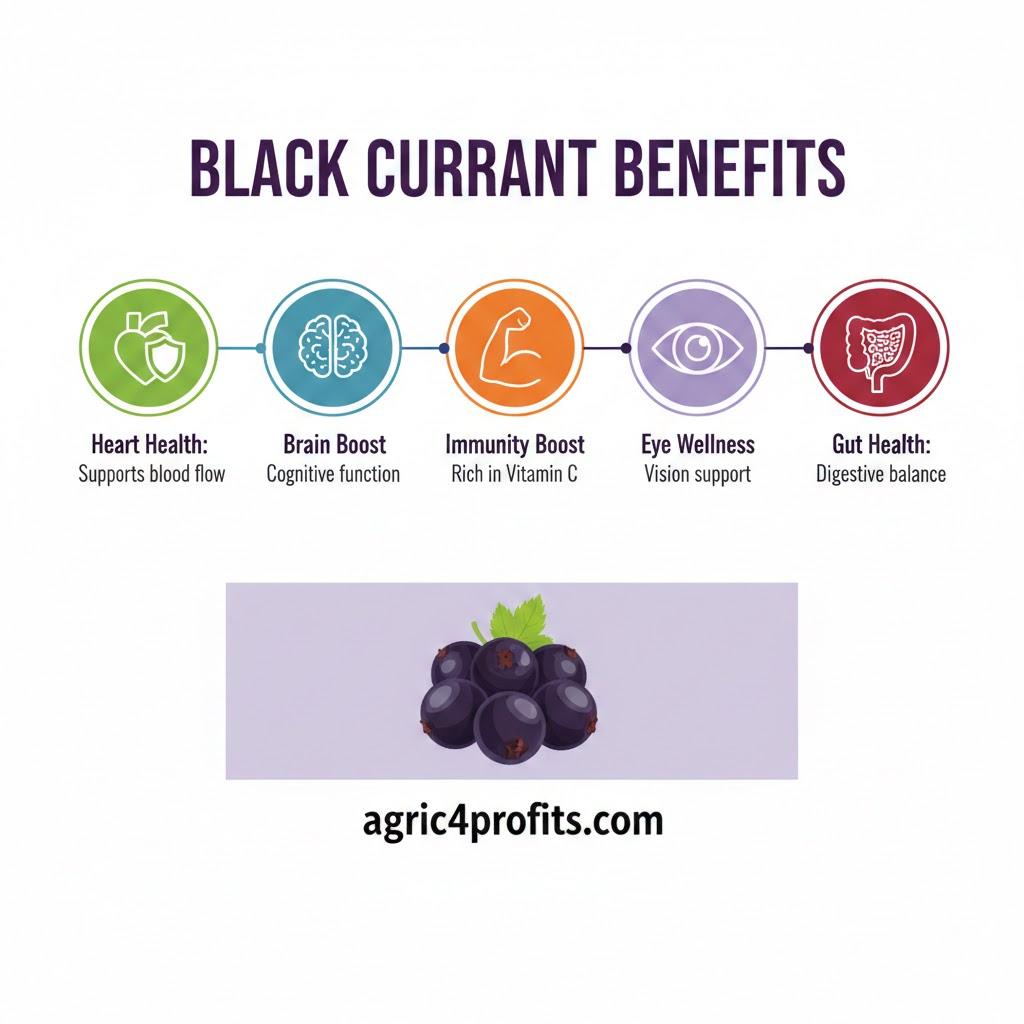
Black currant (Ribes nigrum) berries are low-calorie and nutrient-dense (values approximate per 100g raw):
1. Vitamin C: Around 181mg (over 200% DV), a powerful antioxidant for immune support, collagen production, and protection against oxidative stress.
2. Anthocyanins and polyphenols: High levels provide potent antioxidant and anti-inflammatory effects, combating free radicals and chronic disease risk.
3. Dietary fiber: About 4-5g, aiding digestion, promoting gut health, and supporting satiety for weight management.
4. Potassium: Approximately 322mg (around 7-11% DV), helping regulate blood pressure and fluid balance.
5. Manganese: About 0.26mg (11% DV), supporting metabolism, bone health, and antioxidant enzyme function.
6. Iron: Around 1.5mg (9% DV), contributing to oxygen transport and energy levels.
7. Low calories: Only about 63 kcal with minimal fat (0.4g) and moderate carbs (15g), making it ideal for nutrient-dense, low-energy diets.
Summary of Black Currant
| Aspect | Description |
|---|---|
| What is Black Currant | Small, dark purple berries from Ribes nigrum shrub (gooseberry family); nutrient-dense with sour taste, rich in vitamin C and anthocyanins. |
| Key Health Benefits | Rich in anthocyanins for antioxidant protection, reduces cancer growth (inhibits cell proliferation), promotes eye health (glaucoma prevention, better blood flow), boosts immunity (high vitamin C shortens infections), protects against pathogens/viruses (antimicrobial/antiviral), may prevent herpes outbreaks, supports heart health and metabolic function. |
| Nutritional Highlights | High vitamin C (181mg/100g), anthocyanins, fiber, potassium, manganese, iron; low calories (63 kcal/100g), supports immunity, anti-aging, and disease prevention. |
| Common Uses | Eaten raw (sweetened if tart), in juices, teas, jams, jellies, sauces, baked goods, shakes; black currant seed oil capsules for GLA benefits (skin, inflammation). |
| Preparation and Tips | Use in sweet/savory recipes like pies, pork sauces, chia shakes; available fresh, frozen, or as extracts/oil; choose European black currants for authenticity. |
| Precautions | Rare allergies (rashes in salicylate-sensitive); oil may cause mild digestive issues; slows blood clotting—consult doctor if on anticoagulants or before surgery. |
| Overall | Superfood berry with strong antioxidant, immune-boosting, and protective properties; versatile in diet for preventing chronic diseases and enhancing wellness. |
Frequently Asked Questions About Black Currant
1. What makes black currant so healthy?
Its high anthocyanin and vitamin C content provide powerful antioxidant, anti-inflammatory, and immune-supporting effects.
2. How does black currant benefit eye health?
It reduces endothelin-1 and improves ocular blood flow, helping prevent glaucoma and supporting vision in studies.
3. Can black currant help fight infections?
Yes, its antimicrobial and antiviral properties block viruses like influenza and adenovirus, plus high vitamin C shortens respiratory illnesses.
4. Is black currant good for cancer prevention?
Extracts slow cancer cell growth and inhibit spread in lab studies on liver, breast, stomach, and other cancers.
5. How much vitamin C is in black currant?
About 181mg per 100g (over 200% DV), more than triple the amount in many other fruits.
6. Can black currant help with herpes?
Yes, compounds prevent herpes virus adhesion and spread, potentially reducing outbreaks when used with other treatments.
7. What are common ways to consume black currant?
Raw (sweetened), in juices/teas/jams, baked goods, sauces, or as seed oil capsules for concentrated benefits.
8. Are there any side effects of black currant?
Generally safe; rare allergies or mild digestive issues from oil; may affect blood clotting—consult a doctor if on related medications.
9. Is black currant different from other currants?
Yes, black currant (Ribes nigrum) is distinct from red currants or Zante currants (dried grapes); it has a stronger, sourer flavor and higher nutrient profile.
10. Does black currant support heart health?
Yes, anthocyanins help lower blood pressure, improve arterial stiffness, and reduce cardiovascular risks through anti-inflammatory actions.
Do you have any questions, suggestions, or contributions? If so, please feel free to use the comment box below to share your thoughts. We also encourage you to kindly share this information with others who might benefit from it. Since we can’t reach everyone at once, we truly appreciate your help in spreading the word. Thank you very much for your support and for sharing!
Disclaimer: This article is for educational and informational purposes only. The health benefits described are based on scientific research and traditional knowledge. They ayre not a substitute for professional medical advice, diagnosis, or treatment. Always consult a healthcare professional before using any herb or natural remedy for medical purposes.
Read Also: How Long Does It Take a Hazelnut Tree to Produce Nuts?
Hi! I love how informative and great your articles are.
Thanks and I’m glad you find our articles useful