


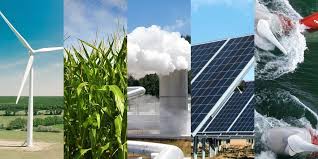
Renewable natural resources, such as forests, wildlife, and fish, are vital for sustaining life and supporting ecosystems. These resources can regenerate if managed sustainably, but overexploitation and environmental degradation threaten their existence, impacting biodiversity, climate, and human societies.
Forests, in particular, play a critical role in maintaining environmental balance. However, human activities like deforestation for agriculture, industry, and settlements have led to significant forest loss. This article explores the importance of forests, their environmental impact, and the consequences of their depletion.
Read Also: How to Grow, Use and Care for Whitetinge Sedge Grass (Carex albicans)
Importance of Forests to the Environment
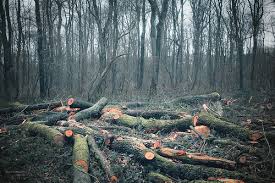
Forests are essential ecosystems that provide numerous ecological, economic, and social benefits. They serve as habitats for wildlife, regulate water cycles, and support human activities like recreation and resource extraction. Their sustainable management is crucial for environmental stability.
Forests contribute to soil conservation, prevent desertification, and provide resources like timber, food, and medicine. Their role in maintaining air quality and regulating climate is equally significant, making them indispensable to life on Earth.
A. Habitat for Wildlife
Forests are the natural habitat where wild animals live and feed. They provide shelter, food, and breeding grounds for countless species, supporting biodiversity and ecological balance. Without forests, many species face endangerment or extinction.
The destruction of forests for agriculture or settlements disrupts these habitats. Once roads are built, larger trees are felled, and pastoralists complete the destruction, leaving wildlife vulnerable and reducing biodiversity significantly.
B. Conservation of Water Supply
Forests play a critical role in conserving water supplies. They regulate underground water flow, prevent sedimentation of reservoirs, and reduce siltation in streams and lakes, ensuring clean water availability.
Tree canopies and leaf litter slow rainwater, allowing it to seep into the ground. This process protects watersheds and maintains water quality, preventing degradation of vital water resources.
C. Resources for Human Use
Forests provide a wide range of resources essential for human activities. These resources support industries, agriculture, and daily life, making forests economically and socially significant.
1. Timber and Wood: Forests supply timber for construction, pulp for paper production, and wood for energy and agricultural staking.
2. Food and Medicine: Forests are home to herbs, vegetables (e.g., Pterocarpus spp.), and fruits (e.g., Irvingia gabonensis) used for food and condiments.
3. Extractives: Forests provide materials like tannin for leather curing, exudates for gum production, and plants used in traditional medicine.
Human Activities Impacting Forests
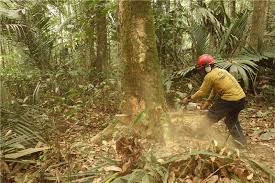
Human activities such as agriculture, mining, and settlement expansion have significantly contributed to forest destruction. These activities, driven by economic and developmental needs, often lead to unsustainable forest use and environmental degradation.
In Nigeria, cities like Abuja, Lagos, and Ibadan have expanded at the expense of forest land. Mining operations, such as those in Jos and Enugu, and dam construction further exacerbate deforestation, threatening ecosystems and resources.
A. Agriculture and Pastoral Activities
The conversion of forests to pasture is widespread in tropical regions with a long tradition of cattle husbandry. This practice has led to significant forest loss and habitat destruction.
Once roads are built, larger trees are felled, and pastoralists clear remaining vegetation. This process destroys forests and endangers wildlife, reducing biodiversity and disrupting ecosystems.
B. Mining and Industrial Activities
Mining activities, including coal mining in Jos and Enugu and oil exploration, have contributed to forest destruction. These operations clear large forest areas, leaving ecosystems vulnerable.
Dam construction and industrial timber harvesting for pulp and paper production further exacerbate deforestation. These activities often lack sustainable practices, leading to long-term environmental damage.
C. Human Settlement Expansion
The establishment of new human settlements, such as Abuja and expanding cities like Lagos and Kaduna, involves clearing large hectares of forest land. These areas are rarely replanted, leading to permanent forest loss.
This expansion fuels unsustainable forest use, as felled trees are not replaced by plantations, further diminishing renewable natural resources.
Read Also: How to Grow, Use and Care for Whitegrass (Leersia virginica)
Environmental Consequences of Deforestation
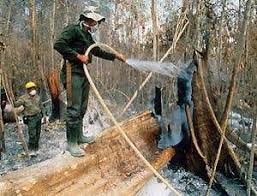
Deforestation has far-reaching consequences, affecting climate, biodiversity, and human societies. The loss of forest cover disrupts ecosystems, alters weather patterns, and threatens human livelihoods, particularly in agriculture.
Tropical rainforests and savannas, once abundant, are now increasingly fragmented. Conservation movements are advocating for sustainable practices to mitigate these impacts and restore forest ecosystems.
A. Impact on Soil
Forests stabilize soil by preventing surface runoff and erosion. Vegetation cover protects soil from wind and rain, while leaf litter forms a protective carpet, preserving soil fertility.
When forests are cleared, soil is exposed to erosion. Fertile topsoil is washed away by fast surface runoff, degrading land and reducing agricultural productivity.
B. Impact on Water
Forests protect watersheds by regulating water flow and preventing sedimentation. Leaf litter slows rainwater, allowing it to seep into the ground, maintaining groundwater levels.
Deforestation disrupts this process, leading to sedimentation of reservoirs and siltation of streams. This affects water quality and availability, impacting ecosystems and human communities.
C. Impact on Air and Climate
Forests purify air through photosynthesis, releasing oxygen and absorbing carbon dioxide. Transpiration from trees releases water vapor, cooling the environment and regulating local climates.
Deforestation contributes to climate change by reducing carbon sequestration. In Nigeria, forest cover dropped by 5% from 1976 to 1996, with desertification advancing at 0.7 km per year, exacerbating climate issues.
Evidence of Climate Change
Deforestation and other human activities have contributed to global and regional climate change. Rising temperatures, unpredictable rainfall, and extreme weather events are becoming more common, with significant impacts on ecosystems and societies.
In Nigeria, forest loss has led to desertification, reduced agricultural productivity, and sea level rise. These changes threaten biodiversity, food security, and human livelihoods, necessitating urgent action.
A. Global Climate Change
Global mean surface temperatures rose by approximately 0.6°C since 1910, with 2002 recording 0.5°C above the 1961-1990 average. This warming trend is linked to deforestation and greenhouse gas emissions.
Extreme weather events, such as heavy rainfall in Tanzania and Kenya and droughts in Ethiopia and India in 2002, highlight the global impact of climate change.
B. Regional Climate Patterns
In Nigeria, desertification has expanded, with desert belts moving southward. By 1996, 35% of Nigeria’s land was desert, advancing at 0.7 km per year, driven by overgrazing, logging, and fuelwood harvesting.
Extreme weather events, including unpredictable rainfall and flooding, have disrupted agriculture and water availability, further exacerbating environmental challenges.
C. Impacts on Nigeria
Nigeria’s forest area has decreased from 60 million hectares in 1890 to 9.6 million hectares today, with an annual loss of 300,000 hectares. This loss is driven by deforestation and unsustainable practices.
1. Sea Level Rise: Coastal erosion and flooding result from rising sea levels, with estimated land loss of 3,400 m² currently and 18,400 m² projected in 50–100 years.
2. Reduced Agricultural Productivity: Unpredictable rainfall and drought reduce crop yields, threatening food security and livelihoods.
3. Increased Temperatures: Surface air temperatures in cities like Lagos and Kano have risen by 0.25–0.5°C since 1920, affecting rainfall patterns and extreme weather.
Frequently Asked Questions
1. What are renewable natural resources?
Renewable natural resources are living biological resources, like forests, wildlife, and fish, that can regenerate after harvesting if managed sustainably. Overexploitation can deplete them, leading to extinction.
2. Why are forests important to the environment?
Forests support biodiversity, regulate water cycles, prevent erosion, and provide resources like timber, food, and medicine. They also purify air and mitigate climate change through carbon sequestration.
3. How does deforestation affect climate change?
Deforestation reduces carbon sequestration, increases greenhouse gas emissions, and alters local and global climates, leading to rising temperatures, unpredictable rainfall, and extreme weather events.
4. What are the main causes of forest loss in Nigeria?
Forest loss in Nigeria is driven by agriculture, mining, industrial timber harvesting, and human settlement expansion, particularly in cities like Abuja, Lagos, and Ibadan.
5. How does forest loss impact soil and water?
Forest loss exposes soil to erosion, reducing fertility, and disrupts watersheds, leading to sedimentation and reduced water quality, affecting ecosystems and human communities.
6. What can be done to mitigate deforestation?
Sustainable forest management, reforestation, and conservation efforts, supported by NGOs and government policies, can help mitigate deforestation and restore ecosystems.
7. How does climate change affect agriculture in Nigeria?
Climate change causes unpredictable rainfall and droughts, reducing water availability for crops and leading to lower agricultural yields, threatening food security.
Do you have any questions, suggestions, or contributions? If so, please feel free to use the comment box below to share your thoughts. We also encourage you to kindly share this information with others who might benefit from it. Since we can’t reach everyone at once, we truly appreciate your help in spreading the word. Thank you so much for your support and for sharing!