


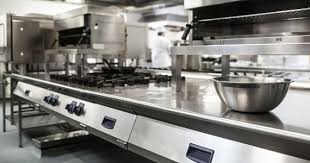
The atmosphere and functionality of a restaurant depend heavily on its equipment, including furniture, fixtures, and linen. This article explores the essential elements that create an inviting and efficient dining environment, ensuring both aesthetic appeal and operational efficiency for a memorable guest experience.
Selecting the right equipment enhances the dining experience by combining practicality with elegance. From tables and chairs to service stations and linens, each component plays a vital role in shaping the restaurant’s ambiance and service quality, tailored to various occasions and service styles.
Furniture for Dining Areas
The furniture in a restaurant significantly influences its atmosphere. Utilitarian yet elegant designs allow flexibility in creating diverse dining experiences. By varying materials, designs, and arrangements, restaurateurs can adapt the food service area to suit different occasions, enhancing guest satisfaction.
A. Tables
Tables are central to the dining experience, with their size and shape determined by available space and service style. Their design impacts both functionality and aesthetics, ensuring guests enjoy a comfortable and visually appealing setting.
1. Table Types and Dimensions: Three main table shapes are used: round, rectangular, and square. The standard height is 75 cm. Round tables for four are about 92 cm in diameter, square tables for two are 76 cm, and rectangular tables for four measure 137 cm x 76 cm.
2. Table Materials: Commercial table tops come in materials like wood, metal, stone, tile, and melamine. Many feature edged finishes to prevent scuffs and dents, ensuring durability and maintaining a polished appearance over time.
3. Specialized Features: In some upscale settings, tables have a revolving top for self-service. This feature, placed over the main tabletop, allows guests to rotate and serve themselves, adding convenience and a unique dining experience.
B. Chairs
Chairs complement tables in both function and style, contributing to guest comfort. Their design must align with table dimensions to ensure a seamless dining experience, accommodating various restaurant themes and occasions.
1. Chair Variety: Chairs come in diverse shapes, colors, and sizes to match different restaurant aesthetics. The wide range of styles ensures compatibility with various interior designs, from casual to formal dining settings.
2. Chair Dimensions: The average chair height is 92 cm, with the seat 46 cm from the floor and 23 cm below the table’s top. This ensures guests can sit and eat comfortably without their legs touching the table’s underside.
3. Comfort Considerations: Properly proportioned chairs enhance guest comfort. The relative dimensions to the table prevent discomfort, allowing diners to enjoy their meals without physical constraints, thus improving the overall dining experience.
Read Also : Operating Principles and Guide for Proper Fish Hatcheries
Service Equipment and Fixtures
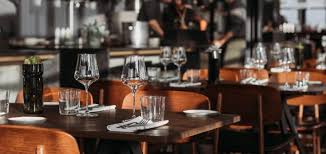
Service equipment, such as side stations and trolleys, streamlines restaurant operations. These fixtures support staff efficiency and enhance guest service by providing convenient storage and service points, maintaining a clean and organized dining area.
The strategic placement and maintenance of service equipment are crucial for smooth operations. These tools not only aid service staff but also contribute to the restaurant’s aesthetic, as they are visible to guests and must remain presentable.
A. Side Station (Dummy Waiter)
The side station, or dummy waiter, is a critical piece of restaurant furniture. It serves as a hub for service equipment and a landing area for dishes, ensuring efficient service flow from kitchen to table.
1. Functionality: Side stations store service items like salvers, creamers, wine chillers, coffee pots, teapots, ice buckets, and cruet sets. They also hold soup ladles, butter dishes, wine openers, and bud vases for convenience.
2. Strategic Placement: Positioned strategically, side stations allow staff to access equipment easily. Their visibility to guests necessitates cleanliness and presentability, contributing to the restaurant’s professional image.
3. Design Factors: The side station’s style depends on the service type, menu, number of waiters, and tables served. Portable and compact designs maximize space, allowing more seating and easy repositioning as needed.
B. Trolleys
Trolleys enhance service by bringing preparation and presentation directly to the guest. Various types cater to specific needs, from flambé to dessert service, adding flair and functionality to the dining experience.
1. Gueridon or Flambe Trolley: This mobile trolley, with burners and a gas cylinder, allows food to be flambéed tableside. Only skilled waiters handle it to avoid overcooking or fire hazards, ensuring a dramatic dining experience.
2. Room Service Trolley: Versatile for in-room dining, this trolley doubles as a dining table. Equipped with a hot case to keep food warm, it provides convenience and privacy for guests in their rooms.
3. Dessert Trolley: Displaying desserts visually, this trolley encourages orders with its appealing presentation. Often refrigerated, it holds gateaux, pastries, and soufflés, with a glass top for easy dessert selection.
4. Hors d’oeuvre Trolley: Used for appetizers like egg, fish, or meat selections, this trolley is less common in some regions but promotes special dishes, enhancing the menu’s variety and appeal.
Linen in Restaurants
Linens, including tablecloths, napkins, and slip cloths, add elegance and functionality to the dining setup. Made from durable materials like cotton or linen, they enhance the aesthetic while protecting surfaces and ensuring hygiene.
Proper selection and maintenance of linens contribute to a refined dining experience. Their size, material, and color must align with the restaurant’s decor and service standards, ensuring both practicality and visual appeal.
A. Tablecloths
Tablecloths set the tone for formal dining, offering both aesthetic and protective functions. Their material and size are chosen to complement the table and enhance the dining atmosphere.
1. Material Quality: Cotton and linen tablecloths, especially Egyptian cotton or Irish linen, are durable and absorbent. They resist pilling and maintain appearance even after ironing, making them ideal for formal settings.
2. Size Specifications: Tablecloths vary by table size: 137 x 137 cm for a 76 cm square table, 183 x 183 cm for a 92 cm square table, and 183 x 137 cm for a 136 x 76 cm rectangular table.
3. Color and Design: White tablecloths are preferred for formality, with off-white or ivory as alternatives. Damask or embroidered patterns add sophistication, enhancing the table’s visual appeal.
B. Napkins and Slip Cloths
Napkins and slip cloths enhance functionality and hygiene. Their design ensures ease of use and protection, contributing to a polished and professional dining experience.
1. Slip Cloths: Measuring about 1 meter square, slip cloths protect tablecloths from spills, extending their lifespan. They reduce laundry costs and maintain the table’s pristine appearance during service.
2. Napkins (Serviettes): Napkins, ideally 46–50 cm square, are folded and placed to the left of the place setting or on the plate. They match the restaurant’s decor and must be clean and well-pressed.
3. Service Cloths: Used by waiters for handling hot plates, wiping spills, or polishing plates, service cloths are essential. They protect uniforms and ensure hygiene during service tasks.
Read Also: Mimosa Flowers (Mimosa Pudica): Complete Growing and Care Guide
Handling and Sanitation Standards
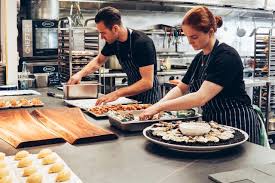
Proper handling of restaurant equipment ensures safety, sanitation, and longevity. Staff must follow strict guidelines to prevent breakages and maintain hygiene, safeguarding both equipment and guest health.
Adhering to sanitation and handling protocols is critical for a professional dining environment. These practices minimize accidents, ensure cleanliness, and uphold the restaurant’s reputation for quality service.
A. Equipment Handling Guidelines
Careful handling of equipment prevents damage and ensures guest safety. Staff training on proper techniques is essential to maintain the condition of glassware, flatware, and chinaware.
1. Correct Handling Techniques: Hold stemmed glasses by the stem, tumblers by the base, and flatware by the handle. Use underliners for bowls and trays or cloth napkins to avoid finger marks.
2. Causes of Breakages: Breakages result from mechanical impact (e.g., stacking glasses), thermal shock (e.g., hot water in cold glasses), improper use (e.g., using glasses to scoop ice), or inattentiveness.
3. Preventive Measures: Use trays for serving and bussing, follow stacking protocols, use appropriate glass racks, and avoid overloading trays. Separate doors for entry and exit prevent collisions.
B. Sanitation Standards
Sanitation ensures guest safety and a polished dining experience. Clean, sanitized equipment free of watermarks or stains reflects the restaurant’s commitment to hygiene and professionalism.
1. Clean Equipment: Use sanitized glasses, flatware, and chinaware. Wipe all equipment dry with dedicated clean cloths to avoid watermarks, ensuring a spotless presentation for guests.
2. Proper Serving Practices: Serve straws in wrappers, use plates for additional utensils, and keep thumbs away from plates to avoid contamination. Never use dropped cutlery for service.
3. Food Safety: Cover food when not served immediately to prevent contamination. Ensure all utensils, cups, and plates are free of oil, water, finger marks, or lipstick stains before use.
Frequently Asked Questions
1. What types of tables are commonly used in restaurants?
Three main types are used: round (92 cm diameter for four), square (76 cm for two, 92 cm for four), and rectangular (137 x 76 cm for four), with a standard height of 75 cm.
2. Why is the side station important in a restaurant?
The side station stores service equipment and acts as a landing area for dishes, enhancing service efficiency. Its strategic placement and cleanliness are vital as it’s visible to guests.
3. What is the purpose of a gueridon trolley?
A gueridon trolley is used for tableside flambé preparation, offering a dramatic dining experience. It requires skilled staff to handle burners safely and avoid overcooking or fire hazards.
4. How do slip cloths benefit restaurant operations?
Slip cloths protect tablecloths from spills, extending their life and reducing laundry costs. Measuring about 1 meter square, they maintain the table’s appearance during service.
5. What materials are best for restaurant tablecloths?
Egyptian cotton and Irish linen are ideal due to their durability and absorbency. They resist pilling and maintain appearance, making them suitable for formal dining settings.
6. How can breakages of restaurant equipment be prevented?
Use trays, follow stacking protocols, avoid thermal shock, and use appropriate tools (e.g., ice scoopers). Staff attentiveness and proper door usage also minimize breakage risks.
7. Why are sanitation standards critical for restaurant equipment?
Sanitized equipment ensures guest safety and a professional image. Clean, dry glasses and flatware, free of stains or finger marks, reflect high hygiene standards and enhance dining experiences.
Do you have any questions, suggestions, or contributions? If so, please feel free to use the comment box below to share your thoughts. We also encourage you to kindly share this information with others who might benefit from it. Since we can’t reach everyone at once, we truly appreciate your help in spreading the word. Thank you so much for your support and for sharing!