


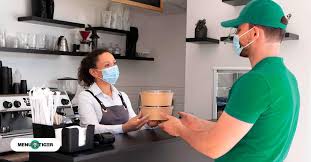
Ensuring health, safety, and security in a restaurant is a critical responsibility for all staff. These measures protect employees, customers, and the establishment. This article outlines key practices to maintain a safe and secure environment, emphasizing compliance with regulations and proactive hazard prevention.
Restaurants face unique challenges, from food hygiene to emergency preparedness. Staff must be vigilant, trained, and aware of their roles in preventing accidents and ensuring security. The following sections detail essential guidelines to uphold safety and security standards effectively.
Upholding Health and Safety Standards
Health and safety are paramount in a restaurant setting. Employees must adhere to food hygiene regulations and take reasonable care to protect themselves and others. Understanding and following these regulations ensures a safe dining environment for customers and staff alike.
Compliance involves reporting hazards, maintaining personal hygiene, and participating in safety drills. By prioritizing these responsibilities, restaurants can prevent accidents and maintain a positive reputation.
A. Food Hygiene Responsibilities
1. Understanding Regulations: Staff must know and follow food hygiene regulations. Acting within these boundaries ensures safe food handling and prevents contamination, protecting customer health.
2. Reporting Illnesses: Employees should notify management of major illnesses. This prevents the spread of disease and maintains a hygienic environment for food preparation and service.
3. Hygienic Practices: Perform food-handling duties with attention to hygiene regulations. This includes proper cleaning and handling to ensure food safety and customer satisfaction.
B. General Safety Practices
1. Knowing Escape Routes: Staff must familiarize themselves with all escape routes and fire exits. This knowledge is crucial for safe evacuations during emergencies.
2. Keeping Exits Clear: Ensure fire exits remain unobstructed at all times. Clear pathways are essential for safe evacuation and compliance with safety regulations.
3. Participating in Drills: Engage in evacuation drills and practices. Regular participation prepares staff for emergencies, ensuring calm and efficient responses.
4. Reporting Hazards: Employees must report hazards that could cause injury or ill-health to department heads or managers. Prompt reporting prevents accidents and promotes safety.
Read Also: 15 Medicinal Health Benefits Of Aspidosperma quebracho-blanco (Quebracho Blanco)
Preventing Workplace Hazards
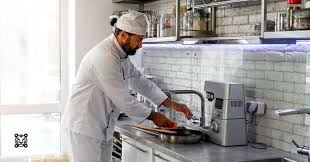
Many restaurant accidents result from carelessness or lack of awareness. Employees must be proactive in identifying and mitigating hazards to ensure a safe environment for themselves, colleagues, and customers.
By addressing common risks, such as spills or improper equipment storage, staff can significantly reduce accidents. Awareness and adherence to safety protocols are key to maintaining a hazard-free workplace.
A. Common Hazard Causes
1. Inappropriate Attire: Not wearing protective clothing like aprons or stable, properly fitted shoes increases accident risks. Proper attire enhances safety during service.
2. Delayed Cleanup: Failing to clear spillages or pick up dropped equipment promptly can cause slips and falls. Immediate action prevents these hazards.
3. Improper Storage: Equipment not stored correctly, such as trays or glassware, poses risks. Proper storage ensures a tidy and safe workspace.
4. Electrical Oversights: Forgetting to unplug appliances before cleaning or after use can lead to electrical hazards. Vigilance prevents accidents and ensures safety.
B. Specific Hazard Prevention
1. Handling Broken Items: Broken glass or crockery must be wrapped securely before disposal to prevent injuries. Proper handling reduces risks to staff and waste handlers.
2. Fire Risk Awareness: Avoid placing ashtray debris in bins with paper, as this creates a fire hazard. Proper disposal practices are essential for safety.
3. Careful Equipment Use: Over-filling coffee pots, soup tureens, or glasses can cause spills. Staff should handle equipment carefully to avoid accidents.
4. Observing Surroundings: Be mindful of customers’ bags, walking sticks, or crutches on the floor. Awareness prevents tripping hazards and ensures safe service.
Emergency Procedures
Restaurants must be prepared for emergencies like accidents or fires. Staff training in first aid and fire drills ensures quick and effective responses, minimizing harm and ensuring safety.
Clear procedures for accidents and fires, combined with regular training, equip employees to handle crises calmly and efficiently, protecting everyone in the establishment.
A. Accident Response
1. First Aid Readiness: All employees must be trained to provide first aid. Calling a qualified first aider is the first step when an accident occurs.
2. Accident Documentation: Employers must record all workplace accidents. Staff should note details like location, time, witnesses, and treatment for accurate reporting.
3. Completing Reports: If involved in or witnessing an accident, employees may need to complete an accident form. Making notes promptly ensures accurate information.
B. Fire Safety Protocols
1. Fire Drill Training: Employees receive fire drill training during induction, followed by regular sessions. This includes learning fire procedures and extinguisher use.
2. Evacuation Procedures: In a fire, usher customers and staff out calmly, assisting those with mobility issues. Follow exit routes and avoid lifts.
3. Assembly Points: Proceed to the nearest assembly point and ensure no stragglers remain. A headcount confirms everyone’s safety during evacuation.
4. Fire Prevention: Keep fire exits clear, ensure equipment is undamaged, and enforce no-smoking rules. Close doors and windows to prevent fire spread.
Read Also: 10 Medicinal Health Benefits Of Astrocaryum aculeatissimum (Tucum)
Maintaining a Clean Environment

A clean restaurant is essential for health, safety, and customer satisfaction. Regular cleaning programs reduce dust, bacteria, and debris, projecting a professional image for the establishment.
Staff must follow structured cleaning schedules and use appropriate materials to maintain hygiene. Consistent maintenance enhances the dining experience and ensures compliance with regulations.
A. Cleaning Program Importance
1. Reducing Contamination: Cleaning programs minimize dust, bacteria, and debris buildup. Regular maintenance creates a safe and appealing environment for customers.
2. Enhancing Appearance: A well-maintained service area projects a positive image. Cleanliness reflects the restaurant’s commitment to quality and professionalism.
3. Scheduled Tasks: Daily tasks like vacuuming or polishing, and periodic tasks like carpet shampooing, ensure consistent cleanliness across all areas.
B. Cleaning Best Practices
1. Using Correct Materials: Always use appropriate cleaning materials for each task. Proper tools ensure effective and safe cleaning without damage.
2. Safe Storage: Clean and store equipment safely in its designated place. Proper storage prevents accidents and maintains an organized workspace.
3. Avoiding Cross-Contamination: Do not use cleaning cloths for food surfaces or toilet cleaning cloths elsewhere. This prevents contamination and ensures hygiene.
4. Safe Practices: Avoid unsafe actions like standing on chairs to reach high areas. Use stepladders and follow safety protocols to prevent injuries.
Ensuring a Secure Environment
Security measures vary by establishment, but all staff must be aware of protocols to maintain a safe environment. Vigilance and adherence to security procedures protect customers, staff, and the restaurant.
From wearing identification to handling suspicious items, employees play a critical role in maintaining security. Proper training ensures readiness for emergencies and fraud prevention.
A. General Security Measures
1. Wearing Identification: Staff should wear recognized identity badges. This ensures accountability and helps identify authorized personnel in the workplace.
2. Observing Suspicious Activity: Be vigilant and report suspicious persons or packages. Prompt reporting prevents potential security threats and ensures safety.
3. Maintaining Confidentiality: Avoid discussing work duties with customers or outside the workplace. This protects sensitive information and maintains professionalism.
4. Cooperating with Searches: Allow bags and personal items to be searched when entering or leaving. Cooperation supports a secure environment for all.
B. Handling Suspicious Items and Threats
1. Suspicious Packages: Report suspicious items to a security officer or manager without touching them. Discreetly establish ownership if customers are nearby.
2. Clearing Areas: If ownership is unestablished, clear the area and notify authorities promptly. Swift action minimizes risks and ensures safety.
3. Bomb Threat Response: Follow establishment bomb threat policies, evacuate calmly, and ensure all areas are cleared. Count all persons at assembly points.
4. Cash Handling: Check large denomination notes, cheques, and credit cards carefully to prevent fraud. Alertness reduces financial risks to the restaurant.
Frequently Asked Questions
1. Why is food hygiene important for restaurant staff?
Food hygiene prevents contamination and ensures customer safety. Staff must follow regulations to maintain a hygienic environment and protect public health.
2. What should employees do if they notice a hazard?
Report hazards like spills or broken equipment to department heads or managers immediately to prevent accidents and ensure a safe workplace.
3. How should staff respond to a fire alarm?
Follow fire instructions, usher everyone out calmly, assist those with mobility issues, and proceed to the assembly point without using lifts.
4. Why is first aid training necessary for restaurant staff?
First aid training enables staff to respond to accidents promptly, ensuring injured individuals receive immediate care until a qualified first aider arrives.
5. What are some common restaurant hazards?
Common hazards include spills, improper equipment storage, inappropriate attire, and electrical oversights. Awareness and prompt action prevent these risks.
6. How does a cleaning program benefit a restaurant?
A cleaning program reduces bacteria and debris, enhances the restaurant’s appearance, and ensures a hygienic environment, improving customer satisfaction.
7. What security measures should staff follow?
Wear identity badges, report suspicious items, maintain confidentiality, and cooperate with searches to ensure a secure environment for everyone.
8. How should staff handle suspicious packages?
Report suspicious items to a manager without touching them, establish ownership if possible, or clear the area and notify authorities promptly.
Do you have any questions, suggestions, or contributions? If so, please feel free to use the comment box below to share your thoughts. We also encourage you to kindly share this information with others who might benefit from it. Since we can’t reach everyone at once, we truly appreciate your help in spreading the word. Thank you so much for your support and for sharing!