


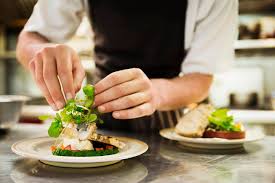
Order taking in a restaurant is a skillful art that showcases the efficiency of both the waiter and the establishment. This article outlines the essential procedures for receiving guests, taking orders, and the various methods involved, ensuring a seamless dining experience.
A well-executed order-taking process enhances guest satisfaction and reflects the quality of service. Waiters must be adept at handling diverse customers with professionalism. This guide provides detailed steps to achieve efficiency in restaurant order management.
Read Also: Feijoas: History, Nutrition, Health Benefits and Growing Guide
Qualities Of an Effective Waiter
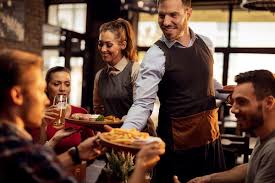
The role of a waiter is pivotal in delivering exceptional service. Waiters must possess specific skills to ensure smooth operations. Their expertise directly impacts the guest experience and the restaurant’s reputation.
A. Strong Memory and Communication
1. Exceptional Memory: A waiter must have a strong memory to recall orders accurately. This ensures no mistakes occur during service, enhancing guest satisfaction.
2. Oral Communication Skills: Clear and effective communication is essential. Waiters must articulate dish descriptions and answer guest queries confidently.
3. Food and Beverage Knowledge: Understanding menu items, garnishes, and pairings is crucial. Waiters should know cooking and serving times to provide accurate information.
B. Technical Skills
1. Rapid Writing Ability: Waiters need to write orders quickly and legibly. This allows subordinates to understand and execute orders efficiently.
2. Menu Expertise: Knowledge of daily specials and suitable dishes for various guests, like children, is vital. Waiters should recommend appropriate accompaniments.
3. Service Efficiency: Waiters must identify dishes for quick service. This is especially important for guests in a hurry, ensuring timely delivery.
C. Professional Demeanor
1. Patience and Attentiveness: Waiters should remain patient while taking orders. They must face guests and provide advice when needed.
2. Prioritization Skills: Handling multiple tables requires prioritizing orders. Waiters must adhere to a “first come, first served” sequence to avoid guest annoyance.
3. Problem Awareness: If unable to attend immediately, waiters should inform guests they’ll be served shortly. This maintains a positive guest experience.
Receiving Guests

Welcoming guests sets the tone for their dining experience. A warm and efficient reception reflects the restaurant’s service quality. Proper guest handling ensures satisfaction from the moment they arrive.
The initial interaction at the entrance is critical. Guests should feel acknowledged and valued immediately. This section outlines the steps to create a welcoming atmosphere.
A. Welcoming Guests
1. Prompt Acknowledgment: Guests must be welcomed within 10 seconds of entering. A quick greeting or eye contact shows they are noticed.
2. Staff Coordination: If the hostess or maître d’ is busy, the head waiter or assistant must acknowledge guests. This prevents them from feeling ignored.
3. Seating Arrangements: The hostess should seat guests promptly, adjusting reservations if needed. Guests are escorted to their table courteously.
B. Handling Overbooking
1. Bar Seating Option: In case of overbooking, invite guests to sit at the bar. This keeps them comfortable while the issue is resolved discreetly.
2. Efficient Problem Resolution: Address reservation conflicts away from guests. This maintains a professional image and avoids discomfort.
3. Immediate Attention: The head waiter should present themselves at the table. This reassures guests they are being attended to promptly.
C. First Impressions
1. Creating a Positive Impact: The first impression is crucial for guest satisfaction. A warm welcome sets a positive tone for the dining experience.
2. Chair Assistance: The hostess or head waiter should pull out chairs for guests. This small gesture enhances the sense of hospitality.
3. Menu Presentation: Clean menus should be placed in front of guests. This signals attention to detail and care for their experience.
Attending an Order
Taking orders efficiently is a core component of restaurant service. Waiters must approach this task with precision and care to meet guest expectations.
This process involves clear communication and attentiveness. The following steps ensure orders are taken accurately and professionally.
A. Order Taking Process
1. Polite Inquiry: Approach from the left, present clean menus, and ask, “May I have your order please, sir/madam?” This shows professionalism.
2. Allowing Time for Decisions: For extensive menus, give guests a few minutes. This prevents rushing and allows informed choices.
3. Host Prioritization: If there’s a host, take their instructions first. Otherwise, take orders as guests are ready to ensure efficiency.
B. Managing Multiple Tables
1. Timely Communication: If busy, inform guests you’ll attend shortly. This manages expectations and maintains a positive interaction.
2. First Come, First Served: Take orders based on table arrival time. Guests notice and appreciate adherence to this sequence.
3. Recommending Dishes: Suggest quick-service dishes or items suitable for children. Offer salad or vegetable pairings for main courses.
C. Order Accuracy
1. Clear Interaction: Wait patiently while guests decide. Provide advice if asked, ensuring clarity in the order-taking process.
2. Noting Special Requests: Record any specific guest preferences, like spice levels. This ensures the kitchen delivers exactly what’s requested.
3. Double-Checking Orders: Repeat orders to confirm accuracy. This minimizes errors and enhances the guest experience.
Read Also: Pawpaws: History, Nutrition, Health Benefits and Growing Guide
Recording an Order

Accurate order recording is essential for smooth kitchen operations. The head waiter must document orders clearly to avoid confusion.
This section details the systematic approach to recording orders, ensuring all details are captured correctly.
A. Initial Documentation
1. Table and Guest Details: Write the table number and number of guests in the order sheet’s corner. Note the time of the order.
2. Appetizer Orders: Record appetizer choices with corresponding guest numbers. This ensures clarity for kitchen staff.
3. Main Dish Orders: Document main dishes with special notes, like cooking preferences, on the right side of the sheet.
B. Handling Non-Orders
1. Noting Absences: If a guest skips an appetizer, write “no appetizer” with their chair number. This avoids kitchen confusion.
2. Main Dish Absences: Similarly, note if a guest skips a main dish. Clear documentation prevents service errors.
3. Totaling Dishes: Summarize the total number of dishes ordered. This helps the kitchen prepare efficiently.
C. Finalizing the Order
1. Date and Initials: Include the date and waiter’s initials on the voucher. This ensures accountability and traceability.
2. Transfer to Back Waiter: Hand the completed voucher to the back waiter. This facilitates smooth order execution.
3. Separating Headings: Clearly separate appetizer and main dish sections. This organization aids kitchen staff in processing orders.
Methods of Taking Orders
Restaurants employ various methods to take food and beverage orders. Each method is designed to streamline service and billing processes.
Understanding these methods ensures waiters can adapt to different operational needs. This section outlines the four primary methods.
A. Triplicate Method
1. Three Copies: The order is taken, with the top copy sent to the supply point, the second to the cashier, and the third retained by the server.
2. Purpose: This method ensures accurate billing and service reference. It minimizes errors during order fulfillment.
3. Application: Commonly used in formal dining settings. It provides a clear record for all parties involved.
B. Duplicate Method
1. Two Copies: The top copy goes to the supply point, while the second is kept for service and billing purposes.
2. Simplicity: This method is straightforward, suitable for smaller establishments with less complex billing needs.
3. Usage: Often used in casual dining or quick-service restaurants. It balances efficiency and accountability.
C. Service with Order Method
1. Direct Service: Orders are taken, served, and paid for immediately, as in bar or take-away services.
2. Speed: This method prioritizes quick turnaround, ideal for fast-paced environments like bars.
3. Example: Common in settings where guests expect immediate service and payment, ensuring rapid operations.
D. Pre-Ordered Method
1. Advance Orders: Orders are placed in advance, such as for room service breakfast or hospital tray systems.
2. Applications: Used in room service, functions, or specialized settings like hospitals, ensuring timely preparation.
3. Efficiency: Pre-ordering allows staff to prepare in advance, reducing wait times for guests.
Room Service Order Taking
Room service is an extension of restaurant operations, offering guests the convenience of dining in their rooms. It requires precise order-taking procedures.
This section covers the unique aspects of room service, including order methods and service protocols.
A. Room Service Setup
1. Location and Equipment: Room service is often located near the kitchen and service elevator, equipped with trays, toasters, and coffee machines.
2. Menu Consistency: Room service menus typically mirror restaurant offerings, with at least breakfast available in three-star hotels.
3. Tray Management: Food is transported covered and uncovered only upon entering the room, ensuring hygiene and presentation.
B. Order Taking Methods
1. Door Hanger System: Guests fill out a door hanger with their order, placed on the door knob for night audit collection.
2. Telephone Orders: Orders are placed via phone, requiring fast and accurate recording of guest details and preferences.
3. Digital Efficiency: Digital phones display guest names and room numbers, aiding in accurate order processing.
C. Service Procedure
1. Verification and Greeting: Verify the guest’s name, knock, announce “room service,” and greet them formally using their last name.
2. Tray Placement: Ask where to place the tray, list ordered items, and have the guest sign the bill.
3. Tray Clearance: Instruct guests to place trays outside or call for clearance, minimizing intrusion into their privacy.
Frequently Asked Questions
1. What skills are essential for a waiter?
A waiter needs a strong memory, clear communication, and extensive knowledge of food, beverages, and menu pairings to provide excellent service.
2. How should guests be welcomed in a restaurant?
Guests should be greeted within 10 seconds, escorted to their table, and made to feel acknowledged through eye contact or a warm greeting.
3. What happens if a restaurant is overbooked?
Guests are invited to sit at the bar while the issue is resolved discreetly, ensuring they remain comfortable and unaware of the problem.
4. How should a waiter handle multiple tables?
Follow a “first come, first served” sequence, inform guests if there’s a delay, and prioritize orders based on arrival time.
5. What is the triplicate method of order taking?
The triplicate method involves three copies of the order: one for the supply point, one for the cashier, and one for the server’s reference.
6. How does room service order taking work?
Guests can order via a door hanger or telephone. Orders include room number, guest name, and detailed preferences for efficient service.
7. What is the role of room service in a hotel?
Room service provides restaurant-quality dining in guest rooms, manages mini-bars, and ensures prompt, discreet service, especially for breakfast.
8. How is tray clearance handled in room service?
Guests are asked to place trays outside or call for clearance, minimizing intrusion and ensuring floors remain clean
Do you have any questions, suggestions, or contributions? If so, please feel free to use the comment box below to share your thoughts. We also encourage you to kindly share this information with others who might benefit from it. Since we can’t reach everyone at once, we truly appreciate your help in spreading the word. Thank you so much for your support and for sharing!.