


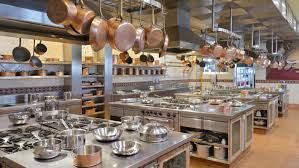
The right equipment enhances a restaurant’s appeal and functionality. This article explores service equipment, including glassware, chinaware, and tableware, which contribute to the dining experience. Each category reflects the restaurant’s standard and style, ensuring customer satisfaction and operational efficiency.
Selecting appropriate equipment is critical for restaurants. Factors such as durability, ease of maintenance, and alignment with the restaurant’s theme influence choices. This article outlines the types, uses, and handling of service equipment to maintain quality and aesthetics.
From glassware to tableware, each piece plays a role in creating a memorable dining experience. Understanding their features and proper care ensures longevity and hygiene. This guide provides insights into choosing and maintaining restaurant service equipment effectively.
Read Also: Options for Genetic Improvement in Tropical Livestock
Service Equipment Overview
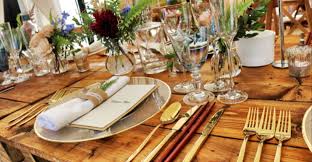
Service equipment is vital for a restaurant’s ambiance and functionality. Elegant serviceware, quality plates, and glassware enhance the dining experience. Selecting the right equipment involves balancing aesthetics, durability, and practicality to meet customer expectations and operational needs.
Several factors guide equipment selection. These include the restaurant’s standard, service type, clientele, and theme. Durability, maintenance ease, and availability for replacement are also critical. Price, storage, and flexibility of use ensure equipment aligns with the restaurant’s goals.
A. Factors for Selection
1. Restaurant Standard: The equipment must reflect the establishment’s quality and style. High-end restaurants require elegant, durable items to match their reputation.
2. Service Type: The type of service, such as buffet or fine dining, dictates specific equipment needs. Each service style requires tailored tools for efficiency.
3. Décor and Theme: Equipment should complement the restaurant’s aesthetic. Colorful, thematic designs enhance the visual appeal and customer experience.
4. Practical Considerations: Durability, ease of maintenance, and availability for replacements are essential. Flexible, cost-effective equipment ensures long-term operational success.
B. Equipment Categories
1. Glassware: Includes drinking vessels like tumblers, stemware, and footed glasses. Each type serves specific beverages, enhancing presentation and functionality.
2. Chinaware: Comprises plates, bowls, and serving dishes, often made of porcelain or earthenware. Durable, glazed chinaware resists heat and chipping.
3. Tableware: Encompasses flatware, cutlery, and hollowware. These utensils, typically stainless steel, cater to diverse dining needs and cultural preferences.
Read Also: Proper Fish Feed Formulation Guide
Glassware in Restaurants

Glassware enhances beverage presentation and customer satisfaction. From tumblers to stemware, the right glassware ensures drinks are served attractively. Well-designed glassware combines elegance, strength, and clarity, with smooth rims for a pleasant drinking experience.
Choosing glassware involves considering the beverage type and restaurant style. Each glass type, from pint glasses to champagne flutes, serves a specific purpose. Proper handling and storage are crucial to maintain glassware’s appearance and prevent breakage.
A. Types of Glassware
1. Collins Glass: A narrow tumbler (240–350 ml) used for mixed drinks like Tom Collins. It’s taller than a highball glass but shorter than others.
2. Highball Glass: Holds 8–12 oz (240–350 ml) for mixed drinks. Taller than an Old-Fashioned glass, it’s ideal for highballs and cocktails.
3. Shot Glass: A small glass for up to 3 oz of liquor. Its thick base and sides distinguish it from a whiskey glass.
4. Pint Glass: Holds 568 ml, used for beers like stouts and ales. Common shapes include conical, jug, and flared top designs.
B. Specialty Glassware
1. Pilsner Glass: Tall, slender, and tapered (250–330 ml), it showcases pilsner’s color and effervescence while maintaining a foamy head.
2. Beer Stein: A traditional German mug, often with a hinged lid, made of pewter, porcelain, or glass for serving beer.
3. Flute Glass: Narrow to maintain carbonation, it’s ideal for Belgian lambics and fruit beers, enhancing aroma and visual appeal.
4. Goblet or Chalice: Large, stemmed glasses for heavy ales. Goblets are delicate, while chalices have thicker walls for durability.
C. Handling Glassware
1. Storage Practices: Store glasses upside down on paper-lined shelves to prevent dust. Avoid stacking tumblers to reduce breakage risks.
2. Cleaning Methods: Hand or machine wash glasses, then polish with a linen cloth to avoid water stains and ensure clarity.
3. Handling Techniques: Hold glasses by the base or stem to prevent fingerprints. This ensures a sparkling, attractive appearance.
Chinaware in Restaurants

Chinaware, including plates and serving dishes, is essential for food presentation. Made from materials like porcelain or earthenware, it’s durable and often glazed for a fine finish. Chinaware’s heat resistance and chip-resistant edges make it ideal for restaurant use.
Selecting chinaware involves balancing cost, durability, and aesthetics. From expensive bone china to affordable earthenware, each type suits different restaurant needs. Proper handling and storage prevent damage and maintain hygiene, ensuring a professional dining experience.
A. Types of Chinaware
1. Porcelain: Made from kaolinite clay, fired at 1200–1400°C. Its strength and translucence come from glass formation and mineral mullite.
2. Bone China: Fine, expensive china mixed with bone ash. Decorations are under the glaze, making it ideal for high-end establishments.
3. Earthenware: Less durable and non-translucent, it’s cost-effective but porous, requiring glazing to be watertight for restaurant use.
4. Stoneware: Hard, opaque pottery fired at high temperatures. Heavier than porcelain, it’s a durable option for casual dining.
B. Chinaware Serving Items
1. Ovenproof Ware: Includes dishes and casseroles that go from oven to table, offering convenience and maintaining food temperature.
2. Variety of Sizes: Chinaware sizes vary by manufacturer, with designs tailored for specific dishes, enhancing presentation and functionality.
3. Design Options: Available in various colors and patterns, glazed chinaware adds aesthetic appeal to the dining experience.
C. Handling Chinaware
1. Cleaning Process: Wash, rinse, and dry chinaware thoroughly to remove dirt and stains, ensuring a hygienic presentation.
2. Storage Guidelines: Store in stacks of about two dozen at a convenient height, covered to prevent dust and germ accumulation.
3. Damage Prevention: Dispose of chipped or cracked items to avoid germ harboring. Careful handling reduces breakage risks.
Tableware in Restaurants
Tableware includes flatware, cutlery, and hollowware, essential for dining functionality. Made primarily of stainless steel, these items are durable, hygienic, and resistant to corrosion. They cater to diverse dining cultures and meal types, enhancing the restaurant experience.
Proper selection and maintenance of tableware ensure longevity and cleanliness. From knives to specialty utensils, each piece serves a specific purpose. Careful storage and handling prevent damage, maintaining the restaurant’s professional standards.
A. Types of Tableware
1. Flatware: Includes spoons and forks, typically stainless steel, used for informal dining. Durable and easy to maintain.
2. Cutlery: Refers to knives and cutting instruments, designed for precision and durability in various dining settings.
3. Hollowware: Includes items like sugar bowls, teapots, and platters, excluding flatware and cutlery, for serving purposes.
B. Specialty Tableware
1. Silver Tea Tongs: Used to lift sugar cubes, available in fire tong or scissor designs, often with serrated ends.
2. Asparagus Holder: A U-shaped utensil with square plates to grip a single asparagus stalk for easy eating.
3. Pastry Fork: Small fork for desserts, with a widened side for cutting, designed for right or left-handed use.
4. Lobster Pick: Long, narrow tool to extract meat from lobster or crab cavities, with a pointed or forked tip.
C. Handling Tableware
1. Storage Practices: Store in baize-lined boxes or drawers to prevent scratches. Use lockable cupboards or cutlery trolleys.
2. Hygiene Maintenance: Stainless steel’s resistance to corrosion ensures hygiene. Regular cleaning prevents tarnishing and staining.
3. Careful Handling: Avoid rough handling to prevent scratches or damage, ensuring tableware remains attractive and functional.
Frequently Asked Questions
1. What factors should restaurants consider when selecting service equipment?
Restaurants should consider the standard, service type, décor, clientele, durability, maintenance ease, availability, storage, flexibility, price, and standardization to ensure equipment meets operational and aesthetic needs.
2. Why is glassware choice important for beverage presentation?
Glassware enhances drink appearance, maintains temperature, and improves customer satisfaction. Specific glasses, like flutes or pint glasses, showcase beverage qualities like carbonation, color, or aroma effectively.
3. How should glassware be handled to maintain its quality?
Store glasses upside down on paper-lined shelves, avoid stacking tumblers, and polish with a linen cloth after washing to prevent stains and ensure a sparkling appearance.
4. What are the differences between porcelain and earthenware chinaware?
Porcelain is stronger, translucent, and fired at high temperatures, while earthenware is less durable, porous, and requires glazing. Porcelain suits high-end settings; earthenware is cost-effective for casual dining.
5. Why is stainless steel preferred for tableware?
Stainless steel is durable, corrosion-resistant, low-maintenance, and hygienic. It resists scratching, tarnishing, and staining, making it ideal for flatware, cutlery, and hollowware in restaurants.
6. How should chinaware be stored to prevent damage?
Store chinaware in stacks of about two dozen at a convenient height, covered to prevent dust and germs. Dispose of chipped or cracked items to maintain hygiene.
7. What is the purpose of specialty tableware like lobster picks or pastry forks?
Specialty tableware, like lobster picks or pastry forks, is designed for specific dishes, enhancing dining ease and presentation for items like shellfish, desserts, or asparagus.
Do you have any questions, suggestions, or contributions? If so, please feel free to use the comment box below to share your thoughts. We also encourage you to kindly share this information with others who might benefit from it. Since we can’t reach everyone at once, we truly appreciate your help in spreading the word. Thank you so much for your support and for sharing!