


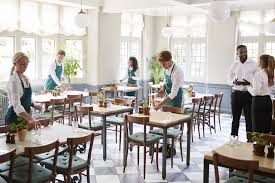
Restaurants aim to attract new customers and encourage them to become regulars. This article explores how professional service preparations, such as mise-en-scene and mise-en-place, create an inviting atmosphere and ensure smooth operations. These efforts shape first impressions and foster customer loyalty.
Effective service preparation enhances the dining experience. From setting the ambiance to organizing equipment, every detail matters. The professionalism of service staff directly impacts customer satisfaction, making thorough preparation essential for a successful restaurant operation.
Read Also: Scale Insects: Description, Damages Caused, Control and Preventive Measures
Creating the Perfect Ambiance
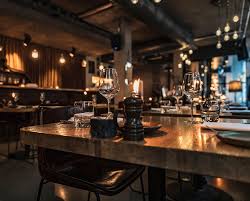
The ambiance of a restaurant sets the tone for the dining experience. Mise-en-scene, a French term meaning to prepare the environment, ensures the restaurant is pleasant, comfortable, safe, and hygienic before guests arrive.
Proper ambiance enhances customer comfort and satisfaction. By focusing on cleanliness, lighting, and temperature control, restaurants create an inviting space that encourages repeat visits and builds a loyal customer base.
A. Preparing the Physical Environment
1. Cleanliness: Carpets should be well brushed or swept. Tables and chairs must be service-ready, ensuring a tidy and welcoming space for guests to enjoy their dining experience comfortably.
2. Lighting: Table and wall lights should have functioning bulbs. Proper lighting creates a warm and inviting atmosphere, enhancing the overall mood and appeal of the restaurant.
3. Ventilation and Temperature: Doors and windows should be opened briefly to air the restaurant. Afterward, adjust air-conditioning or heating to a comfortable temperature for guest comfort.
B. Enhancing Table Presentation
1. Menu and Promotional Materials: Menu cards and tent cards should be presentable and attractive. Well-designed materials entice guests and highlight the restaurant’s offerings effectively.
2. Linen Management: Dirty linen must be exchanged for fresh linen. Tablecloths and mats should be laid neatly to ensure a polished and professional table appearance.
3. Floral Arrangements: Wilted flowers should be replaced with fresh ones. Fresh flowers add elegance and a touch of warmth to the dining area, enhancing visual appeal.
Organizing for Seamless Service
Mise-en-place, meaning “put in place,” refers to preparing the workplace for smooth service. This preparation ensures that service staff are ready to meet guest needs efficiently and professionally.
A well-prepared station is critical for operational success. By organizing equipment and supplies in advance, staff can focus on delivering exceptional service without delays or disruptions.
A. Equipping the Station
1. Stocking Side Stations: Side stations should be stocked with extra linen, crockery, cutlery, glassware, and ashtrays. This ensures quick access to supplies during busy service periods.
2. Preparing Condiments: Cruet sets should be cleaned and filled daily. Sauce bottles must be wiped clean, with necks and tops spotless, to maintain hygiene and presentation standards.
3. Readying Accompaniments: Butter, condiments, and other accompaniments should be prepared and ready for use. This ensures staff can promptly meet guest requests during service.
B. Ensuring Equipment Readiness
1. Polished Silverware and Crockery: Silverware should be polished, and china must be spotlessly clean. This attention to detail reflects the restaurant’s commitment to quality and professionalism.
2. Filled Containers: Cruet sets, sugar bowls, and flower vases should be filled and appropriately placed. Proper placement enhances both functionality and aesthetic appeal during service.
3. Clean Floors and Back Areas: Floors and carpets should be clean and dry. Back areas must be ready to support seamless service, ensuring a smooth operation throughout the session.
Delivering Professional Service

Serving food and beverages requires professional expertise and a structured approach. Following a sequence based on industry practices ensures efficient and courteous service, transforming satisfied customers into regulars.
Service staff must be diligent and courteous at all times. Their expertise in performing tasks before, during, and after service directly influences the guest experience and restaurant reputation.
A. Pre-Service Checklist
1. Table Setup: Tables and linen should be clean, with tablecloths evenly spread. Chairs must be dusted and properly arranged to ensure a neat and welcoming setup.
2. Equipment Inspection: Silverware, china, and crockery should be polished and clean. The table setup must be appropriate and visually pleasing for the dining occasion.
3. Station Preparedness: Side stations should be fully equipped with condiments, napkins, salvers, water jugs, ice buckets, coffee pots, sugar cubes, butter, and service equipment.
B. During Service Etiquette
1. Guest Greeting: Greet guests warmly with a time-of-day wish. Escort them to their table, pulling out chairs to ease seating and ensure comfort, especially for children and the elderly.
2. Order Taking: Offer suggestions on food and beverage choices. Repeat orders to avoid errors, and ensure the station is never unattended to promptly address guest needs.
3. Table Maintenance: When changing tablecloths, avoid exposing the tabletop. Clear items to the side station, not chairs or nearby tables, and brush crumbs using a service cloth.
4. Attention to Details: Light a guest’s cigarette, respond to requests promptly, and show genuine interest in their needs. Clear and crumb the table before serving dessert.
C. Post-Service Etiquette
1. Guest Departure: Pull out chairs or tables to help guests leave comfortably. Wish them warmly and invite them to return, fostering goodwill and encouraging repeat visits.
2. Table Resetting: Clear tables immediately after guests leave. Reset them for the next guests and restack the side station for the next service session.
3. Station Organization: Ensure the side station is cleared and restocked. This prepares the restaurant for the next sitting, maintaining efficiency and readiness.
Read Also: Spider Mites: Description, Damages Caused, Control and Preventive Measures
Mastering Table Setting
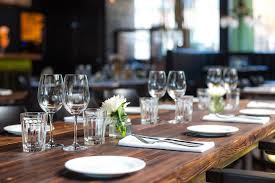
Table setting involves arranging tableware, such as utensils and dishware, for serving and eating. Known as a place setting for a single diner, it varies by culture but follows basic rules to facilitate dining and maintain neatness.
Proper table setting enhances the dining experience. By adhering to guidelines for linens, chargers, silverware, and glassware, restaurants create an organized and visually appealing dining environment.
A. Basic Table Setting Rules
1. Table Linens: Use a white tablecloth, if possible, ensuring the pattern does not clash with china. The cloth should be laid evenly, with edges brushing the chair seats.
2. Chargers and Plates: Place chargers or dinner plates at the center of each setting. They add color and texture, with soup or melon bowls placed on top if used.
3. Napkins and Silverware: Fold linen napkins elegantly and place them on the dinner plate. Silverware should be set in order of use, one inch from the table’s edge.
B. Arranging Utensils and Glassware
1. Knives and Spoons: Place knives to the right of the dinner plate, blades facing inward. Spoons follow in order of use, with dessert spoons above the plate.
2. Forks: Set forks to the left of the plate in order of use—seafood, main course, and salad. For formal dining, salad forks are used at the meal’s end.
3. Glasses: Arrange glasses above the plate to the right, in order: water, red wine, white wine, and champagne flute. Dessert plates and coffee cups are set post-dinner.
C. Key Considerations for Table Layout
1. Baize Base Cloth: Use a baize cloth under the tablecloth to protect the table, secure the cloth, prevent rattling, and absorb spills, enhancing diner comfort.
2. Linen Selection: Choose appropriate linen (cotton, linen, or damask) based on table size. Avoid soiled or torn linen, with damask being the preferred choice.
3. Balanced Covers: Ensure each cover (space for one diner) is balanced, with cutlery, crockery, and glassware placed symmetrically, 60 cm x 38 cm per cover.
Frequently Asked Questions
1. What is mise-en-scene in a restaurant?
Mise-en-scene refers to preparing the restaurant’s environment before service to ensure it is pleasant, comfortable, safe, and hygienic, including tasks like cleaning and adjusting lighting.
2. What does mise-en-place involve?
Mise-en-place involves preparing the workplace for smooth service, such as stocking side stations, cleaning cruet sets, filling sauce bottles, and ensuring all equipment is ready.
3. Why is table setting important?
Table setting organizes tableware for dining, enhancing the experience by ensuring neatness, functionality, and visual appeal, tailored to the meal and cultural practices.
4. How should service staff greet guests?
Staff should greet guests warmly with a time-of-day wish, escort them to their table, and assist with seating, paying special attention to children and the elderly.
5. What are the rules for laying table linens?
Table linens should be laid evenly, with a baize base cloth underneath to secure them, protect the table, and absorb spills. Avoid clashing patterns with china.
6. How should silverware be arranged?
Silverware is placed in order of use, one inch from the table’s edge. Knives and spoons go on the right, forks on the left, and dessert utensils above the plate.
7. What should be done after guests leave?
Pull out chairs to help guests leave, clear and reset tables immediately, restock the side station, and warmly invite guests to return for future visits.
8. Why is a baize base cloth used?
A baize base cloth protects the table, secures the tablecloth, prevents crockery rattling, and absorbs spills, ensuring diner comfort and a polished presentation.
Do you have any questions, suggestions, or contributions? If so, please feel free to use the comment box below to share your thoughts. We also encourage you to kindly share this information with others who might benefit from it. Since we can’t reach everyone at once, we truly appreciate your help in spreading the word. Thank you so much for your support and for sharing!