



Restaurants aim to attract potential customers and encourage them to become regulars. This article explores essential preparations that create a welcoming environment, ensure smooth service, and enhance customer satisfaction. From setting the ambiance to organizing table settings, these steps are critical for success.
Effective preparation transforms a one-time visitor into a frequent patron. Key elements include a well-designed menu, an appealing restaurant name, and a professional atmosphere. The service staff’s readiness, through meticulous pre-service tasks, significantly shapes customers’ first impressions and overall dining experience.
Preparing the Restaurant Environment
The restaurant’s ambiance sets the tone for the dining experience. Mise-en-scene, a French term meaning to prepare the environment, ensures the outlet is pleasant, comfortable, safe, and hygienic. Proper setup before service is crucial to make the restaurant inviting for guests.
Creating the right environment involves attention to detail. From lighting to cleanliness, every aspect contributes to customer satisfaction. A well-prepared restaurant reflects professionalism and encourages repeat visits, fostering customer loyalty.
A. Ensuring a Clean and Welcoming Space
1. Clean Carpets and Furniture: Carpets should be well brushed or swept, and tables and chairs must be service-ready to ensure a tidy appearance.
2. Check Lighting and Menus: Ensure table and wall lights have functioning bulbs, and menu cards are presentable and attractive to enhance the dining experience.
3. Air and Temperature Control: Open doors and windows briefly to air the restaurant, then set air-conditioning or heating to a comfortable temperature for guests.
4. Fresh Linens and Flowers: Exchange dirty linen for fresh ones, lay tablecloths and mats, and replace wilted flowers with fresh ones to maintain a vibrant look.
B. Organizing Service Materials
1. Prepare Sales Materials: Ensure tent cards or other promotional materials are presentable and strategically placed to engage customers effectively.
2. Maintain Hygiene Standards: Keep the restaurant hygienic by ensuring all surfaces, including tables and floors, are clean and ready for service.
3. Coordinate Staff Efforts: The supervisor or team of waiters should work together to ensure all mise-en-scene tasks are completed before service begins.
Read Also: Mimosa Flowers (Mimosa Pudica): Complete Growing and Care Guide
Setting Up Service Stations
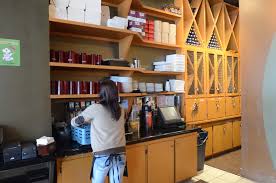
Mise-en-place, meaning “put in place,” refers to preparing the workplace for smooth service. This preparation ensures service stations are fully equipped to handle guest needs efficiently, contributing to a seamless dining experience.
Each station, managed by a team of waiters, must be ready before service begins. In larger restaurants, stations may be led by a Chef-de-rang, ensuring all tables are attended with professionalism and care.
A. Stocking Side Stations
1. Sufficient Covers: Stack side stations with enough covers for resetting the restaurant after the first sitting to ensure uninterrupted service.
2. Extra Supplies: Keep extra linen, crockery, cutlery, glassware, and ashtrays handy for quick replacements during busy service periods.
3. Clean and Filled Cruets: Clean and fill cruet sets daily, ensuring they are ready for use and enhance the dining experience.
B. Preparing Condiments and Accompaniments
1. Sauce Bottles: Fill sauce bottles and wipe their necks and tops clean to maintain hygiene and presentation standards.
2. Butter and Condiments: Place butter, condiments, and accompaniments in accessible locations for immediate use during service.
3. Efficient Organization: Ensure all items are organized at the side station to allow waiters to serve guests promptly and efficiently.
Executing Professional Service
Serving food and beverages requires professional expertise and a structured approach. Following industry-standard practices ensures a consistent and courteous service, transforming satisfied customers into loyal regulars.
Preparation before, during, and after service is essential. The service staff must perform specific tasks diligently to maintain high standards and create a memorable dining experience for guests.
A. Pre-Service Checklist
1. Clean Table Setup: Ensure tables and linen are clean, tablecloths are evenly spread, and chairs are dusted and properly arranged.
2. Polished Silverware and Crockery: Verify that silver is polished, and china and crockery are spotless, befitting the dining occasion.
3. Equipped Side Station: Check that the side station is fully equipped with condiments, napkins, salvers, and service equipment for the session.
B. Service Etiquette
1. Warm Greetings: Greet guests warmly, escort them to their table, and assist with seating to ensure a welcoming experience.
2. Attentive Service: Offer menu suggestions, repeat orders for accuracy, and never leave the station unattended to meet guest needs promptly.
3. Table Maintenance: Change tablecloths discreetly during service, clear crumbs before dessert, and respond to guests’ requests attentively.
C. Post-Service Protocol
1. Assist Guest Departure: Pull out chairs or tables to help guests leave comfortably and wish them warmly, encouraging return visits.
2. Reset Tables: Clear tables immediately after guests leave and reset them for the next sitting to maintain a tidy restaurant.
3. Restock Side Station: Clear and restack the side station with necessary supplies to prepare for the next service session.
Read Also: 15 Medicinal Health Benefits Of Aspidosperma quebracho-blanco (Quebracho Blanco)
Mastering Table Setting
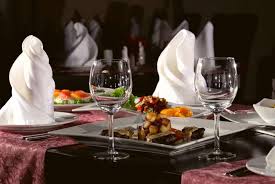
Table setting involves arranging tableware, such as utensils and dishware, to facilitate dining and enhance presentation. Proper table setting ensures a neat and functional dining experience, adhering to basic rules that vary slightly across cultures.
A well-set table enhances the dining experience by providing a balanced and aesthetically pleasing setup. Understanding the rules for laying a table is essential for professional service and guest satisfaction.
A. Table Linen and Chargers
1. Proper Linen Placement: Lay table linens, preferably white, ensuring patterns do not clash with china, and cover the table with a baize base cloth.
2. Charger Placement: Place chargers or dinner plates centrally, equidistant from each other, to serve as a base for other tableware.
3. Protective Base Cloth: Use a baize base cloth to protect the table, secure the tablecloth, and absorb spills for a clean dining experience.
B. Arranging Silverware and Glassware
1. Silverware Order: Place silverware in order of use, starting farthest from the plate, with knives on the right and forks on the left.
2. Glassware Arrangement: Set glasses above the plate to the right in order of use, including water, wine, and champagne glasses.
3. Dessert Utensils: Place dessert spoons or forks above the plate, with coffee spoons on saucers, ensuring readiness for the final course.
C. Key Table Setting Tips
1. Balanced Covers: Ensure each cover is well-balanced, occupying 60 cm x 38 cm, with identical setups for a cohesive look.
2. Clean and Polished Equipment: Use spotless crockery, polished glassware, and unchipped equipment, with the hotel’s monogram visible.
3. Strategic Placement: Position cutlery and glassware an inch from the table’s edge to prevent tipping and ensure a neat presentation.
Frequently Asked Questions
1. What Is Mise-En-Scene in Restaurant Preparation?
Mise-en-scene refers to preparing the restaurant environment to be pleasant, comfortable, safe, and hygienic before service, including cleaning, lighting, and temperature control.
2. How Does Mise-En-Place Differ From Mise-En-Scene?
Mise-en-place focuses on preparing the service station with supplies like linen, crockery, and condiments, while mise-en-scene involves setting the overall restaurant ambiance.
3. Why Is Professional Service Important in Restaurants?
Professional service ensures a seamless dining experience, encourages customer satisfaction, and transforms one-time visitors into regular patrons through courteous and efficient practices.
4. What Are the Key Elements of Table Setting?
Table setting includes arranging table linens, chargers, silverware, glassware, and napkins in a balanced, functional, and aesthetically pleasing manner for dining.
5. How Should Service Staff Handle Guest Interactions?
Staff should greet guests warmly, assist with seating, offer menu suggestions, respond to requests promptly, and wish guests well to encourage return visits.
6. Why Is a Baize Base Cloth Used Under Tablecloths?
A baize base cloth protects the table, secures the tablecloth, absorbs spills, and prevents crockery and cutlery from rattling during service.
7. What Should Be Checked Before a Service Session Begins?
Staff should ensure tables, linen, silverware, and crockery are clean, the side station is equipped, and the restaurant is in a state of readiness.
8. How Can Restaurants Maintain Hygiene During Service?
Restaurants maintain hygiene by cleaning surfaces, refilling cruet sets, wiping sauce bottles, and ensuring all equipment is spotless and ready for use.
Do you have any questions, suggestions, or contributions? If so, please feel free to use the comment box below to share your thoughts. We also encourage you to kindly share this information with others who might benefit from it. Since we can’t reach everyone at once, we truly appreciate your help in spreading the word. Thank you so much for your support and for sharing!