



Restaurants must not only attract new customers but also ensure they return regularly. This can be achieved through factors such as the type of menu, the name and atmosphere of the establishment, and above all, the professionalism of the service staff.
Customer impressions are usually formed within the first few minutes of entering a restaurant. Cleanliness, proper arrangement, and a welcoming environment make a lasting impact. These impressions depend greatly on staff preparations prior to service, known as mise-en-place and mise-en-scene.
Mise-en-place refers to the careful preparation of the workspace, while mise-en-scene focuses on creating the right atmosphere. Both contribute significantly to smooth service and guest satisfaction.
This guide explains the key aspects of restaurant service preparation, including mise-en-scene, mise-en-place, etiquette before and after service, and proper table setting. Each section highlights essential practices that help restaurants achieve excellence in hospitality.
Mise-En-Scene
Mise-en-scene is a French term meaning the preparation of the restaurant environment before service. It ensures the dining area is pleasant, comfortable, safe, and hygienic for guests.
Before each service session, the restaurant should be carefully inspected to ensure it is presentable. Supervisors and waiters must follow essential steps to make the outlet inviting.
A. Key Elements of Mise-En-Scene
1. Cleanliness: Carpets must be brushed or swept, and all tables and chairs should be service-ready.
2. Lighting: Wall or table lights should have working bulbs, creating a warm and welcoming atmosphere.
3. Presentation: Menu cards, tent cards, and other sales materials should be attractive and clean.
4. Ventilation: Doors and windows should be opened briefly to air the restaurant before service. Later, the air-conditioning or heating system should be adjusted to a comfortable temperature.
5. Fresh Setup: Dirty linen must be replaced with fresh linen. Tablecloths and mats should be laid neatly on tables.
6. Decorations: Wilted flowers should be replaced with fresh ones to add charm to the dining experience.
Read Also : Proper Irrigation and Drainage Guide
Mise-En-Place
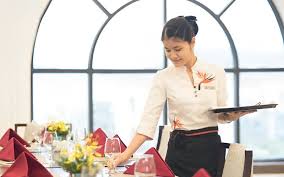
Mise-en-place, a French term meaning “put in place,” refers to preparing the workstation for smooth and efficient service. It is a daily practice in food and beverage operations to ensure readiness before guests arrive.
A station usually consists of several tables managed by a team of waiters. In large restaurants, each station may be headed by a Chef-de-rang. Proper mise-en-place prevents delays and guarantees efficiency.
A. Tasks Involved in Mise-En-Place
1. Side Station Preparation: Stack side stations with sufficient covers for resetting tables after the first sitting. Keep extra linen, crockery, cutlery, glassware, and ashtrays handy.
2. Condiment Care: Clean and refill cruet sets daily. Fill sauce bottles, wipe their necks, and keep butter and condiments ready.
3. Service Readiness: Place accompaniments, napkins, water jugs, ice buckets, coffee pots, and tea supplies for immediate use.
4. Equipment Check: Ensure salvers, service trays, and all necessary equipment are arranged for quick and professional service.
Preparing for Service
Serving food and beverages requires professionalism and attention to detail. A well-planned sequence of service enhances customer satisfaction and encourages repeat visits. Staff must be diligent before, during, and after service.
A. Preparation Before Service
Before guests arrive, staff should ensure:
1. Tables and Linen: Clean tablecloths spread evenly, with properly dusted chairs arranged neatly.
2. Table Setup: Attractive table arrangements with polished silver, clean china, and appropriate decor.
3. Accessories: Filled cruet sets, sugar bowls, and flower vases placed suitably.
4. Cleanliness: Carpets, floors, and back areas in perfect order before service.
5. Side Stations: Fully equipped with folded napkins, condiments, water jugs, extra linen, salvers, and coffee pots ready.
Etiquette During Service
Proper etiquette ensures guests feel welcomed and valued. A courteous and professional approach leaves a positive impression.
A. Essential Etiquette Rules
1. Greeting Guests: Welcome them warmly, assist with seating, and pay attention to children and elderly guests.
2. Order Handling: Serve water, present the menu, and help with food and drink suggestions. Repeat the order to avoid mistakes.
3. Attention: Never leave the station unattended. Guests should always find a waiter available when needed.
4. Table Care: If tablecloths need changing, avoid exposing the table surface. Crumb the table before serving dessert.
5. Guest Needs: Light cigarettes if requested, respond promptly to guest queries, and maintain fast and efficient service.
Read Also : Operating Principles and Guide for Proper Fish Hatcheries
Etiquette After Service
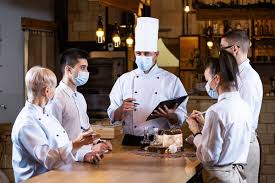
Once guests finish their meals, the service continues with final touches. Proper etiquette after service enhances the overall dining experience.
A. Key Steps After Service
1. Departure Assistance: Pull out chairs to ease guest movement. Wish them warmly and invite them to return.
2. Clearing Tables: Reset tables immediately for the next guests.
3. Side Station Maintenance: Clear and restock equipment in preparation for the next sitting.
Table Setting
Table setting is the arrangement of tableware for dining. A proper setup ensures comfort and enhances the dining experience. Though rules may vary across cultures, the goal is to create a neat and functional dining environment.
A. Basic Table Setting Components
1. Table Linens: White cloth is common, but patterns should complement china. Linen must be clean and properly spread.
2. Chargers and Plates: Place decorative chargers first, followed by soup or melon bowls. Chargers are removed before the main course.
3. Napkins: Fold elegantly and place on the dinner plate or in water glasses.
4. Silverware: Arrange in order of use, from outside in. Knives to the right, forks to the left, and dessert cutlery above the plate.
5. Glasses: Place glasses above the plate to the right, arranged as water, red wine, white wine, and champagne flute.
6. Dessert and Coffee: Served after the meal with appropriate spoons and plates.
B. Points to Remember When Laying a Table
1. Base Cloth: Use baize cloth to protect guests’ arms, secure the tablecloth, and prevent rattling of cutlery.
2. Linen: Use clean, well-sized linen, preferably damask.
3. Decoration: Keep bud vases small, avoid strongly scented flowers, and maintain balance between covers.
4. Equipment: Ensure all cutlery, crockery, and glassware are spotless. Place everything one inch from the table edge.
5. Covers: Each cover should measure about 60 cm x 38 cm, laid symmetrically across the table.
Frequently Asked Questions (FAQs)
1. What is the difference between mise-en-scene and mise-en-place?
Mise-en-scene prepares the restaurant environment, while mise-en-place prepares the service workstation.
2. Why is mise-en-place important in restaurants?
It ensures readiness, prevents delays, and guarantees smooth service for guests.
3. What should be checked before restaurant service begins?
Cleanliness of tables, chairs, linens, silverware, china, side stations, and availability of service equipment.
4. How should guests be welcomed in a restaurant?
They should be greeted warmly, assisted with seating, and served water while the menu is presented.
5. What is the proper etiquette during service?
Stay attentive, handle orders carefully, maintain table hygiene, and respond promptly to guest needs.
6. Why is table setting important?
It organizes utensils, enhances comfort, and adds elegance to the dining experience.
7. What are the rules for placing silverware?
Place knives on the right with blades facing in, forks on the left, and dessert spoons above the plate.
8. How should tables be reset after service?
Tables should be cleared immediately, covers reset, and side stations restocked for the next guests.
Do you have any questions, suggestions, or contributions? If so, please feel free to use the comment box below to share your thoughts. We also encourage you to kindly share this information with others who might benefit from it. Since we can’t reach everyone at once, we truly appreciate your help in spreading the word. Thank you so much for your support and for sharing!