


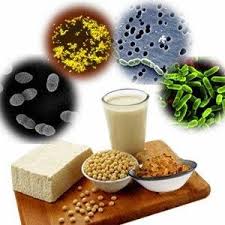
Fermented foods are created through microbial action, transforming ingredients into flavorful, preserved products. This article explores microorganisms used in food and beverage preparation, detailing their roles in fermentation processes like sugar-to-alcohol conversion and bacterial transformations, offering a comprehensive guide for enthusiasts.
Microorganisms, such as yeast and bacteria, are essential in creating diverse flavors and textures. From yogurt to wine, these tiny organisms drive complex biochemical processes. The following sections categorize their applications, providing insight into their significance in culinary arts and food preservation.
Read Also: The Nutritional Requirements and Deficiency Symptoms for Poultry Chickens
Bacterial Contributions to Fermentation
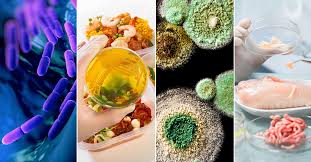
Bacteria play a pivotal role in food fermentation, contributing to taste, texture, and preservation. They are widely used in dairy, vegetables, and meat products. Below, we explore specific bacterial applications in various food categories.
A. Dairy Products
1. Yogurt Production: Lactobacillus acidophilus and Streptococcus thermophilus are key in yogurt fermentation, converting lactose into lactic acid for tangy flavor. These bacteria ensure creamy textures and enhance shelf life.
2. Cheese Varieties: Lactococcus lactis and Lactobacillus casei are vital for cheeses like Cheddar and Manchego. They influence flavor profiles and contribute to cheese ripening processes.
3. Butter and Buttermilk: Leuconostoc spp. and Lactococcus spp. are used in butter and buttermilk, aiding in flavor development and texture enhancement through lactic acid production.
4. Specialty Cheeses: Brevibacterium linens and Corynebacterium casei contribute to smear-ripened cheeses, creating distinct aromas and surface textures during maturation.
B. Vegetables and Pickles
1. Sauerkraut and Kimchi: Leuconostoc fallax and Weissella koreensis ferment vegetables like cabbage, producing tangy sauerkraut and spicy kimchi with enhanced shelf life.
2. Pickle Fermentation: Lactobacillus plantarum and Leuconostoc mesenteroides are crucial for pickling, converting sugars into acids to preserve vegetables and add flavor.
3. Specialty Vegetable Ferments: Lactobacillus brevis and Acetobacter orientalis are used in unique vegetable ferments, ensuring crisp textures and robust flavors.
C. Meat and Fish
1. Sausage Production: Lactobacillus sakei and Staphylococcus xylosus ferment sausages, enhancing flavor and ensuring safety by reducing harmful bacteria growth.
2. Fish Fermentation: Lactobacillus acidipiscis and Weissella thailandesis are used in fermented fish products, contributing to unique umami flavors and preservation.
3. Ham and Cured Meats: Enterococcus faecium and Staphylococcus equorum aid in curing meats, developing rich flavors and extending shelf life.
Read Also: Layers or Broilers which One is More Profitable in Poultry Farming? Find Out!
Fungal Roles in Food and Beverage
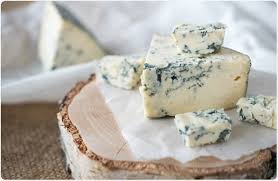
Fungi, including yeasts and molds, are critical in producing beverages and specialty foods. Their enzymatic actions create unique flavors in products like wine, beer, and cheeses.
A. Beverage Fermentation
1. Wine and Beer: Saccharomyces cerevisiae and Saccharomyces bayanus ferment sugars into alcohol, crafting the distinct profiles of wines, ales, and lagers.
2. Sake and Miso: Aspergillus oryzae is essential for sake and miso production, breaking down starches into fermentable sugars for robust flavors.
3. Cider and Pulque: Saccharomyces cerevisiae and Zymomonas mobilis contribute to cider and pulque, converting fruit sugars into alcohol for refreshing beverages.
B. Cheese and Soy Products
1. Cheese Ripening: Penicillium roqueforti and Geotrichum candidum are used in blue and soft cheeses, creating characteristic veins and creamy textures.
2. Soy-Based Foods: Aspergillus sojae and Rhizopus microsporus ssp. oligosporus ferment soy into miso and tempeh, enhancing nutritional value and flavor.
3. Specialty Cheeses: Yarrowia lipolytica and Candida utilis contribute to smear-ripened and Raclette cheeses, adding complex aromas and textures.
C. Bread and Chocolate
1. Sourdough Bread: Candida milleri and Lactobacillus sanfranciscensis drive sourdough fermentation, creating tangy flavors and chewy textures.
2. Chocolate Production: Acetobacter aceti and Saccharomyces cerevisiae ferment cocoa beans, developing rich, complex flavors in chocolate.
3. Specialty Ferments: Kloeckera apis and Candida tropicalis are used in chocolate, enhancing aroma through controlled fermentation processes.
Frequently Asked Questions
1. What is fermentation in food production?
Fermentation is a process where microorganisms convert sugars or other organic compounds into acids, alcohol, or gases, enhancing flavor and preserving food.
2. Which microorganisms are most common in cheese production?
Lactococcus lactis, Lactobacillus casei, and Penicillium roqueforti are widely used in cheeses, contributing to flavor, texture, and ripening processes.
3. How do bacteria contribute to vegetable fermentation?
Bacteria like Lactobacillus plantarum and Leuconostoc mesenteroides ferment vegetables, producing lactic acid to preserve and add tangy flavors.
4. What role do fungi play in beverage production?
Fungi, such as Saccharomyces cerevisiae, ferment sugars into alcohol, creating distinct flavors in beverages like wine, beer, and sake.
5. Can microorganisms affect food safety?
Yes, beneficial microorganisms like Lactobacillus sakei in sausages inhibit harmful bacteria, enhancing food safety and extending shelf life.
6. Why is Aspergillus oryzae important in Asian cuisine?
Aspergillus oryzae ferments starches in soy sauce, miso, and sake, creating umami-rich flavors essential to Asian culinary traditions.
7. How do microorganisms influence chocolate flavor?
Acetobacter aceti and Saccharomyces cerevisiae ferment cocoa beans, reducing bitterness and developing the rich, complex flavors of chocolate.
Read Also: Do you have any questions, suggestions, or contributions? If so, please feel free to use the comment box below to share your thoughts. We also encourage you to kindly share this information with others who might benefit from it. Since we can’t reach everyone at once, we truly appreciate your help in spreading the word. Thank you so much for your support and for sharing!