


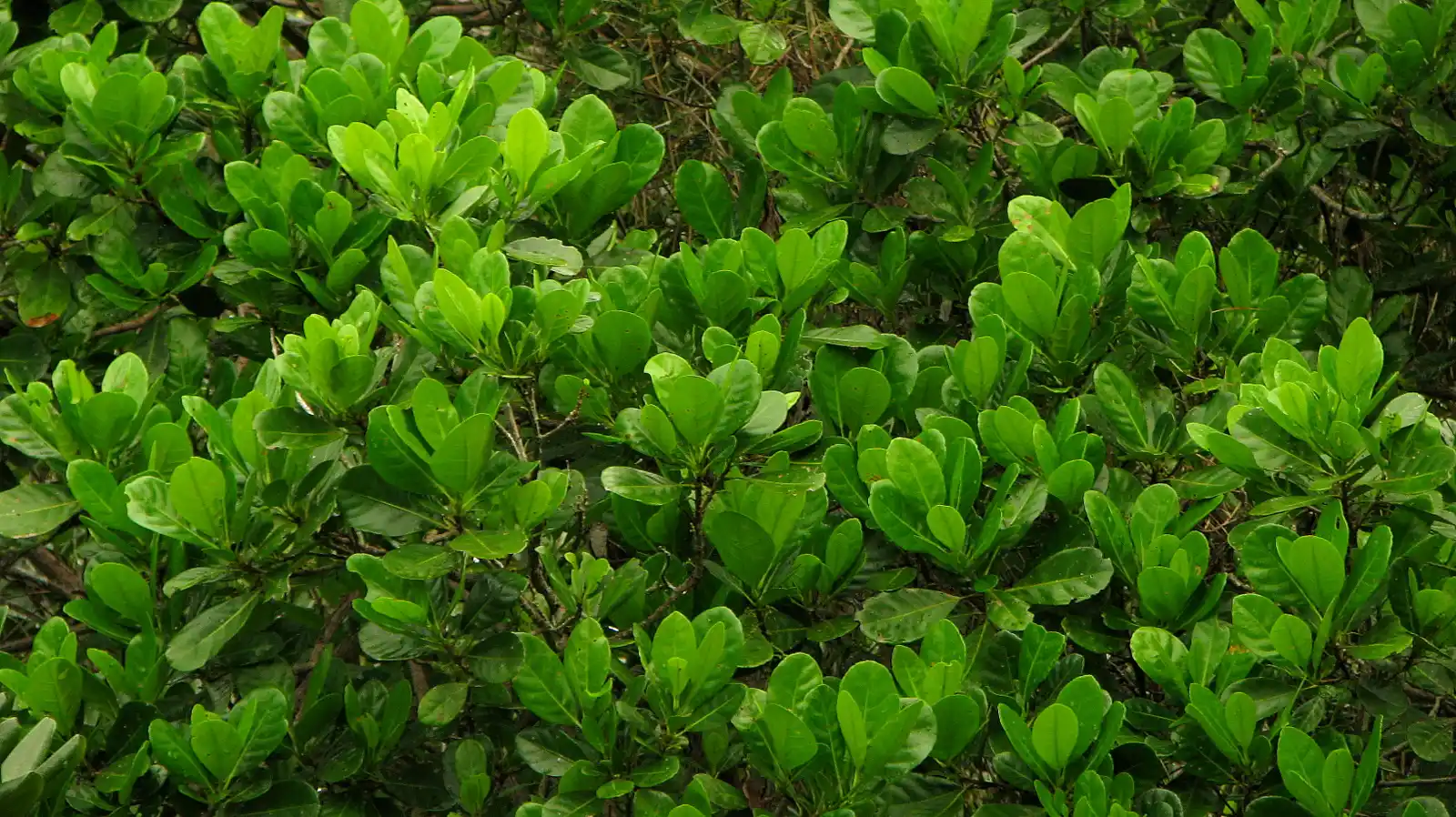
Richeria grandis, commonly known as the West Indian cherry, is a tropical tree native to the Caribbean and parts of South America. This striking tree belongs to the Euphorbiaceae family and is cherished for its stunning appearance, delectable fruits, and versatile uses.
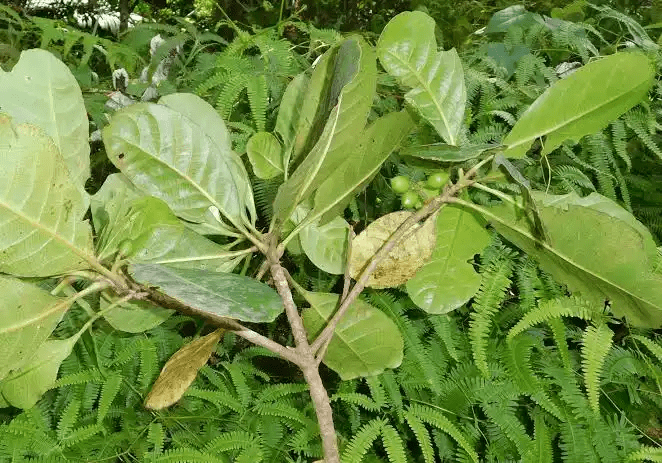
Richeria grandis trees are characterized by their large, glossy, and elliptical leaves that grow up to 10 inches in length. The dark green foliage creates a lush canopy, providing ample shade in tropical environments. These leaves exude a sweet fragrance when crushed, adding to their appeal.
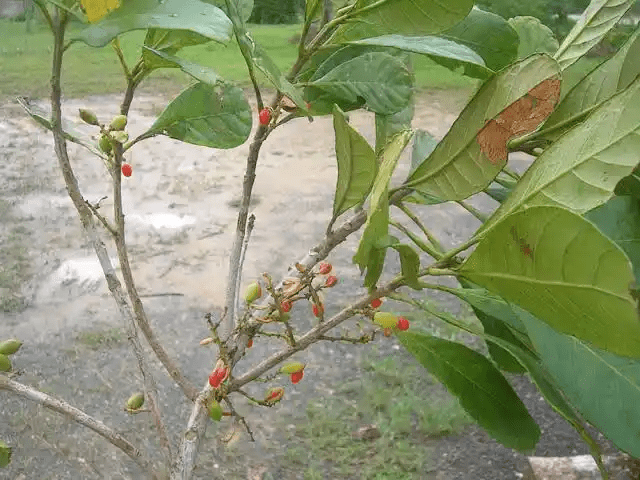
One of the most prominent features of Richeria grandis is its remarkable fruits. These fruits are small, spherical, and vibrant red, resembling cherries in appearance.
They measure about 1 cm in diameter and have a slightly tart taste with a hint of sweetness. The fruits flavor is often described as a delightful blend of cherry, raspberry, and cranberry, making it a sought-after delicacy in the regions where it grows.
Richeria grandis is also known by various local names, such as acérola, acerola, or escobillo. These names reflect the fruits popularity and widespread cultivation in countries like Brazil, Puerto Rico, and the Dominican Republic.
The fruits are not only consumed fresh but are also used in various culinary applications, such as jams, jellies, and beverages.
The Richeria grandis tree is valued for its timber. The wood is hard, durable, and resistant to termites, making it a favored choice for construction and carpentry.
The fine-grained wood has a beautiful reddish-brown hue, adding aesthetic value to the finished products.
Richeria grandis trees are also appreciated for their medicinal properties. The fruit is a rich source of vitamin C, providing a substantial boost to the immune system.
It is used in traditional medicine to treat various ailments and is believed to have antioxidant properties that help combat free radicals in the body.
The tree is well adapted to tropical and subtropical climates, thriving in locations with high temperatures and consistent rainfall. It prefers well-drained soil and can tolerate a range of soil types.
Richeria grandis is often planted in gardens and parks, not only for its fruits but also for its ornamental qualities, which include fragrant flowers that bloom year-round.
The Botanical Description of Richeria grandis
1. Plant Structure: Richeria grandis, commonly known as the «Richeria» plant, is a tropical evergreen tree that belongs to the Euphorbiaceae family. It exhibits a sturdy trunk and branches, adorned with glossy, deep green leaves that are arranged in an alternate pattern. The leaves are broad and elliptical, showcasing the plants lush foliage.
2. Flowers: The Richeria grandis tree produces small, fragrant flowers that are typically cream-colored or pale yellow. These flowers are unisexual, meaning each tree carries either male or female flowers. The blooms are often clustered, adding to the ornamental appeal of the plant.
3. Fruits: One of the defining features of Richeria grandis is its unique fruit structure. The plant bears small, round berries that are initially green and gradually ripen into vibrant shades of red or purple. These berries are edible and are a vital part of the plants ecology, serving as a food source for various wildlife species.
4. Bark: The bark of Richeria grandis is smooth and grayish-brown, providing a protective layer for the tree. It is relatively thin and lacks deep furrows, contributing to the trees overall sleek appearance.
5. Habitat: Richeria grandis thrives in tropical and subtropical regions, favoring well-drained, moist soils. It can often be found in rainforests, tropical woodlands, and alongside riverbanks, where the soil is rich in nutrients. The plant is well-adapted to humid environments, displaying robust growth under suitable conditions.
The Geographic Distribution of Richeria grandis
1. Native Habitat: Richeria grandis is native to various countries within the tropical regions of South America, including Brazil, Colombia, and Peru. It is an integral part of the diverse flora found in Amazonian rainforests, where it contributes to the regions rich biodiversity.
2. Widespread Distribution: While native to South America, Richeria grandis has a widespread distribution within tropical regions. It can be found in Central America, parts of the Caribbean, and certain regions of Africa, where it has been introduced and naturalized.
3. Ecological Importance: The geographic distribution of Richeria grandis plays a crucial role in supporting local ecosystems. Its berries provide sustenance for various bird species and mammals, contributing to the intricate web of interactions within these habitats. Additionally, the plants presence enriches the soil and supports the growth of surrounding vegetation.
The Chemical Composition of Richeria grandis
1. Active Compounds: Richeria grandis is known to contain several bioactive compounds, including alkaloids, flavonoids, and tannins. These compounds have piqued the interest of researchers and herbalists due to their potential medicinal properties.
2. Medicinal Significance: Studies have explored the chemical composition of Richeria grandis in the context of traditional medicine. Alkaloids present in the plant have been investigated for their potential analgesic and anti-inflammatory effects, making them valuable components in herbal remedies.
3. Ethnobotanical Uses: Indigenous communities in the plants native regions have utilized its chemical compounds for various medicinal purposes. Extracts derived from Richeria grandis have been employed in traditional medicine to treat ailments such as pain, fever, and digestive disorders.
The plants pharmacological properties continue to be a subject of scientific inquiry, with ongoing research aimed at understanding its full therapeutic potential.
4. Potential Applications: Beyond its traditional uses, the chemical composition of Richeria grandis opens avenues for potential applications in pharmaceuticals and natural healthcare products. Researchers are exploring the development of novel drugs and supplements based on the plants bioactive compounds, emphasizing its significance in contemporary pharmacology.
Read Also: Great Pyrenees Dogs: Description and Complete Grooming Care Guide
The Medicinal Health Benefits of Richeria grandis (West Indian cherry)
1. Pain Relief: Richeria grandis has been traditionally used for its analgesic properties. It may help alleviate various types of pain, including headaches, muscle aches, and joint pain.
2. Anti-Inflammatory Effects: The plant contains compounds with anti-inflammatory properties, making it useful for reducing inflammation associated with conditions like arthritis and injuries.
3. Fever Reduction: Richeria grandis may have the potential to lower fever due to its antipyretic properties, making it a natural remedy for fever management.
4. Digestive Aid: Some traditional uses of Richeria grandis include addressing digestive issues. It can help soothe indigestion, alleviate stomach discomfort, and aid in overall digestion.
5. Immune System Support: The plants bioactive compounds can contribute to immune system strengthening, enhancing the bodys defense mechanisms against infections.
6. Respiratory Health: Richeria grandis has been used to address respiratory issues, including coughs and sore throats, providing relief from discomfort.
7. Antioxidant Properties: The plant contains antioxidants that protect cells from oxidative damage, contributing to overall health and well-being.
8. Wound Healing: Topical application of Richeria grandis extracts may promote wound healing and alleviate skin irritations due to its anti-inflammatory and antimicrobial effects.
9. Anti-Anxiety and Stress Relief: Some traditional uses involve Richeria grandis in managing stress and anxiety, potentially providing a calming effect.
10. Cardiovascular Health: The plants bioactive compounds can support heart health by helping maintain healthy blood pressure and cholesterol levels.
11. Antimicrobial Effects: Richeria grandis may have antimicrobial properties that help combat various infections and protect against harmful microorganisms.
12. Antispasmodic Actions: It can assist in reducing muscle spasms, which can be beneficial for individuals experiencing muscle cramps or tension.
13. Skin Health: The plant is used to address skin issues such as rashes and insect bites, owing to its anti-inflammatory and soothing properties.
14. Anti-allergic Effects: Some traditional remedies employ Richeria grandis to manage allergic reactions, providing relief from symptoms like itching and skin inflammation.
The Methods of Usage to Achieve the Provided Health Benefits of Richeria grandis (West Indian cherry)
1. Herbal Infusions: Из Richeria grandis можно приготовить травяные настои, заваривая листья и стебли в горячей воде. Этот метод эффективен при проблемах с пищеварением, снижении температуры и улучшении общего самочувствия.
2. Местное применение: Для заживления ран и лечения раздражений кожи экстракты Richeria grandis можно применять местно. Эти методы основаны на использовании противовоспалительных и противомикробных свойств растения.
3. Включение в рацион питания: Включить Richeria grandis в свой рацион можно, добавляя ее ягоды или экстракты в различные кулинарные блюда. Это могут быть чаи, джемы, соусы и супы, улучшающие как вкус, так и питательные свойства.
4. Традиционные средства: Традиционные методы лечения, передаваемые из поколения в поколение, часто включают в себя приготовление и применение стимулятора Richeria grandis для решения различных проблем со здоровьем. Эти методы могут различаться в разных культурах и сообществах.
5. Консультации с травниками: При использовании Richeria grandis в лечебных целях, особенно при решении конкретных проблем со здоровьем, рекомендуется проконсультироваться с фитотерапевтами или медицинскими работниками, имеющими опыт в традиционном применении этого растения и потенциальных взаимодействиях с другими препаратами.
Побочные эффекты применения лекарственного растения Richeria grandis
1. Аллергические реакции: У некоторых людей может быть аллергия на Richeria grandis, которая может проявляться в виде кожной сыпи, зуда или отека при контакте. Крайне важно провести кожный тест и прекратить использование, если возникнут какие-либо побочные реакции.
2. Дискомфорт в пищеварительной системе: Хотя Richeria grandis может поддерживать здоровье пищеварительной системы, чрезмерное употребление может привести к дискомфорту в желудке, спазмам и диарее. Крайне важно использовать растение в умеренных количествах и соблюдать рекомендованные дозировки.
3. Взаимодействие с лекарственными препаратами: Richeria grandis может взаимодействовать с некоторыми лекарственными препаратами, особенно с теми, которые связаны со свертываемостью крови и заболеваниями сердца. Если вы принимаете такие лекарства, важно сообщить об этом своему лечащему врачу, прежде чем использовать Richeria grandis в лечебных целях.
4. Содержание оксалатов: Как и многие растения, Richeria grandis содержит оксалаты. У людей, склонных к образованию камней в почках, содержание оксалатов может способствовать их образованию. Рекомендуется ограничить потребление, если у вас в анамнезе были камни в почках.
5. Беременность и грудное вскармливание: Беременным и кормящим женщинам следует проявлять осторожность при использовании Richeria grandis в качестве лекарственного растения. Безопасность его применения в этот период недостаточно изучена, поэтому рекомендуется проконсультироваться с врачом.
Читайте также: 5 причин, почему брокколи полезна для здоровья
Научные исследования и изыскания Ричерии Грандис
1. Противовоспалительные свойства: Научные исследования Исследования также изучали противовоспалительные свойства Richeria grandis..
Было изучено наличие в растении специфических соединений, обладающих потенциалом снижения воспаления, что делает его перспективным кандидатом для противовоспалительных методов лечения.
2. Антимикробное действие: Исследовать исследовали антимикробные свойства Richeria grandis, в частности, в контексте борьбы с различными инфекциями..
В ходе исследований была изучена его эффективность в подавлении роста вредных микроорганизмов.
3. Обезболивающий потенциал: Научные исследования сосредоточены на изучении анальгетического потенциала Richeria grandis..
Исследователи изучили способность этого растения облегчать боль, что сделало его предметом интереса в разработке натуральных средств для обезболивания.
4. Антиоксидантная активность: В ходе исследований изучались антиоксидантные свойства Richeria grandis. Было проанализировано наличие антиоксидантов в растении и их роль в защите клеток от окислительного повреждения и поддержании общего здоровья.
5. Польза для желудочно-кишечного тракта: Научные исследования изучали полезные свойства Richeria grandis для желудочно-кишечного тракта. Были исследованы вяжущие свойства растения на предмет их потенциальной способности помогать при проблемах с пищеварением, включая диарею и несварение желудка.
6. Иммуномодулирующие эффекты: В ходе исследований изучалось, как Richeria grandis может модулировать иммунную систему. Биоактивные соединения, содержащиеся в растении, исследовались на предмет их потенциального улучшения иммунной функции и общего самочувствия.
Меры предосторожности и рекомендации по использованию лекарственного растения Richeria grandis
1. Аллергические реакции: Следует помнить о возможности аллергических реакций на Richeria grandis. Аллергические реакции могут проявляться в виде кожной сыпи, зуда или отека. Крайне важно провести кожный тест перед использованием растения и прекратить его применение при возникновении нежелательных реакций.
2. Дискомфорт в пищеварительной системе: Хотя Richeria grandis полезна для пищеварения, чрезмерное употребление или неправильное применение может привести к дискомфорту в желудке, спазмам и диарее. Важно использовать растение в умеренных количествах и соблюдать рекомендованные дозировки.
3. Лекарственные взаимодействия: Richeria grandis может взаимодействовать с некоторыми лекарственными препаратами, особенно с теми, которые связаны со свертываемостью крови и заболеваниями сердца. Лицам, принимающим такие препараты, следует проконсультироваться с врачом, прежде чем включать Richeria grandis в свой режим лечения.
4. Содержание оксалатов и камни в почках: Как и многие другие растения, Richeria grandis содержит оксалаты, которые могут способствовать образованию камней в почках у предрасположенных людей. Людям с историей образования камней в почках следует ограничить потребление Richeria grandis и проконсультироваться с врачом.
5. Беременность и грудное вскармливание: Беременным и кормящим женщинам следует проявлять осторожность при использовании Richeria grandis в качестве лекарственного растения. Безопасность его применения в этот период недостаточно изучена, поэтому рекомендуется проконсультироваться с врачом.
Часто задаваемые вопросы о лекарственном растении Richeria grandis
1. Безопасно ли использовать Richeria grandis для всех? В целом, Richeria grandis безопасна для большинства людей при умеренном употреблении. Однако необходимо проявлять осторожность и помнить о возможных аллергических реакциях, а также проконсультироваться с врачом, если у вас есть определенные заболевания или вы принимаете какие-либо лекарства.
2. Как использовать Richeria grandis для улучшения пищеварения? Ричерия грандис может использоваться для решения проблем с пищеварением в виде травяных настоев или путем включения ее в рацион питания. Важно соблюдать рекомендуемые дозировки и правила применения.
3. Можно ли применять Richeria grandis наружно при кожных заболеваниях? Да, Richeria grandis можно применять наружно для лечения кожных заболеваний и укусов насекомых. Благодаря своим противовоспалительным и вяжущим свойствам она эффективна для успокоения раздражений кожи.
4. Могут ли возникнуть какие-либо побочные эффекты от применения Richeria grandis? Хотя Richeria grandis в целом безопасна, чрезмерное употребление или неправильное применение может привести к расстройству пищеварения. Кроме того, у некоторых людей могут возникать аллергические реакции. Всегда используйте ее с осторожностью.
5. Безопасен ли препарат Richeria grandis для беременных и кормящих женщин? Беременным и кормящим женщинам следует проявлять осторожность при использовании Richeria grandis в качестве лекарственного растения, поскольку ее безопасность в этот период недостаточно изучена. Перед применением проконсультируйтесь с врачом.
У вас есть вопросы, предложения или замечания? Если да, пожалуйста, поделитесь своими мыслями в поле для комментариев ниже. Мы также призываем вас поделиться этой информацией с другими, кому она может быть полезна. Поскольку мы не можем охватить всех сразу, мы искренне ценим вашу помощь в распространении информации. Большое спасибо за вашу поддержку и за то, что делитесь информацией!
Предупреждение: Данная статья носит исключительно образовательный и информационный характер. Описанные преимущества для здоровья основаны на научных исследованиях и традиционных знаниях. Они не могут заменить профессиональную медицинскую консультацию, диагностику или лечение. Всегда консультируйтесь с медицинским работником, прежде чем использовать какие-либо травы или натуральные средства в медицинских целях.
Читайте также: Всё, что вам нужно знать о раке-отшельнике