


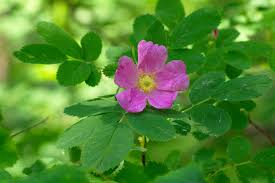
Rosa majalis, широко известная как коричная роза, — это очаровательный и ароматный вид дикой розы. Её нежный вид и неповторимый аромат делают её ценным представителем рода Rosa..
Этот очаровательный полевой цветок можно найти в разных регионах, украшая своими нежными цветками луга, леса и даже сады.
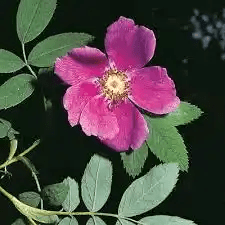
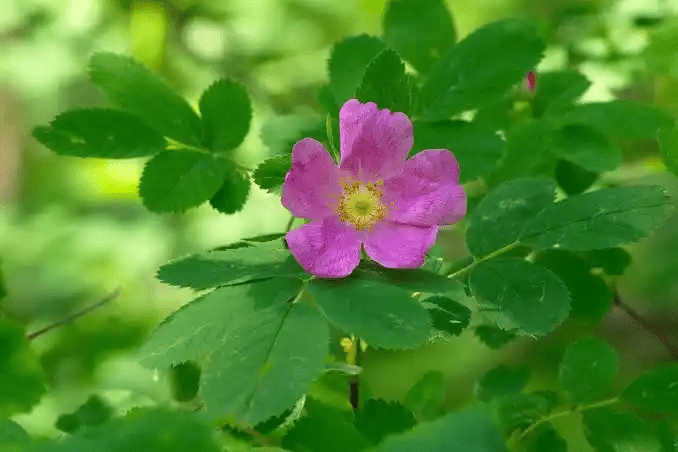
Коричная роза отличается тонкими, изогнутыми стеблями, на которых изящно расположены грозди ароматных пятилепестковых цветков. Лепестки этой розы могут быть самых разных цветов — от бледно-розового до нежно-кремово-белого, что придает ей элегантность..
Цветы этой полевой розы не только привлекательны внешне, но и обладают восхитительным ароматом, напоминающим корицу, который долго сохраняется в воздухе, что делает ее популярным выбором как для садоводов, так и для любителей полевых цветов.
Одна из самых примечательных особенностей Rosa majalis — это её листва, состоящая из перистых, зубчатых листьев. Листья зелёные и кожистые, служа привлекательным фоном для изысканных цветов..
Осенью листва претерпевает трансформацию, приобретая различные оттенки красного и фиолетового, что усиливает визуальную привлекательность растения. Этот переход свидетельствует о приспособляемости коричных роз и их способности украшать сад в разные времена года.
Коричные розы известны своей способностью расти на самых разных типах почв и в различных климатических условиях. Их можно встретить по всей Европе, Азии и Северной Америке, где они демонстрируют свою пленительную красоту в самых разнообразных природных условиях..
Благодаря своей способности адаптироваться к различным условиям окружающей среды, они стали символом стойкости и выносливости, что еще больше усиливает их очарование.
Аромат коричной розы — отличительная черта, выделяющая её среди других полевых роз. Сладкий, с едва уловимым оттенком корицы, он доставляет истинное наслаждение тем, кто его ощущает..
Этот пленительный аромат привлекает опылителей, включая пчел и бабочек, что делает коричную розу неотъемлемой частью экосистемы. Прогулка по лугу или саду, усеянному этими розами, доставляет истинное наслаждение, поскольку воздух наполнен их пьянящим ароматом. Коричные розы использовались в различных традиционных травяных средствах благодаря своим потенциальным полезным свойствам для здоровья..
Лепестки этих роз часто используются для приготовления чая и настоек благодаря своим мягким вяжущим и противовоспалительным свойствам. Эти свойства сделали коричную розу ценным растительным ресурсом для травников и любителей натуральных средств.
Выращивание роз сорта «Роза маджалис» в садах — популярный выбор среди любителей садоводства. Благодаря своей неподвластной времени красоте и аромату, их часто используют для создания романтической и ностальгической атмосферы в саду..
При выращивании они требуют минимального ухода и могут стать неприхотливым дополнением к любому саду, усиливая его очарование и привлекательность.
Ботаническое описание Rosa majalis
1. Введение: Роза маджалис, широко известная как коричная роза, — это очаровательный вид розы с богатым ботаническим описанием, которое отличает её от других представителей семейства розовых (Rosaceae). В этом разделе мы погрузимся в увлекательный мир розы маджалис, изучив её уникальные характеристики, особенности роста и эстетическую привлекательность.
2. Характер роста: Rosa majalis — это листопадный кустарник, обычно достигающий высоты от 1 до 1,5 метров (от 3 до 5 футов). Он отличается компактной и кустистой формой роста, часто образуя густые заросли.
3. Листья и листочки: Листья коричной розы перисто-сложные и состоят из 5-7 листочков, каждый с зазубренным краем. При растирании листья источают свежий аромат, напоминающий корицу, отсюда и их распространенное название.
4. Цветы: Цветки Rosa majalis небольшие, диаметром около 2,5–3,5 сантиметров (1–1,4 дюйма). Они имеют восхитительный розовый оттенок и источают тонкий аромат.
5. Бедра: После цветения у коричных роз появляются круглые или овальные плоды, которые в конце лета и осенью приобретают ярко-красный цвет. Эти плоды не только декоративны, но и служат источником пищи для диких животных.
6. Шипы: Как и у большинства роз, стебли Rosa majalis снабжены тонкими острыми шипами, которые служат естественным защитным механизмом от травоядных животных.
7. Кора: Кора коричных роз обычно имеет коричневато-серый цвет и может быть несколько шероховатой на ощупь.
8. Среда роста: Роза маджалис предпочитает хорошо дренированную почву и хорошо растет в самых разных местах обитания, от открытых лесов до лугов и берегов рек. Она хорошо подходит для умеренного климата.
9. Сезонные изменения: Период цветения коричных роз обычно приходится на конец весны – начало лета, а образование плодов шиповника происходит в конце лета и начале осени.
10. Разновидности: Существует несколько признанных разновидностей Rosa majalis, каждая из которых демонстрирует незначительные различия в цвете цветков и характеристиках листьев.
Географическое распространение Rosa majalis.
1. Введение: Роза маджалис, или коричная роза, имеет широкое географическое распространение, охватывающее различные регионы мира. Понимание её ареала необходимо для оценки её экологического значения и культурной ценности.
2. Естественный ареал: Точный ареал распространения розы Rosa majalis не установлен, но считается, что она произрастает в некоторых частях Европы и Азии. Эти регионы часто ассоциируются с историческим и культурным значением этой розы.
3. Представлен в Северной Америке: Роза маджалис (Rosa majalis) была завезена в Северную Америку и встречается в различных штатах и провинциях, где хорошо адаптировалась к местным экосистемам.
4. Глобальное распространение: За пределами своего естественного и интродуцированного ареала коричные розы культивируются в садах и натурализовались в регионах по всему миру, включая некоторые части Азии, Северной Америки и Европы.
5. Предпочитаемые места обитания: Rosa majalis thrives in a variety of habitats, from open woodlands to meadows and disturbed areas. It can also be found along riverbanks, making it a versatile species.
6. Ecological Role: In its native and introduced ranges, the Cinnamon Rose serves as a source of nectar for pollinators and provides habitat and food for various wildlife species. Its rose hips are a valuable food source for birds and small mammals.
7. Conservation Status: Rosa majalis is not considered a threatened species, and its conservation status is generally stable. However, preserving its natural habitats and ensuring responsible cultivation practices are essential for its continued presence.
The Chemical Composition of Rosa majalis
1. Introduction: Rosa majalis, the Cinnamon Rose, boasts a diverse chemical composition that contributes to its unique properties and potential applications in various fields. In this section, we will explore the various compounds found in this remarkable plant.
2. Essential Oils: One of the key components of Rosa majalis is its essential oil, known for its cinnamon-like fragrance. This oil is rich in aroma compounds that give the rose its characteristic scent, making it highly valued in the perfume and cosmetic industries.
3. Terpenes: Terpenes such as citronellol and geraniol are prominent components of Cinnamon Rose essential oil. These compounds are responsible for the roses unique fragrance and are widely used in the fragrance and flavor industries.
4. Phenolic Compounds: Cinnamon Roses contain phenolic compounds, including flavonoids and tannins, which have antioxidant properties and contribute to potential health benefits.
5. Volatile Compounds: The volatile compounds present in Rosa majalis contribute to its aromatic characteristics and are used in perfumes, cosmetics, and culinary products.
6. Organic Acids: Organic acids, such as citric and malic acids, can be found in Cinnamon Roses, contributing to their taste and potential culinary applications.
7. Anthocyanins: Some varieties of Cinnamon Roses may produce flowers with anthocyanins, which are responsible for their pink coloration and have antioxidant properties.
8. Carotenoids: The presence of carotenoids in the petals of Rosa majalis contributes to its coloration and may have potential health benefits due to their antioxidant properties.
9. Vitamin C: Cinnamon Roses are a natural source of vitamin C, which adds to their potential health benefits and nutritional value.
Understanding the chemical composition of Rosa majalis is essential for appreciating its cultural and ecological significance, culinary uses, and potential applications in various industries, including perfumery, cosmetics, and traditional medicine. This diverse chemical makeup contributes to the enduring appeal of the Cinnamon Rose.
Read Also: 15 Medicinal Health Benefits Of Quince (Cydonia oblonga)
The Medicinal Health Benefits Of Rosa majalis (Cinnamon Rose)
1. Introduction: Rosa majalis, also known as the Cinnamon Rose, offers a wide array of medicinal health benefits that have been recognized and utilized for centuries. In this section, we will outline the numerous ways this remarkable plant can contribute to well-being.
2. Digestive Aid: Cinnamon Rose preparations, such as tea or infusions, can be used to aid digestion and alleviate common digestive issues like indigestion, bloating, and gas.
3. Anti-Inflammatory Properties: Some studies suggest that Cinnamon Roses may have anti-inflammatory effects, making them valuable in managing inflammatory conditions such as arthritis.
4. Skin Health: The phenolic compounds and antioxidants found in Cinnamon Roses contribute to skin health. Infused oils and creams made from these roses can help rejuvenate the skin, reducing signs of aging.
5. Respiratory Relief: Cinnamon Rose infusions can provide relief from respiratory issues, including coughs and congestion, due to their potential respiratory benefits.
6. Stress Reduction: The aromatic compounds in Cinnamon Roses have calming effects, making them effective in reducing stress and anxiety.
7. Immune System Support: Cinnamon Roses are a source of vitamin C and other immune-boosting compounds, which may support overall immune health.
8. Heart Health: Research indicates that regular consumption of Cinnamon Rose products may help lower the risk of cardiovascular diseases by promoting heart health.
9. Antioxidant Protection: The high content of antioxidants in Cinnamon Roses can help protect cells from oxidative damage, contributing to overall health.
10. Menstrual Pain Relief: Cinnamon Rose tea or infusions may provide relief from menstrual pain and discomfort, offering a natural remedy for women.
11. Wound Healing: Traditional uses of Cinnamon Roses include their application for wound healing, as they may promote tissue repair and reduce the risk of infection.
12. Relaxation and Anxiety Reduction: The aroma of Cinnamon Roses has been linked to relaxation and reduced anxiety, making them valuable for stress management.
13. Gastrointestinal Health: Cinnamon Rose remedies can alleviate digestive discomfort and promote gastrointestinal health.
14. Antimicrobial Properties: Research suggests that Cinnamon Roses possess antimicrobial properties, making them effective against certain infections.
The Methods of Usage to Achieve the Provided Health Benefits Of Rosa majalis (Cinnamon Rose)
1. Introduction: To use the medicinal health benefits of Rosa majalis, its essential to understand the methods of usage and how to prepare and administer Cinnamon Rose remedies for specific health purposes.
2. Cinnamon Rose Tea: One of the most common methods of consumption is by brewing Cinnamon Rose tea. To prepare, infuse dried or fresh petals and leaves in hot water, steep, and enjoy. This method is ideal for promoting relaxation and relieving stress.
3. Infused Oils and Creams: Cinnamon Rose-infused oils and creams can be used topically to improve skin health, reduce signs of aging, and promote wound healing. To create these products, dried or fresh petals are infused in carrier oils or creams.
4. Inhalation: Inhaling the aroma of Cinnamon Roses through potpourri, sachets, or diffusers can help reduce stress and anxiety. The calming scent can be a valuable addition to relaxation routines.
5. Tinctures and Extracts: For concentrated applications, tinctures and extracts of Cinnamon Roses can be prepared by soaking the plant material in alcohol or glycerin. These are used in small doses to achieve specific health benefits.
6. Culinary Uses: Some culinary applications include using Cinnamon Rose petals in salads, desserts, and as a garnish for dishes. The petals can add a unique flavor and potential health benefits to various recipes.
7. Capsules and Supplements: Cinnamon Rose supplements, available in various forms, are an option for those seeking standardized dosages of specific compounds for targeted health benefits.
8. Aromatherapy: The essential oil of Cinnamon Roses can be used in aromatherapy diffusers or diluted in carrier oils for massage. This method is effective for stress reduction and relaxation.
9. Topical Applications: Cinnamon Rose-infused oils, creams, or poultices can be applied directly to the skin to promote skin health and wound healing.
10. Culinary Applications: Cinnamon Rose petals can be incorporated into culinary dishes and beverages to add flavor and potential health benefits.
The Side Effects Of Using Rosa majalis Medicinal Plant
1. Introduction: While Rosa majalis offers numerous health benefits, its crucial to be aware of potential side effects to ensure safe and responsible use.
2. Allergic Reactions: Some individuals may be sensitive or allergic to Cinnamon Roses. Allergic reactions can manifest as skin rashes, itching, or respiratory discomfort. Always conduct an allergy test before using Cinnamon Rose products.
3. Digestive Discomfort: Overconsumption of Cinnamon Rose remedies, especially in the form of tea, may lead to digestive discomfort, including nausea or diarrhea. Follow recommended dosages to avoid such issues.
4. Skin Sensitivity: Topical applications of Cinnamon Rose-infused products may lead to skin sensitivity or irritation. Conduct a patch test before using them extensively.
5. Medication Interaction: Cinnamon Roses may interact with certain medications. If you are taking prescription drugs, consult with a healthcare provider before using Cinnamon Rose remedies.
6. Children and Pets: Keep Cinnamon Rose products out of the reach of children and pets. Both children and pets may be more vulnerable to adverse effects, so its essential to prevent accidental ingestion.
7. Pregnancy and Nursing: If you are pregnant or nursing, consult with a healthcare provider before using Cinnamon Roses, as there may be potential risks involved.
8. Dosage Control: Use Cinnamon Rose remedies in moderation and follow recommended dosages to avoid potential side effects and ensure responsible use.
Read Also: Fattening Ruminants? Find out the Best Sex to Raise
The Scientific Research and Studies of Rosa majalis (Cinnamon Rose)
1. Introduction: Rosa majalis, the Cinnamon Rose, has been a subject of scientific interest and research due to its unique properties and potential applications. In this section, we will explore the scientific research and studies conducted on this remarkable plant.
2. Aromatherapy and Fragrance Research: Numerous studies have investigated the fragrance compounds in Cinnamon Roses, aiming to understand their chemical composition and potential applications in aromatherapy, perfumery, and cosmetics.
3. Essential Oil Analysis: Scientists have conducted detailed analyses of the essential oil extracted from Cinnamon Roses, identifying the specific compounds responsible for their distinctive cinnamon-like scent.
4. Phenolic Compounds and Antioxidant Activity: Research has focused on the phenolic compounds found in Cinnamon Roses, exploring their antioxidant properties and potential health benefits.
5. Floral Pigments and Anthocyanins: Studies have delved into the floral pigments, particularly anthocyanins, which contribute to the pink coloration of Cinnamon Rose flowers. This research aids in understanding the genetics and biochemistry of color development in roses.
6. Terpene Analysis: Terpenes, including citronellol and geraniol, have been a subject of analysis to uncover their role in the unique fragrance of Cinnamon Roses and their applications in various industries.
7. Health and Medicinal Studies: Some research has examined the potential health benefits of consuming Cinnamon Roses, particularly their phenolic compounds and vitamin C content. These studies aim to explore their role in promoting well-being.
8. Ecological and Ethnobotanical Research: Ecological studies have focused on the role of Cinnamon Roses in supporting pollinators and providing habitat and food for wildlife. Ethnobotanical research explores the historical and cultural uses of these roses by different societies.
The Safety Precautions and Recommendations In Using Rosa majalis (Cinnamon Rose) Medicinal Plant
1. Introduction: While Rosa majalis has various potential uses, its essential to be aware of safety precautions and recommendations to ensure its responsible use and minimize any potential risks.
2. Allergy Testing: Before using any Cinnamon Rose products, conduct an allergy test by applying a small amount of the preparation on a small area of your skin. Monitor for any adverse reactions, such as redness or itching.
3. Dosage Control: Use Cinnamon Rose remedies in moderation and follow recommended dosages provided by experts. Overuse can lead to unwanted side effects.
4. Consult a Healthcare Provider: Если вы беременны, кормите грудью, имеете хронические заболевания или принимаете лекарства, проконсультируйтесь с врачом, прежде чем использовать аромат коричных роз в лечебных целях.
5. Чувствительность кожи: При нанесении средств с ароматом корицы и розы на кожу, проведите тест на небольшом участке кожи, чтобы проверить наличие чувствительности или раздражения. Эта мера предосторожности особенно важна для людей с чувствительной кожей.
6. Отслеживайте реакции пищеварительной системы: Обращайте внимание на любые возможные проблемы с пищеварением, которые могут возникнуть после приема средств с корицей и розой, и корректируйте их использование соответствующим образом. Передозировка может привести к тошноте или диарее.
7. Лекарственное взаимодействие: Если вы принимаете лекарства по рецепту, будьте осторожны с возможным взаимодействием продуктов Cinnamon Rose с вашими лекарствами. Проконсультируйтесь с врачом.
8. Дети и домашние животные: Храните продукцию Cinnamon Rose в недоступном для детей и домашних животных месте. И дети, и животные могут быть более восприимчивы к негативным последствиям, поэтому крайне важно предотвратить случайное проглатывание.
Часто задаваемые вопросы о лекарственном растении Rosa majalis (коричная роза).
1. Безопасен ли для употребления напиток «Корица с розой»?
Ароматизатор «Корица с розой» в целом безопасен при умеренном употреблении и соблюдении рекомендованных дозировок. Однако следует соблюдать определенные меры предосторожности, особенно для некоторых людей.
2. Можно ли использовать корицу с розой во время беременности или кормления грудью?
Перед применением корицы и розы во время беременности или кормления грудью рекомендуется проконсультироваться с врачом, так как могут существовать потенциальные риски.
3. Какие части коричной розы ядовиты?
Аромат «Коричные розы» не считается токсичным, но важно использовать его в соответствии с рекомендациями и избегать чрезмерного употребления.
4. Известны ли какие-либо взаимодействия с лекарственными препаратами?
Аромат «Корица и розы» может взаимодействовать с некоторыми лекарствами, поэтому крайне важно проконсультироваться с врачом, если вы принимаете рецептурные препараты.
5. Как следует проводить тест на аллергию на продукты с ароматом корицы и розы?
Нанесите небольшое количество препарата «Корица и роза» на небольшой участок кожи и понаблюдайте за возможными побочными реакциями, такими как покраснение или зуд.
6. Какие потенциальные побочные эффекты могут возникнуть при использовании аромата «Коричные розы»?
Возможные побочные эффекты могут включать аллергические реакции, дискомфорт в пищеварительной системе, повышенную чувствительность кожи и дыхательных путей, а также другие симптомы.
7. Можно ли использовать аромат «Корица и роза» для детей или домашних животных?
Рекомендуется хранить продукцию Cinnamon Rose в недоступном для детей и домашних животных месте, так как они могут быть более подвержены негативным последствиям.
8. Какова рекомендуемая дозировка лечебных средств с корицей и розой?
Рекомендуемая дозировка может варьироваться в зависимости от конкретного применения и формы препарата. Крайне важно следовать рекомендациям специалистов или указаниям на этикетке продукта.
9. Эффективна ли корица с розой для заживления ран?
Научные исследования подтверждают традиционное использование роз с корицей для заживления ран, указывая на их потенциальную эффективность.
10. Можно ли использовать корицу с розой при проблемах с дыханием?
Традиционно розы с корицей используются для облегчения респираторных заболеваний, включая кашель и бронхит, благодаря их потенциально полезным свойствам для дыхательной системы.
У вас есть вопросы, предложения или замечания? Если да, пожалуйста, поделитесь своими мыслями в поле для комментариев ниже. Мы также призываем вас поделиться этой информацией с другими, кому она может быть полезна. Поскольку мы не можем охватить всех сразу, мы искренне ценим вашу помощь в распространении информации. Большое спасибо за вашу поддержку и за то, что делитесь информацией!
Предупреждение: Данная статья носит исключительно образовательный и информационный характер. Описанные преимущества для здоровья основаны на научных исследованиях и традиционных знаниях. Они не могут заменить профессиональную медицинскую консультацию, диагностику или лечение. Всегда консультируйтесь с медицинским работником, прежде чем использовать какие-либо травы или натуральные средства в медицинских целях.
Читайте также: Шумовое загрязнение: концепция, источники, последствия и меры контроля.