


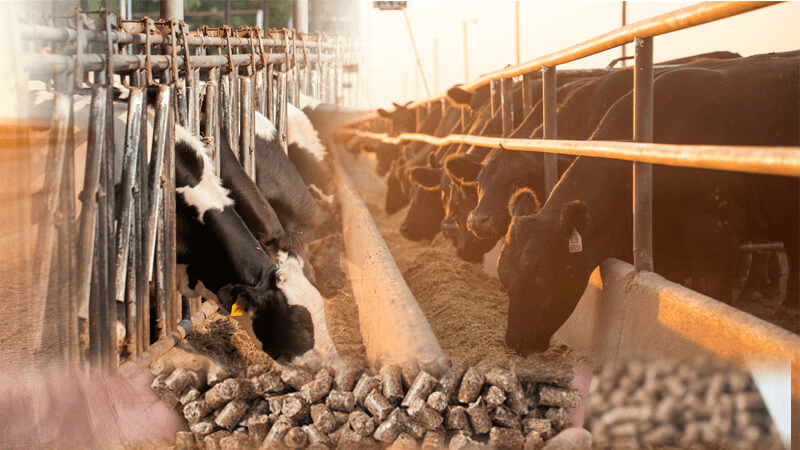
In this article, we will be explaining the various types of feed materials that are available in your environment for the ruminants feeding. First, it is important for you to understand that adequate nutrition is important for optimum growth and development of our animals.
Although ruminants can survive on forage, but it does not contain enough nutrients to meet the animal’s need for growth and production which is the reason why their feed should therefore be supplemented.
Definition of Terms
Certain terms are commonly used when discussing about feeds and feeding materials including in ruminants feeding.
1. Feed: A feed is a mixture of feedstuffs blended or processed in a form that is acceptable to livestock. It can also be expressed as that material which after being ingested by an animal is capable of being digested, absorbed, and utilized by the body either for maintenance, growth, or production.
2. Nutrient: This is any food constituent or group of constituents of the same general chemical composition that aids in the preservation of the same examples of nutrients are proteins, carbohydrates, water, fats/oils, minerals vitamins.
3. Ration: This refers to a fixed amount of feed that is given or allocated to an animal on a 24-hour basis or the total feed given to an animal during 24 hours.
4. Diet: A diet is a conglomeration of various ingredients in the right proportion to meet the needs or requirements of the animal.
Read Also: How often your Ruminant Animals should be served Water
Classification of Ruminants Feedstuffs
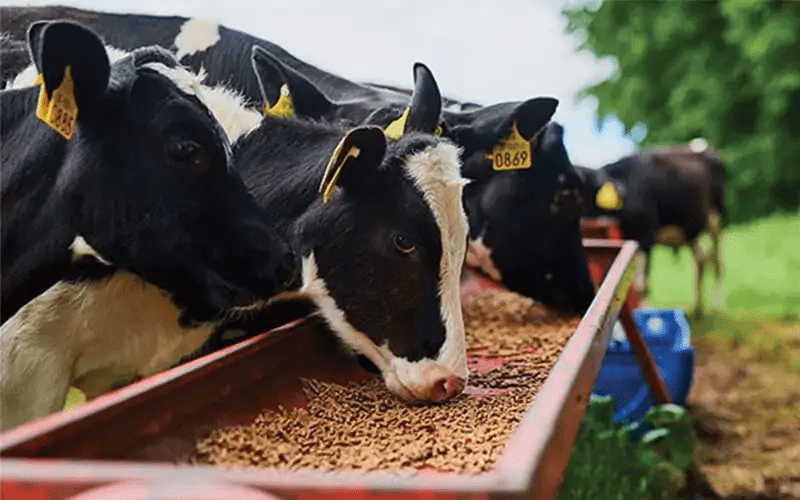
Feedstuffs are plant and animal tissues that contain the food elements (nutrients) of livestock. There are various types of feeding stuff available for livestock feeding. These are grouped into different classes based on Botany and chemical composition. These classes are:
1. Roughages: These are feed materials that are bulky with low weight/unit volume and contain more than 18% Crude Fibre. They are low in energy and proteinous roughages have a high content of cell-wall material. In nutritional terms, roughages may range from very good nutrient sources from lush young grassland high-quality silage to very poor feeds like straw, hay, stover, chaff, browse, etc..
2. Green (Fresh) Plants: Such as pasture, silage which are fresh green grasses cut and taken from animals, and crop residues which are plants that remain green after maturity.
3. Silage: Such as Corn (maize), and Sorghum.
4. Dry Plant Material: These include Hay (grass, legume) harvested when the plant is still young and dried, as well as straw which are mature and probably before cutting. It also include crop by-products such as maize crops groundnut shells etc.
5. Concentrate Feeds: Concentrates are feed materials that have low moisture and fiber. Concentrates have a relatively higher content of digestible nutrients. Concentrates are further classified into:
5a. Protein Concentrates: This class of concentrates has a high proportion of protein. They contain more than 20% crude protein. Protein concentrate may be of plant or animal origin.
Examples of concentrates of animal origin are fish, meal, blood, meal, meat meal, milk powder, shrimp meal, feather meal, etc. Animal protein concentrate contains higher amounts and a better proportion of essential amino- acids.
Plant protein concentrates contain a large amount of protein residue after it has been extracted from oil seeds, fruits, or beans by industrial process. Examples are groundnut cake, sunflower meal, coconut meal, cotton seed meal, etc.
5b. Energy Concentrates: This group of feedstuffs includes cereal grains, roots, tubers, and fruits. They are rich in carbohydrates. Next to fat/oils, they contain the highest amount of energy per unit weight. They are usually low in proteins ranging from 0.5% in roots to about 10% in cereal grains.
Some of the most important cereal grains used in the tropics for feed formulation are maize (Zea mays), and guinea corn (sorghum vulgaris). Examples of root tubers are cassava (Manihot esculenta) potatoes (Solanum tuberculum) Yam Discoria).
Root crops are rich in digestible carbohydrates, and low in protein and fiber. Because root crops are bulky and contain a high amount of moisture, their use in livestock feed is not widespread.
Read Also: How to Ascertain the Quality of Feed and Water served to Ruminant Animals
Non-protein Nitrogen Compounds as Protein Source
Non-protein nitrogen compounds are recognized as useful sources of nitrogen for ruminants. These depend on the ability of the rumen microbes to use them in the synthesis of their unicellular tissues. The most common non-protein nitrogen in use is urea and poultry waste.
1. Mineral and Vitamin Supplements: These are normally added to livestock diets as supplements. It is important to supplement for minerals in ruminants but vitamins are not necessary since the micro-organisms in the rumen can synthesize most of them. Mineral supplements can be obtained from animal bone meal, Dickskium phosphate, Rock phosphate, egg shells, oyster shells, etc.
Characteristics of Ruminants Feedstuff
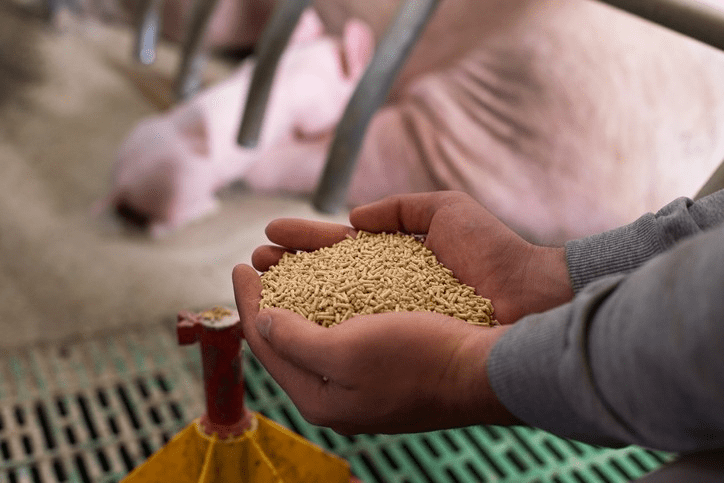
1. Protein Sources
Some of the common protein sources used in livestock feeding are:
1. Soya Bean Meal: This is a by-product of soybean oil which is the best and most widely used protein supplement. It has a high crude protein value of 44-48%.
2. Groundnut Cake: This is one of the major sources of livestock feed, especially in the northern states of Nigeria. The protein value is between 45-47 percent. It is highly digestible.
3. Cotton Seed Cake: It is a by-product of cottonseed oil in the industry relatively cheaper when compared to Soybean meal and groundnut cake.
4. Palm Kernel Cake (PKC): PKC contains about 20% protein sunflower meal, blood meal, fish meal, meat and bone meal, Tankage, etc. are also sources of proteins.
2. Energy Sources
Some carbohydrates, which are notably energy sources are discussed in the following sections.
1. Maize: This is the main source of energy for livestock. Maize seed has the highest metabolizable energy(ME) of all cereal grains 3442MEKcal/kg.
2. Sorghum (Guinea Corn): This is less palatable compared to maize and has a lower metabolizable energy.
3. Millet: This is a common grain in the drier parts of the country where maize and sorghum do not grow.
4. Wheat Offal: Residues from wheat milling which include wheat germ, bran course, and fine meddlings are either produced separately or mixed in some. Wheat Offals have low energy value but are a rich source of phosphorous and vitamins of the B-group.
Others are:
- Cassava
- Molasses
- Rice Bran
- Fats and Oils
- Oil Seed Sludge
In conclusion, there are several feed materials available for the ruminants, the choice of which one to use depends on availability and cost. Farmers are advised to use materials common in their immediate environment which is cheaper.
Read Also: 12 Management Tips for better Poultry Performance Potential
Frequently Asked Questions
We will update this section soon.