


This article provides an insight into rural communities, their structure, and unique characteristics. It explains how rural communities are identified, the cultural elements that shape them, and the peculiarities that distinguish them from urban centers. A comprehensive understanding of rural life is essential for appreciating its importance in agriculture and development.
The Concept of Rural Community
Rural communities are primarily defined by their population size, economic activities, and infrastructural development. Unlike urban areas, rural communities typically have smaller populations and a significant proportion of people engaged in agricultural activities such as farming, fishing, and pastoral work. These characteristics make them key players in primary production.
In Nigeria, the National Population Commission classifies communities with populations below 20,000 as rural. However, this classification overlooks other important factors such as population density, infrastructural development, and the predominant occupations of the residents. In rural settings, agriculture forms the backbone of the economy, with most people involved in food production and small-scale agricultural enterprises. The low level of infrastructure, including poor roads, limited access to electricity, and inadequate healthcare and educational facilities, further characterizes rural areas.
Read Also: 7 Medicinal Health Benefits of Daffodils (Narcissus Plant)
Cultural Elements in Rural Communities

Cultural elements are integral to rural communities, shaping their social structure and daily interactions. Below are some of the key cultural aspects that define rural life:
1. Society: A rural society is a collective of people who share common cultural, religious, and social practices, fostering strong communal bonds.
2. Social System: In rural areas, social systems revolve around close-knit relationships that influence how people live and work together, often through agricultural cooperatives or communal labor systems.
3. Family: The family unit is central to rural communities. Agriculture is often a family-based occupation, with parents and children working together on farms, reinforcing social and economic ties.
4. Status: In rural settings, status is often linked to land ownership, agricultural output, and leadership roles within the community.
5. Power: Power in rural communities may be derived from age, leadership in farming cooperatives, or traditional authority, with local leaders such as chiefs or community elders playing a key role in decision-making.
6. Institutions: Social institutions such as schools, agricultural cooperatives, and religious centers play a significant role in regulating social behavior and fostering community development.
7. Attitude: The attitudes of rural people are shaped by their dependence on agriculture and nature, leading to a strong connection with their land and environment.
8. Socialization: Rural communities pass down agricultural knowledge and cultural practices from generation to generation, ensuring the continuity of farming traditions.
9. Social Control: Informal means of social control, such as community gossip or moral obligations, are prevalent in rural areas, helping to maintain order and conformity.
10. Culture: The culture of rural communities is rich in agricultural practices, traditional beliefs, and customs that have been passed down through generations.
11. Beliefs: Rural people often hold strong beliefs in the power of nature and traditional practices, which influence how they approach farming and land use.
12. Norms: Norms in rural communities are centered around agricultural life, with expectations for participation in farming activities and adherence to communal traditions.
13. Values: The values in rural communities are deeply rooted in agriculture, with a strong emphasis on hard work, land stewardship, and family responsibility.
Read Also: Bacterial Canker (Stone fruit trees): Description, Damages Caused, Control and Preventive Measures
Characteristics of Rural Communities
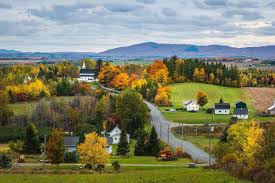
Rural communities possess unique characteristics that set them apart from urban areas. These traits are shaped by their reliance on agriculture and the close social relationships formed within small populations.
1. Occupation: Agriculture is the dominant occupation in rural areas, with most residents engaged in farming, fishing, livestock rearing, or small-scale processing of agricultural products. Due to financial constraints, they often rely on simple tools and traditional methods of cultivation.
2. Size of Community: Rural communities are small, with low population density. This allows for large areas of land to be allocated for farming while fostering close social ties among community members.
3. Composition of Rural Communities:
i. Age: The population tends to be younger, with a higher proportion of children and older adults.
ii. Sex: Rural areas often have a male-dominated workforce, especially in agricultural activities.
iii. Marital Status: Marriage is highly respected, and families are typically large, providing labor for farming activities.
iv. Religion: Traditional beliefs coexist with growing Christian and Islamic influences.
v. Education: Low levels of education are common due to inadequate access to schools and educational resources.
4. Environment: Rural residents live in close harmony with nature, relying on rain-fed agriculture, sunlight, and natural resources. Infrastructural development is generally low, with limited access to electricity, potable water, and healthcare facilities.
5. Social Stratification: Social classes in rural areas are minimal, with most people sharing similar economic circumstances due to their dependence on small-scale agriculture. Despite limited upward mobility, there is a strong sense of solidarity and mutual support within the community.
Rural communities are essential to the agricultural economy and the overall development of any nation. Their small populations, reliance on agriculture, and rich cultural values make them vital contributors to food security and rural development. For meaningful progress, rural communities must be provided with adequate infrastructure, education, and support for agricultural productivity.
Do you have any questions, suggestions, or contributions? If so, please feel free to use the comment box below to share your thoughts. We also encourage you to kindly share this information with others who might benefit from it. Since we can’t reach everyone at once, we truly appreciate your help in spreading the word. Thank you so much for your support and for sharing!