



When discussing shopping for food, a grocery store often comes to mind. A grocery store is a retail establishment that sells food and food items. A grocer, the owner of a grocery store, stocks various kinds of foods from diverse places and cultures and sells these groceries to customers.
Small grocery stores that primarily sell fruits and vegetables are known as produce markets or greengrocers. Such grocery stalls are common in local markets across Nigeria, in both rural areas and large cities.
Small stores that predominantly sell snack foods and sandwiches are referred to as convenience stores or delicatessens. Those combining food, clothing, and household items are known as supermarkets.
A brief explanation of grocery stores is necessary because safe food handling begins at the grocery store, open market stalls, or produce markets. The handling and storage of food items are critical, as contamination can occur in stores before customers purchase them.
Food handling safety encompasses best practices for managing different types of food, maintaining safe food handling temperatures, implementing proper sanitation practices, and providing extensive training on foodborne illnesses and bacteria, along with prevention methods.
Read Also: Milk Processing and Storage Methods
Risks of Foodborne Illness
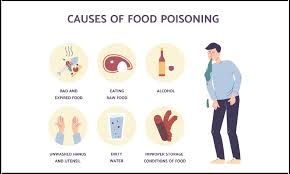
Foodborne illness can affect anyone at any time. However, certain groups, including young children, pregnant women, older adults, and individuals with weakened immune systems, face a higher risk of developing foodborne illnesses. For these groups, extra attention to selecting, storing, and preparing food is crucial.
Skills for Food Service Management
To fulfill the significant responsibilities of food service management, a food service manager must possess numerous skills. The most commonly identified skill is operational ability, which involves preparing and serving high-quality food to customers, also referred to as production management. This skill is essential for ensuring safe and effective food handling practices.
Read Also: The History and Origin of Highland Cows
Importance of Safe Food Handling

Many foodborne illnesses go unreported because most are mild, and a vast majority occur at home. Therefore, how food is handled can mean the difference between health and illness. Safe food handling begins with purchasing food items in good condition, free from contamination.
When running multiple errands in addition to shopping for food, it is advisable to make the grocery store the last stop. If possible, an insulated container should be kept in the car or van for transporting refrigerated or frozen items.
Food items should not be left in a hot vehicle; they should be promptly taken home or to the restaurant and stored in a freezer or refrigerator.
Menu Development and Food Handling Procedures
This article explores the development of a menu, which determines the food items a caterer or food service operator will purchase in the market. It also examines procedures for effective buying, receiving, storage, and preparation of food items, along with safety precautions in food handling.
Essential Knowledge for Food Service Managers
A food service manager must possess adequate knowledge of marketing, finance, human resources, and other related functional areas to succeed as a restaurant manager.
Similarly, students pursuing a management career in the hospitality industry should develop a well-rounded understanding of all business aspects to ensure effective and safe food service operations.