


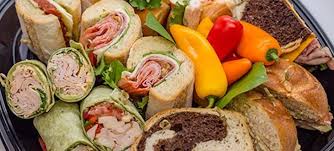
A sandwich is a food item typically consisting of two or more slices of bread with one or more fillings between them, or one slice of bread with a topping or toppings, commonly called an open sandwich. Sandwiches are a widely popular type of lunch food, typically taken to work, school, or picnics as part of a packed lunch.
They generally contain a combination of salad vegetables, meat, cheese, and a variety of sauces or savory spreads. The bread can be used as is or coated with condiments to enhance flavor and texture. Sandwiches are widely sold in restaurants and cafes.
Historical Background of Sandwiches
The first recorded sandwich was made by the famous Rabbi, Hillel the Elder, who lived during the 1st century B.C. A poor man, but a great scholar, he began the Passover custom of sandwiching a mixture of chopped nuts, apples, spices, and wine between two matzohs to eat with bitter herbs.
This sandwich is the foundation of the Seder and is named after him. However, matzoh, being unleavened bread, is not absorptive of sauces and juices as today’s sandwiches have become.
Before the Renaissance and the invention of the fork, any object that moved between plate and mouth, lifting cooked food and its sauce without spills, was a necessary utensil. From the Dark Ages to the Renaissance, bread was an integral part of a table setting.
Thick slices of bread, called trenchers, were set on wooden plates (also called trenchers) to soak up the sauces accompanying pieces of meat. The word comes from the French verb trenchier or trancher, meaning to cut.
Each trencher was eaten at each meal, and a new one was made for the subsequent meal by simply cutting off a new slice from the loaf. If the meal was formal and elaborate, trenchers might be changed more than once during the meal. The advent of the fork, however, dictated that using fingers to lift food was bad manners, and the trencher became passé.
John Montagu (1718–1792), the Fourth Earl of Sandwich, revived the concept of bread as a utensil, giving the name used today. Montagu was First Lord of the Admiralty and patron to Capt. James Cook, who explored New Zealand, Australia, Hawaii, and Polynesia.
Capt. Cook named the Hawaiian Islands after him, calling them the Sandwich Islands. Legend holds that Montagu was addicted to gambling, so much so that he gambled for hours at a time at a restaurant, refusing to get up for meals.
The legend suggests he was so intent on scooping up winnings that he ignored hunger, ordering his valet to bring meat tucked between two pieces of bread. His fellow gamblers, possibly seeking luck, began to order “the same as Sandwich!”
The original sandwich was likely nothing more than a piece of salt beef between two slices of toasted bread. Whatever the truth of the legend, the name sandwich is inscribed for all time.
In her book, English Bread and Yeast Cookery, Elizabeth David notes that while France and Italy remained true to freeform bread, the British adapted to making a fine loaf of white bread in tins. This ensured uniformity and evenly cut slices. Bread made in a tin is less crusty and offers more dough to absorb juices or spreads and hold ingredients together.
The British loved their sarnies, a nickname for sandwiches. Another slang term, butty (e.g., jam butty, chip butty, ham butty), predates sarnie and is a contraction of bread and butter, originating possibly in Yorkshire.
In 1840, the sandwich was introduced to America by Elizabeth Leslie (1787–1858). In her Directions for Cookery, she offers a recipe for ham sandwiches, deeming them worthy of being a main dish. In the 1900s, with the industrial revolution underway, bakeries began selling pre-sliced bread.
The American public embraced the ease of making a sandwich, and the sandwich as an institution was born. Human beings, being adventurous, have developed the sandwich into both a quick and easy meal and an art form. Bread can be toasted or served plain; sandwiches can be piled high with maximum ingredients or kept simple with one or two.
Read Also: All You Need To Know About Animal Shelters
Varieties of Sandwiches
1. Beef on Weck Sandwich
A unique staple of Buffalo, New York’s bars and taverns, few restaurants outside the Buffalo area serve this sandwich or know what it is. It is a roast beef sandwich on a salty kummelweck roll, a Kaiser roll seeded with caraway and topped with chunky salt. Kummelweck is simply shortened to “weck.” The sandwich is usually served with horseradish, kosher dill pickle slices, and French fries on the side.
2. Bierock Sandwich
A specialty from Kansas with roots in German and Russian cuisine, a yeasted pocket bread is stuffed with beef, sauerkraut, onion, and seasonings. It is similar to the Runza.
3. Club Sandwich
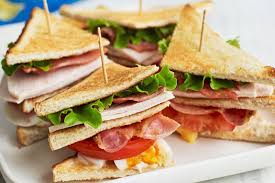
This sandwich features cooked chicken breast, bacon, lettuce, and tomato, layered between two, possibly three, slices of toasted bread with mayonnaise. It was fashionable in New York and a favorite of the Duke and Duchess of Windsor.
4. Cuban Sandwich
Toasted Cuban sandwiches are Miami’s favorite snack, best purchased from street corner snack bars called loncherias. They feature a submarine-style layering of ham, roast pork, cheese, and pickle between a sliced length of Cuban bread. Cuban sandwich shops make these using a sandwich iron similar to a Panini press.
5. Dagwood Sandwich
Named after the 1930s comic strip character Dagwood Bumstead, who was inept at domestic duties, this sandwich involves piling leftovers between bread.
6. Falafel Sandwich
The national street food of Israel and the Middle East, falafel is served in a pita, dressed with tahini sauce and smothered with add-ons like chopped salad, pickled vegetables, or the fiery Yemenite condiment zhug. Each falafel stand has its own style, sometimes topped with sauerkraut.
7. Finger Sandwiches for Tea
The mid-afternoon tea tradition, credited to Anna, the Duchess of Bedford, began in 1840 to conquer the weak feeling at four in the afternoon with tea and breadstuffs. By 1880, tea shops were in vogue.
Tea sandwiches or finger sandwiches require thinly sliced, tight-grained sandwich bread, a thin layer of butter to seal the bread from moist ingredients, and crusts cut away.
8. French Dip Sandwich
Invented in Los Angeles by Philippe Mathieu, owner of Philippe the Original, the French Dip Sandwich is made with roast beef, roast pork, leg of lamb, turkey, or ham served on a light French roll dipped into au jus sauce made from roast beef pan drippings.
9. Gyro Sandwich
A Greek specialty, a proper gyro is made with meat cut from a large cylinder of well-seasoned lamb or lamb and beef on a slowly rotating vertical spit, named gyro for its circular spinning motion, resembling a gyroscope. The correct Greek pronunciation is “yee-rohs,” though it is often mispronounced as “jee-rohs,” “jai-rohs,” or “gee-rohs.”
10. Hoagie Sandwich
Originating in Philadelphia, the term hoagie likely derives from hoggie, referring to men who worked on Hog Island, famous for shipbuilding. Shopkeepers created large sandwiches to satisfy their appetites.
A correctly made Philadelphia Hoagie has some soft interior bread removed to accommodate more ingredients. It is related to the Poor Boy, Hero, and Submarine, all made on full loaves of crusty French bread filled with cold cuts and various trimmings. Elsewhere, it may be called a Zep or Zeppelin.
11. Horseshoe Sandwich
A specialty in Springfield, Illinois, this thick sandwich uses two or three slices of bread encasing fried ham steak or two large hamburgers, served with thick French fries and a special sauce. A Pony Shoe uses one slice of very thick bread.
12. Hot Brown Sandwich
An open-faced sandwich made with turkey, bacon, pimientos, and Mornay sauce, placed under the broiler to melt the cheese. Created in 1926 by Chef Fred K. Schmidt at the Brown Hotel in Louisville, Kentucky, it was designed for dinner dance guests. It remains a Louisville favorite and the signature dish of the Camberley Brown Hotel.
13. Hot Dog Sandwich
Though a classic invention, the hot dog conforms to the sandwich definition. Controversy surrounds its origin, with Frankfurt, Germany, claiming the first frankfurter in 1852, while some argue Johann Georghehner from Coburg, Germany, created it in the 1600s. In America, legends point to Coney Island in 1916, the St. Louis World Fair of 1904, or Harry Stevens at New York’s Polo Grounds in the early 1900s.
Cartoonist TA (Tad) Dorgan is credited with the name hot dog, depicting sausages in buns as dachshunds. By 1895, Yale students referred to sausage wagons as dog wagons, leading to the term hot dog. July is National Hot Dog Month, with the average American eating 60 hot dogs annually.
14. Coney Island Hot Dog
A Cincinnati specialty, often called a Coney, it was created by Macedonian immigrant Tom Athanas Kiradjieff, who named it after passing through New York’s Coney Island area. It features a smaller hot dog covered with mustard, Cincinnati chili, onions, and finely grated Cheddar cheese.
15. Monte Cristo Sandwich
This sandwich varies by restaurant but typically includes two slices of white bread with ham, turkey, or chicken, and a slice of cheese, dipped in beaten egg and fried in butter. A classic Monte Cristo comes with jelly for dipping. Originating in 1910 in a Paris café as a grilled cheese with Gruyere and lean ham, it remains popular in France and Switzerland.
16. Muffuletta Sandwich
A specialty of New Orleans’ French Quarter, this sandwich features olive salad on a round 10-inch roll, served at room temperature. A gift from Italian immigrants, it is often called a Muff.
17. Panini, Crostini, and Bruschetta
Italians have long paired bread with meals, with bruschetta, crostini, and panini as peasant fare. Panini are crunchy breads holding warm meats and cheeses, often grilled in a Panini press. Bruschetta is garlic bread rubbed with extra virgin olive oil, grilled, and sometimes piled with ingredients. Crostini are small, thin slices of toasted French or Italian bread topped with simple ingredients, served as appetizers.
16. Philadelphia Cheese Steak Sandwich
A long-roll sandwich filled with chopped fried chip steak and melted cheese, its fame surpasses the Cuban and Beef on Weck. Originating with hot dog vendor Pat Olivieri in South Philadelphia, the original lacked cheese. Pat’s now serves it with chip steak and Cheese Whiz, while rival Geno’s uses American cheese or provolone. Order “wit” for onions at Pat’s, or “with onions” at Geno’s. A “scooped” version removes the roll’s soft interior.
17. Pita Sandwich
Originating in the Middle East, pita is a pocket bread popular in Israel, Greece, Lebanon, and Arab countries. It carries food and absorbs juices and flavorings, making it a global lunchtime staple.
18. Poor Boy (Po’ Boy) Sandwich
From New Orleans, the Po’ Boy features fillings like fried oysters, shrimp, fish, soft-shelled crabs, crawfish, roast beef and gravy, roast pork, meatballs, or smoked sausage, always on French bread. It is related to the Hoagie, Hero, and Submarine.
19. Reuben Sandwich
A grilled sandwich with corned beef, Swiss cheese, sauerkraut, and Russian dressing on rye bread. It has two origin claims: Reuben Kolakofsky in Omaha, Nebraska (1920–1935), created it for his poker group, later added to the Blackstone Hotel menu; or Reuben’s Delicatessen in Manhattan, where a Reuben Special was made in 1914 for Annette Seelos, Charlie Chaplin’s leading lady.
20. Runza Sandwich
A Nebraska specialty, similar to the Bierock, this yeasted pocket bread is stuffed with beef, sauerkraut, onion, and seasonings, rooted in German and Russian cuisine.
21. Schnitters and Sangers
In parts of South Australia, a sandwich is called a schnitter, while elsewhere it is a sanger. Sangers can refer to sandwiches or sausages. A favorite among South Australian school children is Fritz and Tomato Sauce in a lunchbox sandwich.
22. Shawarma Sandwich
Similar to a gyro, this Middle Eastern sandwich uses marinated meat pressed, stacked on a rotisserie, cooked slowly, and shaved for a sandwich with yogurt, tomatoes, and lettuce.
23. Sloppy Joe Sandwich
Research by H.K. Heinz in Pittsburgh suggests the Sloppy Joe began in 1930 in a Sioux City, Iowa, café as a “loose meat sandwich,” created by a cook named Joe. A depression-era staple, it reflects the imaginative use of ground meat to make flavorful, affordable food.
24. Submarine Sandwich
A king-sized sandwich on a 12-inch Italian loaf, filled with ham, salami, cheese, lettuce, tomatoes, onions, and flavored with garlic powder and oregano. Originating from Italian immigrants in New York in the late 1800s, it is related to the Poor Boy, Hero, and Hoagie.
Read Also: Deep Litter Poultry Production System
Popular Sandwich Recipes
- Arugula Grilled Cheese Sandwich
- Avocado Sandwich
- Avocado, Pecorino, and Watercress Baguettes
- Brie and Peach Sandwich
- Grilled Bacon, Cheddar, and Hot Pepper Jelly
- Beef Steak Sandwich (Spicy)
- Smoky Barbecued Beef Sandwiches (Slow Cooker Recipe from Pillsbury)
- Bruschetta
- Bruschetta with Peppers and Basil
- Asparagus Bruschetta
- Bruschetta with Pomodoro
- Bruschetta with Sun-Dried Tomato
- Hot Chicken Salad Open-Faced Sandwich on a Kaiser Roll
- Grilled Chicken Sandwich with Honey-Mustard Dressing
- Chicken Panini
- Berghoff’s Club Sandwich
- Turkey Cornbread Sandwich
- Crostini with Red Peppers
- Crostini with Porcini
- Crostini with Smoked Salmon and Capers
- Crostini with Chicken Livers
- Stacked Chopped Cobb Salad with Chipotle Vinaigrette (David Burke’s Salad-Sandwich Hybrid)
- Coney Island Hot Dog
- Falafel Sandwich
- Fried Fish Po’ Boy (for Catfish, Perch, or Snapper Fillets)
- Grilled Reuben Sandwich
- Hog Island Grilled Cheese
- Camembert and Comté Grilled Cheese with Mushrooms
- Alpine Grilled Cheese
- Gyro Sandwich
- Italian Sausage and Provolone Sandwich
- Lamb Samm (Created by Peter Gordon)
- Lobster-Mango Rolls with Soy-Ginger Vinaigrette (David Burke)
- Lobster Club Sandwich (Rick Tramonto)
- Maine Lobster Roll
- Middle Eastern Sandwich Spread
- Monte Cristo Sandwich I
- Monte Cristo Sandwich II
- Muffuletta Bread (Basic Bread)
- Onion Muffuletta
- New Orleans Oyster Loaf
- Turkey and Jarlsberg Cheese Panini
- Pita Pocket Sandwich
- Shawarma Sandwich
- Sloppy Jose
- Sloppy Rachels (Turkey-Based Sloppy Joe)
- Shrimp Rolls
- Grilled Steak and Stilton Sandwich
- Tofu Mayonnaise Spread
- Italian-Style Tofu Sandwich
- Turkey Salad Sandwich
- Roasted Pepper and Turkey Sandwich
- Open-Face Turkey, Brie, Gouda, and Sun-Dried Tomato Sandwich (Toaster Oven Recipe)
- Turkey Monte Cristo Sandwich
- Turkey Breast Sandwich with ‘Lone Star’ Mayo
- Turkey Reuben Sandwich
- Thai Turkey Roll-Up
- Baked Turkey Rolls
- Turkey Melts with Apple-Pepper Relish
- Waldorf Turkey Sandwich
- Zucchini and Ricotta Sandwich
Do you have any questions, suggestions, or contributions? If so, please feel free to use the comment box below to share your thoughts. We also encourage you to kindly share this information with others who might benefit from it. Since we can’t reach everyone at once, we truly appreciate your help in spreading the word. Thank you so much for your support and for sharing!