


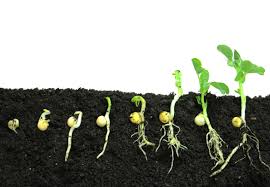
Seed germination marks the beginning of a tree’s life cycle, starting with the seed, its most vital propagule. This process involves the embryo resuming growth, leading to the rupture of the seed coat. The following sections explore the stages, factors, and practices influencing successful germination.
This article delves into the science of seed germination, highlighting key environmental factors and nursery practices. Understanding these elements ensures optimal conditions for seedling development. From water absorption to light exposure, each factor plays a critical role in germination success.
The process involves both catabolic and anabolic metabolism. Reserve compounds are broken down to provide energy, while proteins and organelles are synthesized for seedling growth. Proper management of these processes is essential for robust seedling establishment.
Seed Germination Process
The germination process is a complex interplay of physiological changes. It begins with water absorption and progresses through metabolic shifts. The embryo relies on stored food reserves until it develops leaves and roots for independent sustenance.
This process involves imbibition, reserve degradation, and synthesis of cellular components. Each stage is critical, with overlapping events that ensure the seedling’s early growth. Below, we outline the major steps observed during germination.
A. Water Absorption
1. Imbibition: Non-dormant seeds must absorb water to initiate germination. This process, called imbibition, triggers physiological activities. Seeds typically require water 2-3 times their weight to start respiration and other processes.
2. Cell Growth: Increased hydration leads to cell enlargement and division. This occurs in the seed’s growing points, promoting embryo development. Water also facilitates hormone release, stimulating enzyme activity essential for growth.
3. Weight Changes: As seeds absorb water, their fresh weight increases. However, dry weight decreases due to substrate oxidation and some leakage, marking the metabolic shift during early germination.
B. Metabolic Changes
1. Catabolic Processes: During germination, reserve lipids, proteins, and carbohydrates are degraded. This breakdown provides energy and raw materials, fueling the seedling’s early growth and development.
2. Anabolic Processes: Simultaneously, the seed synthesizes proteins and organelles. These are crucial for the seedling’s metabolism, enabling it to transition from stored reserves to independent nutrient uptake.
3. Nutrient Transport: Degraded compounds are transported to the embryo. Here, they are used to synthesize cellular components, supporting the seedling’s growth until it develops functional leaves and roots.
Read Also : Methods of Fish Fecundity Determination
Factors Influencing Seed Germination
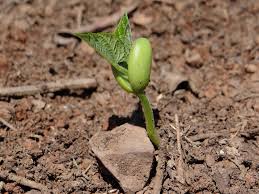
Several environmental factors control seed germination, affecting its speed and success. Rapid germination reduces risks from pests, fungi, or adverse weather. Key factors include water, temperature, light, oxygen, and chemicals, each detailed below.
Understanding these factors allows for better germination management. By optimizing conditions, growers can enhance seedling vigor and establishment. The following subheadings explore how each factor influences the germination process.
A. Water
1. Essential for Respiration: Non-dormant seeds require water to resume physiological processes. Respiration rates increase significantly once hydration exceeds a critical level, typically 2-3 times the seed’s weight.
2. Hydration Effects: Water absorption promotes cell enlargement and division. It also triggers hormone release, which stimulates enzyme formation, driving metabolic processes critical for germination.
3. Balancing Water Levels: While water is essential, excessive soaking can reduce oxygen availability, harming seeds. Soaking for 3-5 days may enhance germination, but prolonged soaking (e.g., 30 days) can kill seeds.
B. Temperature
1. Optimal Ranges: Seeds germinate well across a wide temperature range. For example, lodgepole pine seeds germinate similarly at 20°C and 30°C, while jack pine seeds perform consistently at 15°C, 21°C, or 27°C.
2. Species-Specific Needs: Some species, like Azadirachta indica, germinate poorly below or above 27°C. Others, such as Terminalia ivorensis, require alternating temperatures for optimal germination.
3. Dormancy Breaking: Low temperatures can break seed dormancy, but higher temperatures are needed for rapid germination. Non-dormant seeds may germinate at low temperatures but require longer periods.
C. Light and Radiation
1. Light Sensitivity: Most seeds are light-insensitive, germinating equally well in dark or light. However, some species, like lettuce (Grand Rapids cultivar), require light at 660 nm to break dormancy.
2. Day Length Effects: Light-sensitive seeds germinate best with 8-12 hour daily light periods. Short light flashes or higher temperatures can mimic longer light exposure, promoting germination.
3. Wavelength Sensitivity: Red light promotes germination, while infrared light inhibits it. For example, Virginia pine seeds germinate faster with red light after 20 days of water imbibition at 5°C.
D. Oxygen
1. Respiration Role: Oxygen is critical for respiration during germination. Seeds require higher oxygen levels than seedlings, acting as the primary electron acceptor in metabolic processes.
2. Seed Coat Removal: Removing seed coats and exposing seeds to high oxygen concentrations accelerates respiration. This enhances germination rates, particularly in oxygen-demanding species.
3. Soaking Risks: Brief soaking (3-5 days) hastens germination, but prolonged soaking reduces oxygen availability, leading to seed injury or loss of viability, especially after 10-30 days.
E. Chemicals
1. Inhibitory Effects: Chemicals like insecticides, fungicides, and herbicides (e.g., 2,4-D, CDAA) can suppress germination or harm seedlings. Naturally occurring compounds like phenolic acids also inhibit germination.
2. Application Risks: Herbicides such as naptatam and EPTC can directly suppress germination or seedling growth. Careful application is needed to avoid toxicity to young plants.
3. Natural Compounds: Plants release compounds like coumarins and terpenes into the soil, inhibiting neighboring seed germination. These natural inhibitors impact seedling establishment in diverse ecosystems.
Seedbed and Sowing Practices
The seedbed and sowing methods significantly affect germination and seedling establishment. Physical characteristics, water availability, and nutrient levels vary across seedbeds, influencing plant success. Proper sowing techniques further enhance germination outcomes.
This section explores how seedbed types and sowing methods impact germination. From mineral soil to decayed wood, seedbeds provide unique conditions. Sowing methods like broadcast and drill sowing also play a key role.
A. Seedbed Characteristics
1. Mineral Soil: Mineral soil is ideal due to its high infiltration capacity and aeration. Close contact between soil particles and seeds ensures efficient water and nutrient uptake.
2. Decayed Wood: Decayed wood serves as an excellent seedbed, particularly for forest tree seeds. Its high water retention capacity supports germination in natural environments.
3. Nutrient Availability: Seedbeds must provide adequate water and nutrients. Variations in physical characteristics and temperature influence seedling establishment across different seedbed types.
B. Sowing Methods
1. Broadcast Sowing: Seeds are uniformly distributed over the seedbed, allowing more plants per unit area. It promotes rapid soil cover but complicates transplanting operations.
2. Drill Sowing: Seeds are sown in parallel, uniformly spaced bands. This method suits large seeds and allows precise placement, either manually or mechanically, in furrows.
3. Container Sowing: Sowing directly into plant containers eliminates germination beds. This method reduces transplanting issues and is ideal for seedlings destined for plantations.
Read Also : Methods of Fish Age and Growth Studies
Nursery Practices for Seed Germination
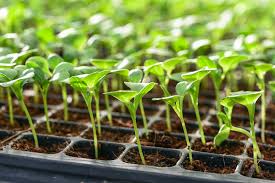
Nurseries provide controlled environments for seed germination, especially for tree species with small, scarce, or dormant seeds. They protect seedlings until they are strong enough for field conditions. This section covers nursery types and germination media.
Nurseries ensure optimal seedling growth through specialized seedbeds and potting mixtures. By addressing environmental challenges, nurseries improve germination success. Below, we detail nursery practices and media preparation.
A. Types of Nurseries
1. Temporary Nurseries: Used for a few years, these nurseries are small and cost-effective. Their proximity to planting sites reduces transportation costs and risks during seedling transfer.
2. Permanent Nurseries: Large and intensively managed, these nurseries operate for years at a fixed site. They offer economic benefits but require longer-distance seedling transport.
3. Site Selection: Nurseries need accessible land with suitable topography, free from pests and pollution. Adequate water and labor supply are critical for successful seedling production.
B. Germination Media
1. Bed Types: Common beds in Nigeria include germination, transplant, and standing-on beds. These ensure adequate moisture and air for seedling growth, tailored to specific needs.
2. Potting Mixtures: Ideal mixtures contain topsoil, sand, manure, and mycorrhiza. These provide nutrition, drainage, and water retention, with insecticides protecting against pests.
3. Mycorrhiza Importance: Mycorrhiza fungi enhance root absorption and branching, deterring pathogens. For species like Pinus elliotii, mycorrhiza is critical for field survival and growth.
Frequently Asked Questions
1. What is seed germination?
Seed germination is the process where an embryo resumes growth, rupturing the seed coat. It involves water absorption, reserve degradation, and synthesis of cellular components for seedling development.
2. Why is water important for germination?
Water triggers physiological processes like respiration and cell growth. Seeds typically need 2-3 times their weight in water to initiate germination, ensuring enzyme activity and hormone release.
3. How does temperature affect seed germination?
Temperature influences germination speed and success. Optimal ranges vary by species, with some requiring alternating temperatures or higher temperatures post-dormancy for rapid germination.
4. Do all seeds require light to germinate?
No, most seeds are light-insensitive, germinating equally well in dark or light. However, some species, like certain lettuce cultivars, need specific light wavelengths to break dormancy.
5. How does oxygen influence germination?
Oxygen is essential for respiration, acting as an electron acceptor. Higher oxygen levels are needed during germination than for seedling growth, and soaking can reduce oxygen availability.
6. What role do nurseries play in germination?
Nurseries provide controlled environments for small or dormant seeds, protecting seedlings from harsh conditions. They use specialized beds and potting mixtures to optimize growth.
7. How do sowing methods affect germination?
Broadcast sowing maximizes plant density but complicates transplanting, while drill sowing suits large seeds for precise placement. Container sowing eliminates germination beds, simplifying seedling transfer.
8. Why is mycorrhiza important in nurseries?
Mycorrhiza fungi enhance root absorption, promote branching, and deter pathogens. For some species, like pines, mycorrhiza is critical for successful field establishment and long-term growth.
Do you have any questions, suggestions, or contributions? If so, please feel free to use the comment box below to share your thoughts. We also encourage you to kindly share this information with others who might benefit from it. Since we can’t reach everyone at once, we truly appreciate your help in spreading the word. Thank you so much for your support and for sharing!