


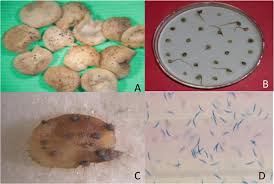
Seed treatment and testing are vital for ensuring successful germination and healthy plant growth. This article explores methods to overcome seed dormancy, enhance germination, and assess seed quality, providing practical insights for optimizing seedling production in forestry and agriculture.
Seed dormancy, a natural mechanism, prevents germination until conditions are ideal. Treatments like scarification, soaking, or chemical applications can break dormancy, ensuring uniform germination. The efficiency of these treatments varies by species, requiring tailored approaches to achieve optimal results.
Testing seed quality through purity, viability, and germination tests ensures reliable planting outcomes. These tests help determine sowing rates and seedling stands, critical for mechanized planting, resource efficiency, and mass production in forestry and agricultural settings.
This guide details seed treatment methods, including physical and chemical scarification, soaking, and boiling, alongside testing techniques like purity and viability assessments. Each section provides actionable steps to improve germination and seedling uniformity.
Seed Dormancy and Pre-Treatment
Seed dormancy prevents germination until environmental conditions are favorable, ensuring species survival. Treatments aim to alter the inhibitor-promoter balance, increase seed coat permeability, or reduce mechanical resistance, enabling uniform germination for efficient seedling production.
The effectiveness of treatments depends on the type and degree of dormancy. Some species respond to multiple methods, while others require specific treatments. For certain species, no common method can break dormancy, necessitating specialized approaches.
A. Types of Seed Dormancy
1. Inherent Dormancy: This type naturally fades during a rest period, allowing seeds to germinate under favorable conditions without external intervention, though timing varies by species.
2. Seed Coat Dormancy: Impermeable or leathery seed coats, common in leguminous species, persist and require physical or chemical treatments to enhance water absorption and germination.
3. Species-Specific Responses: Some species, like Gmelina arborea, germinate well when fresh but unevenly, while others, like Terminalia ivorensis, germinate slowly without specific pre-treatments.
4. Treatment Objectives: Pre-treatments aim to maximize germination rates in the shortest time, ensuring uniform seedling growth for mechanized planting and efficient resource use.
B. Common Pre-Treatment Methods
1. Physical Scarification: Chipping or abrading leathery seed coats, as in leguminous species, followed by water soaking, enhances water uptake and promotes germination.
2. Chemical Scarification: Concentrated sulphuric acid effectively breaks seed coat dormancy, as seen in Terminalia superba, significantly improving germination percentages compared to other methods.
3. Water Soaking: Soaking seeds, such as Desbordesia glaucesceus, in water softens seed coats, while alternate soaking and drying benefits species like Canariium schewinfurthii.
4. Other Methods: Boiling, heating, or passing seeds through animal guts can stimulate germination, though effectiveness varies by species and treatment conditions.
Read Also: How to Grow, Use and Care for Whitetinge Sedge Grass (Carex albicans)
Seed Treatment Techniques
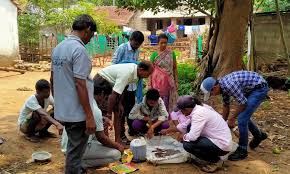
Seed treatments enhance germination by addressing physical and chemical barriers. Methods like scarification and chemical applications target seed coat impermeability or embryo dormancy, ensuring seeds germinate quickly and uniformly for field planting.
Different species require tailored treatments. For example, Prosopis africana faces germination constraints due to non-dehiscent pods and waxy seed coats, necessitating specific interventions to achieve successful germination in the field.
A. Physical Scarification
Prosopis africana pods do not naturally release seeds, limiting dispersal. Mechanical force or accidental pod breakage is needed to free seeds, which are further restricted by waxy, hard seed coats that imbibe water slowly.
1. Non-Dehiscent Pods: Unlike papillionaceous pods, Prosopis africana pods remain closed after falling, requiring mechanical intervention to access seeds for germination.
2. Seed Coat Challenges: The waxy, hard seed coat slows water absorption, contributing to low germination rates and the species’ scarcity in natural settings.
3. Mechanical Solutions: Physical scarification, such as chipping or abrading, followed by soaking, overcomes seed coat barriers, significantly improving germination success.
4. Field Implications: These constraints explain the isolated occurrence of Prosopis africana, highlighting the need for targeted treatments to enhance field germination.
B. Chemical Scarification
Chemical scarification, particularly with concentrated sulphuric acid, effectively breaks seed coat dormancy. Studies on Terminalia superba, Acacia albida, and Acacia senegal show significant germination improvements with acid treatment.
1. Sulphuric Acid Efficacy: Treatment with concentrated sulphuric acid for 10 minutes yielded 99% germination for Acacia albida and 57.3% for Acacia senegal.
2. Prosopis Africana Results: Acid soaking for varying durations improved germination, with 30-minute treatments achieving up to 89% mean germination across samples.
3. Comparative Advantage: Acid scarification outperforms other methods for hard-coated seeds, offering a reliable solution for species with persistent seed coat dormancy.
4. Application Considerations: Proper handling and timing are critical, as prolonged acid exposure may reduce germination rates in some samples.
C. Other Treatment Methods
Chemical treatments like gibberellic acid break mild embryo dormancy, while oxidizing agents like hydrogen peroxide stimulate respiration. However, hydrogen peroxide has limitations for some species with embryo dormancy.
1. Gibberellic Acid: Effective for species like Chlorophora excelsa, this chemical promotes germination by altering the inhibitor-promoter balance within the seed.
2. Hydrogen Peroxide: While it accelerates respiration, its practical limitations restrict its use for seeds with significant embryo dormancy challenges.
3. Soaking and Boiling: Simple soaking benefits species like Desbordesia glaucesceus, while boiling or heating can stimulate germination in specific cases.
4. Animal Gut Passage: Seeds passing through animal digestive systems may germinate better, though this method is less controlled and species-dependent.
Read Also: How to Grow, Use and Care for Whitegrass (Leersia virginica)
Seed Quality Testing
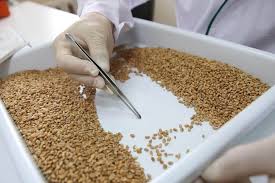
Seed testing ensures seeds are viable, pure, and capable of high germination rates. Tests like purity, viability, and germination assessments provide critical data for determining sowing rates and achieving uniform seedling stands.
Seeds remain dormant after separation from the parent tree, resuming growth only under favorable conditions. Testing identifies internal barriers to germination, guiding pre-treatment strategies to optimize planting outcomes.
A. Purity Testing
Purity tests assess the proportion of pure seeds in a sample, free from other crop seeds, weed seeds, or impurities. This data informs sowing rates for desired seedling stands.
1. Purity Calculation: Purity percentage is calculated as (weight of pure seed × 100) ÷ (weight of pure seed + impurities), ensuring accurate seed quality assessment.
2. Sample Analysis: Sorting a representative sample by weight or number determines the presence of contaminants, critical for mechanized planting accuracy.
3. Application: Purity test results help calculate the seed quantity needed per unit area, ensuring efficient resource use and uniform seedling production.
4. Species Accuracy: High-purity seeds ensure the sample is true to the species and variety, reducing variability in germination and growth outcomes.
B. Viability Testing
Viability tests determine the proportion of seeds capable of germination. Factors like improper development, harvest injuries, or storage issues can reduce viability, necessitating thorough testing.
1. Testing Methods: Visual examination, cutting, floatation, chemical staining, and germination tests assess viability, with germination percentage indicating potential seedling production.
2. Tetrazolium Test: Soaking seeds in 2,3,5-triphenyl tetrazolium chloride (TTC) stains living tissues red, quickly identifying viable seeds, though preparation is time-intensive.
3. Viability Formula: Viability percentage is calculated as (number of viable seeds × 100) ÷ number of seeds examined, or by weight for bulk assessments.
4. Challenges: Mixed stained and unstained areas in TTC tests can complicate interpretation, requiring careful judgment to assess seed viability accurately.
C. Germination Testing
Germination tests measure the percentage and rate of germination under optimal conditions, reflecting seed vitality and the degree of dormancy present.
1. Germination Percentage: Calculated as (number of seeds germinated × 100) ÷ number of seeds sown, this indicates the proportion of seeds capable of sprouting.
2. Germination Rate: The speed of germination depends on dormancy levels and environmental conditions, measured over a specific period using laboratory tests.
3. Testing Protocol: Four replications of 100 randomly selected seeds are tested under optimal conditions, with results averaged to estimate germination potential.
4. Sowing Rate Formula: Seed weight (kg) = (area to be planted × stocking per ha) ÷ (% purity × % germination × number of seeds per kg).
Frequently Asked Questions
1. What is seed dormancy?
Seed dormancy is a natural state preventing germination until conditions are favorable, ensuring species survival. It includes inherent dormancy and seed coat impermeability.
2. Why is pre-treatment necessary for seeds?
Pre-treatments break dormancy, enabling rapid and uniform germination. This ensures consistent seedling growth, essential for mechanized planting and resource efficiency.
3. What is physical scarification?
Physical scarification involves chipping or abrading seed coats to enhance water absorption, commonly used for leguminous species with impermeable, leathery testas.
4. How effective is chemical scarification?
Chemical scarification, using concentrated sulphuric acid, significantly improves germination rates, achieving up to 99% for species like Acacia albida with proper application.
5. What does a purity test measure?
A purity test determines the proportion of pure seeds in a sample, free from other seeds or impurities, guiding sowing rates for uniform seedling stands.
6. How is seed viability tested?
Viability is tested through methods like visual examination, tetrazolium staining, or germination tests, identifying the proportion of seeds capable of sprouting.
7. What is the tetrazolium test?
The tetrazolium test uses TTC to stain living seed tissues red, quickly assessing viability in both dormant and non-dormant seeds, though interpretation can be challenging.
8. Why is germination rate important?
Germination rate indicates how quickly seeds sprout, reflecting dormancy levels and environmental suitability, critical for planning planting schedules and seedling production.
Do you have any questions, suggestions, or contributions? If so, please feel free to use the comment box below to share your thoughts. We also encourage you to kindly share this information with others who might benefit from it. Since we can’t reach everyone at once, we truly appreciate your help in spreading the word. Thank you so much for your support and for sharing!