


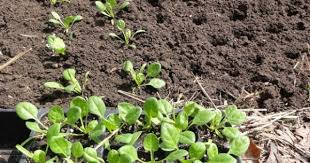
The success of afforestation programs hinges on effective seedling management practices. These practices ensure seedlings develop into strong, healthy trees, capable of thriving in diverse environmental conditions.
By implementing techniques such as pricking out, shading, mulching, irrigation, weeding, fertilization, pruning, and strategic planting, nurseries can maximize seedling survival and growth. Below, we explore these practices in detail, organized under clear headings and subheadings for clarity.
Seedling Preparation and Initial Care
Proper seedling preparation sets the foundation for healthy growth. Early and gentle handling during pricking out and transplanting prevents damage to delicate roots and shoots, ensuring seedlings establish well in their new environment. These initial steps are critical for fostering robust development and minimizing stress.
A. Pricking Out and Transplanting
1. Purpose of Pricking Out: Pricking out provides seedlings with wider, even spacing to reduce competition from neighboring plants, promoting healthy development.
2. Gentle Handling: Early pricking out, done gently, avoids damage to root hairs and shoots, which is critical for seedling survival.
3. Root Development: Checking tap root growth and encouraging fibrous roots near the surface enhances seedling stability and nutrient uptake.
4. Transplanting in Dry Areas: Transplanting minimizes root damage and planting shock, especially in arid regions where water availability is limited.
B. Shading and Mulching
1. Shading Requirements: Shade-bearing species need heavy shade to reduce soil temperature and maintain moisture, while light-demanding species like Tectona grandis may not require it.
2. Mulching Benefits: Mulching regulates soil temperature, conserves moisture by reducing evaporation, controls weeds, and minimizes erosion by encouraging infiltration.
3. Application Context: Shading is often used for small seedlings in trays in the Savannah zone, while mulching is a versatile alternative across various nursery settings.
Water and Nutrient Management
Water and nutrients are vital for seedling growth. Proper irrigation and fertilization practices ensure seedlings receive adequate resources, tailored to their environmental conditions. These practices balance soil moisture and nutrient availability to support rapid and healthy development.
A. Irrigation Techniques
1. Importance of Water: Adequate moisture through irrigation is essential for seed germination and seedling growth, especially where natural rainfall is insufficient.
2. Irrigation Balance: Scanty irrigation promotes deep root development, while excess irrigation can stunt growth due to poor aeration, requiring a balanced approach.
3. Irrigation Methods: Surface irrigation involves flooding or furrow systems; sub-surface irrigation uses a controlled water table; sprinkler irrigation simulates rainfall for even distribution.
4. Regional Considerations: In areas like the Lake Chad region, natural water tables support sub-surface irrigation, enhancing moisture availability for seedlings.
B. Fertilizer Application
1. Enhancing Growth: Fertilizers improve soil fertility, promoting strong, healthy seedling growth, as noted by Chamshama and Hall (1984).
2. Optimal Rates: In north-eastern Nigeria, experiments suggest 30-90 kg/ha N, 30-60 kg/ha P, and 60-90 kg/ha K for rapid mahogany seedling growth.
3. Combined Applications: Combining 60 kg/ha N and 60 kg/ha P or 90 kg/ha N and 30 kg/ha K yields superior results for mahogany seedlings.
4. Benefits in Arid Regions: Fertilization reduces nursery time by accelerating growth, critical in semi-arid areas with scarce water resources.
Read Also : Methods of Fish Age and Growth Studies
Weeding and Pruning

Weeding and pruning are essential for reducing competition and shaping seedling growth. These practices enhance resource availability and ensure seedlings develop strong structures, improving their chances of survival after planting.
A. Weeding Practices
1. Weed Competition: Weeds compete with seedlings for moisture, nutrients, space, and light, potentially stunting or killing young plants if unchecked.
2. Soil Benefits: Tillage during weeding improves soil infiltration, aeration, water absorption, and reduces runoff and erosion.
3. Regular Maintenance: Consistent weeding ensures seedlings have access to essential resources, promoting vigorous growth.
B. Pruning Techniques
1. Root Pruning: Regular root pruning restricts tap root development and encourages fibrous roots, aiding post-planting establishment.
2. Shoot Pruning: Pruning tall, thin, or weak shoots prevents seedlings from becoming leggy, promoting balanced growth.
3. Methods for Containerized Seedlings: Cutting roots growing through pots ensures healthy root systems without excessive spread.
Read Also : Methods of Fish Fecundity Determination
Planting Strategies and Protection
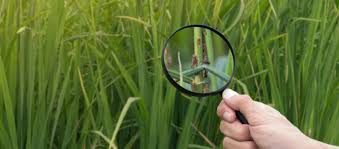
Strategic planting and protective measures are crucial for seedling survival in challenging environments. Timing, patterns, and post-planting care significantly influence the success of afforestation efforts, particularly in tropical and arid regions.
A. Planting Practices
1. Timing Considerations: Planting after 100mm of steady rain, during the wet season, or on cloudy days reduces evapotranspiration stress.
2. Plant Condition: Using well-balanced, conditioned, and well-watered seedlings minimizes transplant shock and enhances survival.
3. Container Stock in Arid Areas: Containerized seedlings are preferred in arid regions, planted during heavy rains to ensure establishment.
B. Planting Patterns and Spacing
1. Square Planting: Equal spacing between and along rows ensures uniform growth and resource distribution.
2. Rectangular Planting: Closer spacing within rows aids machine access or intercropping, common in agroforestry and enrichment planting.
3. Spacing Impacts: Wider spacing reduces costs but may lower volume production; closer spacing increases costs but improves tree form in broad-leaved species.
C. Protective Measures
1. Fire Protection: Controlling weeds reduces fire hazards, protecting young trees from burning, especially on dry, grassy sites.
2. Animal Damage: Fences, walls, or shepherds protect seedlings from grazing animals like goats and cattle, critical in sparse vegetation areas.
3. Insect Control: Plant extracts like azadirachtin from neem and mulching with specific foliage deter termites, protecting eucalypts and pines.
Frequently Asked Questions
1. Why is pricking out important for seedlings?
Pricking out provides seedlings with more space, reducing competition for resources and allowing each seedling to develop strong roots and shoots without interference.
2. How does mulching benefit seedling growth?
Mulching regulates soil temperature, conserves moisture, controls weeds, and reduces erosion by improving water infiltration and minimizing runoff.
3. What are the different irrigation methods used in nurseries?
Nurseries use surface irrigation (flooding or furrows), sub-surface irrigation (controlled water tables), and sprinkler irrigation (simulating rainfall) to maintain soil moisture.
4. How does fertilization impact seedling growth in arid regions?
Fertilization accelerates seedling growth, reducing nursery time and enhancing afforestation success in water-scarce semi-arid regions.
5. Why is planting timing critical for seedling survival?
Planting after sufficient rainfall or on cloudy days minimizes evapotranspiration stress, improving seedling establishment and survival rates.
6. How do planting patterns affect plantation outcomes?
Square patterns ensure uniform growth, while rectangular patterns support mechanized access or intercropping, influencing costs, yields, and tree form.
7. What measures protect newly planted trees from animal damage?
Fences, walls, and employing shepherds or herdsmen protect seedlings from grazing animals, particularly in regions with sparse natural vegetation.
Do you have any questions, suggestions, or contributions? If so, please feel free to use the comment box below to share your thoughts. We also encourage you to kindly share this information with others who might benefit from it. Since we can’t reach everyone at once, we truly appreciate your help in spreading the word. Thank you so much for your support and for sharing!