


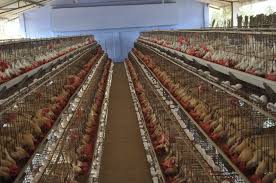
Poultry farming is one of the most widely practiced agricultural activities in the world. Farmers across different regions and climates raise poultry for meat, eggs, and income. But one thing that varies greatly from farm to farm is the production system used. Some farmers let their birds roam freely across large open spaces.
Others keep them confined indoors at all times. And then there are those who strike a balance between the two. That middle-ground approach is what we call the semi-intensive or restricted range poultry production system, and it’s the focus of this article.
There are three main poultry production systems in use today. The first is the extensive or free-range system, where birds have unrestricted access to open land. The second is the semi-intensive or restricted range system, which gives birds some outdoor access within controlled boundaries.
The third is the intensive system, where birds are kept indoors under highly controlled conditions throughout their lives.
Each of these systems has its strengths and weaknesses. Your choice depends on factors like your farm’s location, the capital you have available, the skills of your workers, and the type of birds you’re raising.
For example, white leghorns are typically raised for egg production, while broiler strains, which are crosses between Cornish White, New Hampshire, and White Plymouth Rock breeds, are raised primarily for meat.
As poultry farming expands into more tropical and high-temperature regions, the way farmers design and manage their operations must adapt.
Traditional methods developed in cooler climates don’t always translate well to hot, humid environments. That’s why special techniques and thoughtful planning are necessary for managing poultry successfully in these conditions.
What makes a poultry system truly effective isn’t just the type of system you choose. It also comes down to how well you manage your birds’ environment. Temperature, humidity, ventilation, and lighting all play critical roles in keeping birds healthy and productive throughout their lives.
Beyond environmental conditions, your housing must also be structurally sound, durable, and cost-effective to maintain. Without these foundational elements in place, even the best production system will fall short.
Understanding the semi-intensive production system in particular is valuable because it represents a practical option for many farmers, especially those who don’t have enough land for full free-range production but want to give their birds more space than a purely indoor system allows.
Throughout this article, we’ll break down how this system works, its advantages and disadvantages, housing design considerations for tropical climates, and best practices for feed management that directly affect your profitability.
1. Semi-Intensive/Restricted Range Poultry Production System
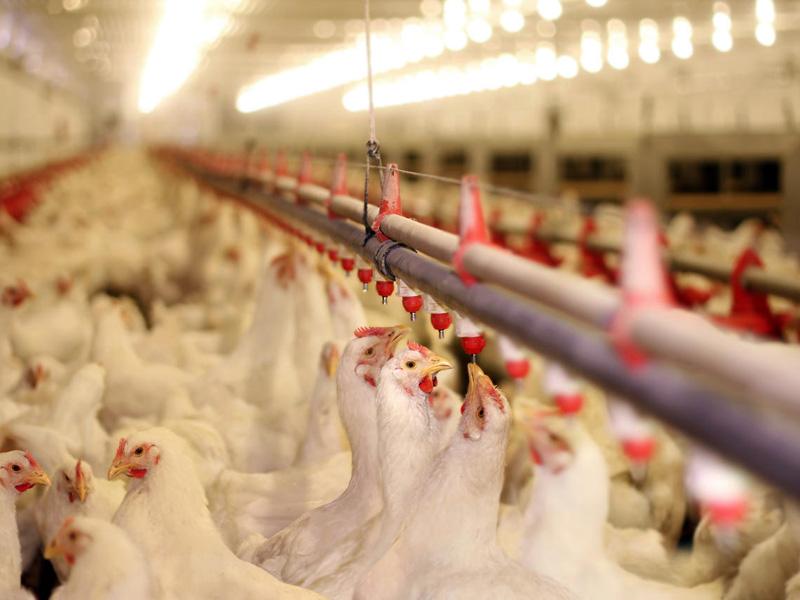
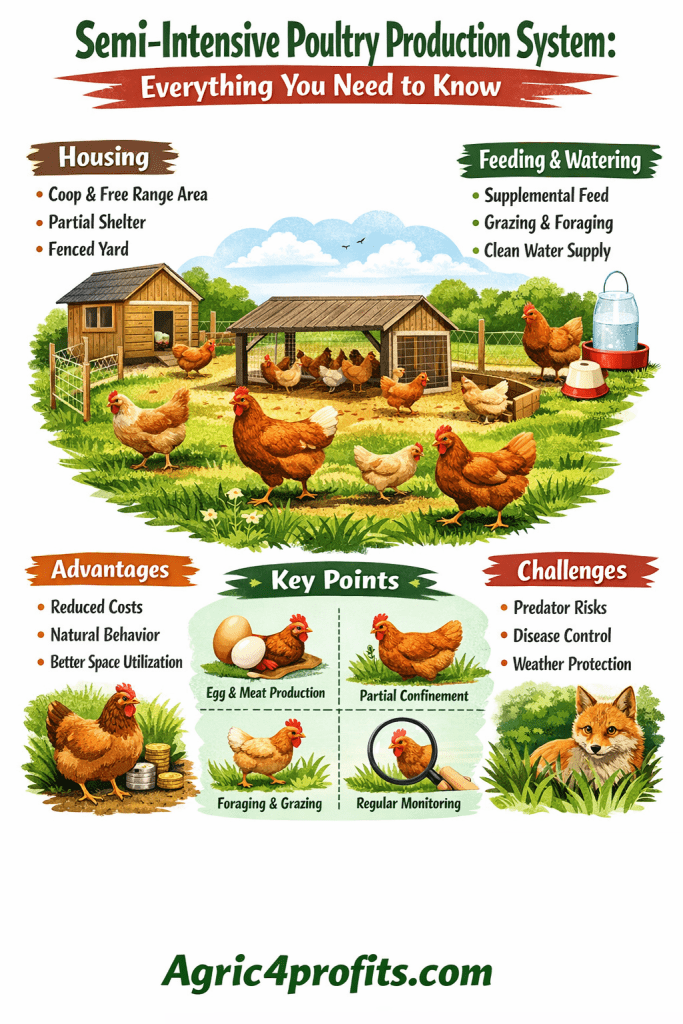
The semi-intensive or restricted range poultry production system is a hybrid approach to poultry farming. It combines elements of both free-range and intensive production methods. In this system, birds have access to a defined outdoor area during the day and return to a enclosed poultry house at night.
The outdoor area, commonly called a poultry run, is a piece of land enclosed by wire netting or fencing. This fence keeps the birds within a controlled space and prevents them from wandering too far. During the day, birds move freely within this enclosed area, foraging for insects, grass, and other natural feed sources. At dusk or when called in, they return to their house for shelter, feeding, and rest.
This system is particularly common among small to medium-scale poultry farmers. It requires less capital than a fully intensive indoor system but provides more control than a completely free-range setup. Furthermore, the fact that birds spend time outdoors means they benefit from natural sunlight, fresh air, and some degree of natural behavior expression, all of which contribute to better health and welfare.
A. Advantages of the Semi-Intensive System
The semi-intensive system offers a number of practical benefits that make it an attractive choice for many farmers.
i. Strict control over breeding: Because birds are kept within a fenced run, farmers can control which birds mate. This is particularly important for breeders who want to prevent their hens from crossing with inferior or undesirable cocks. Controlled mating leads to more predictable offspring quality.
ii. Protection from predators: The fenced enclosure and nighttime housing arrangement gives birds strong protection from common predators like foxes, hawks, snakes, and wild dogs. This reduces mortality rates and protects your investment.
iii. Protection from accidents: Birds roaming inside a defined space face far fewer hazards compared to completely free-range birds. The controlled environment minimizes the risk of birds wandering onto roads, getting lost, or encountering dangerous equipment.
iv. Easier management: Because birds return to the house each night, farmers can monitor them more closely, administer treatments, collect eggs, and perform health checks more efficiently than in a completely free-range system.
v. Better feed conversion: Birds in a semi-intensive system still have access to some natural forage, which supplements their main diet. This can reduce feed costs while maintaining good body condition and egg production.
vi. Versatility across bird types: This system works well for both layers and meat birds. It’s also suitable for breeding flocks where tracking the performance of individual birds is important.
B. Disadvantages of the Semi-Intensive System
Like every production system, the semi-intensive approach has some drawbacks that farmers must plan for before committing to it.
i. Higher cost of production: Compared to free-range systems where birds forage largely on their own, the semi-intensive system requires more investment in fencing, housing, supplementary feed, and management labor. These costs can add up, especially for farmers who are just starting out.
ii. Large land requirement: The system works best when birds have adequate space in their outdoor run. Overcrowding the run leads to soil degradation, increased disease pressure, and poor bird welfare. This means you need a reasonably large piece of land to run this system effectively.
iii. Labor intensity: Managing birds that move between indoor and outdoor spaces requires more hands-on labor than a fully enclosed intensive system. Daily tasks like opening and closing the run, managing the litter inside, and monitoring birds across two spaces add up.
iv. Disease risk from outdoor exposure: While outdoor access benefits birds in many ways, it also exposes them to wild bird droppings, parasites, and soil-borne pathogens. Good biosecurity practices are essential to minimize this risk.
2. Poultry House Design Principles for Tropical Environments
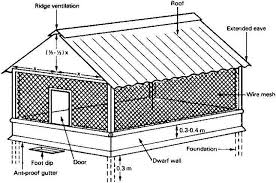
Designing a poultry house that works in a tropical climate is genuinely challenging. High temperatures, humidity, and unpredictable rainfall all affect how birds perform. If your housing doesn’t account for these factors, your birds will struggle to be productive regardless of how well you manage everything else.
The goal of any poultry house design should be to maintain conditions that allow birds to thrive throughout their productive lives. Specifically, this means managing temperature, humidity, ventilation, and lighting effectively. Beyond performance, the house must also be cost-effective, structurally strong, and durable enough to justify the investment.
A. Temperature Management
High temperatures are one of the biggest challenges in tropical poultry production. When birds experience heat stress, feed intake drops, water consumption rises, egg production falls, and growth rates decline. In severe cases, heat stress can cause mass mortality.
i. Orient the house correctly: Position the building so the long axis runs from east to west. This minimizes the surface area exposed to direct sunlight during the hottest parts of the day.
ii. Use good roofing materials: Insulated or reflective roofing materials reduce the amount of heat transferred into the house from direct sunlight. Thatch, while traditional, can be effective in some settings.
iii. Provide shade: Plant trees around the building or use external shade structures to block direct sunlight on walls and the roof.
B. Ventilation
Good airflow is critical in a tropical poultry house. Without proper ventilation, heat, moisture, and harmful gases like ammonia accumulate quickly.
i. Open-sided designs: Many tropical poultry houses use open or partially open sidewalls with wire mesh to allow maximum natural airflow while still protecting birds from predators and rain.
ii. Ridge ventilation: Including an open ridge along the roof peak allows hot air to escape naturally, creating a chimney effect that pulls cooler air in through the sides.
iii. Fan placement: In more intensively managed houses, mechanical fans may be necessary during especially hot periods to maintain adequate air movement.
C. Humidity Control
High humidity worsens the effects of heat and creates conditions where disease organisms thrive.
i. Prevent water spillage: Leaking drinkers and water spillage inside the house raise humidity levels quickly. Use well-designed drinkers and inspect them regularly.
ii. Maintain dry litter: Wet litter is a major source of humidity and ammonia. Keep litter dry by fixing leaks promptly and turning litter regularly.
iii. Adequate floor drainage: Good drainage under the house floor helps prevent moisture from rising into the structure.
D. Lighting
Light management plays an important role in stimulating egg production and influencing growth rates.
i. Natural light: Position windows and open sides to maximize natural light during daylight hours without creating excessive heat.
ii. Supplemental lighting: For layer hens, supplemental lighting can extend the productive day length, stimulating continued egg production even during shorter days. A consistent light schedule reduces stress and improves performance.
3. Poultry Feed Management and Wastage Control
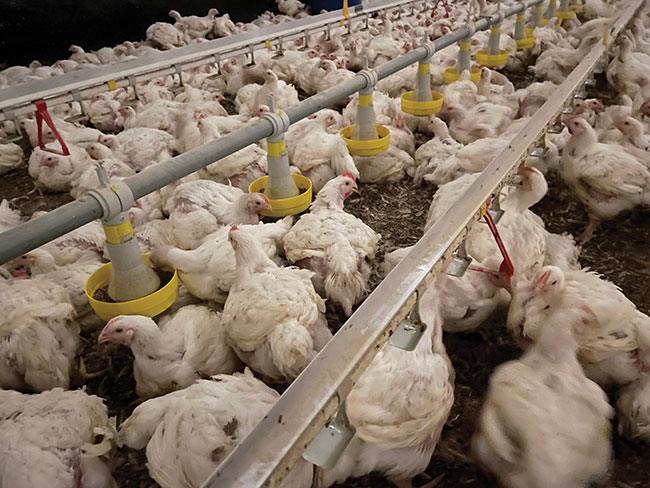
Feed is typically the single largest cost in poultry production. It accounts for 60 to 70 percent of total production costs in most operations. Because of this, poor feed management can quickly turn a profitable enterprise into a loss-making one. Therefore, every farmer must take feed management seriously.
A. Feed Trough Management
i. Avoid overfilling troughs: When troughs are too full, birds scatter feed onto the floor where it gets soiled and wasted. Fill troughs to no more than one-third of their capacity.
ii. Adjust tube feeders carefully: Tube feeders that are opened too widely allow too much feed to flow at once, leading to waste. Set them at an appropriate level for your bird size and age.
iii. Use spillage-reducing designs: Modern feed trough designs can reduce spillage and cut feed wastage by up to 20 percent compared to older open designs. Investing in better equipment pays off over time.
B. Feed Quality and Storage
i. Store feed properly: Feed stored in damp or poorly ventilated areas can spoil, lose nutritional value, or attract pests. Always store feed in cool, dry, well-sealed containers.
ii. Use fresh feed: Avoid purchasing more feed than you can use within a reasonable period. Stale feed reduces palatability and may cause digestive problems.
iii. Match feed to bird type and age: Using the wrong feed formulation for your birds’ age or production stage wastes money and reduces performance. Follow recommended feeding programs closely.
In conclusion, poultry is a remarkably adaptable bird that can thrive under a wide range of conditions and production systems. The semi-intensive system in particular offers a practical middle ground between full free-range and fully intensive production. It works well for farmers who want some control over their birds while still allowing them outdoor access. Your final choice of production system should reflect your available capital, land, skills, and specific production goals.
Read Also: Problems or Constraints of Poultry and Guidelines to Improve Poultry production
Summary on Semi-Intensive Poultry Production System
| Topic | Key Points |
|---|---|
| System Overview | Combines outdoor run access with nighttime indoor housing; birds stay in a fenced area during the day |
| Outdoor Run | Fenced with wire netting; birds forage freely within the defined space |
| Main Advantages | Breeding control, predator protection, accident prevention, easier management |
| Main Disadvantages | High production cost, large land requirement, labor intensity, disease exposure risk |
| Housing Design | Must account for temperature, humidity, ventilation, and light in tropical climates |
| Temperature Control | East-west orientation, insulated roofing, shade trees |
| Ventilation | Open sidewalls, ridge ventilation, mechanical fans if necessary |
| Humidity Control | Prevent water spillage, maintain dry litter, proper floor drainage |
| Lighting | Natural light optimization plus supplemental lighting for layers |
| Feed Wastage | Avoid overfilling troughs, adjust tube feeders, use spillage-reducing designs |
| Feed Cost Impact | Feed accounts for 60-70% of production costs; poor management can cause losses |
| System Suitability | Best for small to medium-scale farmers with moderate land and capital |
Frequently Asked Questions About Semi-Intensive Poultry Production System
1. What is the semi-intensive poultry production system?
The semi-intensive or restricted range system is a method where birds have access to an enclosed outdoor run during the day and are housed indoors at night. The outdoor area is fenced with wire netting to control bird movement. This system combines elements of both free-range and intensive production.
2. How is the semi-intensive system different from free-range production?
In a free-range system, birds have largely unrestricted access to open land with minimal boundaries. In a semi-intensive system, the outdoor area is enclosed and controlled. This means farmers have more oversight over their birds, can prevent uncontrolled breeding, and provide better protection from predators compared to full free-range production.
3. What type of fencing is best for a semi-intensive poultry run?
Wire netting or chicken wire is the most common fencing material for poultry runs. The mesh size should be small enough to prevent birds from passing through and to keep out small predators. The fence should also be buried a few inches into the ground to stop predators from digging under it. For additional protection, many farmers add a top cover to the run.
4. How much space do birds need in a semi-intensive system?
A common recommendation is at least 2 to 4 square meters of outdoor run space per bird, though more is always better. Overcrowded runs quickly become bare, muddy, and disease-prone. For the indoor housing area, layers typically need 0.2 to 0.3 square meters per bird, while broilers need slightly less depending on their age and size.
5. Can I raise broilers in a semi-intensive system?
Yes, but it’s more commonly used for layers and breeding flocks. Broilers are typically raised in intensive systems because they grow quickly and the production cycle is short. However, semi-intensive production of broilers is possible for farmers who prefer a slower, more natural growth approach or are producing for a premium free-range market.
6. What are the main disease risks in a semi-intensive system?
The outdoor run exposes birds to wild bird droppings, soil parasites, and pathogens that indoor birds never encounter. Common risks include coccidiosis, worms, Newcastle disease, and Marek’s disease. Regular vaccination, deworming, rotation of the outdoor run area, and good biosecurity practices help manage these risks effectively.
7. How do I manage the poultry run to prevent it from becoming a bare, muddy mess?
Rotate your run area if possible, splitting it into two sections and alternating between them. This gives the resting section time to recover. Keep stocking density low, plant hardy grass varieties that can withstand bird traffic, and avoid running birds on the same ground during very wet weather. Adding organic matter or sand can improve drainage in problem areas.
8. What poultry house design works best in hot tropical climates?
In tropical climates, open-sided houses with wire mesh walls work best. The building should run east to west to reduce sun exposure. Use a wide roof overhang to shade the walls. Ridge ventilation and good airflow are critical. Avoid materials that absorb and radiate heat, and consider insulated or reflective roofing to reduce heat load inside the house.
9. How can I reduce feed wastage in a semi-intensive system?
Start by not overfilling feed troughs. Fill them to only one-third capacity at a time. Use modern trough designs that prevent birds from billing out feed. Adjust tube feeders to the correct setting for your bird size. Store feed properly to prevent spoilage, and use the right feed formulation for your birds’ age and production stage to avoid nutritional imbalances that can increase consumption.
10. Is the semi-intensive system profitable for small-scale farmers?
Yes, it can be profitable when managed well. While setup costs are higher than free-range (because of fencing and housing), the increased control over birds often leads to better productivity and lower losses. The key to profitability is keeping feed wastage low, maintaining good bird health, and managing your run properly to avoid land degradation. Many small-scale farmers find this system a good entry point into commercial poultry production.
Do you have any questions, suggestions, or contributions? If so, please feel free to use the comment box below to share your thoughts. We also encourage you to kindly share this information with others who might benefit from it. Since we can’t reach everyone at once, we truly appreciate your help in spreading the word. Thank you very much for your support and for sharing!
Read Also: Unearthing the Impact of Landfills on Our Environment