


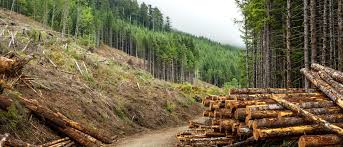
Silviculture involves raising trees for planting using methods like stump plants, striplings, or container-grown plants, with choices depending on species suitability. This article explores seed production, collection, handling, and dormancy to ensure successful forest regeneration in Nigeria, emphasizing techniques for high-quality tree production.
Effective silviculture ensures sustainable forest management by producing healthy, viable trees. Understanding seed quality, collection timing, and storage methods is crucial for nursery success and forest regeneration, supporting both artificial and natural reforestation efforts.
Seed Production and Collection
Seed production is the foundation of successful tree planting and forest regeneration. High-quality seeds from reliable sources ensure robust seedling growth. This section covers seed location, collection timing, and methods to secure viable seeds for nursery production and forest regeneration programs.
The quality and quantity of seeds directly impact the success of regeneration efforts. Proper seed collection practices, including selecting healthy mother trees and timing harvests, are essential for producing plantable stock and achieving high survival rates in forests.
A. Seed Location
1. Selecting Stands: Examine stands before seed maturation to identify areas with heavy fruit production, ensuring profitable collection and high-quality seeds for planting.
2. Genetic Purity: Collect seeds from pure stands of mother trees with desirable traits like good form and vigor to ensure genetic quality and predictable seedling characteristics.
3. Avoiding Poor Sources: Avoid seeds from isolated plants or near related species to prevent self-pollination or cross-pollination, which can reduce seed quality or produce variable seedlings.
4. Quality Assessment: Determine seed source quality by growing a population of seedlings to evaluate their consistency and alignment with parent tree characteristics.
B. Time for Collection
1. Optimal Harvest Timing: Seed collectors must identify the best time to harvest seeds, ensuring sufficient food reserves, ease of harvest, and high germination rates.
2. Criteria for Timing: Use moisture content, dryness, color, and specific gravity as indicators to determine the optimal time for seed collection to maximize viability.
3. Avoiding Immature Seeds: Seeds from immature trees may not exhibit predictable characteristics, reducing certainty in the quality of trees produced from them.
C. Methods of Collection
1. Direct Methods: Use climbing, hand-plucking, pole-plucking, tree shaking, felling, or stoning to collect fruits directly, depending on tree height and fruit quantity.
2. Indirect Methods: Collect fallen fruits by sweeping, raking, or spreading sheets under trees, ensuring efficient gathering of naturally dropped seeds or fruits.
3. Hand-Picking Importance: Hand-pick seeds before they fall to prevent loss, especially for small seeds that scatter while still attached to the tree.
4. Labeling and Transport: Label collected seeds with species, date, location, and mother tree details, then transport them quickly in suitable containers for extraction.
Read Also: 18 Medicinal Health Benefits Of Kaempferia Parviflora (Thai Ginseng)
Seed Handling and Processing

Proper seed handling ensures seeds remain viable from collection to planting. This section details extraction, cleaning, and storage techniques, emphasizing manual methods common in Nigeria and the importance of maintaining seed quality during processing.
Effective handling prevents deterioration and supports nursery production. By understanding species-specific needs and storage conditions, silviculturists can ensure seeds remain viable for planting, even when transported over long distances.
A. Seed Extraction and Cleaning
1. Preventing Deterioration: Freshly picked fruits must be processed quickly to avoid heating, molding, or deterioration, with timing depending on species and weather conditions.
2. Pre-Extraction Treatment: Expose dry fruits to sunlight for pre-extraction treatment, preparing them for manual or mechanical seed extraction methods.
3. Manual Extraction Methods: Use hand-splitting, crushing, pounding, beating, soaking, shaking, drying, or fermenting, selecting methods based on species and available facilities.
4. Sorting Seeds: Sort good seeds from impurities using picking, floating, or sieving/winnowing to ensure only high-quality seeds are used for planting.
B. Seed Storage
1. Storage Necessity: Store seeds when collected in excess or when planting times differ from collection times, ensuring viability during transport or delayed planting.
2. Viability Factors: Seed viability depends on initial quality and deterioration rate, influenced by storage conditions that slow respiration without harming the embryo.
3. Storage Conditions: Use low moisture (4-6%), sealed containers, and low temperatures for long-term storage, or dry storage at room temperature where facilities are limited.
4. Storage Containers: Store seeds in jute bags, tins, glass jars, pots, jerrycans, or sealed plastic bags, using moisture-absorbing materials like wood ash or silica gel.
Read Also: How to Grow, Use and Care for Western Needlegrass (Achnatherum occidentale ssp. Occidentale)
Seed Dormancy and Germination

Seed dormancy affects germination timing, impacting nursery production. This section explores types, causes, and methods to overcome dormancy, ensuring seeds germinate promptly for uniform seedling crops in silviculture programs.
Understanding dormancy helps nursery operators produce large, consistent seedling batches. By addressing dormancy causes, such as seed coat impermeability or chemical inhibitors, silviculturists can enhance germination rates and forest regeneration success.
A. Types of Seed Dormancy
1. Chemical Dormancy: Growth-inhibiting chemicals like coumarin or phenols in seeds cause chemical dormancy, preventing germination under favorable conditions.
2. Physical Dormancy: Thick, hard, or waxy seed coats prevent water and air entry, causing physical dormancy common in species like those in the Leguminosae family.
3. Embryo Dormancy: Immature embryos require a rest period to develop fully, delaying germination until after a storage period under favorable conditions.
4. Combined Causes: Some seeds exhibit multiple dormancy types, such as mechanical restrictions from thick pericarps and chemical inhibitors, requiring complex treatments.
B. Causes of Seed Dormancy
1. External Factors: Lack of favorable moisture, temperature, or oxygen conditions can prevent germination, contributing to dormancy in viable seeds.
2. Internal Factors: Embryo immaturity, metabolic blocks, or seed coat restrictions on water, gas exchange, or embryo expansion cause dormancy in many species.
3. Chemical Inhibitors: Substances like abscisic acid in seeds of peach or apple inhibit germination, requiring treatments to reduce inhibitor effects or increase growth promoters.
4. Secondary Dormancy: Some seeds develop dormancy after maturation due to environmental conditions, further complicating germination timing and nursery planning.
C. Overcoming Seed Dormancy
1. Importance of Treatment: Treating dormant seeds ensures prompt germination, producing large, uniform seedling crops for efficient nursery operations.
2. Hormonal Regulation: Growth promoters like gibberellins or cytokinins can overcome inhibitors, with chilling reducing inhibitor effects in some species.
3. Mechanical Treatments: Address physical dormancy by scarifying seed coats to allow water and oxygen entry, facilitating germination in species like red cedar.
4. Pre-Germination Testing: Test and treat seeds before planting to identify dormancy issues, ensuring effective germination despite delays caused by testing.
Frequently Asked Questions
1. What is silviculture?
Silviculture involves raising trees for planting using methods like stump plants, striplings, or container-grown plants, tailored to species for successful forest regeneration.
2. Why is seed quality important in silviculture?
High-quality seeds ensure robust seedling growth, increasing survival rates and supporting successful artificial and natural forest regeneration programs.
3. How do you determine the best time to collect seeds?
Use criteria like moisture content, dryness, color, and specific gravity to identify the optimal harvest time, ensuring seeds are viable and easy to collect.
4. What are the main methods of seed collection?
Direct methods include climbing, plucking, or felling, while indirect methods involve collecting fallen fruits by sweeping or using sheets under trees.
5. How are seeds stored to maintain viability?
Store seeds in sealed containers with low moisture (4-6%) and low temperatures, using materials like silica gel to absorb moisture and slow deterioration.
6. What causes seed dormancy?
Dormancy results from chemical inhibitors, impermeable seed coats, immature embryos, or environmental factors like insufficient moisture, temperature, or oxygen.
7. How can seed dormancy be overcome?
Treatments like scarification, chilling, or applying growth promoters like gibberellins can break dormancy, ensuring prompt germination for nursery production.
8. Why is pre-germination testing necessary?
Pre-germination testing identifies dormancy issues, allowing appropriate treatments to ensure high germination rates, though it may delay nursery planting schedules.
Do you have any questions, suggestions, or contributions? If so, please feel free to use the comment box below to share your thoughts. We also encourage you to kindly share this information with others who might benefit from it. Since we can’t reach everyone at once, we truly appreciate your help in spreading the word. Thank you so much for your support and for sharing!