


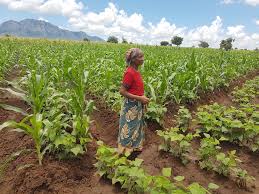
In the previous module, mineral nutrition of crops was discussed in detail. This article explores how soil and crop productivity can be maintained. The goal of any soil and crop management program is sustained profitable production.
For any civilization to endure over a long period, its ability to sustain the productive capacity of its agriculture is critical.
Read Also: 16 Medicinal Health Benefits Of Scleromitrion diffusum (Spreading Diamond Flower)
Strategies for Soil and Crop Productivity Management
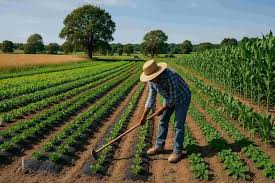
For agriculture to be sustainable, it must encompass soil and crop productivity, economics, and environmental considerations.
Sustainability is defined by integrating agricultural management technologies to produce quality food and fiber while maintaining or enhancing soil productivity, farm profitability, and environmental quality.
From a soil productivity-soil fertility perspective, soil conservation is vital for long-term sustainability. Soil management practices that contribute to or encourage soil degradation will diminish soil productivity and hinder progress toward sustainability.
Increasing crop yields should not be confused with increasing soil productivity, as yield increases primarily result from technological innovations in crop breeding and genetics, fertilizer and fertilizer management, and other agronomic technologies.
Soil conservation and effective soil management do more than just prevent soil losses. Soil erosion serves as a symptom or indication of poor soil management, whether due to inadequate plant nutrients or improper cropping systems.
The challenges of declining soil productivity are not new and have been recognized since soil organic matter and native nutrient supplies, particularly nitrogen (N), began to decrease.
Nutrients removed from the soil have generally exceeded those returned through manure and commercial fertilizers.
Read Also: Ruminant Animals: A Comprehensive Guide
Agronomic Technologies for Enhancing Productivity

Adoption of numerous agronomic technologies can boost crop productivity, including nitrogen fertilization, breeding/genetics, weed control, and other cultural practices.
Soil productivity can be improved through soil conservation practices such as conservation tillage, crop rotations, improved drainage, terracing, contour farming, organic fertilizers, and enhanced systems to align cultivars with soil and climate conditions.
The aim of crop and soil management should be to achieve sustained maximum profit from cropping programs. Effects on water intake, erosion, plant nutrient supply, tilth, and pest control must be considered.
Do you have any questions, suggestions, or contributions? If so, please feel free to use the comment box below to share your thoughts. We also encourage you to kindly share this information with others who might benefit from it. Since we can’t reach everyone at once, we truly appreciate your help in spreading the word. Thank you so much for your support and for sharing!