


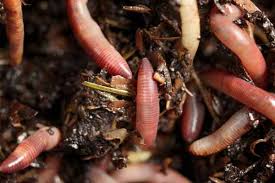
Plant residue serves as the major substrate for soil organic matter (SOM) formation. In this article, the definition, beneficial impacts, and decomposition of SOM will be explored.
In addition to other factors, the organic matter (OM) content of a soil is closely linked to its productivity. The production of large quantities of residues and their subsequent decay is essential for maintaining high soil productivity.
Defining Soil Organic Matter in Agriculture
Soil organic matter can be defined as a complex, varied mixture of organic substances. It comprises decomposed plant and animal residues. It plays a critical role in the carbon balance, which is a significant factor influencing global warming.
Read Also: Cold Weather Poultry Diseases and How to Manage them
Benefits of Soil Organic Matter for Crop Production
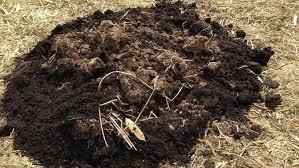
Some of the key functions are as follows:
- Increases cation exchange capacity
- Improves soil structure
- Reduces the effects of compaction
- Decreases crusting and enhances infiltration
- Increases water-holding capacity
- Provides energy for microbial activity
- Acts as a reservoir for nutrients
- Helps in buffering soil pH
Rate of Decomposition of Organic Matter in Soil
Organic matter consists of decomposed plant and animal residues, and the organic compounds are listed below in order of ease of decomposition:
- Sugars, starches, and simple proteins: Rapid decomposition
- Crude proteins
- Hemicelluloses
- Cellulose
- Fats, waxes, oils
- Lignins and phenolic compounds: Very slow decomposition
Decomposition of Soil Organic Matter Under Aerobic Conditions
Humus decomposition rate ranges between 2% and 5% per year, depending on climatic conditions. An increase in soil temperature accelerates humus decomposition up to about 45°C. Tropical conditions favor rapid SOM decomposition, often leading to nitrogen deficiencies following SOM depletion.
Adequate soil aeration promotes oxidative decomposition, resulting in a faster decomposition rate compared to anaerobic conditions. The presence of sufficient available nitrogen increases the rate of decomposition.
Tillage exposes new surfaces of organic matter to microbial oxidation, thus increasing the rate of SOM decomposition.
The practice of no-till or minimum-till crop production enhances SOM levels compared to conventional tillage management due to reduced soil cultivation and lower levels of residue incorporation.
Read Also: Layers or Broilers which One is More Profitable in Poultry Farming? Find Out!
Decomposition of Soil Organic Matter Under Anaerobic Conditions
When plant and animal residues are added to an anaerobic environment (e.g., swamp or marsh), decomposition is significantly reduced, and organic residue typically accumulates, often in layers.
These layers represent varying degrees of residue decomposition. When soil pores are filled with water, oxygen supplies are limited because water-filled pores prevent the diffusion of oxygen from the atmosphere into the soil. The products of anaerobic decomposition include:
- Partially oxidized organic compounds, such as organic acids, alcohols, and methane gas.
This process releases little energy for the organisms involved, with the end products still containing substantial energy.
Maintaining Soil Organic Matter for Sustainable Agriculture
Maintaining organic matter in soil is critical for sustainable agricultural production. Strategies for improving or maintaining organic matter include:
- Compost application
- Use of green manure
- Incorporation of crop or plant residue
- Use of farmyard or animal manure
- Reduced tillage
- Rotation or intercropping with legumes
In this article, it can be concluded that organic matter contributes to soil tilth, enhances moisture retention, provides surface protection, serves as a storehouse for nutrients, increases cation exchange capacity, provides energy for microorganisms, and releases CO2.
All of these functions, except surface protection, depend on decomposition. Therefore, organic matter accumulation in the soil is not an end in itself. The critical point is the production of high quantities of organic matter and its subsequent decay.
Do you have any questions, suggestions, or contributions? If so, please feel free to use the comment box below to share your thoughts. We also encourage you to kindly share this information with others who might benefit from it. Since we can’t reach everyone at once, we truly appreciate your help in spreading the word. Thank you so much for your support and for sharing!