



This article explores effective soil preparation and composting techniques for vegetable gardening, inspired by Farming God’s Way principles. It covers methods like planting stations, furrows, shallow basins, mulching, and composting to enhance soil health, boost productivity, and ensure sustainable farming practices.
Soil Preparation Techniques
Proper soil preparation is essential for healthy crops. Techniques like planting stations, furrows, and shallow basins cater to different crops, ensuring optimal growth conditions. These methods, combined with careful planning, promote efficient planting and soil management for sustainable yields.
A. Planting Stations
Planting stations are small holes, about 12cm wide, 15cm long, and 15cm deep, designed for crops with wide spacing, such as tomatoes, eggplants, peppers, sweet corn, cabbage, cauliflower, and broccoli. They allow precise seedling placement and efficient soil use.
To prepare, place a measuring rope on permanent pegs, ensuring it’s taut. Dig 15cm from the rope marker, deepening as you near it, with 5-6 strikes. Heap soil downslope for later refilling. Stations are steeper upslope, shallower downslope for stability.
For squashes, planting stations are dug deeper to spade depth and width. Backfill with a spadeful of manure or compost mixed with soil to enrich the planting area and support robust growth.
B. Furrows
Furrows are V-shaped, 10cm deep, and 10cm wide soil cuttings in straight lines, ideal for crops with close “in-row” spacing like beans, peas, spinach, kale, and amaranth. They ensure uniform planting and efficient soil management.
To dig, secure a rope on pegs, lift and drop it to ensure tautness. Start 10cm from the rope, deepening until reaching 10cm at the rope. Keep soil in a neat downslope heap for refilling later.
For sweet potatoes and Irish potatoes, furrows are dug 15cm deep. Triple 10cm deep furrows at 37.5cm intervals with 500ml manure per 60cm are ideal for spinach, enhancing nutrient availability.
C. Shallow Basins
Shallow basins, 5cm deep and 25-45cm wide, are used for small crops with narrow row intervals, like beetroot, carrots, onions, spring onions, lettuce, coriander, radish, and rocket. They suit double, triple, or quadruple row designs.
Preparing one row at a time using the furrow technique for intervals under 37.5cm is challenging. Instead, shallow basins with a 1cm manure skimming simplify planting and ensure even nutrient distribution for small crops.
Surface composting or manure enhances soil health. Shifting to compost-based systems when ready improves productivity and sustainability, reducing reliance on chemical fertilizers for long-term soil vitality.
Read Also: How to Make Money in Poultry Farming
Mulching with God’s Blanket
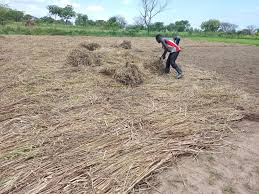
God’s Blanket, a heavy mulch cover of plant leaves, twigs, and fruits in various decomposition stages, mimics nature’s design. It fosters soil health, reduces evaporation, controls weeds, and enhances moisture retention, making it vital for sustainable gardening.
A. Benefits of God’s Blanket
God’s Blanket supports living organisms, reduces runoff and erosion, improves soil permeability, and prevents UV light sterilization. It creates a microclimate for soil life, boosting fertility and structure for healthier crops.
1. Weed Control: Mulch smothers weeds effectively. If weeds appear, the blanket has likely decomposed into a thin sheet. Reapply to achieve 100% cover and 2.5cm thickness to suppress even hardy weeds.
2. Application Tips: Move the blanket downslope during planting. For seed-planted crops, leave a 5cm gap above seeds to aid germination, then bring mulch against plant bases after sprouting.
B. Practical Mulching Techniques
When weeding, pull weeds by hand or cut them at the surface with a hoe at the 1-inch stage to prevent regrowth. Avoid disturbing the soil to maintain its structure and health.
1. Material Choices: Use organic materials like grass cuttings, thatch grass, banana leaves, palm fronds, bulrushes, forest leaves, or maize stalks. Finer materials are easier for vegetable gardens.
2. Historical Insight: In the 1960s, Ruth Stout, dubbed “Mrs. Mulch,” used 60cm of straw mulch, planting directly into it. Though effective, her method is impractical for large-scale farming due to material volume.
God’s Blanket should cover 100% of the soil surface at 2.5cm thickness year-round, whether for small gardens or vast fields. Grow your own mulch using green manure cover crops for sustainability.
Read Also: The Historical Development of Crop Production
Composting for Soil Health
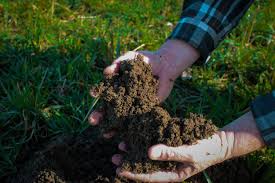
Compost is a powerful alternative to fertilizers, restoring soil nutrients and biotic balances. By following a high-standard recipe, farmers can produce nutrient-rich compost, ensuring long-term profitability and sustainable vegetable gardening with minimal input costs.
A. What is Compost?
Compost is decomposed organic matter broken down by bacteria and fungi. A 2m x 2m x 2m pile yields about 3.5m³, sufficient for a large home garden. Smaller 1.5m³ piles suit reduced needs.
1. Pile Size: Large-scale farmers can extend pile length while maintaining 2m width and height. This ensures adequate internal temperature for decomposition, producing high-quality compost.
2. Timing: In Southern Africa, collect materials in January or February when green matter is abundant, allowing compost to mature by the next planting season for optimal use.
B. Compost Ingredients
Compost comprises four main components: nitrogen (10%), green (45%), woody (10%), and dry (35%). Adjusting ratios for vegetables favors bacterial dominance, reducing woody material and increasing dry components.
1. Nitrogen: Use 15 bags (50kg) of fresh manure or 4m³ of legumes if manure is unavailable. Nitrogen fuels bacterial activity, driving decomposition in the compost pile.
2. Green Component: Collect 8m³ of green leaves, grass clippings, weeds, or shrubs within 3-4 days to preserve sugars, which are essential for high-quality compost production.
3. Woody Component: Gather 2m³ of maize cobs, stalks, branches, or cardboard to aerate the pile and support fungal growth, aiding slow decomposition for structure.
4. Dry Component: Collect 8m³ of thatch grass, leaves, or old weeds to add bulk and carbon, balancing the pile’s composition for effective decomposition and nutrient retention.
C. Building and Managing the Compost Pile
Build the pile in two 2m x 2m squares using 2.6m poles buried 60cm deep. Layer ingredients alternately, wetting each thoroughly. Start with 5cm woody, 15cm dry, 20cm green, and 2 bags of manure.
1. Turning the Pile: Turn every 3 days for the first three turns, then every 10 days for 2-3 more. Turning aerates, mixes materials, and maintains 55-68°C to kill seeds and pathogens.
2. Moisture Control: Maintain 50% moisture. Squeeze a handful; if it holds shape without dripping, it’s ideal. Add water if too dry, or aerate if too wet, during turning.
3. Curing Process: After 2 months of turning, cure for 4 months in shade, covered with breathable material. Mature compost is dark brown, crumbly, sweet-smelling, with visible fungal strands.
Frequently Asked Questions
1. What crops are best suited for planting stations?
Planting stations are ideal for crops with wide spacing, such as tomatoes, eggplants, peppers, sweet corn, cabbage, cauliflower, broccoli, and squashes, ensuring optimal growth space.
2. How deep should furrows be for sweet potatoes?
Furrows for sweet potatoes and Irish potatoes should be 15cm deep, deeper than the standard 10cm for crops like beans, peas, spinach, kale, and amaranth.
3. Why use shallow basins instead of furrows?
Shallow basins are easier for crops with row intervals under 37.5cm, like beetroot, carrots, and onions, allowing efficient planting in double, triple, or quadruple row designs.
4. How does God’s Blanket help with weed control?
God’s Blanket smothers weeds by maintaining 100% soil cover at 2.5cm thickness. Reapply mulch to suppress even hardy weeds without disturbing the soil.
5. What materials can be used for God’s Blanket?
Use organic materials like grass cuttings, thatch grass, banana leaves, palm fronds, bulrushes, forest leaves, or maize stalks. Finer materials are easier for vegetable gardens.
6. When is the best time to start composting in Southern Africa?
Start in January or February when green material is abundant, allowing compost to mature by the next spring planting season for optimal nutrient availability.
7. How do I know if my compost is ready?
Mature compost is dark brown, crumbly, sweet-smelling, and has visible fungal strands. It should cure for 4 months after turning to ensure stability and nutrient retention.
8. Can compost replace fertilizers entirely?
Yes, high-quality compost can match or exceed fertilizer profitability by restoring soil nutrients and biotic balances, reducing input costs while maintaining high yields.
Do you have any questions, suggestions, or contributions? If so, please feel free to use the comment box below to share your thoughts. We also encourage you to kindly share this information with others who might benefit from it. Since we can’t reach everyone at once, we truly appreciate your help in spreading the word. Thank you very much for your support and for sharing!