


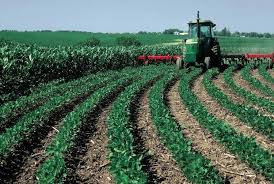
In previous articles, sustainable agriculture was shown to demand the effective integration of agricultural management technology to produce quality food and fiber while maintaining soil productivity, farm profitability, and environmental quality.
This article explores the growing interest in developing tillage practices to provide greater protection to soil against soil and water losses.
The amount of surface residues and surface roughness both have an effect. Crop residue management has been developed to leave more harvest residues, leaves, and roots on or near the surface.
Understanding Soil Tillage
Soil tillage involves the mechanical manipulation of soil for various purposes, but in agriculture, it is typically focused on modifying soil conditions for crop production.
This process includes surface forms of soil manipulation performed by applying mechanical forces to the soil with tillage tools, such as cutting, shattering, inversion, or mixing.
Benefits and Drawbacks of Soil Tillage
Advantages of Soil Tillage
- Improves infiltration and promotes more efficient use of water.
- Increases hectarage of sloping land that can safely be used for row crops.
- Enhances crop yield.
- Reduces soil erosion by water and wind.
- Minimizes labor, machinery, and fuel costs.
Disadvantages of Soil Tillage
- Increases potential for farm animals (rodents), insects, and diseases.
- Requires skilled manpower.
Read Also : Vegetative Structure of Seed Plants: The Leaf
Types of Soil Tillage Practices
1. Clean Tillage: Involves frequent cultivation or plowing to prevent the growth of all vegetation, except the specific crop desired during the growing season.
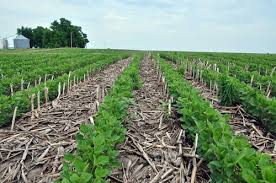
2. Conservation Tillage: Refers to any tillage sequence that reduces soil or water loss compared to conventional tillage.
3. Conventional Tillage: Encompasses combined primary and secondary tillage operations typically performed to prepare a seedbed for a specific crop in a given geographical area.
4. Minimum Tillage: Involves the least soil manipulation necessary for crop production or meeting tillage requirements under existing soil and climatic conditions.
5. Mulch Tillage: Prepares the soil in a way that leaves plant residues or other materials to cover the surface, also known as mulch farming, trash farming, stubble mulch tillage, or plow-less farming.
6. Zero Tillage: A method where a crop is planted directly into a seedbed not tilled since the harvest of the previous crop, also referred to as a no-tillage system.
Read Also : Different Classes of Snail Feed Based on their Nutritional Requirements
Impacts of Soil Tillage on Agricultural Systems
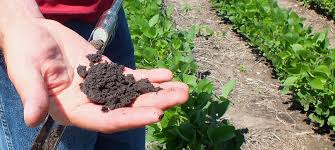
The effects of tillage vary greatly depending on soil, crop, and weather conditions.
1. Surface Residues: The amount of surface residues remaining after tillage depends on the implement used. Subsurface implements leave most residue on the soil surface to protect against erosion. The quantity of residue incorporated or left on the surface also depends on the crop type.
2. Soil Loss: The amount of residue needed to prevent soil erosion depends on factors such as soil characteristics (texture, organic matter, structure, depth, slope, length), residue characteristics, rainfall characteristics, and wind characteristics (velocity, direction, to mention but two).
3. Soil Temperature: Early in the growing season, soil temperatures are generally lower under conservation tillage than conventional tillage due to the insulating effect of unincorporated crop residues on the surface.
4. Soil Moisture: Increasing surface residues by reducing tillage minimizes runoff and soil erosion while enhancing infiltration. Water conservation increases with the maintenance of surface residue cover.
5. Soil Microbial Activity: The interaction of soil temperature and moisture with tillage significantly influences microbial activity. Tilling the soil increases aeration, encouraging microbial activity and mineralization of organic matter, which releases nitrogen and other nutrients. Microbial activity is lower early in the season due to lower temperatures but slightly higher later due to greater soil moisture.
Tillage has both favorable and unfavorable effects on soil aggregation. When performed on soil that is neither too wet nor too dry, the short-term effects of tillage are generally beneficial.
Tillage implements break up large clods, incorporate organic matter into the soil, kill weeds, and create a more suitable seedbed. Soon after plowing, the surface soil is loosened (its cohesive strength decreases), and total porosity increases.
Do you have any questions, suggestions, or contributions? If so, please feel free to use the comment box below to share your thoughts. We also encourage you to kindly share this information with others who might benefit from it. Since we can’t reach everyone at once, we truly appreciate your help in spreading the word. Thank you so much for your support and for sharing!