


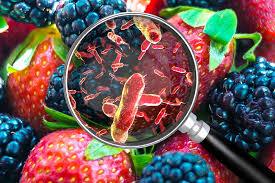
Food and drug administration agencies are not solely responsible for ensuring the safety of the nation’s food supply; however, they oversee monitoring and intervention within the food supply chain. Although food safety is a collective responsibility involving producers, processors, and consumers, regulatory agencies play an essential role.
Their efforts are sometimes hampered by multiple stakeholder interests, inadequate resources, and competing priorities. Foodborne illnesses are often traced to biological, chemical, and physical contamination sources, which are discussed briefly below.
Read Also: Layers or Broilers which One is More Profitable in Poultry Farming? Find Out!
Biological Sources of Food Contamination
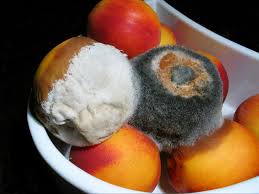
Most foodborne illnesses result from microorganisms, referred to as biological contamination, originating from bacteria, viruses, parasites, and fungi.
1. Bacteria: The most significant group of microorganisms, bacteria thrive on high-protein foods such as fish, poultry, meat, eggs, and milk. They are transmitted through wind, moisture, dust, and direct contact with other living organisms. Bacteria require moisture to thrive and struggle to multiply on dry products like cereals, flour, and rice.
Certain bacteria grow at high temperatures, while others thrive at lower temperatures. Freezing and drying foods delay bacterial growth, but controlling time and temperature specifically, minimizing the time foods remain in the temperature danger zone is the most effective way to limit bacterial proliferation.
2. Viruses: Viruses are spread to food by infected employees, including cold viruses, influenza viruses, and gastrointestinal infections like rotaviruses and hepatitis A. Transmission occurs through inadequate hygiene practices, such as failing to wash hands after using the bathroom, coughing, sneezing, or wiping a runny nose.
Viruses reproduce rapidly in living host cells, and foods most likely to cause illness, such as salads and cold sandwiches, are those not heated after handling.
3. Parasites: Parasites derive nourishment from other organisms. Some parasites and their eggs are found in foods like pork and fish and can be destroyed by cooking at high temperatures, at least 140°F. Insufficiently cooked pork may lead to trichinosis, an illness caused by parasites.
4. Fungi: Fungi, including molds, yeasts, and mushrooms, can be poisonous and cause food spoilage. Consuming foods infected by bacteria-contaminated fungi may lead to nausea, vomiting, diarrhea, and intestinal cramps.
Cooking at 140°F destroys fungi, but toxins already present are not fully eliminated by heat. Freezing retards fungal growth but does not affect existing fungi. Cooking at high temperatures is the most effective way to prevent fungal growth.
Microbiological Safety Measures
The Food Standards Agency promotes microbiological safety throughout the food chain, focusing on reducing foodborne illnesses, advocating a hazard analysis-based approach to food safety management, and providing guidance for producers, retailers, caterers, and the public.
It addresses microbiological food hazards and outbreaks of foodborne diseases. Campylobacter, the most common cause of food poisoning, was responsible for an estimated 321,000 cases in England and Wales in 2008, resulting in over 15,000 hospitalizations, 76 deaths, and an economic cost exceeding £583 million.
To combat campylobacter, the Food Standards Agency launched a campaign in January 2004 to improve hygiene measures in broiler farms and ensure best practices are consistently followed.
Read Also: Layers or Broilers which One is More Profitable in Poultry Farming? Find Out!
Chemical Sources of Food Contamination
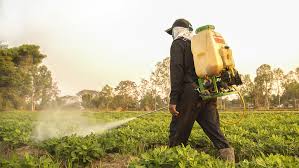
Chemical contamination occurs when substances such as cleaning agents or pesticides come into contact with food. It may also result from food additives and preservatives, like nitrites and sulfites, which enhance foods but contain potentially harmful elements.
Other sources include toxic metals like zinc from galvanized containers, which can make acidic foods like fruit juice poisonous, as well as lead, copper, and brass that may contact food.
Chemical safety establishes safe levels for naturally occurring or deliberately added chemicals in food that are potentially harmful. Many toxic or harmful chemicals are present in food, either as natural contaminants or intentional additives, but they are not necessarily harmful in small amounts.
Their effects depend on consumption levels. Key considerations include:
i. Supplements: Some individuals take supplements like vitamins and minerals, which are needed in small amounts, or other chemicals with less evidence of beneficial effects. Adequate amounts are typically obtained from food, and excessive intake may be harmful.
ii. Chemicals in Food: Chemicals enter food through various means:
- Contaminants from the environment enter the food chain and are present in plant and animal products.
- Chemical compounds from packaging materials may be absorbed into food.
- Chemicals, such as polycyclic aromatic hydrocarbons, may form during cooking or food processing.
- Pesticides and veterinary medicines used in farming may remain in food products.
- Additives, such as flavors and preservatives, are deliberately added to enable a varied diet from preserved foods year-round.
- Natural plant components, like glycoalkaloids in potatoes or lectins in pulses, may cause toxicity if not properly cooked. Some foods, like peanuts, can trigger allergies in susceptible individuals.
- Molds contaminating crops during storage may produce chemicals like aflatoxins.
Physical Sources of Food Contamination
Physical contamination occurs when foreign objects, such as dirt, hair, or particles, come into contact with food. Cross-contamination happens when contaminated food contacts safe food, rendering it unsafe.
To prevent physical contamination, equipment must be cleaned and sanitized between uses with different foods and between handling raw and cooked foods.
Radiological Safety Measures
Radioactivity, present since the Earth’s formation, exists naturally in the atmosphere, soil, seas, and rivers, and is also created by human activities like energy production and military operations. Some radioactivity inevitably enters the food supply. Being invisible and tasteless, it is not indicated on food labels.
Radioactivity can damage DNA, the complex molecule controlling cell function and growth. Low radiation doses may be repaired by the body, but higher doses can alter cells, potentially leading to cancer.
This article has outlined the primary sources of food contamination biological, chemical, and physical and the corresponding safety measures. Effective food safety requires coordinated efforts from regulatory agencies, producers, and consumers to mitigate risks, control contamination sources, and implement practices like proper hygiene, temperature control, and equipment sanitation to ensure a safe food supply.
Do you have any questions, suggestions, or contributions? If so, please feel free to use the comment box below to share your thoughts. We also encourage you to kindly share this information with others who might benefit from it. Since we can’t reach everyone at once, we truly appreciate your help in spreading the word. Thank you so much for your support and for sharing!