


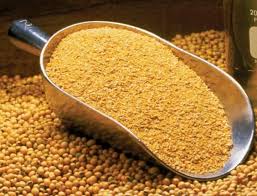
Soybean meal, a byproduct of soybean oil extraction, is a nutritional powerhouse used in animal feed and human diets. Its high protein content makes it essential for livestock, poultry, and aquaculture. For humans, it’s transformed into foods like tofu, offering a sustainable protein source.
This ingredient stands out for its rich amino acid profile, making it a favorite for vegetarians and vegans. Its affordability and versatility drive its popularity, especially in developing nations. Soybean meal also finds applications beyond food, from adhesives to biofuels, highlighting its economic value.
Despite its benefits, concerns like hexane use in processing and GMO varieties spark debate. Proper processing mitigates risks, ensuring safety for consumption. Its nutrient density supports heart health, muscle growth, and more, making it a valuable dietary addition.
For human consumption, soybean meal is often processed into textured vegetable protein (TVP) or soy milk. These forms provide a meat-like texture or dairy alternative, catering to diverse dietary needs while delivering essential nutrients.
Ongoing research explores soybean meal’s role in reducing chronic disease risks. While antinutritional factors like phytates exist, proper preparation ensures its safety and efficacy, making it a reliable choice for both human and animal diets.
This article explores soybean meal’s nutritional value, health benefits, uses, and scientific evidence, answering common questions to guide its effective use in diets and industries.
Read Also: Soybean plant (Glycine max): Complete Growing Guide for High Yields
Nutritional Value of Soybean Meal
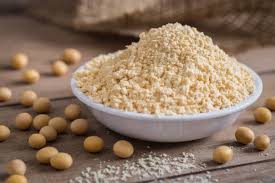
1. Protein: Soybean meal boasts 44-50% protein, one of the highest among plant sources. It delivers essential amino acids like lysine, supporting muscle repair and growth, ideal for vegetarian diets and animal feed.
2. Lysine: This essential amino acid, abundant in soybean meal, aids tissue growth and hormone production. With over 90% digestibility, it complements lysine-deficient grains in human and animal diets.
3. Tryptophan: Rich in tryptophan, soybean meal supports serotonin production, enhancing mood and sleep. It balances diets heavy in grains, benefiting both humans and livestock nutritionally.
4. Threonine: Vital for immune function and digestion, threonine in soybean meal promotes gut health and protein synthesis, enhancing the quality of animal feed and soy-based human foods.
5. Isoleucine: This amino acid fuels energy production and muscle recovery. Soybean meal’s isoleucine content supports active individuals and growing animals, ensuring optimal performance.
6. Carbohydrates: With 30-35% carbohydrates, soybean meal provides energy through digestible sugars like sucrose, meeting the energy demands of livestock and humans alike.
7. Fiber: Dehulled soybean meal contains less than 3% crude fiber, promoting digestion in humans and monogastric animals without causing discomfort, supporting gut health.
8. Phosphorus: Soybean meal includes phosphorus, though phytate-bound, contributing to bone health and energy metabolism when processed to improve bioavailability.
9. Potassium: This mineral in soybean meal supports heart function and fluid balance, enhancing its role in cardiovascular health for humans and animals.
10. Omega-3 Fatty Acids: Soybean meal contains small amounts of omega-3s, reducing inflammation and supporting heart health, adding to its nutritional value.
11. Calcium: Present in trace amounts, calcium supports bone health and muscle function, particularly in fortified soy products and animal feed.
12. Magnesium: Soybean meal offers magnesium, aiding bone health, muscle relaxation, and sleep regulation, benefiting both human and animal diets.
Soybean meal’s nutrient profile makes it a versatile ingredient, but processing is key to minimizing antinutritional factors like phytates, ensuring maximum nutritional benefits.
Health Benefits of Soybean Meal
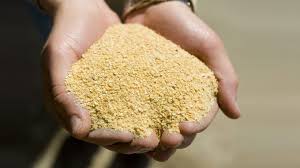
1. Heart Health: Soybean meal’s protein and omega-3s lower LDL cholesterol, reducing heart disease risk. The FDA endorses 25g of soy protein daily in low-fat diets for cardiovascular benefits.
Usage: Consume 25g of soy protein daily, like 1 cup (240ml) of soy milk or 100g of tofu, within a low-fat diet.
2. Muscle Development: Its high-quality protein, rich in amino acids, supports muscle growth and repair, ideal for athletes and growing livestock.
Usage: Add 20-30g of soybean meal-based protein, such as TVP, to post-workout meals like smoothies or stir-fries.
3. Weight Management: Low-fat, high-protein soybean meal aids fat loss while preserving muscle, supporting obesity prevention. Studies show improved BMI with soy protein.
Usage: Replace one meat-based meal with 100g of tofu or TVP daily to support weight loss and satiety.
4. Diabetes Management: Its low glycemic index and fiber help regulate blood sugar, especially in fermented forms, reducing type 2 diabetes risk.
Usage: Include 1/2 cup (50g) of tempeh or edamame in daily meals to stabilize blood sugar levels.
5. Cancer Risk Reduction: Isoflavones and antioxidants may lower breast and prostate cancer risks by neutralizing free radicals and inhibiting cancer cell growth.
Usage: Consume 1-2 servings (100-200g) of soy products like tofu or soy milk daily for potential anticancer benefits.
6. Bone Health: Magnesium and calcium support bone density, reducing osteoporosis risk, especially in older adults consuming soy-based products.
Usage: Drink 250ml of fortified soy milk or eat 50g of tofu daily to boost bone-supporting nutrients.
7. Menopause Symptom Relief: Isoflavones act as phytoestrogens, reducing hot flashes and mood swings by 20-50%, as shown in studies.
Usage: Consume 50-100mg of isoflavones daily, found in 100g tofu or 250ml soy milk, to ease symptoms.
8. Digestive Health: Fiber and oligosaccharides promote gut bacteria, improving digestion and reducing constipation in humans and animals.
Usage: Add 50g of edamame or TVP to daily salads or soups for better gut health and regular bowel movements.
9. Anti-Inflammatory Properties: Omega-3s and isoflavones reduce inflammation, potentially lowering risks of chronic diseases like arthritis.
Usage: Include 100g of tempeh or tofu in weekly meals to lower inflammation markers.
10. Sleep Improvement: Magnesium aids melatonin production, improving sleep quality and helping with insomnia in regular consumers.
Usage: Consume 50g tofu or 250ml soy milk in the evening to promote restful sleep.
Read Also: Soybeans (Glycine max): 13 Health Benefits, Healing Powers and Uses
Uses of Soybean Meal
1. Animal Feed: Soybean meal provides 44-50% protein for poultry, pigs, and cattle, supporting growth and milk production with essential amino acids.
2. Aquaculture Feed: Used in fish and shrimp diets, it ensures healthy growth, making up 25-30% of aquaculture feed for efficient feed conversion.
3. Pet Food: Incorporated into dog and cat food, soybean meal offers cost-effective protein for balanced pet nutrition.
4. Tofu Production: Soybean meal is processed into soy milk to create tofu, a versatile meat substitute for vegetarian and vegan diets.
5. Soy Milk: Ground soybean meal is soaked and strained to produce soy milk, a protein-rich dairy alternative.
6. Textured Vegetable Protein (TVP): Processed into TVP, soybean meal serves as a meat substitute in vegan dishes like burgers and tacos.
7. Food Processing: Added to baked goods, snacks, and cereals, it boosts protein content and nutritional value in processed foods.
8. Organic Fertilizer: With 7% nitrogen, soybean meal enriches soil, promoting plant growth when applied at 1-2 pounds per 100 square feet.
9. Adhesives: Its protein content is used to create eco-friendly adhesives for paper and packaging industries.
10. Biodegradable Plastics: Isoflavones help produce sustainable plastics, reducing environmental impact in industrial applications.
11. Biodiesel Production: Soybean meal byproducts support biodiesel, offering a renewable fuel source from soybean oil.
12. Pharmaceutical Applications: Used in drug formulations, its protein and isoflavones are leveraged for health supplements.
Scientific Evidence and Case Studies on Soybean Meal
1. Taku et al. (2012): A systematic review showed soybean isoflavones reduced menopausal hot flashes by 20-50%, supporting their use for symptom relief. Taku, K., Melby, M. K., Kronenberg, F., Kurzer, M. S., & Messina, M. (2012). Extracted or synthesized soybean isoflavones reduce menopausal hot flash frequency and severity. Menopause, 19(7), 776-790.
2. Kwon et al. (2010): Fermented soybean products improved insulin sensitivity and reduced type 2 diabetes risk in animal models, highlighting blood sugar benefits. Kwon, D. Y., Daily, J. W., Kim, H. J., & Park, S. (2010). Antidiabetic effects of fermented soybean products on type 2 diabetes. Nutrition Research, 30(1), 1-13.
3. Messina & Redmond (2006): Soy protein and isoflavones showed no adverse effects on thyroid function in healthy adults, confirming safety for regular use. Messina, M., & Redmond, G. (2006). Effects of soy protein and soybean isoflavones on thyroid function in healthy adults and hypothyroid patients. Thyroid, 16(3), 249-258.
4. EFSA GMO Panel (2008): No deleterious effects were found from GM soybean meal, affirming its safety for animal feed and human consumption when processed. EFSA GMO Panel. (2008). Safety and nutritional assessment of GM soybean. EFSA Journal, 6(10), 1-37.
Frequently Asked Questions About Soybean Meal
1. Is soybean meal safe for humans?
Yes, properly processed soybean meal is safe in products like tofu and soy milk. Opt for non-GMO or organic to avoid potential concerns.
2. Can soybean meal cause allergies?
Some may be allergic to soy proteins like glycinin. Consult a doctor if symptoms like itching or swelling occur after consumption.
3. How does soybean meal benefit animals?
It provides high-quality protein and amino acids, supporting growth and health in livestock, poultry, and fish, cost-effectively.
4. Does soybean meal contain GMOs?
About 90% of U.S. soybeans are GMOs. Choose certified organic soybean meal to avoid genetically modified varieties.
5. Can soybean meal aid weight loss?
Yes, its high protein and low fat promote satiety and muscle retention. Include 50-100g of soy products daily.
6. Is soybean meal eco-friendly?
Sustainably sourced, it supports nitrogen fixation and biodiesel, reducing reliance on synthetic fertilizers and fossil fuels.
7. How much soybean meal is safe daily?
1-2 servings (50-100g) of soy products like tofu or soy milk offer benefits without excessive isoflavone intake.
8. Does soybean meal affect hormones?
Isoflavones mimic estrogen but studies show no negative hormonal effects in moderation. Stick to recommended servings.
Do you have any questions, suggestions, or contributions? If so, please feel free to use the comment box below to share your thoughts. We also encourage you to kindly share this information with others who might benefit from it. Since we can’t reach everyone at once, we truly appreciate your help in spreading the word. Thank you very much for your support and for sharing!
Disclaimer: This article is for educational and informational purposes only. The health benefits described are based on scientific research and traditional knowledge. They are not a substitute for professional medical advice, diagnosis, or treatment. Always consult a healthcare professional before using any herb or natural remedy for medical purposes.
Read Also: Foods and Drinks That Can Increase your Blood Sugar Lev